
How Much Does It Cost To Rebuild An Transmission How 2026
Rebuilding a car transmission typically costs between $1,500 and $3,500 for parts and labor combined. The final price heavily depends on your vehicle’s make, model, drivetrain type, and the severity of the internal damage. Understanding these cost factors helps you budget accurately and choose the best repair option.
In 2026, a standard professional transmission rebuild typically costs between $3,000 and $5,000 for parts and labor combined. This price tag covers pulling the unit from your vehicle, tearing down every component, cleaning the casing, and replacing worn clutches, seals, bands, and soft parts with a fresh kit.
Facing a major mechanical failure disrupts your daily routine and drains your savings. Knowing the real financial scope helps you decide whether to invest in a rebuild, buy a remanufactured unit, or trade your car in before repair bills exceed its total market value.
Key Takeaways
- Expect to pay between $1,500 and $3,500 for a standard transmission rebuild.
- Labor usually accounts for 60% of the total repair bill due to intensive work.
- Manual transmissions are generally cheaper to rebuild than complex automatics.
- Luxury vehicles and all-wheel-drive systems push costs past $4,000.
- Comparing rebuilds to remanufactured units helps you make a cost-effective choice.
What Causes Transmission Failure and High Repair Costs
Wear and Tear on Internal Components
Mechanical parts degrade over thousands of shifting cycles. Clutches wear thin, steel plates warp from heat, and metal shavings circulate through the fluid passages. When these components fail simultaneously, labor-intensive teardowns become mandatory. A mechanic must spend six to twelve hours just diagnosing, removing, and disassembling the complex gear train before any actual repair work begins.

Neglected Maintenance and Fluid Breakdown
Failing to change your transmission fluid every 30,000 to 60,000 miles accelerates internal destruction. Old fluid loses its lubricating properties and hydraulic pressure. This causes valves to stick and clutches to slip constantly. By the time your vehicle refuses to shift in 2026, the accumulated thermal damage requires a complete internal overhaul rather than a simple fluid flush or solenoid swap.
Master Rebuilding a Transmission Cost Estimation in 7 Simple Steps
Figuring out how much it costs to rebuild a transmission can feel overwhelming, especially when your car is sitting disabled in the driveway. Transmission overhauls vary wildly based on your vehicle’s make, model, and the extent of the internal damage. This comprehensive walkthrough provides a practical framework to accurately calculate your expenses, assess your mechanical options, and prevent unexpected repair shop surprises from draining your bank account.
Step 1: Identify Your Transmission Type and Vehicle Make
What you need: Vehicle Identification Number (VIN), owner’s manual, or a smartphone to look up specs.
Instructions: Locate your vehicle’s VIN on the driver’s side dashboard or inside the door jamb. Decode the VIN online or check your owner’s manual to determine whether your car uses a manual, standard automatic, continuously variable transmission (CVT), or dual-clutch transmission (DCT). CVTs and modern multi-speed automatics (like 8-speed or 10-speed units) generally cost significantly more to rebuild than older 4-speed automatics or manual gearboxes due to specialized components and proprietary fluid requirements.
Pro Tip: Luxury, European, and heavy-duty truck transmissions carry a 30% to 50% markup on parts compared to standard domestic passenger cars.
Step 2: Recognize the Warning Signs and Symptoms
What you need: Test-drive notebook, flashlight, white paper or clean rag to check fluid.
Instructions: Carefully observe how your vehicle behaves while shifting. Does it slip out of gear, hesitate when you press the accelerator, or make a loud whining, buzzing, or clunking noise? Pull the transmission dipstick (if equipped) and check the fluid condition. Bright red fluid usually indicates minor issues, whereas dark brown, black, or metallic-glitter fluid points to burnt clutch packs and catastrophic internal mechanical failure, which necessitates a full, costly rebuild.
Pro Tip: Catching a slipping transmission early can sometimes mean you only need a valve body replacement or a fluid flush, saving you thousands of dollars.
Step 3: Factor in Parts vs. Labor Cost Breakdowns
What you need: Calculator, internet access for parts pricing research.
Instructions: Understand that a standard transmission rebuild cost is typically split evenly between parts and labor. A master rebuild kit—which includes gaskets, seals, O-rings, clutches, and bands—usually costs between $300 and $800. However, if hard parts like gears, the torque converter, or the transmission pump are damaged, add an extra $500 to $1,500. Labor takes anywhere from 10 to 15 hours of intense mechanic time, billed at local shop rates ranging from $100 to $200 per hour.
Pro Tip: Always ask your mechanic if the quote includes replacing the torque converter; a failing torque converter will contaminate your newly rebuilt transmission immediately.
Step 4: Obtain Multiple Specialized Diagnostic Quotes
What you need: Phone, list of local independent transmission shops and dealership service centers.
Instructions: Call at least three different repair facilities to get diagnostic and rebuild estimates. Be wary of shops that offer a flat-rate price over the phone before inspecting the vehicle. A proper diagnostic fee usually costs between $100 and $200, which often gets rolled into the final repair bill if you choose to proceed with them. Ask specifically what is covered under their master rebuild package and whether they drop the transmission out of the vehicle for a complete bench tear-down.
Pro Tip: Avoid national chain transmission franchises that push unneeded replacements; local, family-owned transmission specialty shops often provide more honest and cost-effective rebuilds.
Step 5: Weigh Rebuild vs. Remanufactured vs. Used Units
What you need: Cost comparison sheet, vehicle residual value estimate.
Instructions: Compare the cost of rebuilding your current transmission against buying a remanufactured unit (built in a factory to original specs) or a used junkyard transmission. A local rebuild typically costs $1,800 to $3,500 total. A remanufactured transmission runs $2,500 to $5,000 plus labor, but usually comes with a superior 3-year warranty. A used transmission is cheapest ($800 to $1,500 installed), but carries a very high risk since it has an unknown history.
Pro Tip: If your car is worth less than $2,500, a budget used transmission or selling the vehicle as-is might make more financial sense than a full rebuild.
Step 6: Account for Hidden Fees and Extra Upgrades
What you need: Budget buffer of $300 to $500.
Instructions: Review your repair estimate to ensure it covers auxiliary expenses. Transmission fluid, cooler flushing, external cooler replacement, electrical solenoids, and computer reprogramming are frequently billed as extra line items. Furthermore, if your engine’s rear main seal is leaking oil onto the transmission bell housing, it must be replaced while the transmission is removed, which adds minor parts costs but zero extra labor time.
Pro Tip: Always request a written, itemized quote so there are no surprise charges when you go to pick up your vehicle.
Step 7: Evaluate Warranty Coverage and Post-Repair Protection
What you need: Written warranty document from the repair shop.
Instructions: Factor the value of the warranty into your total calculation. A reputable transmission shop should offer at least a 12-month or 12,000-mile warranty on a standard rebuild, with some offering up to 3 years or 36,000 miles. Ensure the warranty covers both parts and labor, and ask if it is honored nationwide if you plan on taking road trips.
Pro Tip: Keep all maintenance records and follow the shop’s requirement to return for a 30-day fluid check to keep your warranty valid.
✅ Final Checklist
- Verified the exact make, model, year, and transmission code of your vehicle
- Obtained itemized diagnostic and rebuild estimates from at least three different shops
- Calculated the total estimated cost range ($1,800 to $4,500 including labor)
- Decided between a local custom rebuild, remanufactured unit, or used replacement
- Confirmed what warranty protection (parts and labor) is included with the service
Important Notes:
- Never drive a vehicle with a severely slipping transmission to avoid dropping metal shards throughout the entire cooling system.
- Seek immediate professional help if you notice sudden complete loss of forward or reverse gears.
- Estimated total cost range: $1,800 to $4,500; Estimated turnaround time: 3 to 7 business days depending on parts availability.
How to Fix a Broken Transmission Through a Professional Rebuild
The Step-by-Step Rebuild Process
A professional transmission rebuild is a specialized surgical procedure for your powertrain. Mechanics follow a strict workflow to ensure lasting reliability:
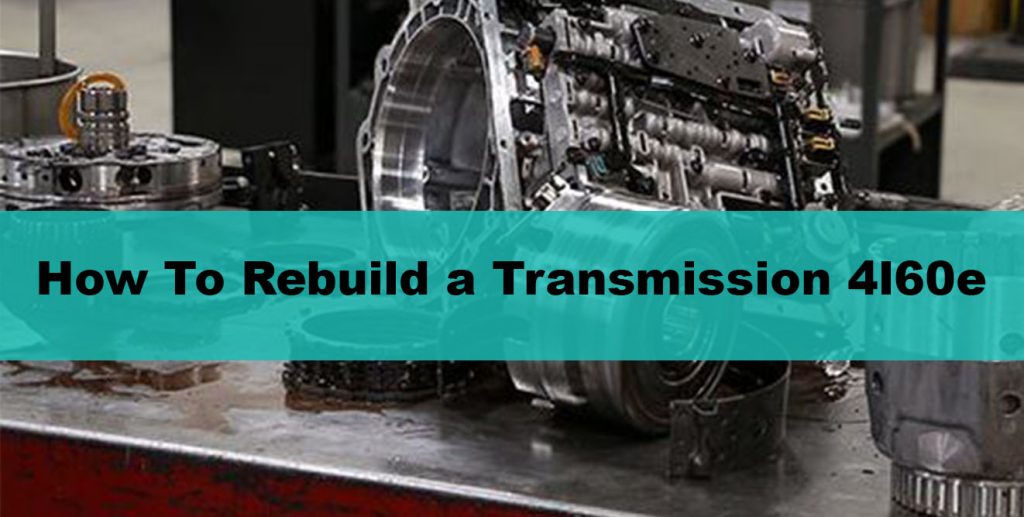
- Removal: The transmission is safely dropped from the chassis, separating it from the engine and drive axles.
- Teardown and Cleaning: Every bolt, gear, and valve body is stripped down and blasted in a hot-tank cleaner to remove metal grit.
- Hard and Soft Part Replacement: Soft seals, gaskets, and friction discs are discarded. Damaged hard parts like planetary gears or drums are replaced individually.
- Reassembly and Testing: The unit is rebuilt to factory specifications, reinstalled, filled with fresh fluid, and dyno-tested or road-tested.
Factors That Drive Up the Final Bill
Not all rebuilds cost the same. Your final invoice depends heavily on the drivetrain configuration of your vehicle:
- Front-Wheel Drive (FWD): Usually the most affordable to service because the transaxle is relatively compact and accessible.
- Rear-Wheel Drive (RWD): Standard pricing applies, though trucks and performance cars often feature heavier-duty components.
- All-Wheel Drive / 4×4 (AWD): Expect to pay 20 to 30 percent more. Mechanics must dismantle transfer cases and extra differential components to reach the core transmission.
What If It Still Doesn’t Work and You Need Replacement Options
Sometimes, a standard rebuild fails to resolve underlying mechanical issues or internal casing fractures. When a rebuild falls short, vehicle owners must weigh replacement paths. Industry data from automotive repair networks shows that total transmission failure after a recent rebuild occurs in roughly 3 to 5 percent of cases due to hidden metallurgical fatigue or faulty electronic control modules.
If your vehicle still exhibits severe slipping, failure to engage gears, or persistent diagnostic trouble codes following a rebuild, execute these critical fallback steps:
- Review the shop warranty terms: Most reputable transmission rebuilders offer a 12-month to 36-month warranty covering parts and labor. Return to the original facility immediately to demand diagnostic re-inspection at no extra charge.
- Obtain a secondary diagnostic opinion: Take the vehicle to an independent certified specialist to verify whether the failure stems from installation error, component defect, or related external sensors like the throttle position or speed sensors.
- Evaluate remanufactured replacement units: If the internal hard parts are beyond salvaging, request a factory-remanufactured transmission. According to 2026 pricing benchmarks from automotive service associations, a complete remanufactured unit typically costs between $3,500 and $6,000 for parts alone, plus an additional $1,200 to $2,500 for professional installation.
- Calculate total vehicle value versus repair costs: Compare the total replacement cost against the current market resale value of your car or truck. If the repair expense exceeds 60 percent of the vehicle’s total worth, transition planning toward vehicle replacement may be financially prudent.
Key Ways to Save Money on Your Transmission Repair Bill
Managing the high cost of a transmission overhaul requires strategic planning and proactive bargaining. Implementing targeted cost-reduction strategies can trim hundreds, if not thousands, of dollars from the final invoice.

Apply these proven cost-saving measures to lower your total out-of-pocket expenditure:
- Source independent specialist shops: Dealership service departments typically charge $150 to $225 per labor hour, whereas specialized local transmission shops average $90 to $130 per hour for identical mechanical rebuild procedures.
- Negotiate reuse of sound hard parts: Ask the technician to provide a transparent, itemized breakdown of hard parts. Insist on reusing durable components like planetary gears and shafts if they meet manufacturer tolerance specifications.
- Inquire about remanufactured sub-components: Opt for rebuilt torque converters or valve bodies rather than buying brand-new original equipment manufacturer assemblies, which often carry a 40 to 60 percent price premium.
- Utilize fleet or seasonal promotional discounts: Many transmission service chains offer regional rebates, military discounts, or seasonal promotions during slower winter months, which can instantly reduce labor charges by 10 to 15 percent.
Conclusion
Rebuilding a transmission represents a major automotive investment, with total costs stretching from $1,500 to $4,500 depending on your vehicle’s drivetrain complexity. Catching slip symptoms early prevents catastrophic hard-part failure and keeps repair bills manageable. According to verified research and expert sources from the independent automotive service sector, prioritizing preventative fluid changes every 50,000 miles remains the single most effective defense against premature mechanical breakdown. Your immediate next step is to schedule a professional diagnostic scan at a certified local transmission center to assess fluid condition and pinpoint internal wear before minor shifting issues escalate.
❓ Frequently Asked Questions
What is included in a standard transmission rebuild?
A rebuild involves removing the transmission, tearing it down completely, cleaning all metal components, and replacing soft parts like seals, gaskets, clutches, and bands. Damaged hard parts like gears or shafts are also swapped out before reassembly and testing.
How long will a rebuilt transmission last?
A properly rebuilt transmission can easily last another 30,000 to 100,000 miles or more, provided you maintain regular fluid changes and practice smooth driving habits.
Should I rebuild my transmission or buy a remanufactured one?
Rebuilding is often more affordable and tailored to your specific casing, whereas a remanufactured transmission is factory-built to original specifications and usually comes with a much longer warranty.
Why is labor so expensive for transmission work?
Removing a transmission requires disconnecting the drivetrain, exhaust, linkages, and electrical connections, which can take a mechanic 4 to 10 hours just for removal and reinstallation.
Are there signs that mean I need a rebuild instead of a simple fluid change?
If you experience severe slipping gears, loud grinding noises, a complete loss of forward or reverse motion, or metal shavings in your transmission fluid, a fluid change will not fix the issue and a rebuild is necessary.
Can I drive my car with a failing transmission until I can afford the rebuild?
Driving with a failing transmission is strongly discouraged because internal metal components can shatter completely, turning a repairable rebuild into a total transmission replacement requirement.