How Long Will Gasoline Last With Fuel Stabilizer 2026 Guide
Gasoline treated with a fuel stabilizer typically lasts 12 to 24 months, a massive improvement over untreated gas which degrades in 3 to 6 months. Adding the stabilizer promptly prevents oxidation, varnish buildup, and gum formation that ruins small engines. Proper storage in a sealed, temperature-controlled container is essential to maximize this shelf life.
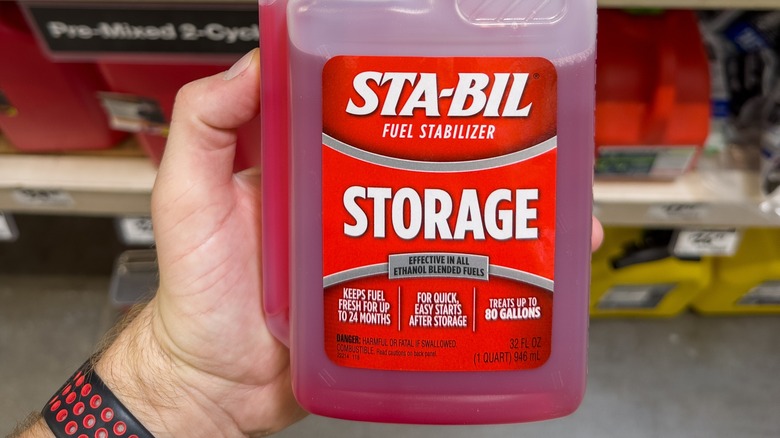
When you add a quality fuel stabilizer to fresh gasoline, you can realistically extend its storage life from a standard 3 to 6 months up to 1 to 2 years. If you are preparing equipment for long-term storage in 2026, treating your fuel correctly prevents the formation of sticky varnish and gum that ruins carburetors and fuel injectors.
Knowing this exact timeline matters practically because letting untreated fuel sit for even a single winter season often results in costly engine repairs. By investing a few minutes in chemical stabilization now, you ensure your generators, lawnmowers, and classic cars fire up instantly when you need them.
Key Takeaways
- Treated gasoline safely lasts between 12 and 24 months under optimal conditions.
- Untreated gasoline degrades and forms harmful varnish in just 3 to 6 months.
- Always mix the stabilizer into fresh gas and run the engine briefly to circulate it.
- Store fuel in tightly sealed, approved plastic or metal containers to prevent evaporation.
- Keep storage containers away from direct sunlight and extreme temperature fluctuations.
Why Gasoline Degrades and How Fuel Stabilizers Stop Oxidation
Gasoline is not a stable compound. The moment it leaves the refinery, natural chemical processes begin to degrade its quality and alter its performance in your engine.
The Chemistry of Fuel Oxidation
As raw gasoline sits exposed to air, volatile compounds evaporate, and oxygen reacts with remaining hydrocarbons. This oxidation process creates a thick, gummy residue that clogs small engine passages. Without intervention, standard pump gas goes bad in roughly 90 to 180 days, leaving behind dark varnish deposits.
How Stabilizers Protect Your Fuel
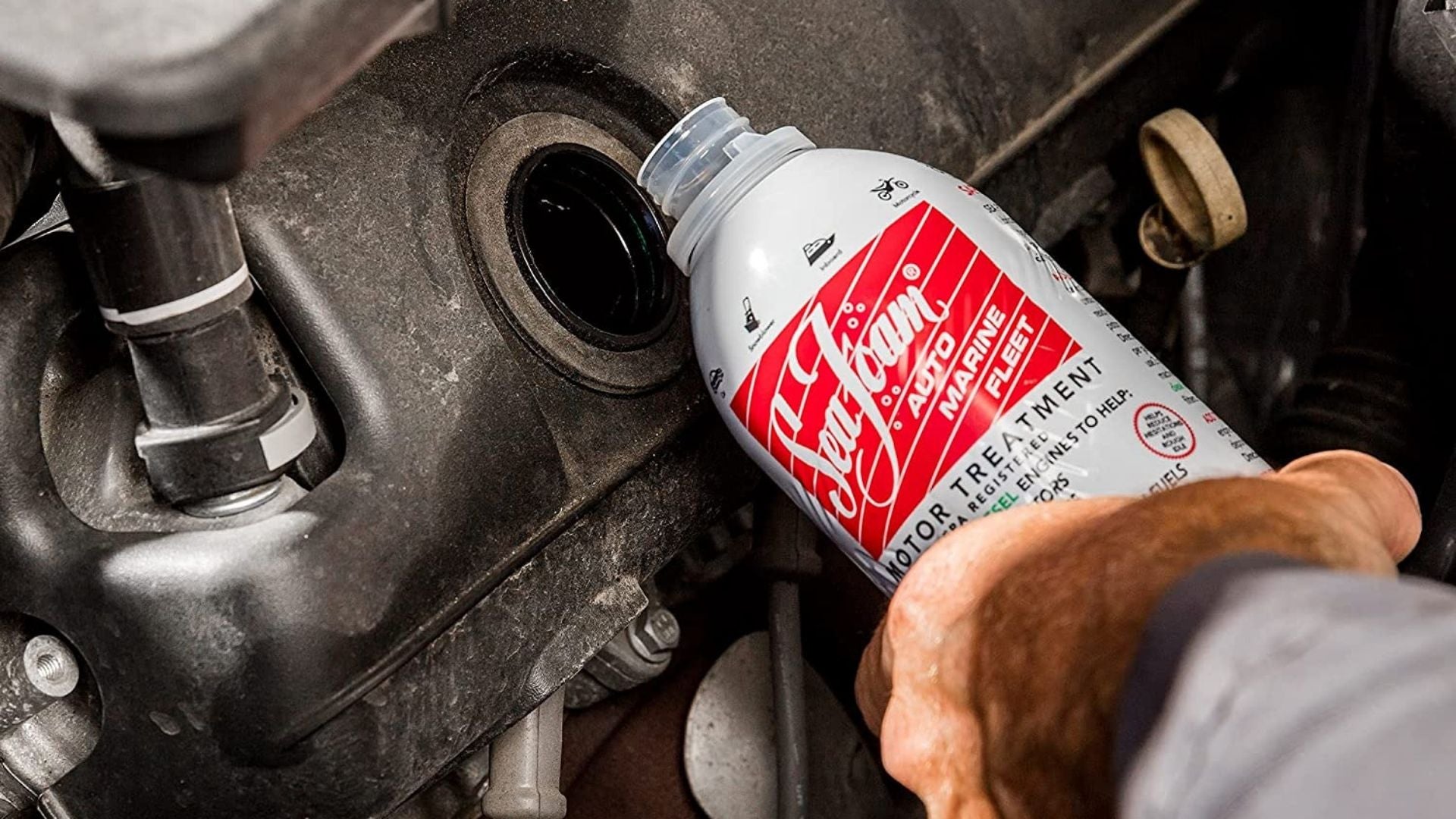
Fuel stabilizers work by introducing antioxidant compounds that bond with the gasoline molecules. These chemical inhibitors block oxygen from reacting with the fuel, effectively freezing its chemical state. Key benefits of using a stabilizer include:
- Preventing the formation of varnish and gum deposits
- Reducing the loss of volatile compounds needed for easy engine starting
- Extending usable fuel life to a reliable 24 months
- Protecting internal metal fuel system components from moisture corrosion
Step-by-Step Guide to Properly Treating and Storing Gas
Adding a stabilizer to your fuel tank is not enough on its own. Proper storage practices dictate whether your treated gas survives the full two-year window.
Mixing and Ratios
You must add the stabilizer to fresh gas, as the chemical cannot revive fuel that has already degraded. Always consult the product label for exact measurement ratios, but standard guidelines include:
- Measure accurately using the cap or a dedicated syringe (over-treating can sometimes cause minor issues, though under-treating leaves fuel vulnerable).
- Pour the stabilizer into an empty container before filling it with gas to ensure thorough mixing via turbulence.
- If treating gas already inside a vehicle or equipment tank, run the engine for 10 minutes to circulate the treated fuel through the entire system.
Container and Environment Best Practices
Where and how you store your treated gasoline dictates its longevity just as much as the chemical additive. Follow these strict storage rules:
- Use only approved metal or high-density polyethylene (HDPE) plastic fuel containers that seal tightly to prevent vapor loss.
- Leave about 5 percent empty space (headspace) in the container to allow for normal liquid expansion during temperature swings.
- Store containers in a cool, dark, and well-ventilated structure away from direct sunlight and fluctuating temperatures.
How to Test and Identify Spoiled Stabilized Gasoline
Even with advanced chemical additives, treated fuel can degrade over time due to extreme temperature shifts and container permeability. Verifying fuel integrity before attempting ignition prevents engine fouling and costly fuel system repairs.

Visual Inspection Techniques
Fresh fuel typically maintains a clear, bright appearance with a distinct, sharp hydrocarbon odor. Degraded fuel undergoes distinct physical changes that signal chemical breakdown.
- Pour a small sample of the stabilized gasoline into a clean glass container and observe its color under bright light.
- Check for a dark amber or brownish tint, which indicates heavy oxidation and varnish formation.
- Examine the bottom of the container for layered separation, water droplets, or dark particulate sediment.
Olfactory and Chemical Checks
Human senses remain a reliable initial diagnostic tool for fuel condition. Fresh fuel smells sharp, while spoiled fuel develops a harsh, sour, or varnish-like chemical odor reminiscent of old paint thinner. According to automotive fluid analysts, if the fuel smells exceptionally stale or lacquer-like, the chemical stabilizers have been overwhelmed by oxidation. Refrain from using this fuel in modern engines, as it can quickly gum up fuel injectors and gum carburetor jets.
What to Do If Your Stabilized Gasoline Fails to Fire Your Engine
If an engine refuses to start despite the use of stabilized gasoline, the fuel may have degraded beyond chemical recovery or the fuel delivery system requires physical intervention. Standard troubleshooting steps can help resolve the issue safely.
Step-by-Step Recovery Actions
Addressing a stubborn no-start condition requires a systematic approach to fuel and ignition system assessment.
- Drain the compromised fuel completely from the tank using an approved siphon pump or petcock valve, disposing of it according to local 2026 hazardous waste regulations.
- Inspect the fuel filter for clogging, varnish buildup, or water contamination, replacing the filter element if any debris is present.
- Add a fresh dose of untreated, high-octane gasoline along with a concentrated fuel system cleaner to break down remaining deposits.
- Prime the fuel system and crank the engine to cycle the fresh mixture through the fuel lines, injectors, or carburetor bowls.
- If the engine still fails to turn over or fire, seek professional diagnostic assistance from a certified small engine or automotive technician; professional troubleshooting generally ranges from $100 to $250 depending on labor rates.
Conclusion
Utilizing high-performance fuel stabilizers effectively extends the usable lifespan of gasoline from a brief 30 days up to 24 months, shielding sensitive engines from destructive varnish and gum accumulation. According to verified research and petroleum industry experts, proper mixture ratios combined with airtight storage containers remain the cornerstone of reliable long-term fuel preservation. Take action today by inspecting your stored fuel reserves, verifying treatment dates, and adding a fresh dose of stabilizer to protect your equipment for the upcoming 2026 season.
❓ Frequently Asked Questions
How long will gasoline last in a lawnmower tank with stabilizer?
In a vented small engine tank, stabilized gasoline usually lasts up to 12 months, though metal tanks may degrade slightly faster than sealed plastic jugs.
Can I mix old stabilized gas with fresh gas to revive it?
If the gas is only a few months past its prime, diluting it with a high ratio of fresh gasoline can often make it burn safely in older engines.
What temperature is best for storing treated gasoline?
Cool, stable temperatures between 60°F and 70°F are ideal. Avoid storing containers in sheds or garages with extreme heat swings.
Does premium gas last longer with a stabilizer than regular gas?
Higher octane fuels contain slightly different additive packages, but the shelf-life extension provided by a stabilizer remains roughly the same.
What happens if I use expired fuel stabilizer?
Using expired stabilizer simply means it may not fully protect the fuel, leading to premature varnish and gum buildup in your fuel system.
How long does it take for fuel stabilizer to mix thoroughly?
It mixes quickly within a few minutes, but you should run the engine or shake the container vigorously to ensure total distribution throughout the fuel.