Is Transaxle Fluid the Same as Transmission Fluid 2026
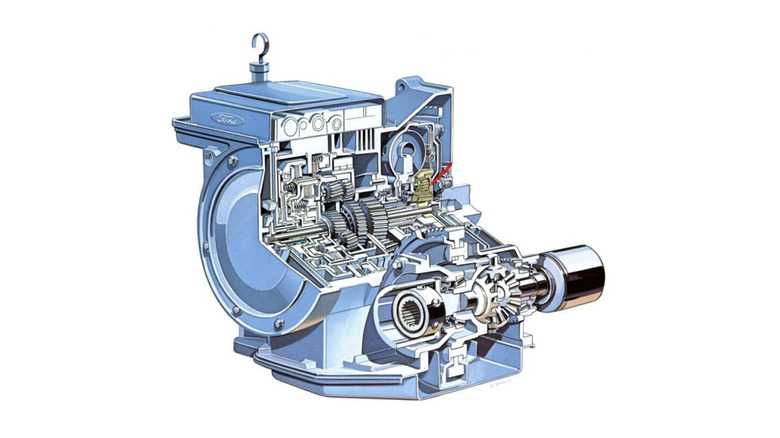
No, transaxle fluid is not always the same as standard transmission fluid, because a transaxle combines a transmission and a differential into a single housing unit. This combined layout often requires specialized heavy-duty gear oil or automatic fluid rather than conventional lubricants.
This guide covers fluid compatibility, key differences in vehicle designs, and how to choose the correct product for your car. Here is what you need to know about transaxle fluid versus transmission fluid.
Why Transaxle Fluid Differs From Standard Transmission Fluid
A standard rear-wheel-drive vehicle separates the transmission from the differential using a drive shaft. Front-wheel-drive vehicles merge these components into a single compact housing called a transaxle. This design forces the internal fluid to lubricate both shifting mechanisms and final drive ring gears simultaneously.

Because the same fluid bathes both high-speed transmission bearings and high-pressure gear teeth, the lubricant must endure extreme shear stress. Standard automatic transmission fluid works well for hydraulic pressure, but traditional gearboxes often demand higher film strength to protect heavily loaded gear meshes.
Transitioning from integrated automotive layouts brings us directly to how manual and automatic systems manage these distinct viscosity demands. Spotting the subtle color changes in your dipstick helps you catch contamination early.
Manual Transaxle vs Automatic Transaxle Lubricant Comparison
Manual and automatic transaxles operate on completely different mechanical principles. These differences require distinct fluid viscosities and chemical additive packages to ensure proper operation.
Manual Gearbox Viscosity
Manual transaxles rely on thick lubricants to cushion gear teeth during engagement. According to SAE J306 specifications, a 75W-90 gear oil delivers a high-viscosity film strength ranging from 13.5 to 24.0 cSt at 100°C, whereas GM Dexron VI automatic transmission fluid is engineered for a much thinner viscosity of approximately 6.0 cSt at the same temperature (machinerylubrication.com: Transmission vs.
Gear Oil Viscosities). Manual gearboxes typically require heavy gear oil rather than thin automatic fluid. This high viscosity protects synchronizers and prevents metal-on-metal contact under heavy loads.
Automatic Hydraulic Fluid
Automatic transaxles use specialized automatic transmission fluid to generate hydraulic pressure. This fluid operates torque converters, clutch packs, and valve bodies. Using heavy gear oil here would block hydraulic passages and destroy the unit.
Now that we have covered automotive gearboxes, let us examine how small engine equipment handles alternative lubrication standards.
How to Identify Hydrostatic Transaxle Fluid Needs
Riding lawn mowers and compact tractors use hydrostatic transaxles to control ground speed and direction. These units rely on internal hydraulic pumps and motors to transfer power smoothly without traditional gear shifting. According to 2025 maintenance guidelines from Hydro-Gear, popular zero-turn and lawn tractor transaxles typically require between 1.7 and 2.5 quarts of fluid, most commonly utilizing 15W-50 synthetic motor oil or 20W-50 conventional oil rather than standard automatic transmission fluid.
Many hydrostatic transaxle systems require specific synthetic motor oils rather than traditional automotive gear lubricants. Using standard automotive gear oil in a lawn mower transaxle can cause pump cavitation and overheating. Always verify whether your specific mowing equipment demands multi-viscosity engine oil or dedicated hydraulic fluid.
Putting the wrong fluid into any gearbox creates immediate mechanical vulnerabilities that shorten component lifespan. Ignoring those burning smells often leads to severe internal component damage down the road.
What Happens When You Use Wrong Transmission Fluid
Adding the incorrect fluid type to your transaxle leads to rapid mechanical degradation. If you put thin automatic transmission fluid into a heavy manual gearbox, the lack of film strength causes rapid gear wear and chipped teeth.
Conversely, putting thick gear oil into an automatic unit prevents hydraulic valves from moving correctly. This causes slipping clutch packs, excessive heat generation, and complete transmission failure within a short operating window.
Avoiding these costly mistakes requires careful verification of factory service documentation before you open any fluid bottles. Double-checking those strict OEM recommendations saves you from costly dealership repairs later.
When to Check Your Vehicle Manufacturer Service Manual
Consulting factory specifications prevents expensive maintenance mistakes. Vehicle manufacturers design transaxles with precise tolerances that demand exact fluid certifications. You can find your required fluid type listed on under-hood stickers or inside your owner manual.

Locating the correct dipsticks and fill plugs ensures you service the correct reservoir without overfilling. Interpreting fluid certification codes guarantees that aftermarket fluids match the exact frictional properties your gearbox requires for reliable operation in 2026. Routine seasonal maintenance keeps your drivetrain shifting smoothly through every temperature extreme.
7 Most Common Questions About Transaxle and Transmission Fluids
Can I Use Regular Engine Oil in a Manual Transaxle?
No, you should not use standard engine oil in a manual transaxle unless explicitly approved by the manufacturer. Manual gearboxes require extreme pressure gear oils that handle high shear forces on gear teeth much better than standard motor oil.
What Happens If I Put Gear Oil in an Automatic Transmission?
Putting gear oil in an automatic transmission will quickly destroy the unit because it is too thick to operate the hydraulic control valves and clutch packs properly. Automatic gearboxes require low-viscosity hydraulic automatic transmission fluid.
Is Front Wheel Drive Transmission Fluid the Same as Transaxle Fluid?
Yes, in front-wheel-drive vehicles, the transmission and differential are housed together as a transaxle, meaning the front-wheel-drive transmission fluid fills that entire integrated housing unit according to factory specs.
Can I Mix Automatic Transmission Fluid and Gear Oil?
No, you must never mix automatic transmission fluid and gear oil together. Doing so alters the viscosity and chemical additives, leading to poor lubrication, excessive heat generation, and internal component failure.
What Fluid Does a Riding Lawn Mower Transaxle Take?
Many modern riding lawn mower transaxles take 20W-50 motor oil or specific synthetic hydraulic oils rather than automotive gear oil. Always check your specific mower model deck label or manual before adding fluid.
When to Change Your Vehicle Transmission and Transaxle Fluid
Transaxles combine transmission and differential systems into one assembly that requires careful fluid selection. Manual and automatic systems require entirely different lubricant viscosities to function without mechanical failure. Checking your service manual prevents catastrophic gearbox damage and keeps your vehicle running smoothly.
Grab your owner manual, verify your exact gearbox specification, and purchase the recommended fluid type before starting your service.