What is the Difference between a Standard And Intermediate SUV: Key Insights
Are you thinking about buying an SUV but feel confused by all the different types? You’re not alone.
When it comes to choosing between a standard and an intermediate SUV, the differences might seem small but can have a big impact on your driving experience, comfort, and budget. Understanding these key distinctions will help you pick the right vehicle that fits your lifestyle perfectly.
Keep reading to discover what sets these two SUV categories apart and how to choose the one that’s just right for you.

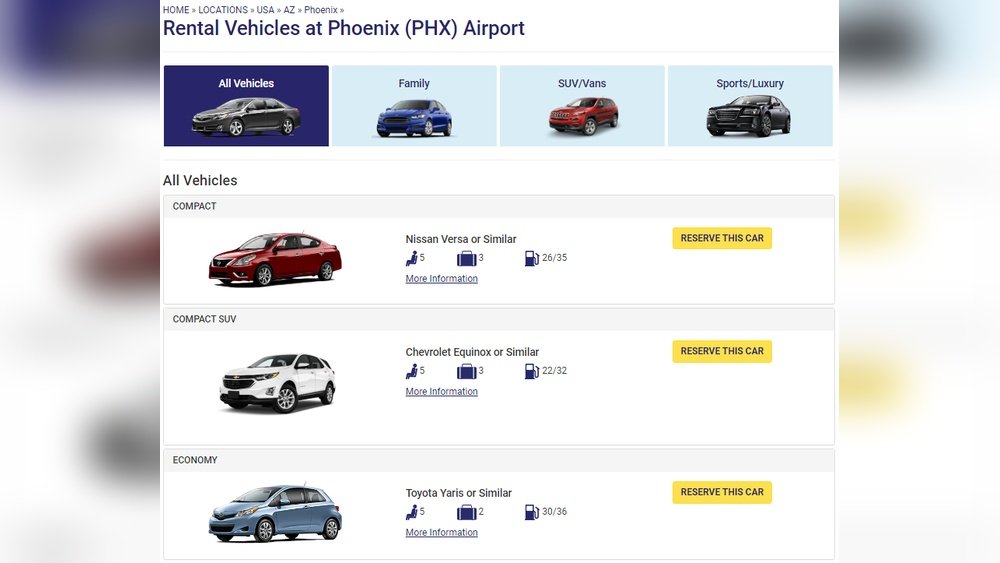
Credit: www.rentdirectuk.com
Size And Dimensions
Size and dimensions are key factors that separate standard SUVs from intermediate SUVs. These measurements affect how the vehicle fits on the road, in a garage, and how comfortable it feels inside. Understanding these differences helps when choosing the right SUV for your needs.
Exterior Measurements
Standard SUVs are larger in length and width compared to intermediate SUVs. They often have a longer wheelbase, which means more space between the front and rear wheels. This size makes them look bigger and sometimes harder to park in tight spots. Intermediate SUVs are more compact, easier to drive in cities, and fit better in smaller parking spaces.
Interior Space
Inside, standard SUVs offer more room for passengers and cargo. They usually have three rows of seats, allowing seven or eight people to sit comfortably. Intermediate SUVs often have two rows of seats with space for five passengers. The cargo area in intermediate SUVs is smaller, but easier to access and manage for daily use.
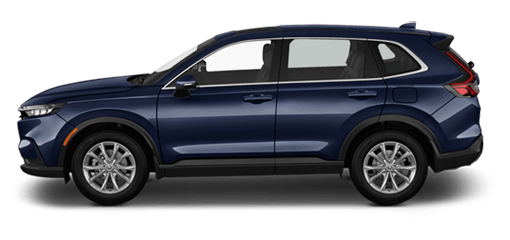
Credit: www.budget.com
Performance And Engine Options
Performance and engine options shape the driving experience of SUVs. Standard and intermediate SUVs differ in these areas. Understanding these differences helps choose the right vehicle for your needs. The following sections explain how power, fuel efficiency, handling, and drive types vary.
Power And Fuel Efficiency
Standard SUVs usually have smaller engines. They focus on fuel efficiency and city driving. These engines often range from four to six cylinders. They deliver enough power for daily use and light hauling.
Intermediate SUVs offer larger engines with more horsepower. Many come with turbocharged or V6 options. They handle heavier loads and rougher terrain better. Fuel efficiency is lower than standard SUVs but still reasonable.
Handling And Drive Types
Standard SUVs often come with front-wheel drive. This setup works well for smooth roads and mild weather. They are easier to park and maneuver in tight spaces.
Intermediate SUVs usually offer all-wheel or four-wheel drive. These systems improve traction on slippery or off-road surfaces. They provide better control in snow, mud, or uneven ground. Handling is more stable at higher speeds and rough conditions.
Features And Technology
Features and technology play a big role in choosing between a standard and intermediate SUV. These vehicles offer different levels of comfort, safety, and entertainment. Understanding their technology helps buyers pick the right SUV for their needs.
Safety Features
Standard SUVs come with basic safety tools like airbags and anti-lock brakes. They focus on protecting passengers in common driving situations. Intermediate SUVs add extra safety tech. They often include lane departure warnings, blind-spot detection, and automatic emergency braking. These features help avoid accidents and keep drivers alert.
Infotainment Systems
Standard SUVs have simple infotainment systems. They usually offer Bluetooth and basic touchscreen controls. Intermediate SUVs provide bigger screens and more connection options. You can find Apple CarPlay, Android Auto, and multiple USB ports. These systems make driving more enjoyable and keep everyone connected on the road.
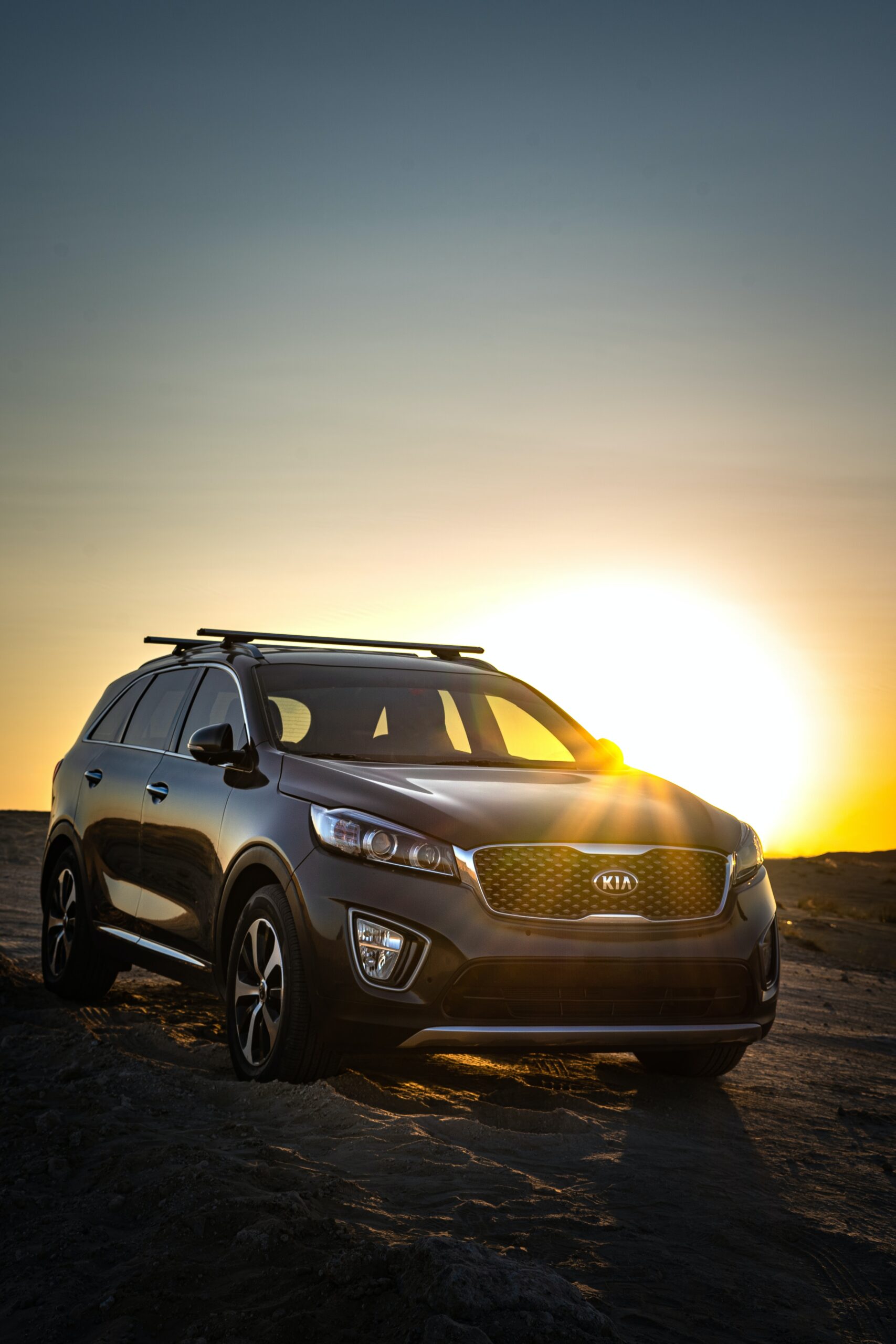
Credit: advantage.com
Pricing And Value
Pricing and value play a major role in choosing between a standard and an intermediate SUV. Buyers want to know what fits their budget and what offers the best return. Both types of SUVs have different price points and long-term value. Understanding these differences helps make a smart choice.
Cost Comparison
Standard SUVs usually cost more upfront. They have bigger engines and more features. Intermediate SUVs are smaller and often less expensive. They fit well for daily use and city driving. Fuel costs for intermediate SUVs tend to be lower. Maintenance can also be cheaper due to simpler parts.
Price depends on brand, model, and trim level. Extras like safety features and technology add to the cost. Buyers should consider what features they need versus what they want. Budgeting carefully prevents overspending on unwanted options.
Resale Value
Resale value matters for long-term ownership costs. Standard SUVs hold their value well, especially popular models. Their size and power remain attractive to many buyers. Intermediate SUVs can depreciate faster but still keep good value if well maintained.
Market demand impacts resale prices. SUVs that are fuel-efficient and reliable often sell better. Regular maintenance and clean condition boost resale value. Choosing a model with strong resale history is wise for future savings.
Ideal Uses And Buyers
Choosing between a standard and an intermediate SUV depends on your lifestyle and needs. Each type suits different buyers and uses. Understanding these differences helps pick the right vehicle.
Family Needs
Standard SUVs offer more space for larger families. They have extra seats and bigger cargo areas. Ideal for those who often travel with kids and gear. Intermediate SUVs fit smaller families or couples. They provide enough room without being too large. Both types offer safety features for family trips.
Off-road And Urban Driving
Intermediate SUVs are easier to handle in city traffic. Their smaller size helps with parking and tight spaces. They usually have good fuel efficiency for daily drives. Standard SUVs perform better on rough roads. Their stronger build and higher ground clearance aid off-road trips. Perfect for buyers who enjoy outdoor adventures.
Frequently Asked Questions
What Defines A Standard Suv Compared To An Intermediate Suv?
A standard SUV is larger and offers more passenger and cargo space. Intermediate SUVs are smaller, easier to drive, and better for city use.
How Do Fuel Efficiencies Differ Between These Suv Types?
Intermediate SUVs usually have better fuel efficiency due to their smaller size. Standard SUVs tend to consume more fuel because they are heavier and larger.
Which Suv Size Is Better For Family Trips?
Standard SUVs are often preferred for family trips because they provide more room. Intermediate SUVs work well for smaller families or shorter trips.
Are The Prices Different Between Standard And Intermediate Suvs?
Yes, standard SUVs generally cost more due to their size and features. Intermediate SUVs are usually more affordable and have lower maintenance costs.
What About Safety Features In Standard Vs. Intermediate Suvs?
Both SUV types offer good safety features, but standard SUVs may have more advanced options. Check specific models for details, as safety varies widely.
Conclusion
Choosing between a standard and intermediate SUV depends on your needs. Standard SUVs offer more space and power. Intermediate SUVs are easier to park and use less fuel. Both types provide comfort and safety for families. Think about how often you drive and what you carry.
Size, budget, and fuel efficiency matter most. Each has its strengths and fits different lifestyles. Now, you can decide which SUV suits you best.