Should I Replace My Transmission Or Buy A New Car 2026
Determining whether you should replace my transmission or buy a new car comes down to a strict financial showdown between massive repair bills and long-term vehicle depreciation. Since a brand-new vehicle loses roughly 20 percent of its value the second you drive it off the lot, keeping your current ride running is often the smarter math.
Here is what you need to know about comparing repair costs, assessing your current car’s actual market value, and calculating your future reliability.
Transmission Replacement Cost vs Car Value for 2026
When you ask yourself whether you should replace my transmission or buy a new car, you must first look at the hard numbers. A typical transmission rebuild or replacement ranges from According to 2026 data from AAA, the average cost for a complete transmission replacement ranges from $4,000 to $7,500 including labor, depending heavily on the make and model of the vehicle .
$3,000 to $7,000 depending on your make and model. That is a steep bill to swallow all at once.
You need to weigh that repair quote directly against your vehicle market value. If your car is only worth $2,500 on the private market, investing $5,000 into a new transmission creates negative equity instantly. However, if your car is worth $8,000, repairing it preserves your existing investment without adding new debt.
Before making your final choice, you should evaluate what else might break next. Let us examine the specific warning signs your vehicle gives you before a complete breakdown occurs.
5 Major Signs of Failing Transmission Before Deciding
Recognizing early mechanical symptoms helps you determine if your transmission is truly failing or simply low on fluid. Catching these issues early might save you from a complete unit replacement.
- Slipping gears that cause your engine revs to spike unexpectedly while driving.
- Delayed engagement when shifting into drive or reverse from a complete stop.
- Unusual grinding or whining noises coming from underneath your vehicle floorboards.
- Dark red or brown fluid puddles pooling underneath your parking spot.
- The check engine light illuminating alongside erratic automatic shifting behavior.
If your car exhibits multiple severe symptoms, a rebuild or swap is likely inevitable. Next, we need to run the mathematical comparison against dealership lot financing.
How to Calculate Repair Cost Versus New Car Payments
Running a cold financial calculation removes emotion from your automotive dilemma. Take your estimated repair quote and divide it by twelve months to see your cost per month of extended vehicle life. According to a Q3 2024 automotive finance report by Experian, the average monthly payment for a new vehicle reached $735, compared to $532 for used cars (Experian State of the Automotive Finance Market).
Recent data shows average new car payments hovering around $700 monthly plus higher insurance premiums.
Compare that new car baseline against your repair cost. Spending $4,000 on a new transmission equals less than six months of new car payments. If your repaired car lasts you another two years, you save thousands of dollars in principal and interest.
Your ongoing transportation budget dictates whether cash outlays or monthly debt serves you best. Now we should examine the specific tiers available when shopping for transmission work. Crunching those monthly numbers makes sense, but the type of replacement unit you choose changes the entire financial picture.
Rebuilt Transmission vs Brand New Transmission Options
Choosing the right type of transmission replacement alters your total out-of-pocket expenses significantly. A brand-new OEM transmission comes straight from the factory with a high price tag. A remanufactured unit offers a middle-ground solution with upgraded internal components and solid warranties.
Local independent mechanic rebuilds offer the lowest upfront cost, but warranty coverage varies wildly. Remanufactured transmissions usually carry a three-year nationwide warranty that protects your investment across state lines. Weighing these warranty terms helps ensure your cash keeps working for you long after leaving the shop.
Even the best warranty cannot save a car that suffers from deep structural decay. Let us look at the boundary lines where repairing stops making economic sense. Opting for a factory-fresh unit is one path, but completely scrapping the vehicle might be the more practical reality.
When to Scrap Your Car Instead of Fixing It
Certain mechanical and structural red flags mean your vehicle is past the point of economic rescue. Severe frame rust compromises your safety in a collision, making any expensive mechanical repair unsafe. If your engine burns excessive oil or suffers from constant head gasket leaks, a new transmission only buys you a few weeks of temporary relief.
Repeated component failures drain your savings account faster than a single major repair. When your suspension, steering, and electrical systems all fail simultaneously, putting a transmission in the vehicle becomes a losing battle. Knowing when to cut your losses allows you to direct those funds toward a reliable down payment instead.
Evaluating your mechanical reality requires honesty about your vehicle past maintenance history. Let us review the most common questions car owners ask when facing this expensive dilemma. Tossing the keys away solves the repair dilemma, though drivers still wrestle with a handful of lingering doubts about transmission swaps.
7 Most Common Questions About Transmission Replacement Costs
How Long Does a Car Last After a New Transmission Is Installed?
A properly maintained transmission can easily last another 100,000 miles or roughly six to eight years of normal driving. Your total vehicle longevity will depend heavily on the condition of the engine, suspension, and overall body frame supporting the new unit.
Is It Ever Worth Putting a 4000 Dollar Transmission in a 3000 Dollar Car?
Putting a costly transmission into an older car is rarely worthwhile purely from a market value perspective. However, if the vehicle is paid off and you cannot afford a new car down payment, spending $4,000 to buy another year or two of reliable transportation can still make financial sense.
What Else Usually Breaks After Replacing a High Mileage Transmission?
High mileage vehicles frequently experience secondary failures in the cooling system, suspension bushings, and alternator soon after a major transmission replacement. The sudden surge in power and shifting pressure often stresses older auxiliary engine components that were already worn down.
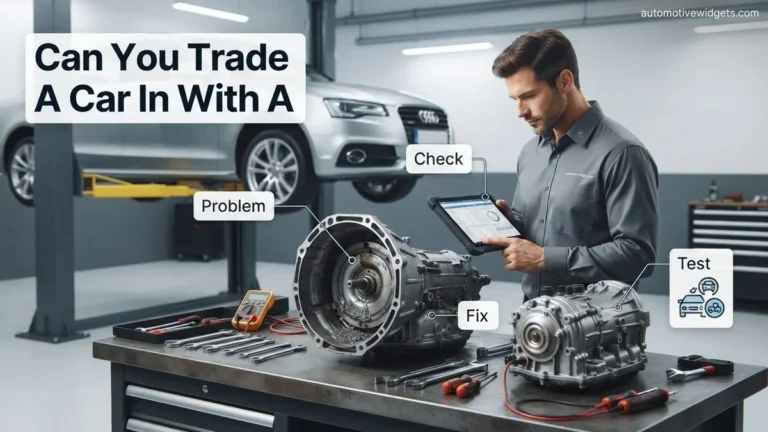
Should I Trade in My Car With a Broken Transmission?
Trading in a car with a broken transmission is often an option at large dealerships, but you will receive a heavily discounted wholesale price. Dealerships subtract the estimated repair cost directly from the trade in value, leaving you with very little equity to put toward your next vehicle.
How Can I Check If My Transmission Failure Is Covered Under Warranty?
You should check your vehicle manufacturer powertrain warranty limits, which often cover transmissions up to five or 60,000 miles, or up to ten years on specific makes. If you purchased an extended service contract or used car warranty, review your policy booklet to verify if mechanical breakdowns are included.
Getting clear answers to these major repair questions will finally help you decide whether to fix the car or trade it in.
Making Your Final Automotive Choice
Navigating a failing transmission requires balancing current repair expenses against the realities of today’s [anchor text: used car market conditions] and rising interest rates. Compare your transmission repair bill against current vehicle equity to see if you retain positive value. Factor in ongoing monthly car payments versus a single repair cost before visiting a showroom floor.
Get two independent mechanic quotes and run the math before heading to a dealership lot.