What is the Difference between Red Antifreeze And Green Antifreeze: Key Facts Revealed
Are you confused about the difference between red antifreeze and green antifreeze? You’re not alone.
Choosing the right antifreeze for your vehicle can protect your engine and save you from costly repairs. But how do you know which one is right for your car? This article will clear up the mystery and help you understand the key differences so you can make the best choice.
Keep reading—you’ll find out exactly what each type does and why it matters for your vehicle’s health.
Credit: parts.olathetoyota.com
Types Of Antifreeze Colors
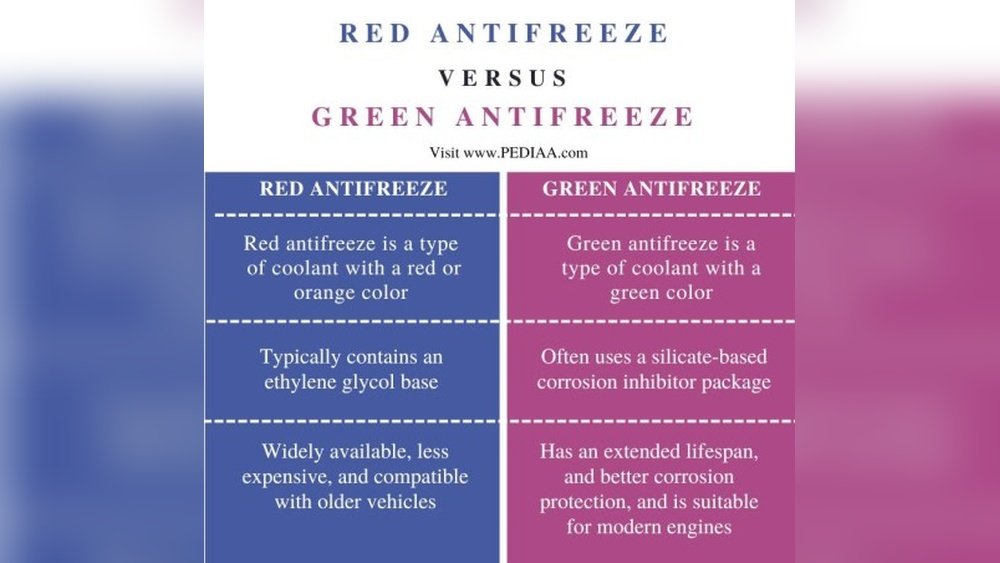
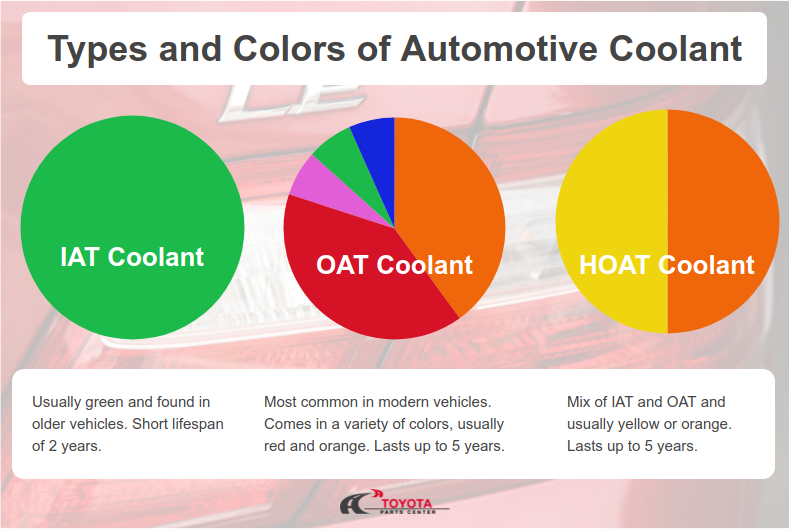
Red antifreeze is usually organic acid technology (OAT), lasting longer and protecting newer engines. Green antifreeze often uses inorganic additives, suitable for older cars but needs more frequent changes. Each type works differently to prevent engine damage and corrosion.
Antifreeze comes in different colors. Each color means a different type of chemical inside.
The main colors you will see are red and green. They protect your car’s engine from freezing and overheating.
Choosing the right color matters. It keeps the engine safe and running smoothly.
Red Antifreeze
Red antifreeze usually contains Organic Acid Technology (OAT). It lasts longer than traditional types.
This type protects against rust and corrosion well. It is common in newer cars.
Red antifreeze often needs to be changed every five years or 150,000 miles.
Green Antifreeze
Green antifreeze uses Inorganic Acid Technology (IAT). It is the older, traditional type.
It protects the engine but needs changing more often. Usually, every two years or 30,000 miles.
Green antifreeze is common in older cars and some trucks.

Credit: belmontlubricants.com
Chemical Composition Differences
Red and green antifreeze have different chemical formulas. These differences affect how each works inside your vehicle’s engine.
Understanding the chemical makeup helps in choosing the right antifreeze for your car. It also explains why they are not interchangeable.
Chemical Base Of Red Antifreeze
Red antifreeze mainly uses organic acid technology (OAT). It contains organic acids and inhibitors. These protect the engine from rust and corrosion. OAT formulas last longer and are less toxic.
Chemical Base Of Green Antifreeze
Green antifreeze uses inorganic additive technology (IAT). It contains silicates, phosphates, and other minerals. These form a protective layer inside the engine. IAT antifreeze needs more frequent changes.
Impact On Engine Compatibility
The different chemicals affect engine parts differently. Red antifreeze is better for newer cars. Green antifreeze suits older vehicles with classic engines. Mixing them can cause damage or reduce protection.
Performance And Protection
Performance and protection are key factors when choosing antifreeze. They affect engine health and efficiency. Red and green antifreeze differ in these areas. Understanding these differences helps you pick the right coolant for your car.
Red Antifreeze Performance
Red antifreeze uses organic acid technology (OAT). It lasts longer than traditional antifreeze. It protects against rust and corrosion effectively. This type works well in newer cars. It keeps the engine clean and free from deposits. Red antifreeze handles high temperatures better. It maintains its protective qualities over time.
Green Antifreeze Performance
Green antifreeze relies on inorganic additives. It offers solid protection but for a shorter period. It suits older vehicles with different cooling needs. This coolant prevents rust and scale build-up. It requires regular replacement to keep engines safe. Green antifreeze works best in standard driving conditions.
Protection Differences Between Red And Green Antifreeze
Red antifreeze protects metal parts longer. It guards against corrosion in aluminum and steel. Green antifreeze provides basic protection but breaks down faster. It can cause deposits if not changed often. Red antifreeze reduces wear on engine components. Green antifreeze needs more frequent checks and changes.

Credit: dfwkwikkar.com
Compatibility With Vehicles
Choosing the right antifreeze depends a lot on your vehicle. Different cars need different types of antifreeze to run well. Using the wrong type can cause damage or reduce performance. Understanding the compatibility of red and green antifreeze with vehicles helps avoid these issues.
Compatibility Of Red Antifreeze With Vehicles
Red antifreeze usually contains organic acid technology (OAT). It works well with many newer cars, especially those from Asian and American brands. It lasts longer and protects engines from rust and corrosion. Many modern vehicles need red antifreeze for best results.
Compatibility Of Green Antifreeze With Vehicles
Green antifreeze often uses inorganic additive technology (IAT). It suits older cars and some European models. It provides strong protection but needs more frequent changes. Classic and older vehicles typically require green antifreeze for proper cooling system care.
Mixing Red And Green Antifreeze In Vehicles
Mixing red and green antifreeze is not safe. They have different chemicals that can react badly. This can reduce coolant effectiveness and cause engine damage. Always use the type your vehicle manufacturer recommends to keep the engine safe.
Choosing The Right Antifreeze
Choosing the correct antifreeze protects your engine from damage. It keeps the engine cool in summer and prevents freezing in winter. Using the wrong type can cause corrosion or overheating. Knowing the difference between red and green antifreeze helps you select the best one.
Each antifreeze type has specific chemicals for different engines. Red antifreeze often uses organic acid technology. Green antifreeze usually contains inorganic additives. These differences affect compatibility and performance.
Check Your Vehicle’s Manual
The vehicle manual shows the recommended antifreeze type. Follow the instructions carefully. Using the wrong antifreeze can void your warranty. Manuals often specify color or chemical type.
Consider Your Engine Type
Modern engines often need red antifreeze. It lasts longer and resists corrosion better. Older engines may work well with green antifreeze. It provides good protection but needs more frequent changes.
Think About Climate
Both antifreezes protect against freezing and overheating. Red antifreeze handles extreme temperatures better. Green antifreeze suits moderate climates. Choose based on your local weather conditions.
Mixing Antifreeze Types
Avoid mixing red and green antifreeze. Mixing can cause sludge and damage. Always drain old fluid before adding a new type. Keep your cooling system clean for best results.
Frequently Asked Questions
What Is The Main Difference Between Red And Green Antifreeze?
Red antifreeze uses organic acid technology (OAT) for long life. Green antifreeze has traditional inorganic additives and needs more frequent changes.
Can Red And Green Antifreeze Be Mixed Safely?
Mixing red and green antifreeze is not recommended. It can cause chemical reactions that reduce cooling efficiency and damage the engine.
Which Antifreeze Lasts Longer: Red Or Green?
Red antifreeze lasts longer, usually 5 years or 150,000 miles. Green antifreeze typically lasts 2 years or 30,000 miles.
Are Red And Green Antifreeze Compatible With All Cars?
No. Red is for newer vehicles with aluminum parts. Green suits older cars with iron or steel cooling systems.
How Do Red And Green Antifreeze Affect Engine Protection?
Red antifreeze provides better corrosion protection for modern engines. Green antifreeze protects older engines but may not guard aluminum parts well.
Conclusion
Red and green antifreeze protect your engine in different ways. Red antifreeze lasts longer and suits newer cars. Green antifreeze works well for older models but needs more frequent changes. Using the right type keeps your engine safe and running smoothly.
Always check your car’s manual before choosing antifreeze. Mixing the two can cause damage and reduce cooling. Knowing the difference helps you maintain your car better. Choose carefully to avoid costly repairs and stay safe on the road.