When Installing a Car Battery Which Terminal Goes on First: Expert Guide
When you’re installing a car battery, one simple step can make all the difference between a smooth start and a frustrating problem. Do you know which terminal to connect first?
It might seem like a small detail, but connecting the wrong terminal first can cause sparks, damage your car’s electrical system, or even put you at risk of injury. You’ll discover the exact order to follow when installing your car battery, why it matters, and some easy safety tips to keep you and your vehicle protected.
Keep reading—getting this right will save you time, hassle, and money.
Choosing The Right Battery
Choosing the right battery for your car is important. It affects your vehicle’s performance and safety. A battery that fits well and works with your car keeps the engine running smoothly. This section helps you understand what to look for when picking a battery.
Battery Types And Sizes
Car batteries come in different types. The most common are lead-acid and AGM (Absorbent Glass Mat). Lead-acid batteries are affordable and work well in most cars. AGM batteries last longer and handle power demands better. Choose the type that matches your needs and budget.
Battery size matters too. Batteries come in groups defined by size, terminal locations, and power. Check your vehicle’s manual to find the right group size. A battery that is too big or small may not fit or connect properly.
Checking Compatibility With Your Vehicle
Compatibility means the battery works safely with your car’s electrical system. Look for the correct voltage, usually 12 volts for most cars. Also, check the Cold Cranking Amps (CCA). This number shows how well the battery starts the engine in cold weather.
Some cars need special batteries for high electrical demands. Verify the battery type your car needs by checking the owner’s manual or manufacturer’s website. Using the wrong battery can cause problems or damage your vehicle.
Credit: www.tycorun.com
Safety Precautions Before Installation
Safety is the top priority when installing a car battery. Batteries contain acid and electrical energy that can cause harm. Taking the right steps before installation helps prevent injuries and damage. Follow these important safety rules to protect yourself and your vehicle.
Wearing Protective Gear
Always wear gloves to protect your hands from battery acid. Safety glasses keep your eyes safe from splashes. Wear long sleeves to cover your arms. Avoid loose clothing that can catch on parts. Proper gear reduces the risk of burns and cuts.
Disconnecting The Old Battery Safely
Start by turning off the car and removing the keys. Always disconnect the negative terminal first. This stops any electrical current from flowing. Then, remove the positive terminal carefully. Keep metal tools away from battery terminals. This prevents sparks and short circuits.
Connecting Battery Terminals
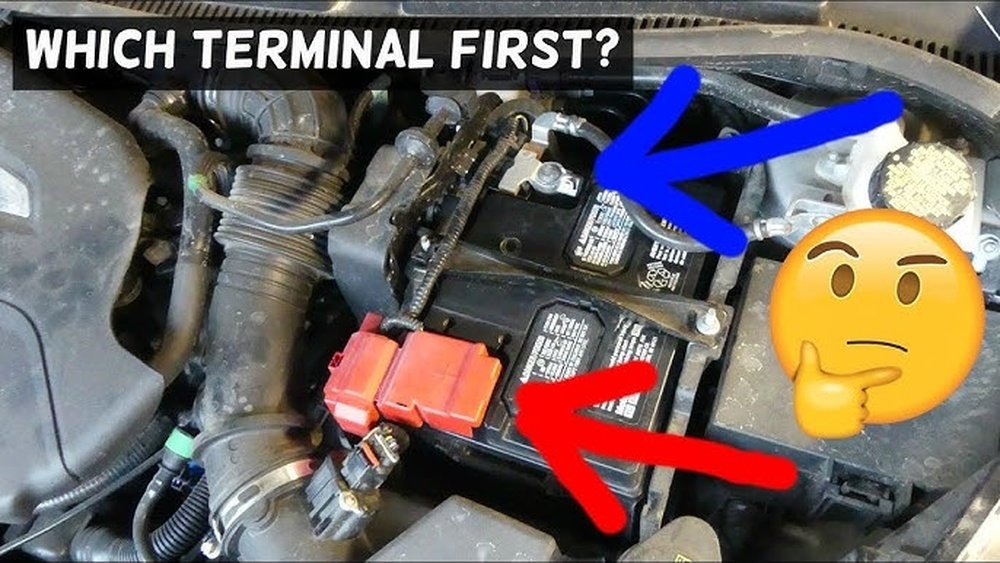
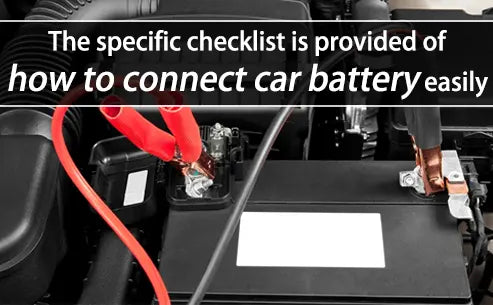
Start by connecting the positive terminal first when installing a car battery. Then attach the negative terminal to avoid sparks and ensure safety. Proper order helps protect both you and the vehicle’s electrical system.
Positive Terminal First
Start by connecting the positive terminal. It usually has a red cover or a plus (+) sign. Attach the positive cable securely to the battery’s positive post. This step helps prevent sparks during installation. Tighten the clamp firmly but avoid over-tightening. A loose connection can cause starting problems. A good connection ensures proper power flow to your car.
Negative Terminal Last
After the positive terminal is secure, connect the negative terminal. It often has a black cover or a minus (−) sign. Attach the negative cable to the battery’s negative post carefully. Tighten this clamp just like the positive side. Connecting the negative terminal last reduces the risk of short circuits. It makes the installation safer for you and the vehicle.

Credit: www.tycorun.com
Testing And Maintenance Tips
Testing and maintaining your car battery is important for a long-lasting and reliable power source. Proper care helps avoid unexpected breakdowns and keeps your vehicle running smoothly. Simple steps can improve battery life and performance.
Ensuring Proper Connection
Check battery terminals for tightness. Loose connections cause starting problems and electrical issues. Use a wrench to secure terminals firmly but avoid overtightening. Clean terminals with a wire brush to remove corrosion. Corrosion blocks the flow of electricity and reduces battery efficiency.
Always connect the positive terminal first during installation. This prevents short circuits and sparks. After connecting the positive terminal, attach the negative terminal. Follow the reverse order when removing the battery.
Regular Battery Care
Inspect the battery regularly for cracks or leaks. Replace damaged batteries immediately to avoid hazards. Keep the battery clean and dry to prevent corrosion. Wipe off dirt and moisture with a clean cloth. Check battery voltage with a multimeter. A healthy battery usually reads around 12.6 volts when the engine is off.
Drive your car regularly to keep the battery charged. If the car sits unused for long periods, consider using a trickle charger. This device maintains battery charge without overcharging.

Credit: www.youtube.com
Frequently Asked Questions
Which Car Battery Terminal Should Be Connected First?
Connect the positive terminal first when installing a car battery. This reduces the risk of sparks and short circuits. The positive terminal is usually marked with a plus (+) sign.
Why Connect The Positive Terminal Before The Negative?
Connecting the positive terminal first helps prevent accidental grounding. This step protects you and the vehicle’s electrical system. It also makes the installation safer and easier.
What Happens If I Connect The Negative Terminal First?
Connecting the negative terminal first can cause sparks or short circuits. It increases the risk of electric shock or damaging the car’s electronics. Always start with the positive terminal to stay safe.
How To Safely Disconnect A Car Battery?
Disconnect the negative terminal first to break the circuit safely. Then remove the positive terminal. This order prevents sparks and protects you during battery removal.
Can Reversing Battery Terminals Damage The Car?
Yes, reversing terminals can harm the car’s electrical system. It may blow fuses or damage sensitive components. Always check terminal polarity before connecting the battery.
Conclusion
Always connect the positive terminal first when installing a car battery. This helps prevent sparks and keeps you safe. Next, attach the negative terminal to complete the setup. Double-check that both terminals are tight and secure. Taking these steps makes your battery work better and lasts longer.
Remember, a simple order can save you trouble and keep your car running smoothly. Easy and safe—just the way it should be.