What is the Difference between Standard And Intermediate SUV: Key Insights
Are you trying to choose the perfect SUV but feel confused by terms like Standard and Intermediate? You’re not alone.
Knowing the difference between these two types can save you time, money, and a lot of frustration. This guide will clear up the confusion and help you understand which SUV fits your needs best. Keep reading—you’re about to make your decision a whole lot easier.

Credit: www.rentdirectuk.com
Size And Dimensions
Size and dimensions play a key role in choosing between a standard and an intermediate SUV. These factors affect comfort, parking, and driving ease. Understanding the differences helps pick the right SUV for your needs. Below, we break down the main size aspects of both types.
Exterior Measurements
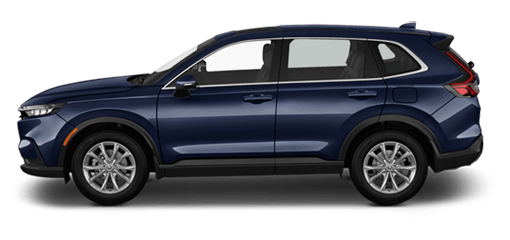
Standard SUVs are usually larger in length and width. They often measure over 190 inches long. Intermediate SUVs tend to be smaller, around 180 inches or less. Height can vary, but standard SUVs are often taller. These size differences affect how easy the vehicle is to park and drive in tight spaces.
Interior Space
Standard SUVs offer more room inside for passengers. They can comfortably seat five to seven people. Intermediate SUVs provide enough space for five passengers. The legroom and headroom are usually more limited in intermediate models. This can impact comfort during long trips.
Cargo Capacity
Standard SUVs have larger cargo areas, ideal for carrying big loads. They often offer over 40 cubic feet of space behind the second row. Intermediate SUVs have less cargo space, typically around 30 cubic feet. Folding seats can increase cargo room in both types, but standard SUVs still hold more gear.
Credit: www.budget.com
Performance And Engine Options
Performance and engine options play a big role in choosing between a standard and an intermediate SUV. These factors affect how the vehicle drives, handles, and what it can do. Understanding engine types, fuel efficiency, and towing capabilities helps to decide which SUV fits your needs.
Engine Types
Standard SUVs often have smaller engines. They usually come with four-cylinder or V6 engines. Intermediate SUVs tend to offer more powerful options. Many come with V6 or even V8 engines. The stronger engines in intermediate SUVs deliver better acceleration and more power for tough jobs.
Fuel Efficiency
Standard SUVs generally use less fuel. Their smaller engines are more efficient on highways and city roads. Intermediate SUVs consume more fuel due to bigger engines. Yet, some models have advanced technology to improve mileage. Choosing between power and fuel savings depends on your daily drive.
Towing Capabilities
Standard SUVs can tow light loads. They usually handle small trailers or boats. Intermediate SUVs have higher towing limits. They are better for hauling heavy trailers or campers. If towing is important, an intermediate SUV offers more strength and stability.
Features And Technology
Features and technology define the experience of driving an SUV. Standard and intermediate SUVs differ in these areas. These differences affect safety, entertainment, and comfort. Buyers should consider these factors carefully.
Safety Systems
Standard SUVs come with basic safety features like airbags and stability control. Intermediate SUVs often include advanced systems. These can be blind-spot monitoring, lane-keeping assist, and adaptive cruise control. Such features help prevent accidents and improve driver confidence.
Infotainment Options
Standard SUVs usually offer simple audio systems and basic touchscreens. Intermediate SUVs provide larger screens with better resolution. They also support smartphone integration like Apple CarPlay and Android Auto. Some models include navigation and voice control for easier use.
Comfort And Convenience
Standard SUVs focus on essential comfort features. These include manual seat adjustments and basic climate control. Intermediate SUVs add more luxury. They offer power-adjustable seats, dual-zone climate control, and extra storage spaces. These upgrades create a more pleasant ride for all passengers.
Price And Market Position
Price and market position are key factors to understand the difference between standard and intermediate SUVs. These aspects influence what buyers expect and how much they pay. Both types serve different needs and budgets.
Price Range Comparison
Standard SUVs usually cost less than intermediate SUVs. Prices for standard models start around $25,000. Intermediate SUVs often begin near $35,000 and can go higher. The price difference reflects size, features, and performance.
Target Buyers
Standard SUVs appeal to budget-conscious buyers. They want a reliable vehicle for daily use and family trips. Intermediate SUVs attract buyers who want more space and luxury. These buyers are ready to pay extra for added comfort and technology.
Resale Value
Intermediate SUVs tend to hold their value better over time. Their higher price and better features keep demand strong. Standard SUVs may depreciate faster due to lower initial cost. Still, both types offer reasonable resale value with proper care.

Credit: www.youtube.com
Frequently Asked Questions
What Size Difference Exists Between Standard And Intermediate Suvs?
Standard SUVs are generally larger, offering more passenger and cargo space than Intermediate SUVs. Intermediate SUVs are more compact, making them easier to park and maneuver in tight spaces.
How Do Fuel Efficiencies Compare Between Standard And Intermediate Suvs?
Intermediate SUVs usually have better fuel efficiency due to their smaller size and lighter weight. Standard SUVs tend to consume more fuel but offer more power and capacity.
Which Suv Type Is Better For Family Use?
Standard SUVs provide more seating and storage, ideal for larger families or longer trips. Intermediate SUVs work well for smaller families or daily city driving.
What Are The Typical Price Differences Between These Suv Classes?
Standard SUVs generally cost more because of their size and features. Intermediate SUVs are more budget-friendly while still offering good comfort and utility.
How Do Driving Experiences Differ Between Standard And Intermediate Suvs?
Standard SUVs often feel heavier and less nimble but more stable on highways. Intermediate SUVs offer easier handling and better agility in urban settings.
Conclusion
Standard SUVs offer more space and power for families and long trips. Intermediate SUVs are easier to park and use less fuel daily. Both types provide comfort and safety features. Choose based on your needs and driving habits. Understanding these differences helps pick the right SUV for you.
Simple choices make driving more enjoyable.