How to Stop Front Wheels from Spinning When Changing Tires: Expert Tips
Are you tired of your front wheels spinning uncontrollably when you’re trying to change your tires? It’s a common frustration that can slow you down and make the job harder than it needs to be.
But what if you could stop that spinning right away and make the process smooth and safe? You’ll discover simple, practical steps to keep your front wheels steady and secure while changing your tires. Keep reading, and you’ll learn how to save time, avoid damage, and feel confident the next time you tackle this task.

Credit: www.youtube.com
Causes Of Front Wheel Spinning
Front wheel spinning during a tire change can cause frustration and delay. Understanding the causes helps you fix the problem fast. Knowing what makes the wheels spin can improve safety and ease the tire changing process.
Common Tire Change Issues
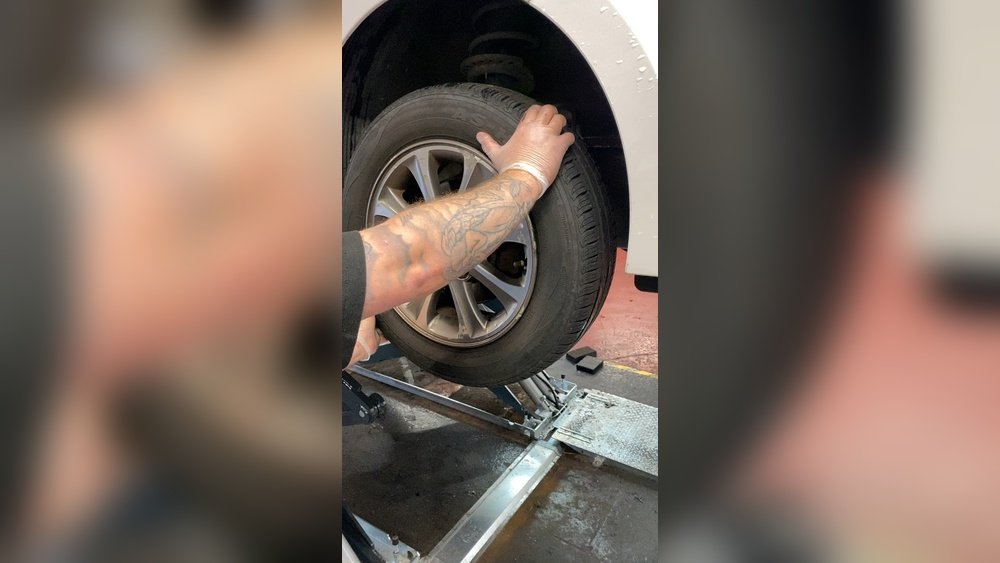
Loose lug nuts cause the wheel to slip and spin. Improperly seated tires do not grip the hub well. Worn or damaged wheel bearings lead to uneven rotation. Using the wrong jack placement can shift the wheel. These issues often cause the front wheels to spin during changes.
Impact Of Surface Conditions
Soft or slippery ground reduces traction under the wheels. Mud, ice, or wet surfaces make the wheels lose grip. Uneven surfaces can cause the car to tilt and shift. Hard, flat ground gives the best support for tire changes. Surface conditions play a key role in preventing wheel spinning.

Credit: www.reddit.com
Tools To Prevent Wheel Spin
Stopping the front wheels from spinning is key when changing tires. Certain tools help keep your vehicle steady. These tools prevent slipping and make the job safer and easier. Below are two common tools that work well to stop wheel spin.
Using Wheel Chocks
Wheel chocks are simple blocks placed behind or in front of the wheels. They stop the wheels from moving. Made from rubber or plastic, they grip the ground firmly. Place chocks on the opposite side of the tire you are changing. This prevents the car from rolling or spinning. They are easy to use and very effective on flat surfaces.
Leveraging Traction Mats
Traction mats provide extra grip under the tires. They are made from rough, durable materials. Place them beneath the spinning wheels to increase friction. These mats stop slipping on gravel, mud, or wet surfaces. They are lightweight and easy to carry in your car. Using traction mats helps keep the wheels steady during tire changes.
Techniques For Stable Tire Changes
Changing tires can be tricky, especially if the front wheels spin. This makes the job unsafe and harder. Using the right methods can keep the car steady and stop the wheels from moving. These techniques help you work faster and safer.
Focus on how you lift and secure the vehicle. These steps make a big difference in stability. Follow simple rules to keep control and avoid accidents.
Proper Jack Placement
Place the jack under the car’s frame, near the tire you want to change. Use the spot marked by the manufacturer. This spot is strong and holds the weight well.
Lift the car slowly and watch for any movement. Make sure the jack stands straight. A tilted jack can slip and cause the wheel to spin.
Securing The Vehicle
Use wheel chocks on the opposite tires to stop rolling. This keeps the car steady during the tire change. Never skip this step, even on flat ground.
Engage the parking brake firmly. This adds extra hold and prevents the car from moving. Double-check these before you start working.

Credit: suspensionsecrets.co.uk
Safety Tips During Tire Replacement
Changing tires can be risky without proper safety steps. Take safety seriously to avoid accidents. Small mistakes may cause big problems. Follow clear tips to keep yourself safe during tire replacement.
Working On Sloped Surfaces
Slopes make tire changing harder and riskier. Always park the vehicle on flat ground if possible. Use wheel chocks to stop the car from moving. Place them on the opposite wheels. This prevents the vehicle from rolling down the slope.
Keep the parking brake tight. Avoid relying only on the brake on a slope. Lower the jack slowly and carefully. Unstable surfaces can make the jack slip. If the surface is too steep, find a safer spot.
Avoiding Common Mistakes
Never rush the tire replacement process. Rushing causes errors and injuries. Use the right tools for the job. Wrong tools can damage the car or hurt you. Check the jack and lug wrench before starting.
Do not lift the car too high. It may become unstable and fall. Tighten the lug nuts in a star pattern. This ensures the wheel stays balanced and secure. Double-check the tightness before lowering the car.
Frequently Asked Questions
Why Do Front Wheels Spin When Changing Tires?
Front wheels can spin due to lack of traction on slippery surfaces. This happens if the vehicle is not properly secured or if the brakes are not applied.
How Can I Prevent Front Wheels From Spinning During Tire Change?
Apply the parking brake firmly and place wheel chocks behind rear tires. This stabilizes the car and stops the front wheels from moving.
Does Using A Jack Affect Front Wheel Spinning?
Yes, using a jack lifts the car and can cause wheels to spin if not properly secured. Always use wheel chocks and the parking brake before lifting.
Can Tire Type Cause Front Wheels To Spin While Changing?
Tire type usually does not cause spinning during tire changes. Spinning mainly relates to car stability and surface grip, not the tire itself.
What Tools Help Stop Front Wheels From Spinning Easily?
Wheel chocks and a firm parking brake are key tools. They keep the car steady and prevent front wheels from moving during tire changes.
Conclusion
Stopping front wheels from spinning during tire changes keeps the job safe and smooth. Use simple tools like wheel chocks or blocks to hold the wheels steady. Always apply the parking brake firmly before you start. These easy steps help avoid accidents and save time.
Practice patience and double-check your setup before lifting the vehicle. This way, you ensure a safer and easier tire change every time. Keep these tips in mind for a better experience on your next tire change.