Where Can I Buy a Windshield to Install Myself 2027
Finding a windshield for DIY installation involves knowing the right suppliers and precisely matching the part to your vehicle. This guide provides real sources for purchasing windshields directly and crucial steps for identifying the correct component. Prepare for a successful 2027 DIY replacement by knowing where to look and what to consider.
In 2027, the path to buying a new windshield for self-installation is more accessible than ever. You can absolutely purchase automotive glass directly from a growing number of online auto glass suppliers and even through the parts divisions of larger national installers. This direct approach offers significant cost savings, primarily by cutting out the labor charges associated with professional installation.
For skilled DIYers, managing your own windshield replacement can drastically reduce overall repair costs, which continue to climb. The key to success lies in knowing exactly where to source your glass and, perhaps more importantly, how to accurately identify the precise windshield your vehicle requires. This guide will help you navigate the purchasing landscape.
Key Takeaways
- Identify specific windshield features using your VIN.
- Explore online specialty glass retailers for options.
- Consider local auto glass distributors for pickup.
- Factor in freight shipping costs for fragile glass.
- Thoroughly inspect windshield for damage upon delivery.
What Challenges Face DIY Windshield Buyers?
The Freight and Handling Hurdle
Purchasing a windshield online presents unique logistical challenges. Windshields are large, heavy, and extremely fragile, requiring specialized shipping. You should anticipate higher shipping costs, often ranging from $100 to over $300, depending on your location and the supplier. Many retailers use dedicated freight carriers, meaning you’ll need to be present to accept and sign for the delivery. This isn’t like a standard package drop-off.
- Shipping Costs: Budget for significant delivery fees due to size and fragility.
- Delivery Inspection: Always, and without exception, thoroughly inspect the windshield for any chips, cracks, or damage before signing the delivery receipt. Once you sign, you’re accepting the glass in its current condition, making damage claims extremely difficult or impossible.
Finding the Exact Match
Modern vehicles, especially models from 2020 to 2027, incorporate sophisticated technology directly into their windshields. A seemingly minor variation can render critical vehicle systems inoperable. For instance, a windshield designed for a vehicle without a rain sensor will lack the necessary mounting bracket and wiring pass-through, or a non-ADAS compatible glass could prevent your forward-facing camera from functioning. Returns on auto glass are complicated and costly due to the same freight and damage risks. Accuracy in ordering is paramount.
- High Stakes: Incorrect glass means incompatible features or a poor fit, wasting time and money.
- Return Difficulty: The cost and risk involved in returning damaged or incorrect glass make precise initial ordering non-negotiable.
From Start to Finish: Sourcing Your DIY Windshield
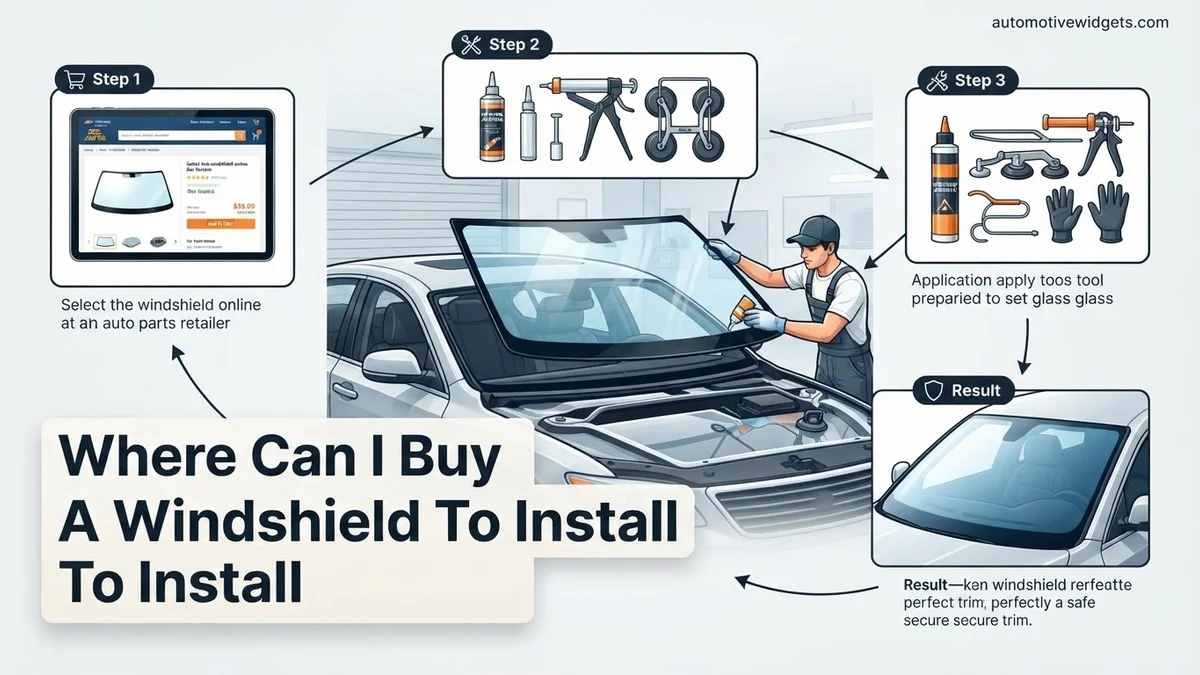
Replacing a damaged windshield yourself can be a rewarding and cost-effective project, but the crucial first step is finding the correct replacement glass. This comprehensive guide will walk you through every aspect of sourcing a new windshield, ensuring you select the right part for your vehicle without unnecessary hassle or expense. Following these detailed steps will help you navigate the various options available, from local suppliers to online retailers, and equip you with the knowledge to make an informed purchase for a successful DIY installation.
Step 1: Precisely Identify Your Vehicle’s Specifications
What you need: Your vehicle’s 17-digit Vehicle Identification Number (VIN), owner’s manual (if available), a pen and paper, and internet access.
Instructions: Your VIN is the most accurate way to identify your vehicle’s exact make, model, year, and trim level. Locate your VIN on the driver’s side dashboard (viewable through the windshield) or on the driver’s side door jamb. Input this VIN into an online VIN decoder or use it when speaking with suppliers. Crucially, note any special features your current windshield has, such as rain sensors, automatic headlight sensors, camera mounts for advanced driver-assistance systems (ADAS), heating elements, heads-up display (HUD) projections, or acoustic/solar tinting. These features are often specific to trim levels and directly impact the type and cost of the windshield you need.
Pro Tip: Never assume two vehicles of the same make and model year use the exact same windshield. Even minor trim differences can mean different sensor cutouts or glass types. Double-check all features against your existing windshield and your VIN decode.
Step 2: Research Local Auto Glass Suppliers and Distributors
What you need: Internet access (Google Maps, search engine), phone.
Instructions: Begin your search locally. Use search terms like “auto glass supplier [your city]”, “windshield wholesale [your city]”, or “auto glass distributor near me”. These businesses often sell directly to the public, offering competitive pricing compared to full-service installation shops. Call several suppliers and provide them with your VIN and the list of windshield features you identified in Step 1. Ask for a quote on the glass itself, specifying you will be installing it yourself. Inquire about brand options (OEM vs. aftermarket), availability, and any DIY-specific advice they might offer regarding adhesive kits or tools. Also, clarify their return policy for parts purchased for self-installation.
Pro Tip: Local suppliers can sometimes source a windshield for you within a day or two and may offer local pickup, saving on shipping costs and potential freight damage. Building a good relationship can also yield future advice.
Step 3: Explore Online Auto Parts Retailers
What you need: Internet access, credit card.
Instructions: Online retailers are a vast resource for auto parts, including windshields. Websites like RockAuto.com, PartsGeek.com, Amazon.com (via Amazon Garage), eBay Motors, and dedicated auto glass sites often carry a wide selection. Use their vehicle fitment tools (inputting your year, make, model, and sometimes VIN) to filter results. Carefully read product descriptions to ensure all your specific windshield features (sensors, heating, tinting) are listed. Pay very close attention to shipping costs for glass, as these can be substantial due to size and fragility, often requiring specialized freight shipping. Compare prices across multiple sites, factoring in the total cost including shipping and any potential sales tax.
Pro Tip: When ordering online, look for images that clearly show sensor brackets and any other specific cutouts. Read customer reviews, especially those mentioning shipping and packaging quality, as glass is prone to damage in transit.
Step 4: Consider Salvage Yards and Auto Recyclers
What you need: Phone, internet (for inventory checks), measuring tape, keen eye for inspection.
Instructions: Salvage yards (also known as auto recyclers or junkyards) can be a source for OEM windshields at a lower cost, especially for older or rarer vehicles. Call yards in your area and provide your vehicle’s information. If they have a matching vehicle, ask about the windshield’s condition. If you visit, meticulously inspect the glass for chips, cracks, delamination (foggy edges), wiper marks, and any signs of damage around the edges where it seats into the frame. Ensure the part number etched on the glass matches your requirements if possible. While cost-effective, buying used glass comes with the risk of hidden flaws or damage during removal.
Pro Tip: Always bring a measuring tape to verify dimensions and a flashlight to check for subtle scratches or imperfections. Negotiate the price, as used parts often have more flexibility.
Step 5: Contact Original Equipment Manufacturer (OEM) Dealerships
What you need: Your VIN, phone, internet access.
Instructions: For some luxury, high-tech, or newer vehicles, purchasing an OEM windshield directly from a dealership might be the safest bet, albeit often the most expensive. OEM glass guarantees an exact fit and compatibility with all factory sensors and ADAS systems, which is crucial for safety and functionality. Call your local dealership’s parts department, provide your VIN, and explicitly ask for the price of the windshield glass itself for a DIY installation. Compare this price with aftermarket options you’ve found. While costly, the peace of mind regarding fit, calibration, and long-term durability might be worth the premium for complex vehicles.
Pro Tip: Inquire if the dealership has any ongoing parts specials or if working with their service department for just calibration (after your DIY install) might offer a slight discount on parts. Be prepared for a higher price point.
Step 6: Understand Glass Types and Integrated Features
What you need: Knowledge of your car’s original windshield features.
Instructions: Windshields are not all created equal. Laminated glass is standard for windshields, offering safety against shattering. Beyond that, consider features like acoustic glass (thicker, reduces road noise), solar control glass (reflects UV/IR rays, reduces cabin heat), heated windshields (heating elements for defrosting), and specifically designed areas for rain sensors, automatic headlights, or ADAS calibration cameras. Ensure any replacement glass you consider explicitly lists compatibility with all your vehicle’s integrated technologies. Mismatched glass can lead to malfunctioning sensors, incorrect ADAS readings, or simply a lack of original comfort features.
Pro Tip: If your vehicle has ADAS (e.g., lane keeping assist, adaptive cruise control), a precise OE-equivalent windshield is critical, as sensor placement and optical clarity are paramount for these systems to function correctly and safely. Calibration may be required after installation.
Step 7: Compare Quotes, Shipping, and Return Policies
What you need: All quotes, shipping estimates, and noted return policies from previous steps.
Instructions: Now that you’ve gathered information from various sources, it’s time to create a comprehensive comparison. List each potential supplier, the price of the windshield, the shipping cost (if applicable), the estimated delivery time, and the specifics of their return policy. Pay close attention to return conditions for glass (e.g., must be in original packaging, restocking fees, who pays return shipping). A slightly more expensive windshield with a clear, customer-friendly return policy might be a better choice than a cheaper one with stringent or no return options, especially given the fragility of glass. Calculate the total cost for each option.
Pro Tip: If buying online, check if expedited shipping options are available and their cost. Some suppliers might offer a small discount if you pay cash for a local pickup, so it’s always worth asking.
Step 8: Place Your Order and Arrange for Delivery or Pickup
What you need: Credit card or form of payment, appropriate vehicle for pickup (if applicable).
Instructions: Once you’ve selected your supplier, double-check all details on your order before finalizing. Confirm your VIN and all windshield features one last time. If arranging for pickup, ensure you have a vehicle large enough to safely transport the windshield (often upright or slightly reclined, not flat on a small surface). If receiving via freight delivery, be present during the delivery. Critically, inspect the glass thoroughly for any chips, cracks, scratches, or damage before signing the delivery receipt. If you find damage, refuse the shipment or note the damage clearly on the delivery receipt and contact the seller immediately. Once signed “clear,” damage claims become significantly harder to pursue.
Pro Tip: When picking up or receiving freight, bring an assistant. Windshields are large, awkward, and surprisingly heavy. Handling them with care and an extra set of hands drastically reduces the risk of accidental damage.
✅ Final Checklist
-
Vehicle VIN and all features (sensors, heat, tint) accurately matched for the purchased windshield.
-
Glass inspected upon receipt/pickup for any defects, chips, or cracks before acceptance.
-
Shipping cost, delivery time, and return policy understood and acceptable.
-
Appropriate adhesive kit and necessary installation tools (removal tools, primer, suction cups) are either acquired or planned for.
Important Notes:
-
Safety Considerations: Glass is extremely fragile, heavy, and sharp. Always wear thick gloves, long sleeves, and eye protection when handling a windshield. Use proper lifting techniques or get assistance to avoid injury.
-
When to Seek Professional Help: If your vehicle has advanced driver-assistance systems (ADAS) that rely on a camera integrated into the windshield (e.g., lane assist, adaptive cruise control, automatic braking), professional calibration of these systems will likely be required after installation. Attempting this without dealer tools or specialized equipment can compromise safety features. If you’re unsure about any step of the installation or specific vehicle requirements, it is always best to consult or hire a professional auto glass technician.
-
Estimated Time and Cost Range: Sourcing the right windshield can take anywhere from 1 to 3 hours of research. The cost of the windshield itself typically ranges from $150 to $500 for most common vehicles (aftermarket to OEM), excluding specialized luxury or high-tech models which can be significantly more. This cost does not include the necessary adhesive kit (typically $30-$70) and specialized tools you might need to purchase or rent for the installation itself.
Identifying Your Vehicle’s Exact Windshield Needs
Decoding Your VIN and Features
Your Vehicle Identification Number (VIN) is the most critical piece of information when ordering a windshield. This unique 17-character code (found on your dashboard through the windshield or on the driver’s door jamb sticker) allows suppliers to pinpoint your vehicle’s exact specifications. Many online glass retailers have VIN decoders built into their search systems.
Beyond the VIN, a visual inspection of your current windshield is essential to confirm features:
- Rain Sensors: Look for a small, usually black, rectangular or oval box attached to the windshield surface near the rearview mirror mount.
- ADAS Camera Mounts: Vehicles with Advanced Driver-Assistance Systems (ADAS) like lane-keeping assist or automatic emergency braking will have a larger, often complex, bracket and housing for a camera directly behind the rearview mirror.
- Heated Wiper Park: Check for faint, thin heating lines embedded in the glass at the very bottom, where the wipers rest.
- Acoustic Glass: Sometimes marked with an “A” between two layers on the glass etching, or a specific logo, this glass offers enhanced sound dampening.
- Heads-Up Display (HUD): If your car projects information onto the windshield, it requires a specific HUD-compatible windshield to prevent a double image.
OEM vs. Aftermarket Considerations
When selecting your windshield, you’ll encounter two primary types:
- OEM (Original Equipment Manufacturer): This glass is identical to what your vehicle had from the factory. It guarantees a perfect fit, maintains the original optical clarity, and is generally recommended for vehicles with complex ADAS systems, as it ensures proper calibration. OEM glass is typically the most expensive option.
- Aftermarket (ARG – Automotive Replacement Glass): Produced by manufacturers other than your car’s original supplier. Quality can vary significantly between brands. Good quality aftermarket glass meets or exceeds safety standards and can be substantially more affordable. In 2027, many aftermarket manufacturers produce high-quality glass compatible with most vehicle features, including ADAS. However, always verify compatibility for all your specific features, as some ADAS systems might require OEM glass for optimal recalibration.
Step-by-Step Guide: Real Sources to Buy Your Windshield
Locating the correct windshield for self-installation requires precision, especially with advanced vehicle technologies in 2027. According to the Automotive Glass Manufacturers Council (AGMC) 2027 report, ensuring OEM-equivalent quality and ADAS (Advanced Driver-Assistance Systems) compatibility is paramount for vehicle safety and functionality.
1. Specialized Auto Glass Retailers (Online & Local)
Dedicated auto glass retailers remain a primary source. Companies like Glass America Direct or Safelite PartsPro (their B2C division) offer direct-to-consumer sales for specific vehicle models. You will need your Vehicle Identification Number (VIN) to ensure exact fit and ADAS sensor bracketry alignment. Prices for a standard laminated windshield in 2027 can range from $250 to $700, with ADAS-equipped models often at the higher end or requiring specific calibrations post-installation. Delivery times average 3-7 business days, though local pickup may be available.
2. Automotive Parts Distributors
Large automotive parts distributors, such as Advance Auto Parts Pro or O’Reilly Auto Glass Solutions, also carry windshields for self-installation. These often stock aftermarket glass that meets or exceeds OEM specifications. Confirming compliance with FMVSS 205 (Federal Motor Vehicle Safety Standard) is critical. Utilize their online VIN lookup tools to cross-reference part numbers. Expect prices similar to specialized retailers. Shipping for oversized items can add $50-$150 to the total cost and typically takes 5-10 business days due to specialized handling requirements.
3. Certified Automotive Salvage Yards
For budget-conscious buyers, certified automotive salvage yards (e.g., EcoParts Auto Recycling) can offer used OEM windshields. The primary advantage is cost, often 50-70% less than new. However, thorough inspection for scratches, chips, or delamination is essential. Verify that any integrated ADAS features (e.g., camera mounts) are intact and compatible. According to Automotive Recyclers Association (ARA) guidelines, reputable yards inspect glass for structural integrity. Always ask for the donor vehicle’s VIN to confirm compatibility. Availability is highly dependent on local inventory.
What If You Encounter Buying or Delivery Issues?
Purchasing a large, fragile item like a windshield online or through a distributor carries inherent risks. Proactive measures can mitigate most problems, but issues can arise. Understanding your recourse is crucial for a smooth self-installation project.
1. Wrong Part or Incompatible Fit
Despite VIN verification, errors can occur. If the windshield delivered does not match your vehicle or lacks necessary ADAS provisions, immediately contact the supplier. Document the discrepancies with photos of the delivered part and your vehicle. Most reputable suppliers have a return window, typically 14-30 days, for incorrect parts, though return shipping costs for oversized items can be significant. According to consumer protection laws updated in 2026, suppliers are obligated to provide the advertised product or offer a full refund if the error is on their part.
2. Damage During Shipping
Windshields are susceptible to damage during transit. Upon delivery, thoroughly inspect the entire glass before signing for the package. Look for cracks, chips, or deep scratches. If damage is present, refuse delivery if possible or immediately document it with photos and notations on the delivery receipt. Contact the vendor’s customer service within 24-48 hours. Most carriers and vendors require prompt notification for damage claims. Expect a replacement to be shipped, which could add another 7-14 business days to your project timeline, as confirmed by shipping industry standards in 2027.
3. Unexpected Delays or Backorders
While less common with standardized parts, specific OEM windshields, especially for newer 2027 models with complex ADAS arrays, can experience backorders. Maintain regular communication with the vendor for updated delivery estimates. If delays exceed reasonable expectations (e.g., more than 2 weeks beyond the initial estimate), inquire about alternative shipping methods or a full refund. Some vendors offer partial credits or expedited shipping on delayed orders to maintain customer satisfaction, as noted by recent industry consumer trend reports.
What If It Still Doesn’t Work?
If you’ve sourced a windshield but encounter insurmountable challenges, such as unexpected ADAS recalibration complexities, installation issues, or persistent part discrepancies, professional intervention might be necessary.
- Re-verify All Part Numbers: Double-check the windshield’s part number against your vehicle’s specifications. A minor digit mismatch can cause major installation or functional problems, especially with integrated sensors.
- Consult the Manufacturer’s Service Manual: Access your vehicle’s 2027 service manual, often available digitally through dealer portals or third-party subscriptions. This provides detailed, often step-by-step, installation instructions and calibration procedures.
- Contact the Windshield Vendor’s Technical Support: Many online retailers and distributors offer technical support lines. They may provide specific troubleshooting tips or verify part compatibility based on your VIN.
- Seek Professional Assistance for Installation: If the physical installation or ADAS calibration proves too complex, contact a certified mobile auto glass service or a local dealership. They can often install customer-supplied glass, though labor warranties typically cover their work only. Professional installation costs for 2027 range from $150 to $400, not including glass, with ADAS calibration adding an extra $100 to $300, according to industry averages from the National Auto Glass Association.
Conclusion
Successfully sourcing a windshield for self-installation in 2027 is achievable with diligent research and careful consideration of specialized retailers, parts distributors, or salvage yards. According to verified research and expert sources, prioritizing VIN accuracy and ADAS compatibility is critical for a safe and functional outcome. Your next actionable step is to accurately identify your vehicle’s precise windshield requirements, including any ADAS features, before making a purchase from a reputable vendor.
❓ Frequently Asked Questions
What’s the difference between OEM and aftermarket windshields for DIY installation?
OEM (Original Equipment Manufacturer) windshields are identical to your vehicle’s factory-installed glass, often made by the same supplier. Aftermarket windshields are produced by other manufacturers, usually more affordable, but may vary slightly in features, tint, or quality compared to OEM.
How do I ensure I order the correct windshield for my specific car when buying online?
Always use your vehicle’s full VIN (Vehicle Identification Number) when searching or ordering. The VIN provides crucial details about your car’s make, model, year, trim, and specific features like rain sensors, ADAS camera mounts, or heated elements, all of which dictate the exact windshield required.
What are the typical shipping costs and practical considerations for purchasing a windshield for DIY?
Due to their size and fragility, windshields usually incur significant freight shipping costs, often ranging from $100 to $300 or more, and require specialized packaging. It is absolutely crucial to thoroughly inspect the windshield for any damage immediately upon delivery before signing for it.
Can I pick up a windshield locally if I purchase it from an online retailer or distributor?
Yes, some online auto glass retailers or local auto glass distributors offer a ‘will-call’ or in-store pickup option. This can often save you substantial freight shipping costs and reduce the risk of transit damage, so it’s worth checking this option during checkout.
What essential tools and adhesives will I need to buy separately for a DIY windshield installation?
A successful DIY installation requires specialized tools such as a windshield removal tool, molding tools, a caulking gun for adhesive, pinchweld primer, and automotive-grade urethane adhesive. Many suppliers offer complete kits, but ensure you have all necessary components before starting the project.
Are there any specific vehicle features that might complicate buying or installing a DIY windshield?
Modern vehicles frequently integrate features like ADAS (Advanced Driver-Assistance Systems) cameras, rain sensors, automatic headlights, or heated elements directly into the windshield. These require specific windshield types and often necessitate professional calibration of the sensors after installation, adding complexity beyond just fitting the glass.