What Can I Use Instead of Distilled Water in Battery: Safe Alternatives Explained
Are you wondering what to use if you don’t have distilled water on hand for your battery? You’re not alone.
Many battery owners face this dilemma and worry about damaging their battery by using the wrong type of water. The truth is, what you put inside your battery matters a lot for its performance and lifespan. But don’t panic—there are safe alternatives you can use that won’t harm your battery.
You’ll discover which water options work, which ones to avoid, and practical tips to keep your battery healthy without distilled water. Keep reading to protect your investment and get the most out of your battery.
Why Distilled Water Is Recommended
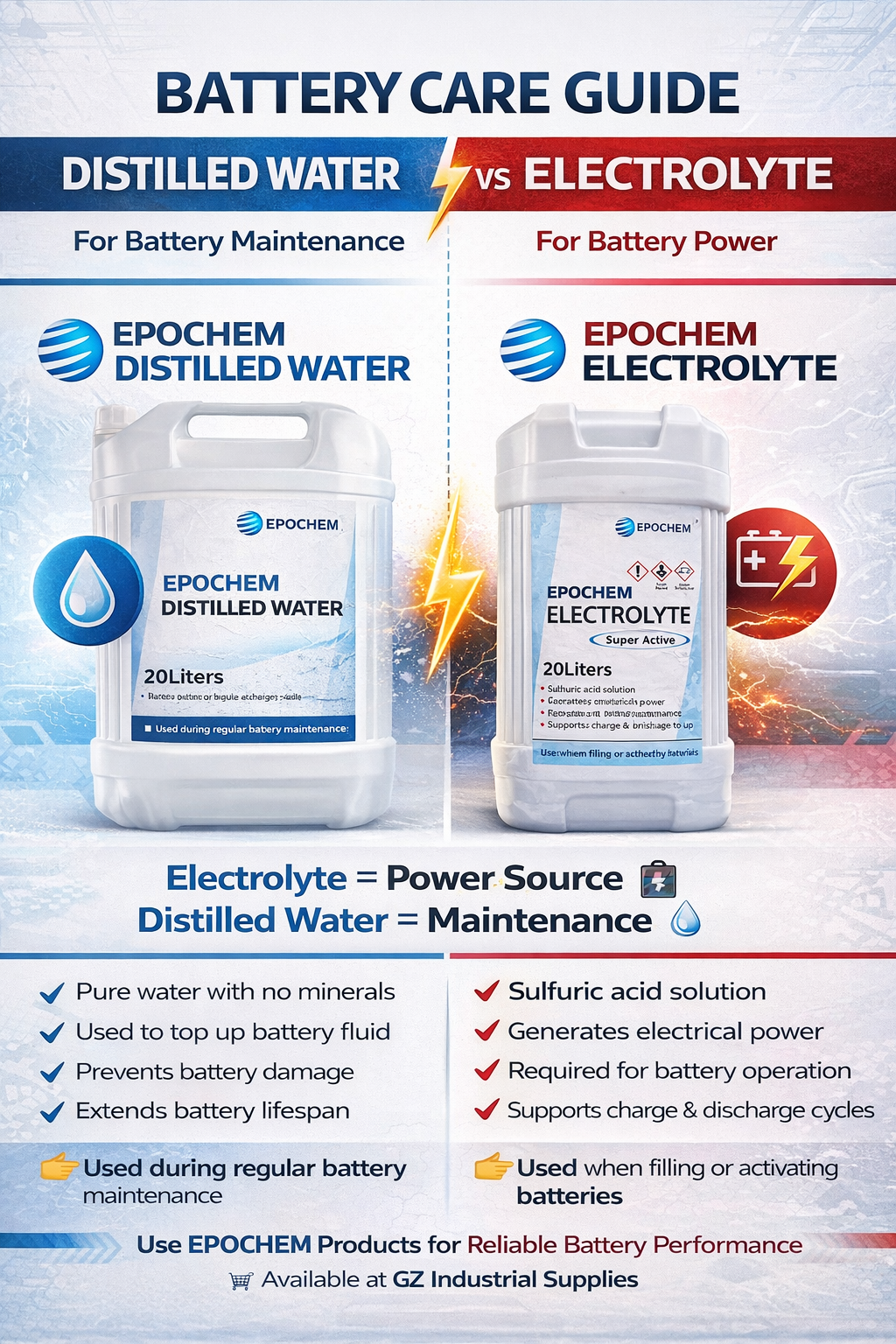
Distilled water is free from minerals that can harm battery plates and reduce battery life. Using pure water helps prevent corrosion and buildup inside the battery. It ensures better performance and longer battery life.
Distilled water is pure and free from minerals and impurities. Batteries need water without minerals to work well. Minerals can cause damage inside the battery. They create buildup on battery plates, which lowers battery life.
Using distilled water helps keep the battery clean inside. It prevents corrosion and reduces the chance of battery failure. Distilled water also keeps the battery’s chemical balance stable. This helps the battery hold a charge longer and perform better.
Other types of water often contain minerals and chemicals. These substances can cause the battery to wear out quickly. Distilled water protects the battery from these harmful effects. That is why battery makers recommend it for filling and refilling.
Credit: tikweld.com
Safe Water Alternatives For Batteries
Using the right type of water in your battery is essential for its performance and lifespan. Distilled water is the safest choice because it contains no minerals or impurities. When distilled water is unavailable, some safe alternatives can work well without harming your battery. These options remove minerals and contaminants that can cause damage.
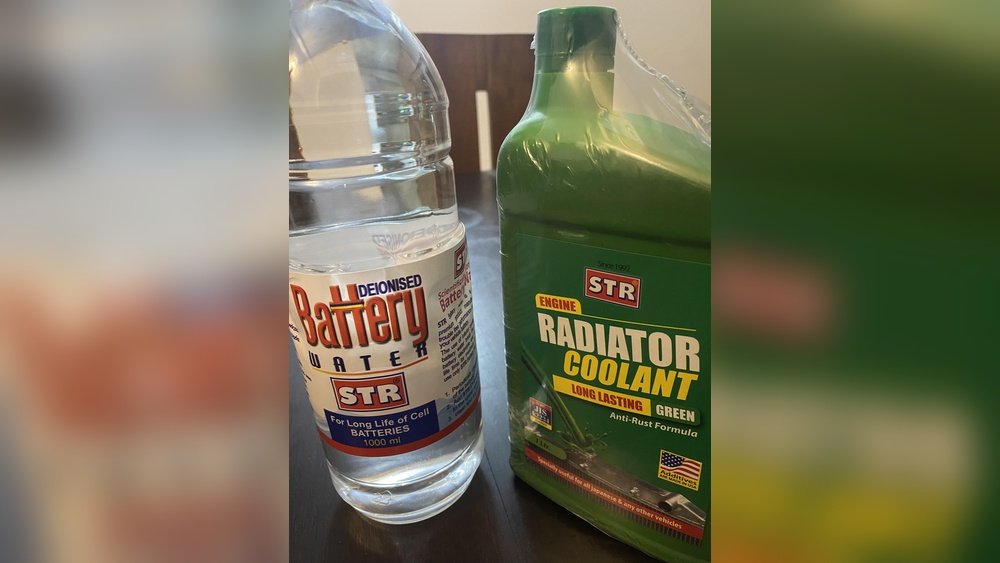
Deionized Water
Deionized water is free from mineral ions like calcium and magnesium. It is made by removing charged particles through a special filter. This water is safe for batteries and often sold in auto parts stores. It performs similarly to distilled water without the risk of mineral buildup.
Reverse Osmosis Water
Reverse osmosis water is purified by forcing it through a fine membrane. This process removes most impurities, including minerals and chemicals. It is a good substitute for distilled water in batteries. The water is clean and safe, preventing corrosion and damage inside the battery.
Collected Rainwater
Rainwater can be a natural alternative if collected properly. Use clean containers that catch water directly from the sky. Avoid gutters or metal roofs as they add impurities. When pure, rainwater has very low mineral content, making it suitable for battery use.
Ac And Dehumidifier Condensate
Water from air conditioners and dehumidifiers is essentially distilled. It forms by condensation and contains very few minerals. This water is safe for topping up batteries. Make sure to collect it in a clean container to avoid any dirt or contaminants.
Water Types To Avoid
Choosing the right water for your battery is crucial. Some water types can harm the battery’s performance and lifespan. Avoid using water that contains minerals or impurities. These can cause damage over time. Below are common water types to avoid when filling your battery.
Tap Water
Tap water contains minerals like calcium and magnesium. These minerals build up inside the battery. This buildup causes scaling and corrosion. It can reduce battery life and efficiency. Tap water also may contain impurities that harm battery plates. Avoid using tap water to protect your battery.
Boiled Water
Boiling water kills bacteria but does not remove minerals. In fact, boiling can concentrate minerals in the water. These minerals cause the same damage as tap water. Using boiled water can lead to sulfation and corrosion inside the battery. It is unsafe for battery use and should be avoided.
Mineral-rich Sources
Water from wells, springs, or mineral-rich areas has high mineral content. These minerals can quickly damage battery cells. They cause deposits that reduce battery efficiency. Mineral-rich water also promotes rust and corrosion. Never use water from these sources for your battery.
Credit: tikweld.com
How To Use Alternative Water Safely
Using alternative water instead of distilled water in your battery requires care. Safety and battery health depend on how you handle the water and the battery. Follow simple steps to avoid damage and ensure the battery works well.
Proper Cleaning And Storage
Before adding any alternative water, clean the battery top. Use a damp cloth to remove dirt and debris. Avoid letting water enter the battery cells during cleaning. Store alternative water in a clean, sealed container to prevent contamination. Keep it away from dust and chemicals. Always use fresh water for each refill to maintain battery performance.
Regular Electrolyte Level Checks
Check the electrolyte level in your battery every week. Use a flashlight if needed to see inside the cells. Add water only if the level is low, stopping below the maximum fill line. Avoid overfilling, as it can cause leaks or damage. Monitor the battery for unusual smells or leaks, which may indicate problems. Regular checks help extend battery life and prevent failures.
Making Distilled Water At Home
Distilled water is essential for battery maintenance. It prevents damage caused by minerals found in regular water. Buying distilled water can be inconvenient or costly. Making distilled water at home is a simple and effective alternative.
This process removes impurities and minerals that harm batteries. You need just a few household items to start. The method uses evaporation and condensation to collect pure water.
What You Need To Make Distilled Water
Gather a large pot with a lid, a heat-safe bowl, and ice cubes. Use clean tap water as the source. The pot will hold the water, and the bowl will collect the distilled water.
Step-by-step Process
Fill the pot halfway with tap water. Place the bowl inside the pot, making sure it floats. The bowl should not touch the pot’s bottom. Cover the pot with the lid upside down. This allows steam to condense and drip into the bowl.
Turn on the heat to boil the water gently. Add ice cubes on top of the lid to cool it. The steam rises, hits the cold lid, and turns into water droplets. These droplets fall into the bowl, creating distilled water.
Tips For Best Results
Use clean equipment to avoid contamination. Replace ice cubes regularly to keep the lid cool. Do not let the pot boil dry. Collect the water from the bowl carefully using a clean container. Store the distilled water in a sealed bottle for future use.

Credit: tikweld.com
Frequently Asked Questions
How To Make Distilled Water At Home For Battery?
Boil tap water and collect the steam by condensation in a clean container. Use this distilled water for your battery.
What Is A Substitute For Battery Water?
Deionized or reverse osmosis water works well as a substitute for battery water. Avoid tap or boiled water.
Can You Use Bottled Water Instead Of Distilled Water In A Battery?
Do not use bottled water in batteries; it contains minerals that damage battery plates. Always use distilled or deionized water for best results.
What Can I Use If I Don’t Have Distilled Water?
Use deionized or reverse osmosis (RO) water as safe alternatives to distilled water. Avoid tap or boiled water to prevent battery damage.
Conclusion
Choosing the right water for your battery matters. Distilled water remains the safest choice. Deionized or reverse osmosis water also works well. Clean rainwater and condensation from AC units can be good substitutes if pure. Avoid tap water and boiled water, as minerals harm battery life.
Regularly check your battery’s water level. Keep the plates covered to prevent damage. Using proper water helps your battery last longer and perform better. Simple care makes a big difference in battery health.