What Percentage of Oil Life Should You Get It Changed: Essential Guide
You rely on your car every day, so keeping its engine in top shape is a must. One of the easiest and most important ways to do that is by changing your oil regularly.
But how do you know the right time to get it done? Should you wait until the oil life drops to 15%? Or is it better to change it when it hits 25%, or even earlier? If you’ve ever wondered what percentage of oil life you should wait for before scheduling that oil change, you’re not alone.
Making the right choice can save you money and protect your engine from costly damage. You’ll discover the best oil life percentage to aim for and learn the key factors that should influence your decision. Keep reading to make sure you’re giving your car the care it deserves.
Ideal Oil Life Percentage
Several factors influence how long your engine oil lasts before needing a change. Understanding these can help you decide the right percentage of oil life to wait before servicing your vehicle. Oil quality degrades based on use, environment, and engine condition. Regular checks ensure your engine runs smoothly and avoids costly repairs.
Driving Habits And Conditions
Your driving style impacts oil life significantly. Frequent short trips stop the engine from reaching optimal temperature. This causes moisture and contaminants to build up in the oil. Stop-and-go traffic or city driving also stresses the engine more than highway driving. Harsh weather, such as extreme heat or cold, speeds up oil breakdown. Dusty or rough roads introduce dirt that contaminates the oil faster. Aggressive acceleration and heavy loads make the engine work harder. These habits reduce oil life and require more frequent changes.
Vehicle Type And Engine Age
The type of vehicle affects how quickly oil ages. High-performance or turbocharged engines run hotter and degrade oil faster. Older engines may have worn parts that let oil break down sooner. Some engines consume oil more quickly, lowering oil levels between changes. Newer engines often use synthetic oil, which lasts longer than conventional oil. Always check the owner’s manual for specific oil change intervals. Vehicle age and design are key in determining the right oil life percentage to change the oil.
Credit: advantageautorepair.com
Factors Affecting Oil Life
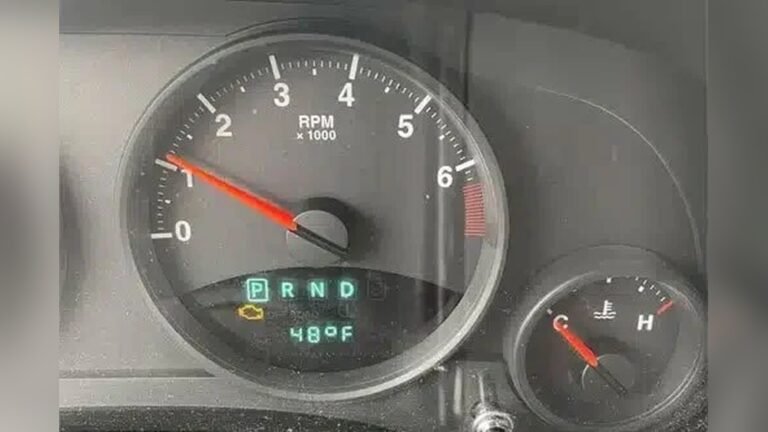
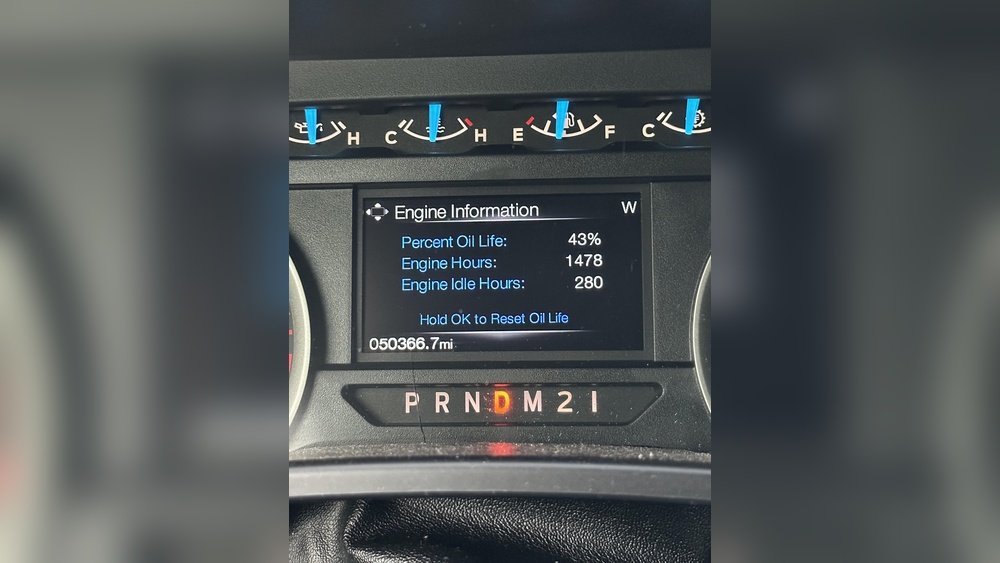
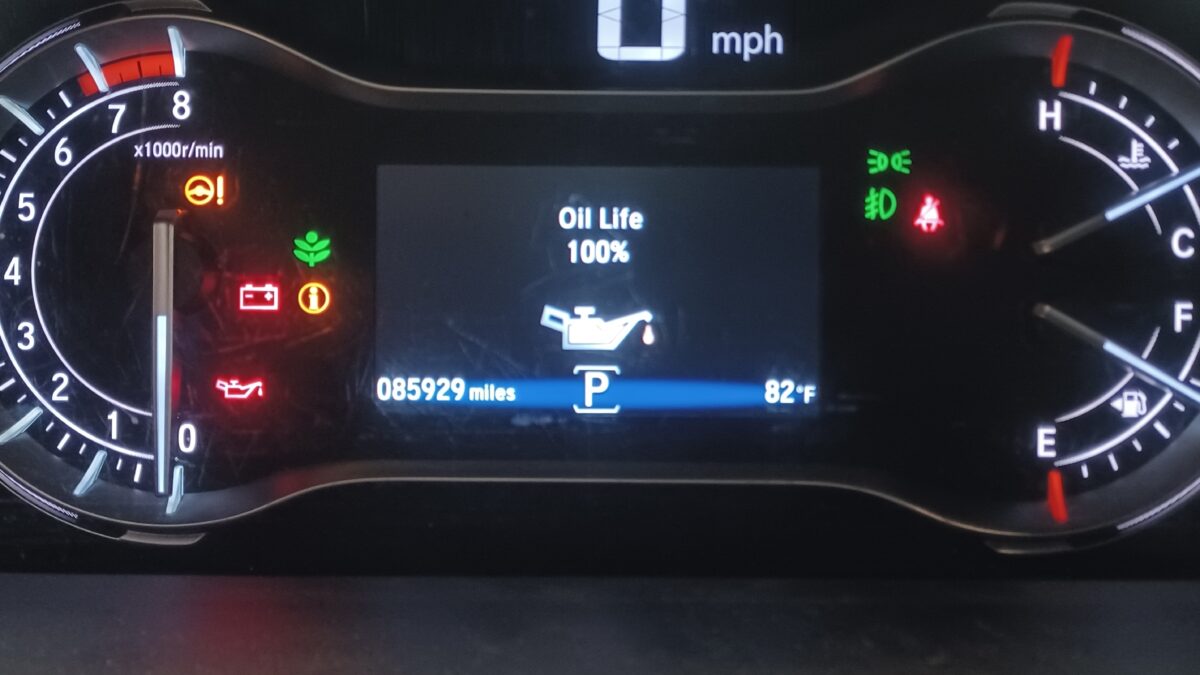
Oil life monitoring systems help drivers know when to change their engine oil. They track how much the oil has degraded over time. This system helps prevent engine damage and keeps the car running smoothly. It uses sensors and algorithms to estimate oil condition. Drivers see the oil life percentage on their dashboard. This shows how much useful oil life remains before the next change is needed.
How Oil Life Indicators Work
Oil life indicators measure factors like engine temperature and driving habits. They calculate oil wear based on these conditions. The system reduces the oil life percentage as the oil ages. It updates in real-time as you drive. When the oil life reaches a set low point, it alerts you to change the oil. This system adjusts for different driving styles and environments. It helps avoid changing oil too early or too late.
Reliability And Limitations
Oil life monitors are usually reliable but not perfect. They estimate oil condition, not measure it directly. Extreme driving conditions can affect accuracy. Short trips and heavy loads can wear oil faster than the system predicts. Regular oil checks are important even with these systems. The monitor does not replace basic maintenance and inspections. Always follow your vehicle’s owner manual for best results.
Oil Life Monitoring Systems
Delaying oil changes can cause serious problems for your vehicle. Oil keeps the engine parts moving smoothly and cool. Over time, oil breaks down and loses its ability to protect the engine. This can lead to costly repairs and poor car performance. Understanding the risks helps to avoid damage and maintain your vehicle’s health.
Engine Wear And Damage
Old oil becomes dirty and thick. It cannot lubricate engine parts well. This causes friction and wears down the metal pieces. Over time, the engine may suffer from scratches, corrosion, or even failure. Dirty oil also causes sludge buildup, blocking oil flow. This reduces engine life and increases repair costs.
Impact On Fuel Efficiency
Fresh oil helps the engine run smoothly and efficiently. Thick, old oil makes the engine work harder. This leads to higher fuel consumption. Delaying oil changes can reduce miles per gallon. Your car uses more gas, costing you more money. Regular oil changes help keep fuel use low and save money.

Credit: www.reddit.com
Credit: www.yourmechanic.com
Frequently Asked Questions
Is Oil Life 50% Ok?
Oil life at 50% means your oil still has usable life left. Change oil closer to 15-20% for optimal engine health.
Is 10% Oil Life Okay?
A 10% oil life means your oil is nearly due for a change. Schedule an oil change soon to protect your engine.
How Long Will 7% Oil Life Last?
A 7% oil life means you should change your oil very soon, typically within a few hundred miles. Check your owner’s manual for exact mileage recommendations.
Should I Get An Oil Change At 40%?
Change your oil when the oil life reaches 15-20% for optimal engine health. Changing at 40% is early but safe. Always follow your vehicle’s manual for specific recommendations. Regular oil changes prevent engine wear and maintain performance.
Conclusion
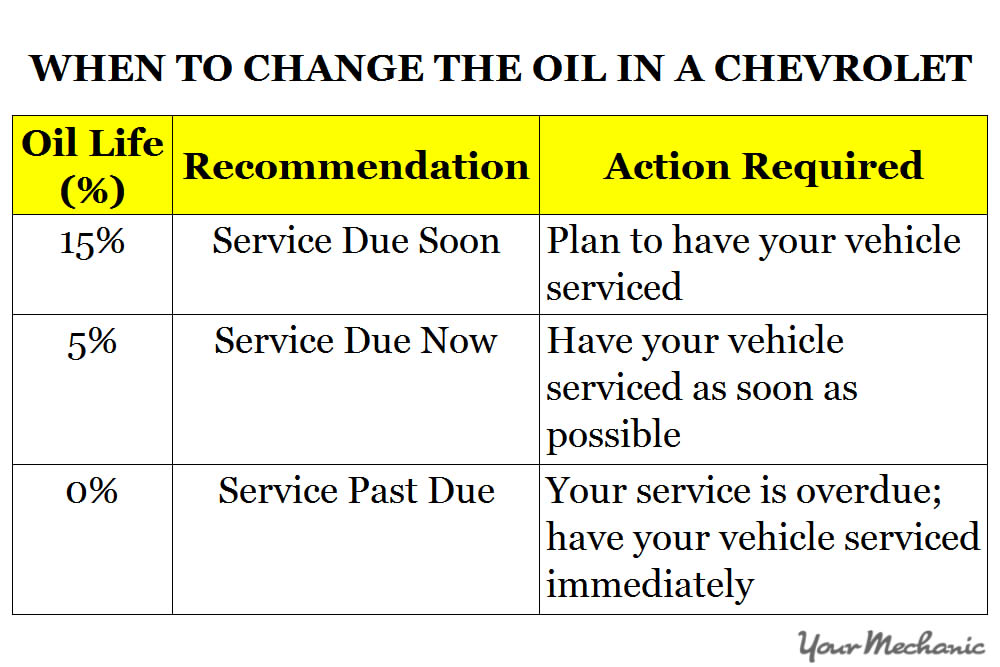
Changing your oil at the right percentage keeps your engine healthy. Most vehicles need an oil change when the oil life reaches 15% to 20%. Always check your owner’s manual for specific guidance. Driving habits and conditions can affect oil life too.
Don’t wait until oil life hits zero; act sooner to avoid engine problems. Regular oil changes help your car run smoothly and last longer. Stay proactive with your vehicle’s care for the best performance.