What Happens If You Drive Without Transmission Fluid: Risks Revealed
Imagine driving your car and suddenly feeling it slip out of gear or hearing strange noises you’ve never noticed before. What if this isn’t just a minor issue but a sign that your transmission fluid is dangerously low—or worse, completely gone?
Driving without transmission fluid isn’t just risky; it can cause serious damage to your vehicle’s transmission system, leading to costly repairs or even a full breakdown. You’ll discover exactly what happens when you drive without transmission fluid, the warning signs you need to watch for, and why acting quickly could save you thousands of dollars.
Keep reading to protect your car and avoid a transmission disaster.

Credit: www.youtube.com
Transmission Fluid Role
Transmission fluid lubricates and cools your vehicle’s transmission parts. Driving without it causes overheating and gear damage. Lack of fluid leads to poor shifting and possible transmission failure.
Transmission fluid is essential for your car’s transmission system. It works like oil for the engine but for the transmission. The fluid keeps all the parts inside cool and well-lubricated. This stops the metal components from rubbing and wearing out quickly.
It also helps transfer power from the engine to the wheels. The fluid creates hydraulic pressure needed for smooth gear changes. Without enough fluid, the transmission cannot work properly. This can cause serious damage to the vehicle.
Lubrication And Cooling
Transmission fluid lubricates the moving parts inside the transmission. It stops metal parts from grinding against each other. This reduces wear and tear, extending the life of the transmission.
The fluid also carries heat away from the transmission. Driving heats up the system, and the fluid helps keep temperatures safe. Overheating can cause parts to warp or fail quickly.
Hydraulic Pressure And Power Transfer
Transmission fluid creates hydraulic pressure needed for gear shifts. This pressure moves internal parts to change gears smoothly.
Without enough fluid, the pressure drops. Gears may slip or fail to engage properly. This leads to rough or delayed shifting, making driving unsafe and uncomfortable.
Contaminant Removal And Protection
Transmission fluid helps clean the transmission. It carries away dirt and small metal particles. This keeps the system free from harmful debris.
It also protects parts from corrosion and rust. Clean, healthy fluid ensures the transmission works well for a long time.
Signs Of Low Fluid
Low transmission fluid affects your car’s performance and safety. It causes several warning signs. These signs help you notice the problem early. Acting fast can prevent costly damage.
Difficulty Shifting Gears
Your car may hesitate or slip when changing gears. The engine might rev higher than normal. You could feel a delay before the gear engages. This happens because fluid pressure is too low.
Unusual Noises
Listen for whining, humming, or grinding sounds. These noises come from worn parts rubbing together. Lack of fluid causes poor lubrication inside the transmission. Noises often grow louder with driving time.
Overheating Transmission
The transmission can get very hot without enough fluid. Fluid cools and lubricates moving parts. Overheating may cause a burning smell inside your car. It also reduces the life of transmission parts.
Fluid Leaks Under The Vehicle
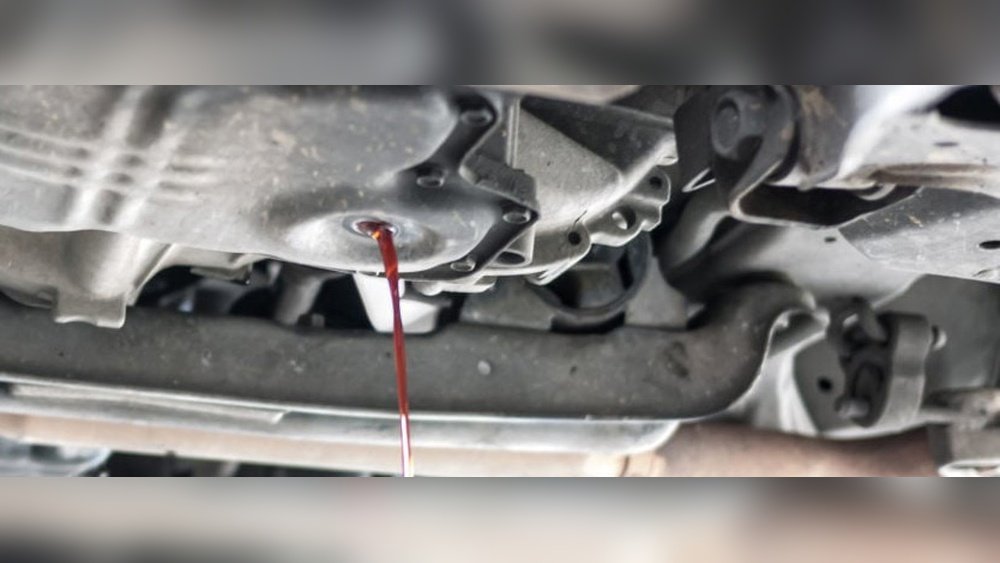
Check for red or brown fluid puddles under your car. Transmission fluid leaks cause low fluid levels quickly. Puddles often appear near the front or middle of the vehicle. Regularly inspecting your car helps spot leaks early.
Warning Lights On Dashboard
The transmission or check engine light may turn on. These lights alert you to transmission problems. Low fluid triggers sensors, causing the warning lights. Don’t ignore these signals; they mean trouble.
Risks For Automatic Cars
Driving an automatic car without transmission fluid causes severe damage. Lack of fluid stops lubrication and cooling, leading to overheating and gear failure. Warning signs include slipping gears, strange noises, and rough shifting.
Automatic cars depend on transmission fluid to work properly. The fluid acts as a lifeline for the transmission system. It cools, lubricates, and powers the hydraulic system inside the transmission.
Driving without transmission fluid causes immediate problems. The transmission loses hydraulic pressure and vital lubrication. This leads to severe damage and costly repairs.
Catastrophic Failure
The internal oil pump needs transmission fluid to operate. Without fluid, the pump runs dry and breaks quickly. Metal shavings from the broken pump spread inside the transmission. This damages many parts and often ruins the entire system.
Loss Of Hydraulic Pressure
Transmission fluid keeps hydraulic pressure stable. Pressure controls gear shifting and smooth operation. Without fluid, pressure drops fast. The car struggles to shift gears or may stop shifting at all.
Overheating And Component Damage
Transmission fluid cools parts inside the transmission. Without it, parts heat up and wear out fast. Bearings and gears may warp or grind together. This causes noise, rough shifting, and can lock the wheels while driving.
Early Warning Signs
Before total failure, the car shows warning signs. Gears may slip or hesitate during shifts. The engine revs without matching acceleration. Unusual noises like whining or grinding occur. Fluid leaks might appear as red puddles under the car.
Ignoring these signs leads to bigger problems and expensive repairs. Checking transmission fluid regularly helps avoid these risks.
Credit: ericscarcare.com
Risks For Manual Cars
Driving a manual car without transmission fluid poses serious risks. The fluid lubricates key parts and helps gears shift smoothly. Without it, the transmission overheats and wears out fast. Damage can happen within minutes of driving with low or no fluid. This leads to costly repairs or total failure.
Manual transmissions rely on fluid to keep bearings and gears moving freely. Lack of fluid causes metal parts to grind and seize. This can make it impossible to change gears or even stop the car safely. The engine may rev too high while the car struggles to move.
Loss Of Gear Function
Without transmission fluid, shifting gears becomes difficult or impossible. The clutch may slip or stick, causing jerky movements. You may hear grinding noises when trying to change gears. This happens because the gears lose their smooth contact.
Overheating And Wear
Transmission fluid cools the parts inside the gearbox. Without it, heat builds up quickly. The metal parts expand and warp from the heat. This damages bearings, gears, and synchronizers. Overheating leads to permanent damage that stops the car from working.
Potential Wheel Lockup
Seized gears or bearings can lock the wheels during driving. This creates a dangerous situation and can cause accidents. The car may suddenly lose control or stop moving. Repairing this damage is expensive and time-consuming.
Preventive Steps And Repairs
Taking care of your transmission fluid can save your vehicle from serious damage. Preventive steps help avoid costly repairs and keep your transmission running smoothly. Quick action after noticing low or no transmission fluid is crucial. Prompt repairs can reduce damage and extend your car’s life.
Checking Transmission Fluid Levels Regularly
Check the transmission fluid at least once a month. Use the dipstick under the hood, following your car’s manual instructions. Look for the correct fluid color and level. Low or dirty fluid means you need to add or replace it. This simple step prevents many transmission problems.
Adding Or Replacing Transmission Fluid
Add fluid that matches your vehicle’s specifications. Use a funnel to avoid spills. Do not overfill. If the fluid is old or contaminated, get a full fluid change. This removes dirt and metal particles that harm the transmission. Fresh fluid keeps the system lubricated and cool.
Repairing Transmission Damage
If you drive without fluid, internal parts can fail. Repairs may involve replacing the pump, seals, or clutch packs. In severe cases, the entire transmission might need rebuilding or replacement. Early detection lowers repair costs and prevents total failure.
Consulting A Professional Mechanic
A mechanic can inspect your transmission for leaks and damage. They can perform a fluid flush and system check. Professionals detect hidden issues and recommend the best repairs. Regular service helps maintain smooth shifting and prevents breakdowns.

Credit: www.carparts.com
Frequently Asked Questions
How Long Can You Ride Without Transmission Fluid?
You should not drive without transmission fluid. Running dry can cause severe damage within seconds. Immediate repairs are necessary to avoid costly failure.
Is A Transmission Ruined If It Runs Out Of Fluid?
Running out of transmission fluid causes loss of lubrication and hydraulic pressure. This leads to overheating, gear slipping, and severe internal damage, often ruining the transmission. Immediate fluid replacement and professional inspection are crucial to prevent costly repairs or total failure.
Can I Just Add Transmission Fluid If It’s Low?
Adding transmission fluid if low can help temporarily, but check for leaks or damage first. Low fluid often signals bigger issues.
Can Low Transmission Fluid Cause Stuttering?
Low transmission fluid can cause stuttering by reducing hydraulic pressure and lubrication. This leads to rough shifting and gear slipping.
Conclusion
Driving without transmission fluid causes serious damage quickly. The fluid lubricates and cools vital parts inside the transmission. Without it, parts overheat and wear out fast. You might hear strange noises or notice slipping gears before total failure. Ignoring these signs can lead to costly repairs or needing a full transmission replacement.
Always check your fluid regularly and top it up as needed. Catching low fluid early keeps your car running smoothly and avoids breakdowns. Protect your vehicle by staying alert and acting fast when you see warning signs.