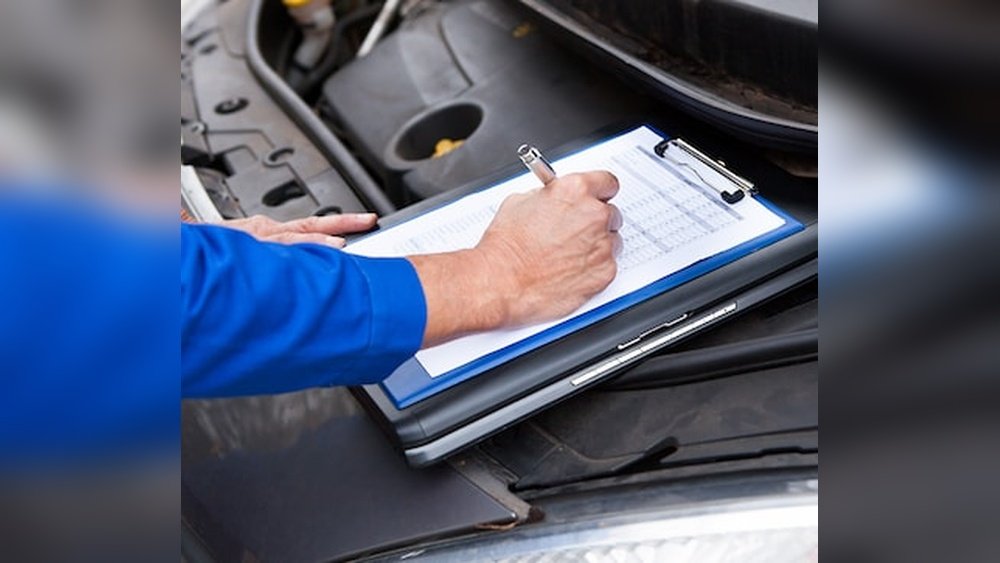
Will a Check Engine Light Fail Inspection in Virginia? Essential Facts
You see that check engine light glowing on your dashboard, and now you’re wondering: will it cause your car to fail inspection in Virginia? If you’re preparing for your state vehicle inspection, this question is crucial.
After all, no one wants to show up for an inspection only to be turned away because of a warning light. The truth is, whether your check engine light will fail your inspection depends on where you live in Virginia and the type of inspection required.
Keep reading to find out exactly what the check engine light means for your vehicle inspection and what you can do to avoid any surprises at the inspection station. Your next inspection could depend on this.

Credit: ricetire.com
Virginia Inspection Basics
Understanding Virginia inspection basics helps you prepare for vehicle checks. The state requires safety inspections for all vehicles. Certain areas also need emissions tests. Knowing these rules saves time and money.
Virginia’s inspection rules focus on safety and environmental standards. These rules ensure vehicles run safely and pollute less. The check engine light plays a key role in this process.
Types Of Vehicle Inspections
Virginia requires two main inspections: safety and emissions. Safety inspections check brakes, lights, tires, and other parts. Emissions inspections test vehicle pollution levels. Not all vehicles need emissions tests. Older cars and those in specific areas must pass both.
Areas Requiring Emissions Testing
Emissions testing happens in Northern Virginia counties and cities. Arlington, Fairfax, Loudoun, Prince William, and Stafford are included. Vehicles registered in these areas must pass emissions tests. Other parts of Virginia only need safety inspections. Check your local rules to know what applies.
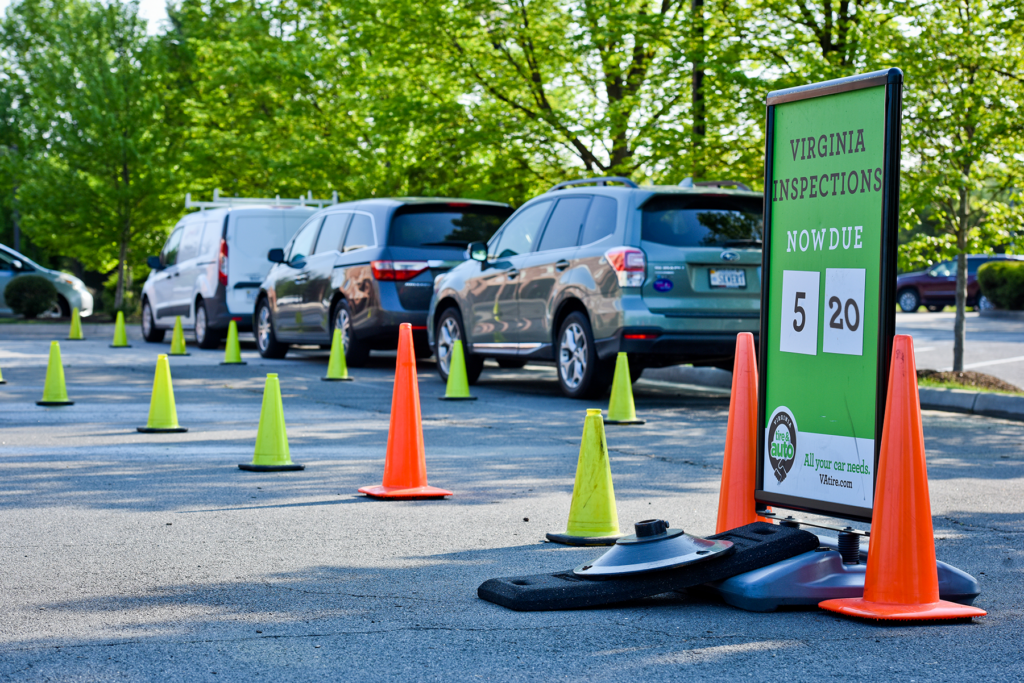
Credit: vatire.com
Check Engine Light And Emissions
The check engine light (CEL) signals problems in your vehicle’s engine or emissions system. In Virginia, many areas require emissions testing as part of the vehicle inspection. A lit CEL often means the car’s emissions system is not working properly. This can affect whether your car passes the inspection.
Understanding how the CEL relates to emissions can help you prepare for your inspection. The system uses fault codes to detect issues that increase pollution. These codes guide mechanics to fix the problem and reduce emissions.
Emissions-related Fault Codes
Fault codes are stored in your car’s onboard diagnostics (OBD) system. Many codes relate directly to emissions control parts, like the catalytic converter or oxygen sensors. When these codes are active, the CEL turns on.
Virginia’s inspection system scans for these fault codes. If it finds emissions-related codes, the vehicle will fail the inspection. The codes show that your car may pollute more than allowed by law.
Impact Of Cel On Emissions Testing
A check engine light on during emissions testing usually leads to failure. The test reads data from your vehicle’s OBD system. Any active problem triggers a fail because it means emissions could be too high.
Even if your car runs fine, the CEL must be off to pass. Clearing the light without fixing the issue can cause the light to come back quickly. Proper repairs are necessary to ensure your car meets emissions standards.
Failing Inspection Due To Cel
The Check Engine Light (CEL) plays a crucial role in vehicle inspections in Virginia. When the CEL is illuminated, it signals that the vehicle’s onboard diagnostics have detected a problem. This issue can lead to a failed inspection, especially in areas with strict emissions standards. Understanding why the CEL triggers a failure helps drivers prepare better for their inspection.
In Virginia, inspections often include emissions testing in certain urban counties. A lit CEL usually means the vehicle fails this test. Inspectors use the onboard diagnostic system to check for active fault codes. Any code related to emissions control systems will cause an automatic fail.
Automatic Fail Conditions
A Check Engine Light on during inspection leads to an automatic fail in many Virginia counties. This is standard in places requiring emissions testing. The vehicle’s computer communicates with the inspector’s scanner. If any emissions-related trouble codes are present, the vehicle cannot pass. This strict rule ensures that vehicles meet environmental standards.
Other automatic fail conditions include missing or tampered emission control devices. Inspectors also fail vehicles if the CEL is blinking, which indicates a severe engine problem. These rules protect air quality and public health.
Common Causes For Failure
Common problems that trigger the CEL include faulty oxygen sensors, loose gas caps, and failing catalytic converters. These parts affect the vehicle’s emissions and performance. A bad sensor can send wrong signals, causing the engine to run inefficiently.
Another frequent cause is an engine misfire. Misfires increase pollution and harm the engine. A damaged catalytic converter often follows misfires and trips the CEL. Simple issues like a loose gas cap are easy to fix but still cause a failed inspection.
Regular maintenance and timely repairs reduce the chance of CEL-related failures. Getting a diagnostic check before inspection saves time and money.
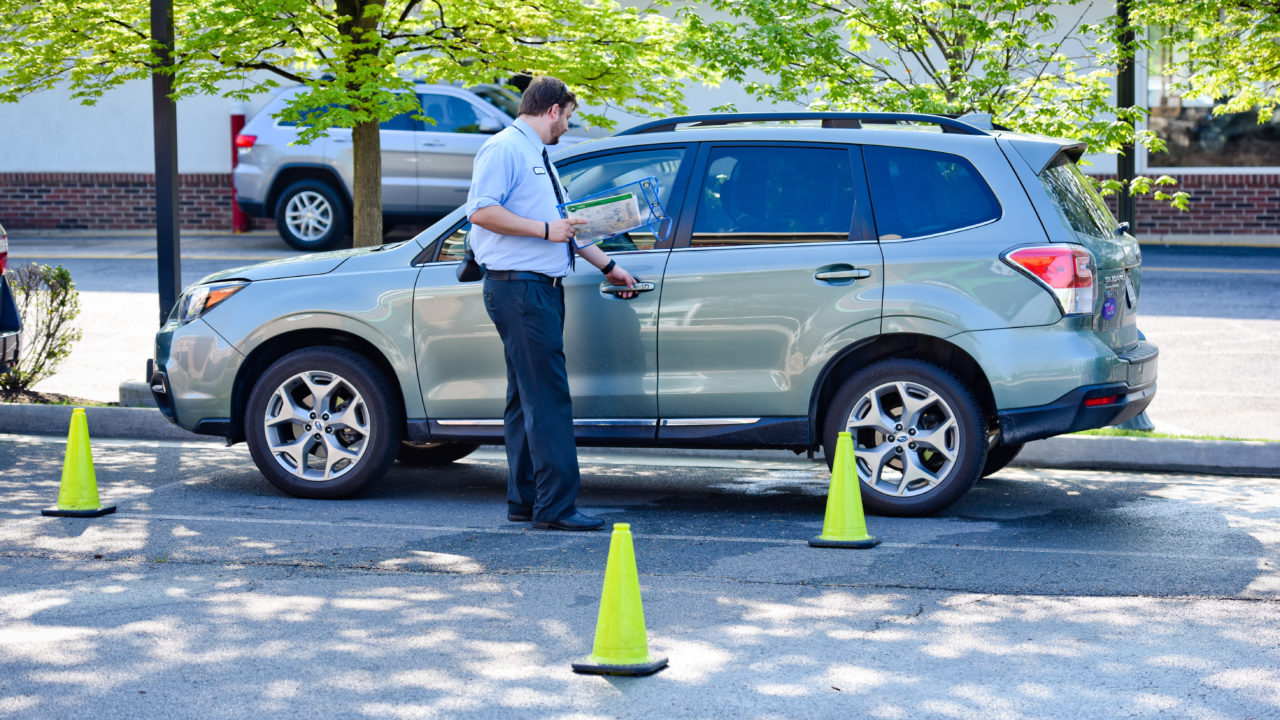
Credit: vatire.com
Preparing Your Vehicle For Inspection
Preparing your vehicle for inspection in Virginia requires careful attention. The check engine light plays a key role in passing or failing the test. A lit check engine light often means an automatic failure in areas with emissions testing. You can avoid this by performing some simple steps before the inspection.
Running A Diagnostic Check
Start by using an OBD-II scanner to read trouble codes from your car’s computer. This tool helps identify any issues causing the check engine light to turn on. Clear any minor codes after fixing the problems to reset the light. Ensure there are no active fault codes before heading to the inspection station. A clean diagnostic report improves your chances of passing the emissions test.
Completing A Drive Cycle
A drive cycle means driving your car under specific conditions to reset its systems. It allows the vehicle’s computer to complete all self-tests. Follow your car’s manual for the exact drive cycle steps. This process helps clear temporary codes and turns off the check engine light. Completing a full drive cycle ensures the car is ready for inspection and reduces the risk of failure due to emissions.
Resources And Legal Requirements
The check engine light plays a key role in vehicle inspections in Virginia. Understanding the resources and legal requirements can help car owners prepare better. Different regions in Virginia have varied rules about inspections and emissions testing.
This section covers essential programs and guidelines that affect inspection outcomes. Knowing these helps avoid surprises and ensures compliance with state laws.
Virginia Deq Emissions Program
The Virginia Department of Environmental Quality (DEQ) runs the Emissions Program. It focuses on reducing air pollution from vehicles. Certain counties in Northern Virginia require emissions testing. The program uses onboard diagnostics (OBD) to check for faults.
If the check engine light is on during testing, the vehicle will fail. The system scans for emissions-related trouble codes. These codes indicate if the vehicle pollutes more than allowed. Passing the DEQ test means the vehicle meets emission standards.
State Police Safety Inspection Guidelines
The Virginia State Police oversee vehicle safety inspections. These inspections ensure vehicles are safe to drive on the road. The inspection checks brakes, lights, tires, and other safety features.
The check engine light can cause a failure if it signals emission problems. However, in areas without emissions testing, the light alone may not cause failure. The safety inspection guidelines vary by location and vehicle type.
Drivers should consult the State Police website for the latest inspection rules. This helps understand what to expect during inspections and how to prepare.
Frequently Asked Questions
Can You Pass An Inspection With A Check Engine Light On In Virginia?
You cannot pass a Virginia emissions inspection with the check engine light on. It triggers an automatic failure. Fix issues before testing. Safety inspections statewide do not fail for the check engine light alone. Emissions tests apply only in specific Northern Virginia areas.
Can I Pass A State Inspection With A Check Engine Light On?
You cannot pass a state inspection if the check engine light is on in areas requiring emissions testing. Active fault codes trigger failure.
What Makes A Car Fail Inspection In Va?
A car fails inspection in Virginia if safety defects exist or emissions tests detect active fault codes. A check engine light on causes automatic failure in emissions-required areas.
How To Get A Check Engine Light Off To Pass Inspection?
Clear the check engine light by fixing the underlying issue. Use an OBD-II scanner to reset the code after repair. Complete a full drive cycle before inspection.
Conclusion
A check engine light can cause a vehicle to fail inspection in Virginia. This is true especially in areas requiring emissions testing. The light signals a problem with your car’s emissions system. Fixing the issue before inspection saves time and money.
Always get a diagnostic check if the light is on. That way, you avoid unexpected failures and keep your vehicle safe. Stay informed about local inspection rules to prepare well. Passing your inspection means your car runs cleaner and better.