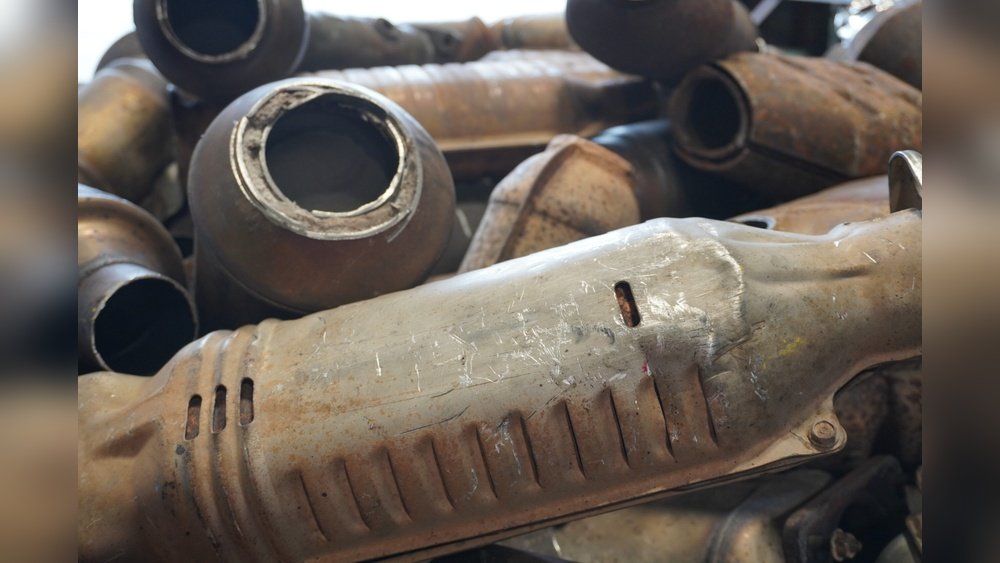
Is It Dangerous to Drive With a Bad Catalytic Converter? Risks Revealed
Have you ever wondered if driving with a bad catalytic converter is putting you at risk? You might think it’s just a minor car issue, but the truth could surprise you.
Ignoring this problem can lead to serious safety hazards, costly repairs, and even legal trouble. If you want to protect yourself, your passengers, and your wallet, it’s important to understand what a failing catalytic converter means for your car and your daily drive.
Keep reading to find out why this small part matters so much and what you should do if yours is failing.

Credit: www.youtube.com
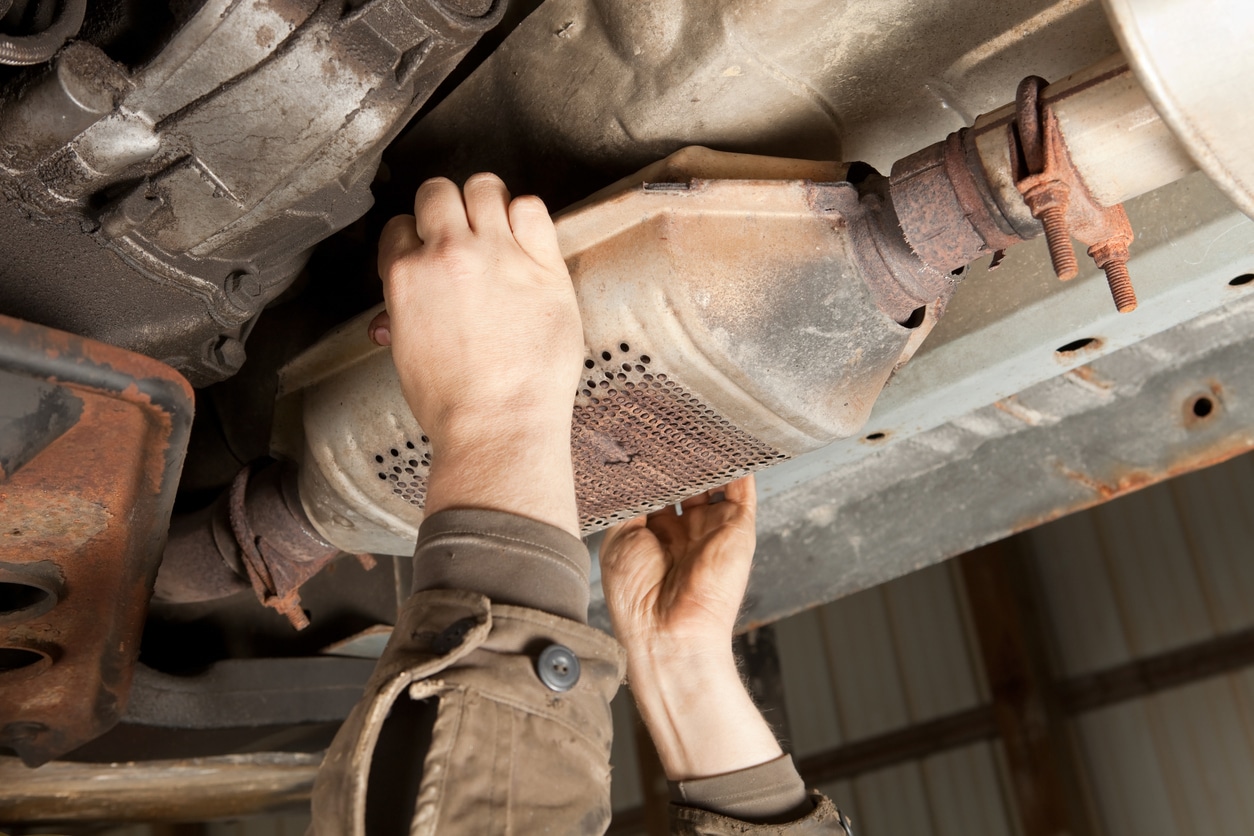
Signs Of A Failing Catalytic Converter
A failing catalytic converter can cause serious problems for your car. Recognizing the signs early helps prevent more damage. The converter plays a key role in reducing harmful emissions. When it starts to fail, your vehicle’s performance drops and pollution rises.
Spotting these signs helps you know when to get a checkup. Some problems are easy to notice. Others might need closer attention. Here are common signs of a failing catalytic converter.
Check Engine Light Turns On
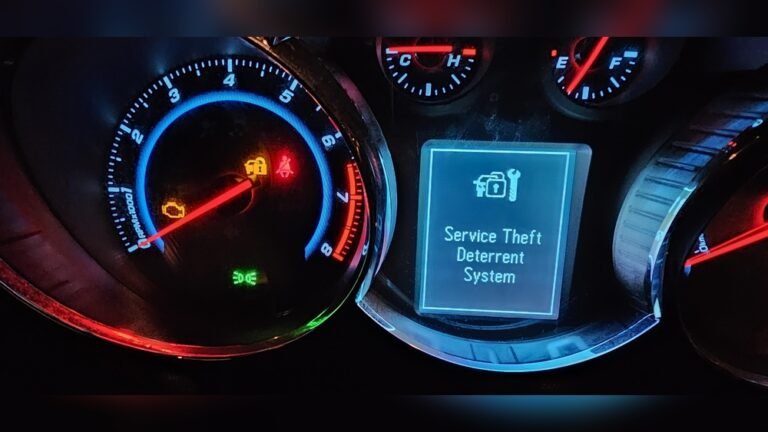
The check engine light often signals issues with the catalytic converter. Sensors detect when emissions are too high. This triggers the warning light on your dashboard. Ignoring this light can lead to bigger car troubles.
Reduced Engine Performance
A bad catalytic converter can block exhaust flow. This reduces power and slows acceleration. Your car may feel weak, especially going uphill. You might notice rough idling or stalling too.
Strange Exhaust Smell
A failing converter can cause a strong sulfur or rotten egg odor. This smell comes from unprocessed gases escaping. It is a clear sign that the converter is not working right.
Rattling Noise From Under The Car
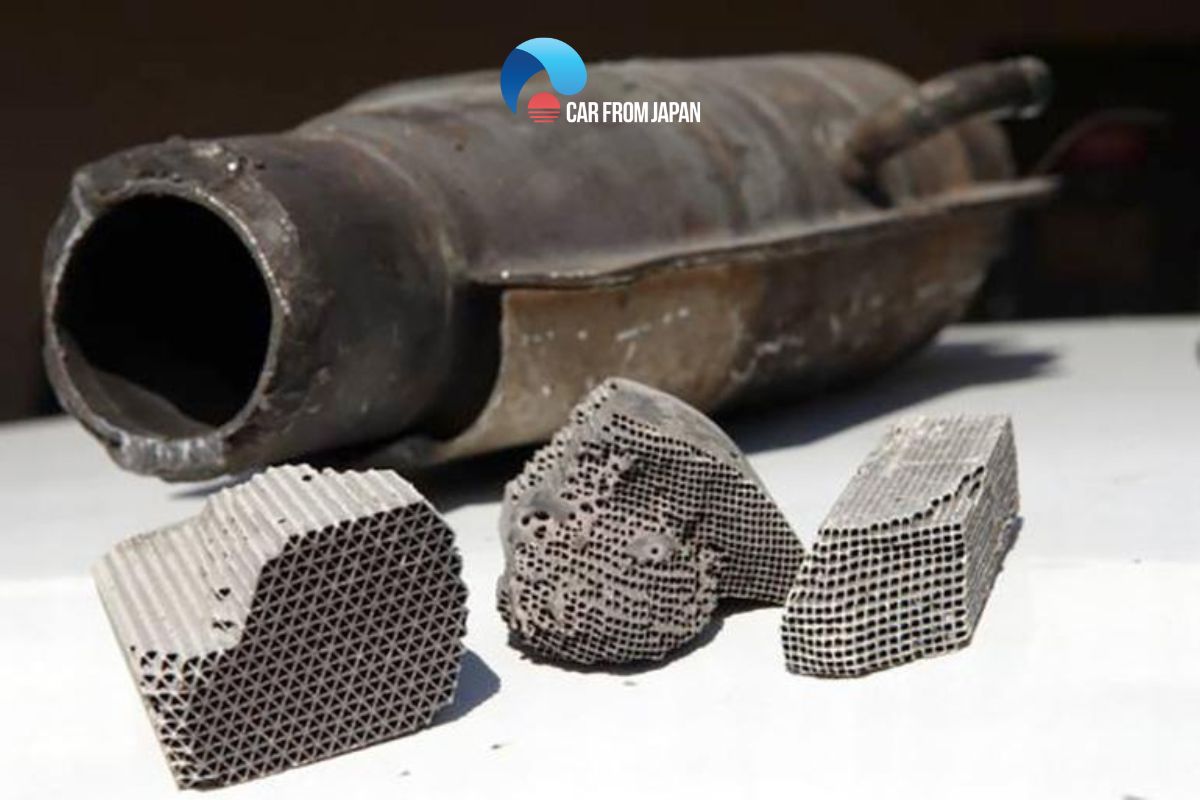
Damaged internal parts can cause rattling sounds. This noise happens when the converter breaks apart. It is most noticeable during acceleration or idling.
Failed Emissions Test
Your car may fail emissions testing with a bad catalytic converter. The converter helps lower harmful gases. Failure means the car releases too many pollutants. This requires immediate repair to pass future tests.
Credit: www.redexadditives.com
Safety Risks On The Road
Driving with a bad catalytic converter brings several safety risks on the road. This part helps clean harmful gases from your car’s exhaust. When it fails, your vehicle may not run properly. This can cause dangerous situations for you and others.
Reduced Engine Performance
A bad catalytic converter can block exhaust flow. This makes the engine work harder than usual. Your car may lose power suddenly while driving. It becomes harder to accelerate or climb hills. Such issues can cause accidents, especially in traffic.
Increased Emissions And Toxic Gases
The catalytic converter reduces harmful gases like carbon monoxide. If it is damaged, toxic gases may leak into the air. Carbon monoxide is colorless and odorless but deadly. It can enter the car cabin and cause serious health problems. Breathing this gas while driving is very dangerous.
Risk Of Engine Overheating
A clogged catalytic converter traps heat inside the engine. This can cause the engine to overheat quickly. Overheating may lead to sudden engine failure on the road. It increases the risk of breakdowns and accidents.
Possible Fire Hazard
Excess heat from a faulty catalytic converter can ignite nearby parts. This creates a fire risk under the car. Fires can spread fast and cause severe damage. Fire while driving puts everyone’s life at risk.
Impact On Vehicle Performance
A bad catalytic converter affects how your car runs. It changes the engine’s efficiency and power. This can make driving unsafe and uncomfortable.
The catalytic converter helps clean harmful gases from the engine. When it fails, exhaust flow gets blocked. This causes several problems inside the engine.
Reduced Engine Power
A clogged catalytic converter limits exhaust flow. This lowers engine power and acceleration. Your car will feel weak and slow. Hills and quick starts become harder to handle.
Poor Fuel Efficiency
The engine works harder to push exhaust through. This wastes fuel and lowers miles per gallon. You will need to fill the tank more often. This means more money spent on gas.
Engine Overheating
Blocked exhaust gases cause heat to build up. The engine may get too hot. Overheating can damage engine parts. This leads to expensive repairs later.
Check Engine Light Activation
The car’s computer detects converter problems. It turns on the check engine light. Ignoring this warning risks more damage. It signals your car needs attention soon.
Environmental Consequences
Driving with a bad catalytic converter harms the environment by releasing more pollution. Toxic gases can damage air quality and affect health. This part helps clean harmful emissions, so a faulty one causes serious environmental problems.
Increased Harmful Emissions
A bad catalytic converter cannot clean car exhaust well. It lets harmful gases like carbon monoxide and nitrogen oxides escape. These gases pollute the air and harm people’s health. Breathing polluted air can cause asthma and other lung problems.
Contribution To Smog Formation
Excess gases from a failing converter help create smog. Smog reduces visibility and causes eye irritation. It also damages plants and crops. Cities with many cars suffer from more smog, hurting the environment and public health.
Damage To The Ozone Layer
Some emissions from a bad catalytic converter can harm the ozone layer. The ozone layer protects Earth from the sun’s harmful ultraviolet rays. A thinner ozone layer increases skin cancer risks and harms wildlife.
Impact On Climate Change
Cars with bad catalytic converters release more greenhouse gases. These gases trap heat in the atmosphere, causing global warming. Global warming leads to extreme weather like storms and heatwaves. Reducing emissions helps protect the planet’s future.
Repair And Replacement Options
A bad catalytic converter can cause many car problems. Repairing or replacing it helps keep your car safe and efficient. Choosing the right option depends on the damage and cost. You can fix minor issues or replace the entire part for better results.
Repairing A Catalytic Converter
Small cracks or blockages may allow repairs. A mechanic can clean or patch damaged areas. Repair costs less than a full replacement. Repairs might not last long but can delay bigger issues. Quick fixes help avoid driving dangers for some time.
Replacing A Catalytic Converter
Severe damage means replacement is the best choice. New converters restore engine performance and reduce pollution. Replacement parts come as original or aftermarket options. Original parts fit perfectly but cost more. Aftermarket parts are cheaper but may vary in quality.
Choosing Between Repair And Replacement
Consider the cost and condition of your converter. Repair suits minor damage and tight budgets. Replacement is safer for long-term car health. A professional inspection helps decide the best option. Avoid driving long with a bad converter to stay safe.
Credit: carfromjapan.com
Frequently Asked Questions
Can A Bad Catalytic Converter Cause Car Damage?
Yes, a faulty catalytic converter can harm your engine and exhaust system. It may lead to overheating and reduced performance.
Is It Unsafe To Drive With A Failing Catalytic Converter?
Driving with a bad catalytic converter can be risky. It might cause poor engine response and increase harmful emissions.
How Does A Bad Catalytic Converter Affect Fuel Efficiency?
A damaged catalytic converter can lower your car’s fuel economy. It causes incomplete fuel burning, wasting gas.
Can A Bad Catalytic Converter Cause Car To Stall?
Yes, a failing catalytic converter can make your car stall. It blocks exhaust flow, causing engine trouble.
What Are The Signs Of A Bad Catalytic Converter?
Look for poor acceleration, strange smells, and check engine light. These often signal catalytic converter problems.
Conclusion
Driving with a bad catalytic converter can cause serious problems. It may lower your car’s performance and increase pollution. Engine damage can happen if you ignore this issue. Your safety and the environment are at risk. Fixing the converter helps your car run smoothly and cleanly.
Don’t wait for small problems to become big ones. Take care of your vehicle and drive safely every day.