
Can You Replace the Battery in a Tire Pressure Sensor? Essential Tips
Have you ever wondered if you can replace the battery in your tire pressure sensor instead of buying a whole new unit? If your tire pressure warning light keeps coming on, it might be tempting to try a quick fix.
But before you reach for a replacement sensor, it’s important to understand how these devices work and whether a simple battery swap is really possible. You’ll discover the facts about tire pressure sensor batteries, what options you have, and how to keep your sensors working properly without unnecessary costs.
Keep reading to find out what you need to know to protect your safety and your wallet.
How Tire Pressure Sensors Work
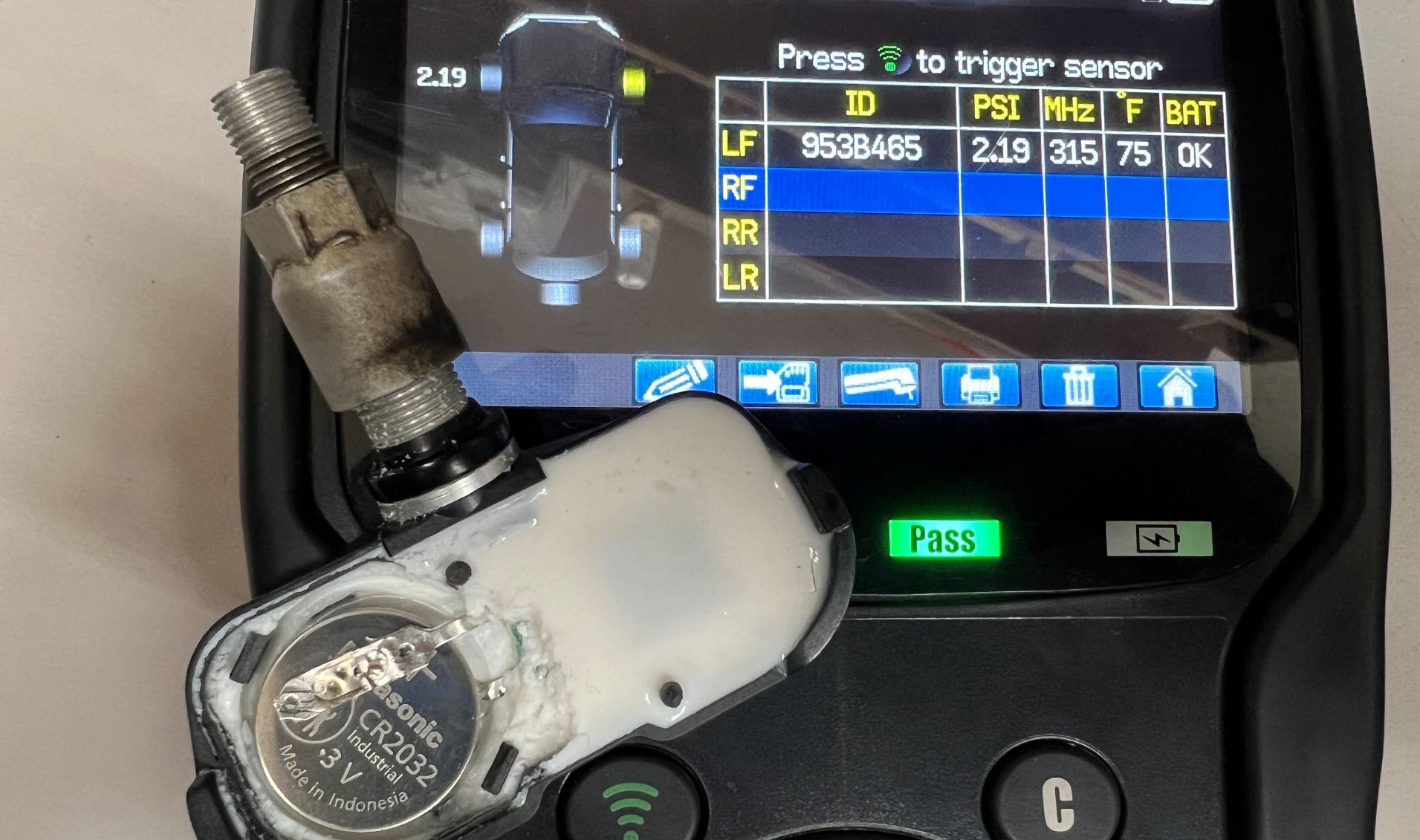
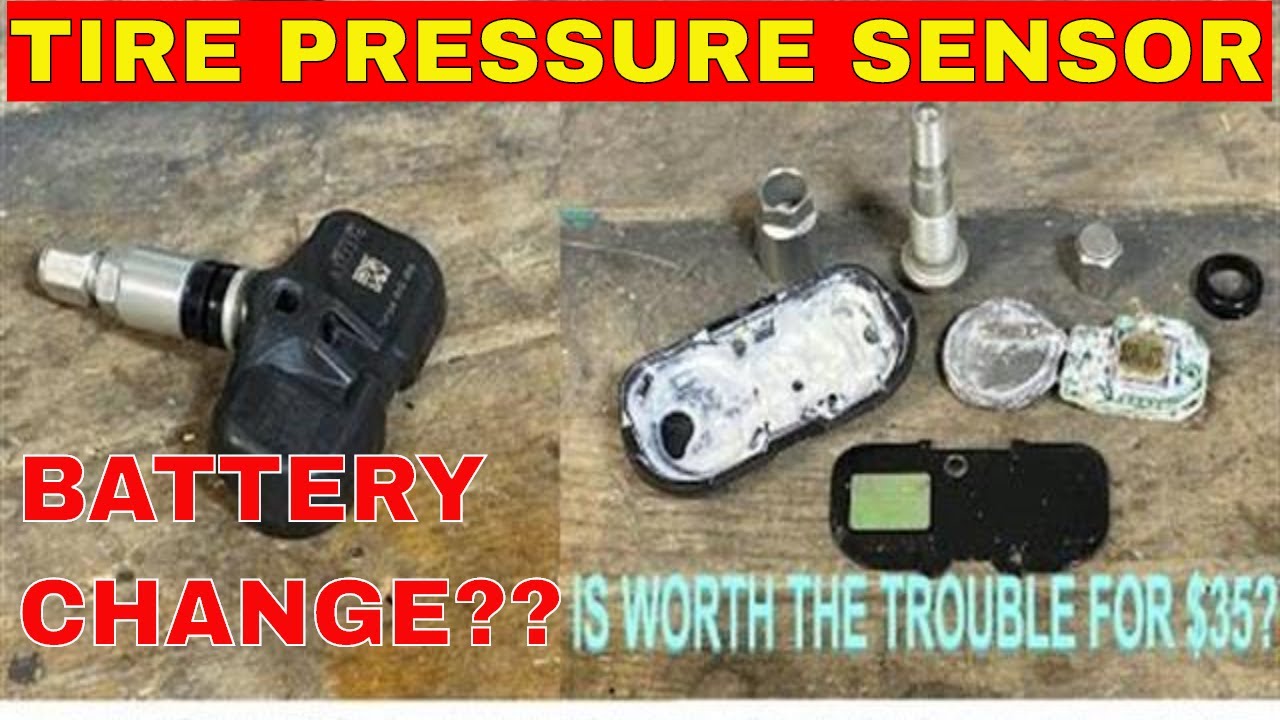
Tire pressure sensors use batteries to send air pressure data to your car’s computer. These batteries are sealed inside and usually cannot be replaced. When the battery dies, the whole sensor often needs to be swapped out.
Tire pressure sensors help keep your vehicle safe by monitoring tire air levels. They send pressure data to the car’s computer. This system alerts you if the pressure drops below the recommended level.
Each sensor is inside the tire on the wheel. It uses a small battery to power itself. The sensor measures air pressure and temperature. Then, it sends this information using radio signals.
The car’s computer receives these signals. It compares the data to preset pressure values. If the pressure is too low, a warning light turns on the dashboard. This helps prevent accidents and tire damage.
There are two main types of sensors: direct and indirect. Direct sensors measure pressure inside each tire. They have a small pressure gauge and a battery.
Indirect sensors do not measure pressure directly. Instead, they use the ABS system to detect tire rotation speed changes. This helps estimate if a tire is underinflated.
Sensor Battery Role
The sensor battery powers the device. It lasts several years but cannot be replaced easily. When the battery dies, the whole sensor must be changed.
Battery failure causes loss of pressure data. This means the warning system stops working. Drivers may not know if tires are underinflated.
Signal Transmission Process
The sensor sends radio waves to the car’s receiver. The receiver collects data from all four tires. It checks the pressure and temperature readings.
The data updates every few minutes while driving. This keeps the driver informed about tire conditions. It allows quick action to prevent unsafe driving.
Credit: artsautomotive.com
Signs Of A Failing Sensor Battery
Tire pressure sensors may show warning lights or give false readings when their batteries weaken. Sudden loss of signal or inconsistent alerts often point to a failing battery. Replacing the battery can restore proper function and avoid costly repairs.
Warning Light On The Dashboard
The most common sign of a failing sensor battery is a warning light. This light often looks like an exclamation mark inside a horseshoe shape. It appears when the sensor cannot send data to the car’s computer. The warning light may blink or stay on constantly.
Inaccurate Tire Pressure Readings
Another sign is wrong tire pressure readings. The sensor battery may be too weak to send accurate information. You might see numbers that do not match the actual tire pressure. This can confuse you and cause unsafe driving conditions.
Sensor Signal Loss
The sensor may lose its signal completely. This means the car’s system cannot detect the tire pressure at all. A dead or weak battery inside the sensor is often the cause. Signal loss can lead to no alerts or false alerts on the dashboard.
Frequent Alerts Without Changes
The car may give many alerts even if tire pressure is fine. This happens when the sensor battery is dying and sends mixed signals. The alerts may stop after some time or continue randomly. This can be annoying and unsafe.
Types Of Tire Pressure Sensors
Tire pressure sensors help keep your vehicle safe by monitoring air pressure. There are different kinds of sensors. Knowing the types helps you understand if you can change the battery.
Each type has unique features and ways to work. Some sensors are easier to service than others.
Direct Tire Pressure Sensors
Direct sensors sit inside the tire on the rim. They measure air pressure and temperature. These sensors send data to your car’s computer.
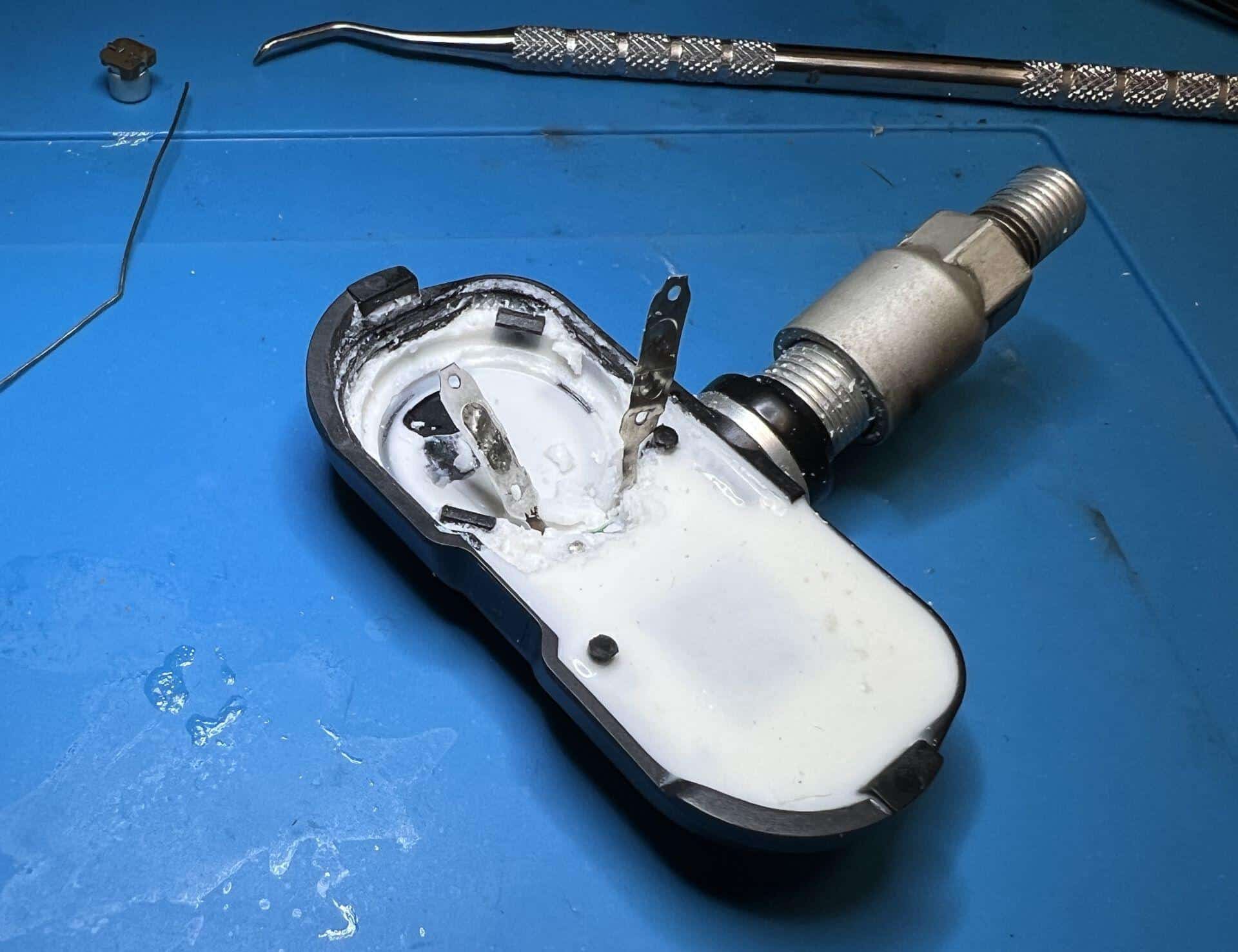
They use batteries to operate. Usually, the battery is sealed and hard to replace. Often, the whole sensor must be swapped if the battery dies.
Indirect Tire Pressure Sensors
Indirect sensors do not measure pressure directly. They use the car’s ABS system to detect wheel speed changes. This helps estimate tire pressure.
These sensors have no battery. They are cheaper and easier to maintain. But they are less accurate than direct sensors.
Programmable Tire Pressure Sensors
Some direct sensors are programmable. They can be reset or reprogrammed after installation. This allows better compatibility with different vehicles.
Battery replacement is still difficult. Usually, replacing the sensor is the best option when the battery dies.
Credit: www.youtube.com
Steps To Replace The Sensor Battery
Replacing the battery in a tire pressure sensor is possible but not always simple. Many sensors are sealed units, so the battery is not designed to be replaced separately. Some sensors allow battery replacement, which can save money and reduce waste. Follow these steps carefully to replace the battery in your sensor safely and correctly.
Gather The Necessary Tools
Prepare a small screwdriver, a new battery matching the sensor’s specifications, and a tire pressure sensor reset tool. Have a clean workspace to avoid losing small parts.
Remove The Tire Pressure Sensor
Deflate the tire and remove it from the wheel. Unscrew the valve stem to access the sensor. Carefully take out the sensor from the wheel rim without damaging it.
Open The Sensor Housing
Use the small screwdriver to pry open the sensor casing gently. Be careful not to break the plastic clips or seals. Open the housing to expose the battery compartment.
Replace The Battery
Take out the old battery and insert the new one in the same direction. Make sure the battery fits snugly and contacts align correctly. Avoid touching the battery with bare hands to prevent corrosion.
Reassemble The Sensor
Snap the sensor housing back together tightly. Check for any gaps or loose parts. The sensor must be sealed properly to avoid air leaks.
Reinstall The Sensor And Tire
Place the sensor back into the wheel rim. Screw the valve stem securely. Remount the tire and inflate it to the recommended pressure.
Reset The Sensor System
Use the reset tool or follow the vehicle’s manual to reset the tire pressure monitoring system. This step ensures the sensor communicates correctly with your car’s system.
Tools And Materials Needed
Replacing the battery in a tire pressure sensor requires the right tools and materials. Having these ready makes the task easier and safer. Each tool plays a key role in removing and reinstalling the sensor without damage.
Prepare your workspace with good lighting and enough room to work comfortably. Organize tools before starting to avoid delays. Keep a clean cloth handy to handle parts carefully and avoid dirt.
Basic Hand Tools
You need a set of small screwdrivers, both flathead and Phillips. A tire iron or lug wrench helps remove the tire from the wheel. A socket wrench set is useful for loosening nuts and bolts on the sensor.
Replacement Battery
Check the sensor manual or label for the correct battery type. Most sensors use small coin cell batteries like CR2032 or CR1632. Buy a new battery that matches the exact model for proper function.
Sensor Opening Tools
Some tire pressure sensors require special tools to open the casing. A plastic pry tool helps avoid scratches and cracks. Avoid metal tools that can damage delicate sensor parts.
Safety Gear
Wear gloves to protect your hands from sharp edges. Safety glasses shield your eyes from dust and debris. Use a dust mask if working in a dusty environment.
Tire Pressure Gauge And Air Pump
After replacing the battery, check the sensor’s accuracy with a pressure gauge. Use an air pump to adjust tire pressure to recommended levels. This ensures the sensor reads correctly.
Credit: artsautomotive.com
When To Replace The Entire Sensor
Knowing when to replace the entire tire pressure sensor is important. Sometimes the battery cannot be changed, and the sensor stops working. Replacing the whole unit ensures your tire pressure monitoring system works correctly.
Many sensors have sealed batteries. These batteries last several years but cannot be removed or replaced. When the battery dies, the sensor stops sending data. This makes the sensor useless, so replacement is necessary.
Damage to the sensor also means replacing it. Cracks, water damage, or broken parts affect sensor performance. Repairs are rarely possible, so a new sensor is the best choice.
Sensor Age And Battery Life
Most sensors last about 5 to 10 years. After this, the battery weakens, even if it looks fine. Sensors older than this should be replaced to avoid sudden failure.
Physical Damage To The Sensor
Hitting curbs or road debris can damage sensors. Even small cracks can stop the sensor from working. Replace the sensor if there is visible damage.
Sensor Not Communicating With The Vehicle
When the sensor no longer sends data, it may need replacement. Sometimes reprogramming helps, but often it fails. New sensors restore proper tire pressure alerts.
Cost Of Repair Vs. Replacement
Replacing a sensor is often cheaper than repairing. Repair options are limited and not always reliable. Buying a new sensor saves time and ensures safety.
Frequently Asked Questions
Can You Replace The Battery In A Tire Pressure Sensor?
Most tire pressure sensors have sealed batteries that cannot be replaced. The entire sensor usually needs to be replaced instead. This keeps the sensor working properly and safely.
How Long Does A Tire Pressure Sensor Battery Last?
Tire pressure sensor batteries typically last 5 to 10 years. Battery life depends on driving habits and weather conditions. Regular checks can help spot sensor battery issues early.
What Happens If A Tire Pressure Sensor Battery Dies?
A dead battery causes the sensor to stop sending data. This triggers the tire pressure warning light on your dashboard. You should replace the sensor to maintain safety.
Can A Mechanic Replace The Tire Pressure Sensor Battery?
Most mechanics replace the whole sensor instead of the battery. The sensor’s sealed design makes battery replacement difficult. Replacing the sensor is faster and more reliable.
How Do I Know If My Tire Pressure Sensor Battery Is Low?
The tire pressure warning light may blink or stay on. Some cars show a specific battery warning message. Regular vehicle check-ups help detect sensor battery problems early.
Conclusion
Replacing the battery in a tire pressure sensor is not easy. Most sensors have sealed units, making battery changes impossible. Buying a new sensor is often the best choice. This keeps your car safe and your tire pressure accurate. Always check your vehicle’s manual for specific advice.
Regular sensor checks help avoid unexpected problems. Taking quick action saves time and money later. Keep your tires in good shape for a smooth ride. Simple steps make a big difference in car safety.