Will My Car Pass Emissions With Check Engine Light On? Find Out Now
You’ve probably wondered, “Will my car pass emissions with the check engine light on?” It’s a question that can cause a lot of stress, especially when a test is looming. That little warning light can feel like a red flag, making you worry about costly repairs or failing the test altogether.
But what does it really mean for your emissions check? You’ll find clear answers and practical tips to help you understand what’s going on under the hood—and what you can do to get your car ready. Keep reading to find out how that light affects your chances of passing and what steps you should take next.

Credit: www.reddit.com
Check Engine Light Basics
The check engine light is a key part of your car’s dashboard. It alerts you when the car’s computer detects a problem. Understanding this light helps you know what to do next. It could mean anything from a small issue to a serious problem.
Knowing the basics of the check engine light can guide you in deciding if your car will pass emissions tests. This section explains what triggers the light and the types of engine codes that cause it.
What Triggers The Light
The check engine light turns on for many reasons. It might be a loose gas cap, a faulty sensor, or a problem with the engine. Sometimes, the light flashes, which means a serious issue needs quick attention. Other times, it stays on steadily, indicating a less urgent problem.
Modern cars have sensors that monitor emissions and engine parts. If these sensors find something wrong, they alert the car’s computer. The computer then switches on the check engine light. This helps prevent damage and keeps emissions low.
Types Of Engine Codes
The car’s computer stores trouble codes when the check engine light comes on. These codes explain what part of the car has an issue. There are generic codes that apply to all cars and manufacturer-specific codes unique to each brand.
Engine codes fall into categories like emissions control, ignition, fuel system, and sensors. A mechanic uses a code reader to find these codes. This helps diagnose the problem and decide how to fix it.

Credit: www.youtube.com
Emissions Test Criteria
Emissions tests check if a vehicle meets pollution standards set by authorities. The goal is to reduce harmful gases released into the air. Cars must pass these tests to be legal on the road.
Tests focus on specific parts of the car that control pollution. If these parts do not work well, the car may fail the test. A check engine light often signals a problem with these parts.
Key Emission Components Tested
The emissions test looks at parts like the catalytic converter, oxygen sensors, and the exhaust system. The catalytic converter changes harmful gases into less dangerous ones. Oxygen sensors monitor the amount of oxygen in the exhaust to keep the engine running clean. The exhaust system guides gases out of the car safely.
These components must work correctly for the car to pass the test. Problems in any of these parts can cause high pollution levels.
Impact Of Engine Issues On Emissions
Engine problems often increase harmful emissions. A check engine light usually means the engine control system found a fault. Issues like misfires, bad sensors, or fuel system errors cause more pollution. The car’s computer records these faults in the system.
During the emissions test, this stored data is checked. If unresolved problems exist, the car will likely fail the test. Repairing engine issues before the test improves chances of passing.
Effects Of Check Engine Light On Testing
The check engine light can affect your vehicle’s emissions test results. This light signals a problem in the engine or related systems. Testing centers use this light as a key factor in passing or failing your car.
When the check engine light is on, it means the car’s computer has detected an issue. This issue can increase pollution from your vehicle. Testing machines scan for these signals to ensure cars meet clean air standards.
Automatic Test Failures
Cars with an active check engine light often fail emissions tests automatically. The light shows that the engine control system has a fault. This fault can cause your vehicle to release more harmful gases.
Testing centers do not require further checks if the light is on. The failure is immediate because the vehicle does not meet emissions limits. This rule helps keep the air cleaner and safer.
When Exceptions Apply
Some states allow exceptions for the check engine light during emissions testing. These exceptions depend on the type and cause of the fault. Minor or unrelated issues may not cause an automatic fail.
In some cases, a pending code or a temporary light may not fail the test. But this varies by location and testing rules. Always check your local guidelines for specific rules on the check engine light.
Common Causes For Light And Emissions Failures
Many drivers worry about failing emissions tests when their check engine light turns on. This light signals problems that can affect your car’s emissions. Knowing common causes helps you understand what might stop your car from passing.
Most emissions failures relate to parts that control or monitor pollution. Some problems are easy to fix, while others may need more work. Two frequent issues are faulty oxygen sensors and catalytic converter problems.
Faulty Oxygen Sensors
Oxygen sensors measure oxygen levels in the exhaust. This helps your engine run efficiently and reduce pollution. A bad sensor sends wrong data to the car’s computer. The engine may burn too much fuel or run too lean. This raises emissions and triggers the check engine light. Cars with faulty oxygen sensors often fail emissions tests.
Catalytic Converter Problems
The catalytic converter cleans harmful gases from exhaust fumes. It changes toxic gases into less harmful ones. If it is damaged or clogged, emissions increase. This part can fail due to age or engine issues. A bad catalytic converter usually causes the check engine light to come on. This failure often leads to failing emissions tests.
Steps To Take Before Your Emissions Test
Preparing for an emissions test can be stressful, especially with a check engine light on. Taking the right steps before the test boosts your chances of passing. It also helps avoid surprise repairs or test failures. A careful approach saves time and money.
Start by understanding what the check engine light means. Then try easy fixes to improve your car’s performance. These steps make your vehicle ready for the test and reduce emissions.
Diagnosing The Engine Light
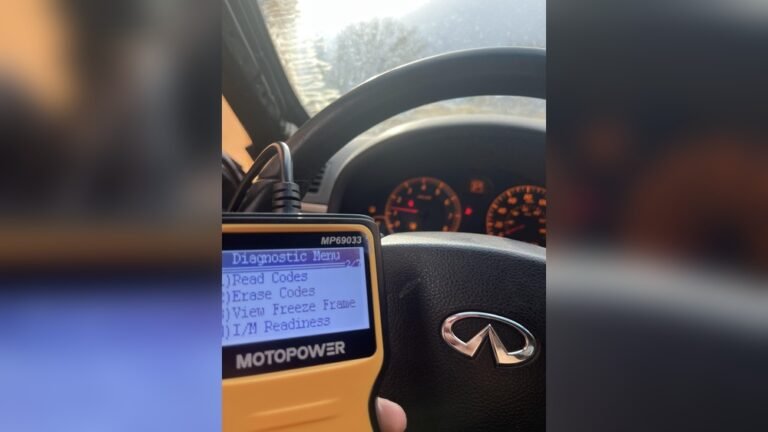
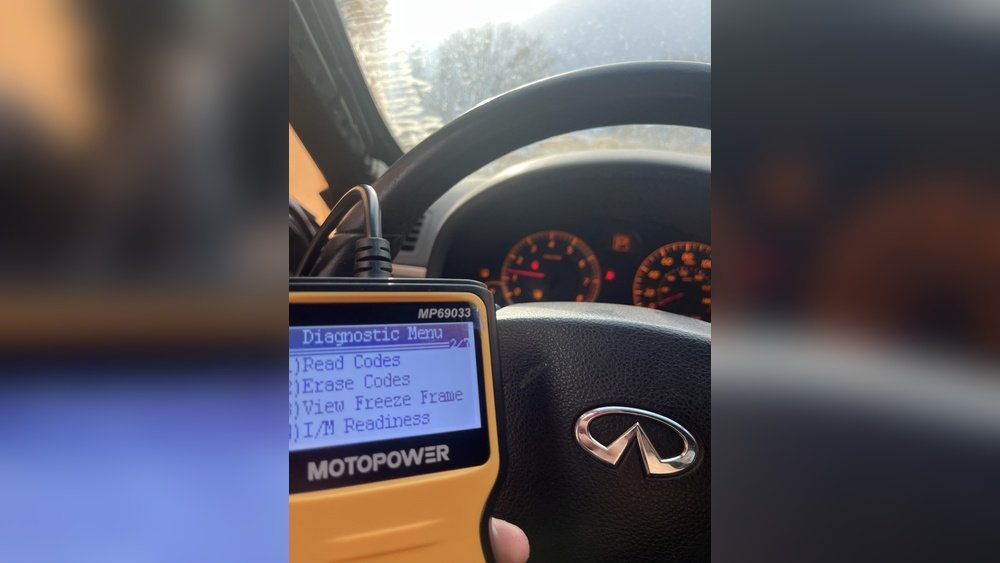
Use an OBD-II scanner to read the error codes from your car. These codes explain why the check engine light is on. Many auto parts stores offer free scanning services. Knowing the exact problem helps you decide the next step.
Common causes include a loose gas cap, faulty oxygen sensors, or spark plug issues. Some problems are simple and quick to fix. Others might need a mechanic’s help. Ignoring these codes risks failing the emissions test.
Simple Fixes To Improve Chances
Start with checking the gas cap. Tighten or replace it if it’s loose or cracked. This fix often turns off the check engine light. Next, replace dirty air filters and old spark plugs. These parts affect engine efficiency and emissions.
Keep your gas tank between a quarter and three-quarters full. Avoid running the car on empty before the test. Also, drive your car for at least 20 minutes before the test. This warms the engine and clears stored error codes.
These easy steps can lower emissions and improve test results. They prepare your car for a better outcome without costly repairs.
What To Do If You Fail The Emissions Test
Failing an emissions test can feel frustrating and confusing. The check engine light might be on, and you wonder what steps to take next. Knowing your options helps you act fast and avoid more problems.
There are clear steps to follow after a failed emissions test. These steps focus on fixing the problem and getting your car ready for another test. Taking the right actions saves time and money.
Repair Options
Start by finding out why the car failed the test. A mechanic can read the error codes from the check engine light. These codes show what parts need repair or replacement.
Common fixes include repairing the oxygen sensor, replacing the catalytic converter, or fixing a gas cap leak. Some repairs might be simple, while others need more work. Always choose a trusted shop for repairs.
Retesting Procedures
After repairs, the car must pass the emissions test again. Many states allow a free retest within a certain time. Check local rules to know your options.
Before going to the retest, clear the check engine light. Drive the car for a few days to reset the system. This step increases the chance of passing the test the second time.

Credit: www.reddit.com
Frequently Asked Questions
Will A Check Engine Light Cause Emissions Test Failure?
A Check Engine Light often means a problem with your car’s emissions. Most testing centers will fail cars with this light on. It’s best to fix the issue before the test.
Can Minor Engine Issues Pass Emissions Testing?
Minor issues might not fail the test, but it depends on the problem. Some faults affect emissions more than others. A diagnostic check helps decide if repairs are needed.
How Long After Fixing Can I Test Emissions?
Wait a few days after repairs before testing. This allows the car’s computer to reset and check systems. Testing too soon may cause a false fail.
Does Driving Style Affect Emissions With Check Engine Light On?
Yes, driving gently can reduce emissions temporarily. But it won’t fix the underlying problem causing the light. Repairs are necessary for a reliable test pass.
What Should I Do If My Car Fails Emissions?
Get a detailed diagnosis to find the cause of failure. Fix the problem and clear the error codes. Then, retake the emissions test for a better chance to pass.
Conclusion
A check engine light can mean trouble for emissions tests. Cars with this light on often fail inspections. The light shows the engine needs attention. Fixing issues can improve your chances of passing. Don’t ignore the warning; it protects your car and the environment.
Regular maintenance keeps your vehicle running clean and smooth. Emissions tests ensure safer air for everyone. Stay ahead by checking your car early. Passing the test helps avoid fines and repairs later. Keep your car healthy, and the engine light off.