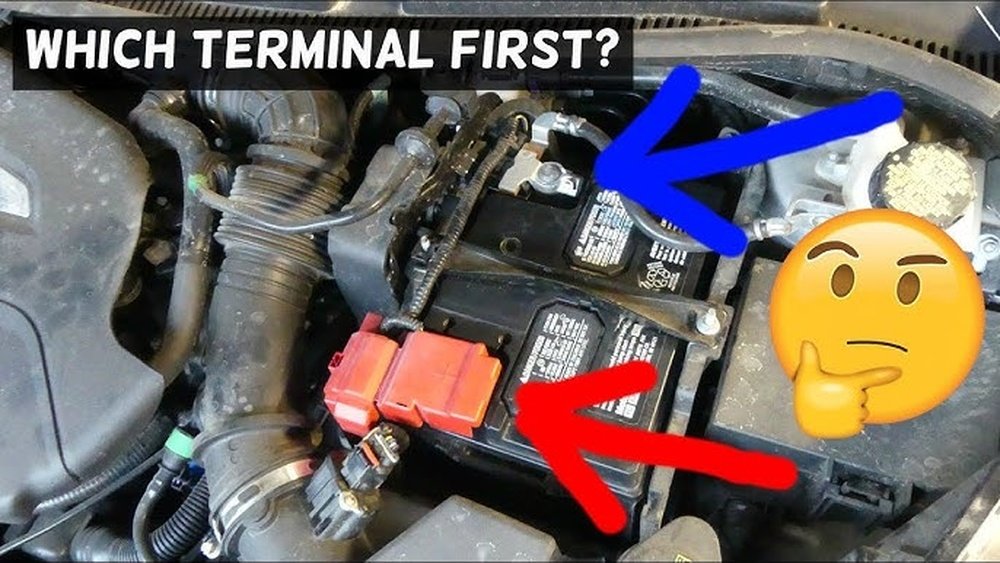
Do You Remove Negative Or Positive First Car Battery: Expert Guide
When it comes to changing your car battery, you might wonder: should you remove the negative or the positive terminal first? It may seem like a small detail, but getting this step right can save you from sparks, damage, or even injury.
If you’re about to tackle this task yourself, knowing the correct order is crucial for your safety and your car’s health. Keep reading to find out exactly which terminal to remove first and why it matters so much. This simple tip could make your battery replacement easier and safer than you ever expected.

Credit: www.wikihow.com
Car Battery Basics
Start by removing the negative terminal first to avoid sparks. Then, disconnect the positive terminal carefully. This order keeps you safe while handling car batteries.
Battery Terminals Explained
A car battery has two terminals: positive and negative. The positive terminal usually has a plus sign (+). It often has a red cover or cable. The negative terminal has a minus sign (−) and usually has a black cover or cable. These terminals connect the battery to the car’s electrical system.
Each terminal plays a different role. The positive terminal sends power to the car. The negative terminal completes the electrical circuit by connecting to the car’s ground. Knowing these terminals helps in safe battery removal and installation.
Importance Of Proper Removal
Removing the battery correctly prevents sparks and damage. Disconnecting the negative terminal first stops electrical flow safely. It reduces the risk of short circuits. Removing the positive terminal first can cause sparks and harm the car’s electronics.
Proper removal also protects you from electric shocks. It helps keep the battery and car parts in good shape. Following the right steps makes battery maintenance safer and easier.
Safety Precautions
Handling a car battery requires care to avoid accidents. Safety is the top priority during removal. Batteries contain acid and store electricity that can cause harm. Taking the right safety steps protects you and your car.
Protective Gear To Wear
Wear safety glasses to shield your eyes from acid splashes. Use thick gloves to protect your hands from chemicals and sharp edges. Long sleeves and pants reduce skin exposure. Closed-toe shoes protect your feet from falling tools or battery parts.
Tools Needed For Battery Removal
Gather the right tools before starting. A wrench or socket set helps loosen battery terminals. A battery terminal puller makes removal easier and safer. Keep a wire brush nearby to clean corrosion. Have a plastic container ready to hold the battery securely after removal.
Removing The Negative Terminal First
Removing the negative terminal first is a safe way to disconnect a car battery. It helps prevent short circuits and sparks. This method is important to protect both you and your vehicle’s electrical system.
Following the right steps keeps the process safe and smooth. Let’s see why starting with the negative terminal matters and how to do it correctly.
Why Start With Negative
The negative terminal connects to the car’s metal frame. Removing it first breaks the circuit. This reduces the risk of electrical sparks. Sparks can cause injury or damage to the car.
If you remove the positive terminal first, a tool might touch the metal frame. This can create a short circuit. That is dangerous. Removing the negative terminal first keeps the metal frame safe.
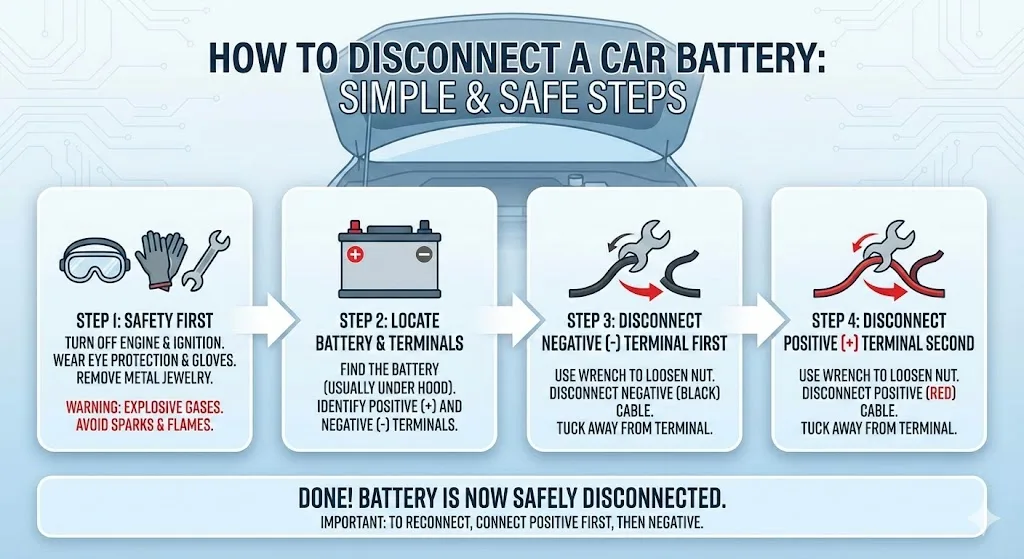
Step-by-step Removal Process
First, turn off the car and remove the key. This stops the electrical system.
Next, find the negative terminal. It usually has a minus sign (-) or a black cable.
Use a wrench to loosen the nut on the negative terminal clamp. Do not remove the nut completely yet.
Once loose, carefully lift the clamp off the battery post. Move the cable away from the battery.
After the negative terminal is off, follow the same steps for the positive terminal. The positive terminal has a plus sign (+) or a red cable.
Keep the terminal clamps away from the battery posts to avoid contact. This prevents sparks or shorts.
Credit: www.simivalleychryslerdodgejeepram.com
Removing The Positive Terminal First
Removing the positive terminal first is less common in car battery maintenance. Most guides suggest disconnecting the negative terminal first for safety. Still, some situations call for removing the positive terminal first. Understanding these cases helps prevent damage and accidents. This section explains the risks and when it might be necessary to remove the positive terminal first.
Risks Involved
Removing the positive terminal first can cause sparks. Sparks near the battery can ignite flammable gases. This leads to dangerous explosions or fires. Also, if a metal tool touches the car’s frame while on the positive terminal, it can cause a short circuit. Short circuits may damage the car’s electrical system. The risk of electric shock also increases when the positive terminal is removed first. Such hazards make this method risky for most people.
When It Might Be Necessary
Removing the positive terminal first may be needed during certain repairs. Some cars have specific electrical setups requiring this step. Mechanics might follow this order to avoid damaging sensitive electronics. If the negative terminal is hard to reach, the positive terminal may be disconnected first. Always check the car’s manual before starting. Using the right method keeps you and the vehicle safe.
Common Mistakes To Avoid
Removing a car battery may seem simple, but many people make mistakes. These errors can cause harm or damage to the vehicle. Knowing what to avoid helps keep you safe and protects the car’s electrical system. Let’s explore common mistakes and how to prevent them.
Potential Hazards
Touching the wrong battery terminal can cause sparks or shocks. Sparks may ignite flammable gases around the battery. Dropping metal tools on terminals may short-circuit the battery. Batteries contain acid, which can cause burns if spilled. Always wear gloves and eye protection for safety.
Damage Prevention Tips
Disconnect the negative terminal first to avoid short circuits. Keep metal tools away from the battery terminals. Clean terminals carefully to avoid corrosion damage. Avoid forcing the battery out; it might crack or leak. Secure the new battery firmly to prevent movement while driving.
Reinstalling Your Car Battery
Reinstalling your car battery is a simple but important task. Doing it correctly helps your car start easily and avoids damage. Take your time and follow safety rules. This section explains the right way to connect your battery and what to check before finishing.
Correct Terminal Connection Order
Always connect the positive terminal first. It has a plus (+) sign and is usually red. Attach the positive cable securely to the battery. Then connect the negative terminal. This one has a minus (–) sign and is usually black. Tighten both terminals firmly to avoid loose connections. Loose cables can cause starting problems.
Final Safety Checks
Check the battery for any signs of damage or leaks. Make sure the terminals are clean and free from corrosion. Use a wrench to ensure all connections are tight but do not over-tighten. Confirm no metal tools touch both terminals at once. This prevents sparks or short circuits. Close the battery cover properly before starting the car.

Credit: www.youtube.com
Frequently Asked Questions
Which Battery Terminal Should I Remove First?
Always remove the negative terminal first to reduce the risk of sparks and short circuits.
Why Remove The Negative Terminal Before The Positive?
The negative terminal is connected to the car’s frame, so removing it first prevents accidental grounding.
Can Removing The Positive Terminal First Cause Damage?
Yes, removing the positive terminal first can cause sparks and may damage your vehicle’s electrical system.
What Is The Safest Way To Disconnect A Car Battery?
Disconnect the negative terminal first, then the positive, to avoid electrical shorts or shocks.
Does The Order Of Battery Removal Affect Car Safety?
Yes, removing negative first minimizes risks of sparks and electrical hazards during battery removal.
Conclusion
Removing the car battery safely protects you and your vehicle. Always disconnect the negative terminal first. This step helps avoid sparks and accidents. Then, remove the positive terminal carefully. Remember to keep metal tools away from the terminals. Follow these simple steps to work confidently on your car battery.
Safety matters most during this task. Stay cautious, and your battery change will go smoothly.