How Often Should You Change Your Transmission Filter: Essential Guide
Your car’s transmission filter might not be something you think about every day, but it plays a huge role in keeping your vehicle running smoothly. Ignoring it can lead to costly repairs and unexpected breakdowns.
So, how often should you change your transmission filter to avoid these headaches? If you want to protect your investment and save money in the long run, understanding the right timing for this simple maintenance task is key. Keep reading, and you’ll discover exactly when and why changing your transmission filter matters more than you might think.
Credit: www.cbac.com
Signs You Need A Transmission Filter Change
Knowing the signs of a bad transmission filter can save you from costly repairs. The transmission filter keeps dirt and debris out of the transmission fluid. Over time, it clogs and stops working well. Watch for these clear signs to know when to change it.
Difficulty Shifting Gears
Hard or rough gear changes often mean a clogged filter. The fluid may not flow properly. Your car might hesitate or jerk when shifting. This can affect driving safety and comfort.
Transmission Slipping
The transmission might slip if the filter is dirty. This means the car changes gears on its own. The engine revs up but the car moves slowly. It signals a problem with fluid flow.
Strange Noises
Listen for whining or clunking noises from the transmission. These sounds can indicate low fluid pressure. A blocked filter can cause the fluid to stop circulating well.
Transmission Fluid Leaks
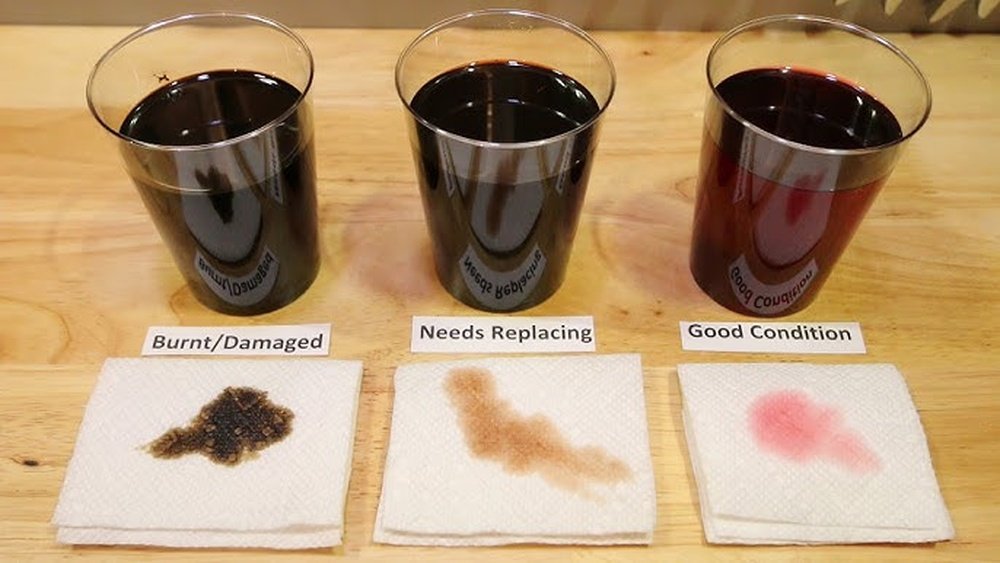
Dirty or clogged filters increase pressure in the system. This can cause leaks around the transmission. Look for red or brown fluid under your car. Leaks need quick attention to avoid damage.
Burning Smell
A burnt smell from the transmission shows overheating. Dirty fluid trapped by a bad filter causes heat. Overheating harms transmission parts and lowers lifespan.

Credit: www.servicecentreperth.com.au
Factors Affecting Transmission Filter Lifespan
Understanding what affects your transmission filter’s lifespan helps you keep your car running smoothly. The filter traps dirt and metal particles. Over time, it can get clogged and stop working well. Several factors change how long the filter lasts.
Knowing these factors helps you plan when to replace the filter. It can save costly repairs and keep your transmission healthy.
Driving Conditions
Rough roads and stop-and-go traffic stress the transmission. Dirt and dust enter the system more often. This clogs the filter faster. City driving usually wears the filter quicker than highway driving.
Vehicle Age And Mileage
Older cars or those with many miles often need filter changes sooner. Wear and tear increase over time. High mileage means more debris in the transmission fluid. This clogs the filter earlier than expected.
Transmission Fluid Quality
Dirty or low-quality fluid harms the filter. Good fluid keeps the transmission clean. Changing fluid regularly helps the filter last longer. Poor fluid speeds up filter clogging.
Type Of Transmission
Automatic and manual transmissions have different filters. Some filters last longer than others. Your car’s manual or dealer can tell you the right interval for your type.
Recommended Change Intervals By Vehicle Type
Different vehicles need their transmission filters changed at various times. Small cars often require changes every 30,000 miles. Trucks and SUVs may need it sooner or later, depending on use and model. Checking your owner’s manual helps find the right interval.
Transmission filter change intervals vary by vehicle type. This depends on the transmission design and driving conditions. Regular maintenance keeps your transmission healthy and prevents costly repairs.
Knowing the right interval helps you avoid damage. Each vehicle type has a general guideline for filter changes. Follow these to keep your transmission running smoothly.
Passenger Cars
Most passenger cars need a transmission filter change every 30,000 to 60,000 miles. Some newer models use lifetime filters but still benefit from checks. Changing the filter helps prevent dirt buildup and fluid contamination.
Light Trucks And Suvs
Light trucks and SUVs often require filter changes every 30,000 to 50,000 miles. These vehicles carry heavier loads and may tow, which stresses the transmission more. Frequent filter changes help maintain shifting quality and transmission life.
Commercial Vehicles
Commercial vehicles usually need filter changes more often, around every 20,000 to 40,000 miles. They face tougher driving conditions and heavier use. Regular filter replacement protects the transmission from premature wear.
High-performance And Sports Cars
High-performance and sports cars may need filter changes every 20,000 to 30,000 miles. Their transmissions work harder due to higher speeds and aggressive driving. Timely filter changes ensure smooth gear shifts and optimal performance.
Step-by-step Transmission Filter Replacement
Replacing your transmission filter is an important car care task. It keeps the transmission fluid clean and your car running smoothly. This step-by-step guide will help you change the filter safely and correctly.
Take your time and follow each step carefully. A clean filter prevents damage and extends your transmission’s life.
Prepare Your Vehicle
Park on a flat surface and turn off the engine. Use wheel chocks to stop the car from moving. Wear gloves to protect your hands. Gather all tools and materials you need.
Drain The Transmission Fluid
Locate the transmission pan under your car. Place a drain pan below it. Remove the drain plug or loosen the pan bolts. Let the fluid drain completely before moving on.
Remove The Transmission Pan
Take off all bolts holding the pan. Gently lower the pan to avoid spilling fluid. Clean the pan and check for metal shavings or debris.
Remove The Old Filter
Find the transmission filter inside the pan area. Pull the filter straight down to remove it. Check the old filter for dirt and damage.
Install The New Filter
Align the new filter with the slots. Push it firmly into place. Make sure it fits securely without forcing it.
Replace The Transmission Pan Gasket
Remove the old gasket from the pan edge. Clean the surface to remove old sealant. Attach the new gasket carefully to avoid leaks.
Reattach The Transmission Pan
Position the pan back on the transmission. Tighten the bolts evenly in a crisscross pattern. Do not overtighten to prevent warping the pan.
Refill Transmission Fluid
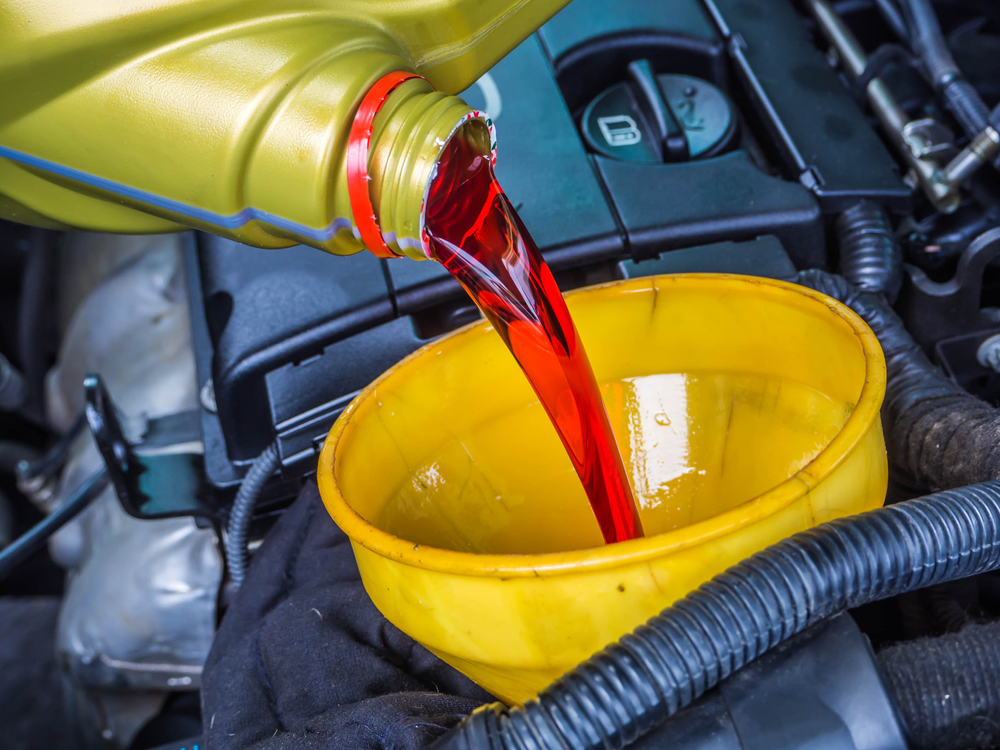
Open the transmission fluid fill port. Pour the correct type and amount of fluid. Use a funnel to avoid spills. Check the fluid level with the dipstick.
Test Your Vehicle
Start the engine and let it warm up. Shift through all gears slowly. Check for leaks under the car. Recheck the fluid level and add if needed.
Consequences Of Neglecting Filter Changes
Neglecting to change your transmission filter can cause dirt buildup and reduce fluid flow. This leads to poor shifting and potential transmission damage. Regular filter changes help keep your vehicle running smoothly.
Clogged Filter Leads To Transmission Damage
A dirty transmission filter blocks fluid flow. This causes poor lubrication inside the transmission. Without enough clean fluid, parts wear out faster. Over time, this can cause serious damage to gears and clutches. Repairs become costly and time-consuming.
Overheating Risks Increase
Old filters trap dirt and debris. This makes the transmission work harder. The extra strain causes the transmission to overheat. High temperatures break down the transmission fluid. Overheated fluid loses its ability to protect moving parts. This speeds up wear and can cause failure.
Poor Shifting And Performance Problems
A blocked filter disrupts fluid flow. This leads to rough or delayed gear shifts. You may notice slipping or jerking while driving. Such symptoms reduce vehicle control and comfort. Ignoring these signs risks bigger transmission issues.
Reduced Fuel Efficiency
The transmission struggles with dirty fluid. It uses more energy to operate. This extra effort lowers gas mileage. Keeping the filter clean helps maintain better fuel economy. Neglecting it wastes fuel and money.

Credit: www.amazon.com
Tips To Maintain Transmission Health
Keeping your transmission in good shape extends its life and saves money. Simple steps help avoid costly repairs and keep your car running smoothly. These tips focus on easy habits to protect your transmission.
Regular care keeps the transmission filter clean and functioning well. Clean filters stop dirt and debris from damaging parts. Healthy transmissions improve fuel efficiency and driving comfort.
Check Transmission Fluid Levels Regularly
Transmission fluid cools and lubricates moving parts. Low or dirty fluid harms the transmission. Check fluid monthly. Use the correct type for your vehicle. Fill or replace if needed.
Change Transmission Filter On Schedule
The transmission filter catches dirt and metal shavings. Over time, it clogs and reduces fluid flow. Change the filter every 30,000 to 60,000 miles. Follow the vehicle’s service guide for exact timing.
Avoid Overheating The Transmission
Heat breaks down transmission fluid and parts. Avoid towing heavy loads beyond limits. Stop in traffic when possible to reduce heat. Install a transmission cooler if you tow often.
Drive Smoothly And Avoid Abrupt Shifts
Hard starts and sudden stops strain the transmission. Shift gears gently. Let the car warm up before driving. Smooth driving reduces wear and tear on parts.
Schedule Regular Professional Inspections
Experts spot early signs of transmission issues. Schedule inspections every 12,000 miles or yearly. Early fixes prevent major breakdowns and extend transmission life.
Frequently Asked Questions
How Often Should You Change Your Transmission Filter?
Most experts suggest changing the transmission filter every 30,000 to 60,000 miles. Check your vehicle’s manual for exact recommendations.
What Happens If The Transmission Filter Is Not Changed?
A dirty filter can cause poor shifting and transmission damage. It blocks fluid flow and reduces performance.
Can I Change The Transmission Filter Myself?
Yes, but it requires some tools and knowledge. If unsure, a mechanic can do it safely.
Does Every Car Have A Transmission Filter?
Most automatic cars have a filter, but some newer models use a different system. Check your car’s manual.
How Do I Know If My Transmission Filter Needs Changing?
Signs include slipping gears, strange noises, or delayed shifting. Regular maintenance helps avoid these issues.
Conclusion
Changing your transmission filter helps keep your car running well. A clean filter stops dirt from damaging the transmission. Most experts suggest changing it every 30,000 to 60,000 miles. Check your car’s manual for the best advice. Watch for signs like slipping gears or strange noises.
Regular filter changes save money and avoid costly repairs. Don’t wait until problems start. Stay on top of your car’s care. It’s a small step that makes a big difference.