How Do You Know When Your Catalytic Converter is Bad: Key Signs to Watch
Have you noticed your car acting up lately? Maybe it’s not running as smoothly, or you’re seeing a strange smell or unusual noise.
These could be signs that your catalytic converter is failing. But how do you know for sure when your catalytic converter is bad? Understanding the warning signs can save you time, money, and stress. Keep reading to find out what to look for and what steps you should take next.
Your car—and your wallet—will thank you.
Common Symptoms Of A Failing Catalytic Converter
The catalytic converter plays an important role in reducing harmful emissions from your vehicle. When it starts to fail, your car’s performance and the environment both suffer. Recognizing the common symptoms of a failing catalytic converter helps you act fast.
These signs often show up early. Catching them soon can save you from expensive repairs and keep your car running smoothly. Watch out for these clear symptoms.
Check Engine Light Turns On
The check engine light often signals a problem with the catalytic converter. The vehicle’s computer detects when emissions are too high. It triggers the light on your dashboard. Don’t ignore this warning. It means your catalytic converter may not work properly.
Decreased Engine Performance
Your car may feel weaker or slower. Acceleration takes longer than usual. The engine might hesitate or stall. These are signs the catalytic converter is clogged or damaged. It stops exhaust gases from flowing freely, hurting engine power.
Rattling Noise From Under The Car
A broken catalytic converter can make a rattling sound. This noise happens when internal parts break loose. It is more noticeable when you start the car or accelerate. Strange noises under your vehicle mean it needs a check-up.
Bad Smell Coming From Exhaust
A failing catalytic converter can cause a strong, unpleasant smell. It often smells like rotten eggs. This happens because the converter can’t clean the exhaust gases properly. A bad odor is a clear sign of trouble.
Reduced Fuel Efficiency
Your car may use more gas than before. A bad catalytic converter affects how efficiently fuel burns. You might notice you fill up the tank more often. Poor fuel economy is a warning signal worth noting.
Unusual Exhaust Smells And Their Meaning
Unusual exhaust smells often signal problems with your catalytic converter. This device cleans harmful gases from your car’s exhaust. When it fails, strange odors can appear. These smells are clues about what is wrong.
Recognizing these smells early can help avoid costly repairs. Pay attention to any new or odd scents coming from your exhaust. Each smell points to a specific issue.
Rotten Egg Smell
A strong rotten egg smell means sulfur is not being converted properly. The catalytic converter usually changes sulfur into harmless gases. If it smells like rotten eggs, the converter might be clogged or damaged.
Strong Gasoline Odor
A strong gasoline smell shows your converter is not burning fuel correctly. This can happen if it is worn out or broken. It also means your car may be releasing harmful pollutants.
Burning Smell
A burning odor often means the catalytic converter is overheating. Overheating can cause internal damage and reduce its ability to work. This smell should never be ignored.
Foul Or Chemical Smell
A foul or chemical smell can signal that the converter is failing. This might be due to contamination or a faulty component inside the converter. It may also cause poor engine performance.
Changes In Engine Performance To Notice
Changes in engine performance often signal problems with the catalytic converter. This part helps reduce harmful emissions and keeps your engine running smoothly. When it starts to fail, the engine can behave oddly. Recognizing these signs early helps avoid costly repairs and safety issues.
Here are key performance changes to watch for. They point to a bad catalytic converter and need quick attention.
Reduced Acceleration And Power
The engine may lose power or feel slow. Acceleration becomes weak, and the car struggles going uphill. This happens because a clogged catalytic converter blocks exhaust flow. The engine cannot breathe well, causing lower performance.
Poor Fuel Efficiency
Fuel use may increase unexpectedly. The engine works harder to push exhaust through a damaged converter. This makes the car burn more gas than usual. Watch your mileage closely for sudden drops.
Engine Misfires Or Rough Idle
The engine might misfire or run unevenly at idle. You may feel shaking or hear unusual sounds. A failing catalytic converter affects combustion, causing these rough running symptoms.
Overheating Engine
The engine can become hotter than normal. A blocked converter traps heat, raising engine temperature. This can cause damage if not fixed quickly.

Credit: www.corsaperformance.com
Warning Lights On The Dashboard
The dashboard of your car can give important clues about a bad catalytic converter. Warning lights appear to alert you of possible problems. These signals help you act before damage gets worse. Paying attention to these lights can save you time and money.
Check Engine Light
The most common warning light is the check engine light. It lights up when the car’s computer detects trouble. A bad catalytic converter often triggers this light. It means the system senses poor emissions or blocked flow.
Emission System Warning
Some cars have a special emission system warning light. This light signals issues with pollution control parts. When it turns on, the catalytic converter might be failing. Ignoring this light can cause the car to fail emissions tests.
Reduced Power Or Limp Mode Indicator
Sometimes a warning light shows reduced power or limp mode. This happens when the converter clogs and restricts exhaust flow. The engine loses power and limits speed. The warning light helps you avoid further damage.
Physical Signs Of Damage Or Clogging
Physical signs of damage or clogging in a catalytic converter often reveal itself through visible changes. These signs help identify problems before they worsen or cause more damage to the vehicle. Spotting these signs early can save time and money on repairs.
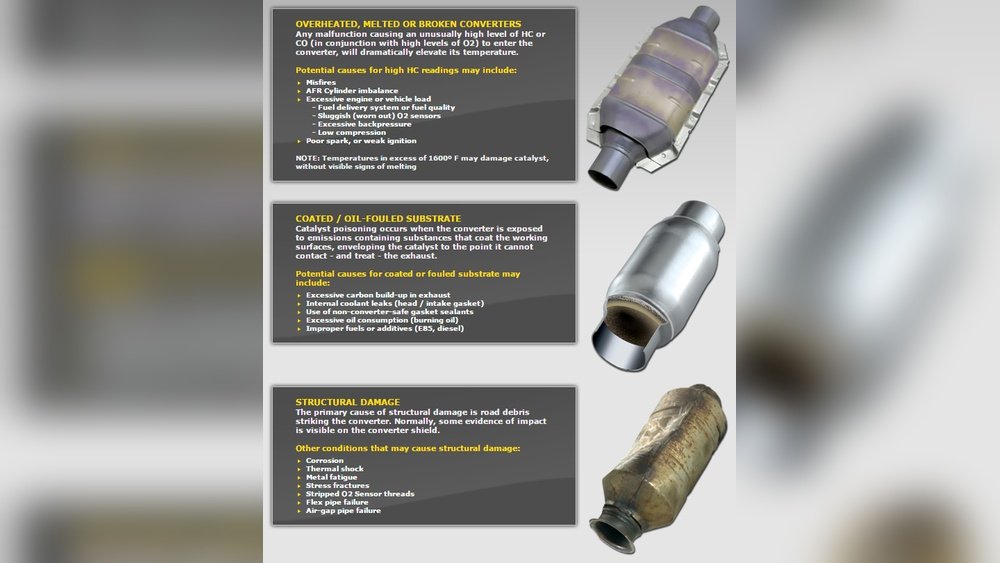
Damage or clogging usually happens because of heat, road debris, or internal wear. The converter works hard to clean exhaust gases, so it faces a lot of stress. This stress can cause cracks, dents, or blockages inside.
Visible Cracks And Dents
Cracks or dents on the catalytic converter’s surface show damage. These can come from hitting road debris or rough terrain. Even small cracks can let harmful gases escape. They also reduce the converter’s efficiency.
Discoloration Or Burn Marks
Look for unusual colors like blue, black, or white spots on the converter. These marks often mean overheating or chemical damage. Overheating can cause the metal to warp or weaken. Burn marks warn of serious internal problems.
Rattling Sounds
A loose or broken catalytic converter may make rattling noises. This sound comes from broken pieces inside the converter. The rattling grows louder as the damage worsens. It often happens during acceleration or when starting the engine.
Blocked Or Clogged Areas
Blockages inside the converter stop exhaust gases from flowing freely. This causes poor engine performance and reduced fuel efficiency. A clogged converter may feel hot to the touch. Mechanics can also spot this during inspection.
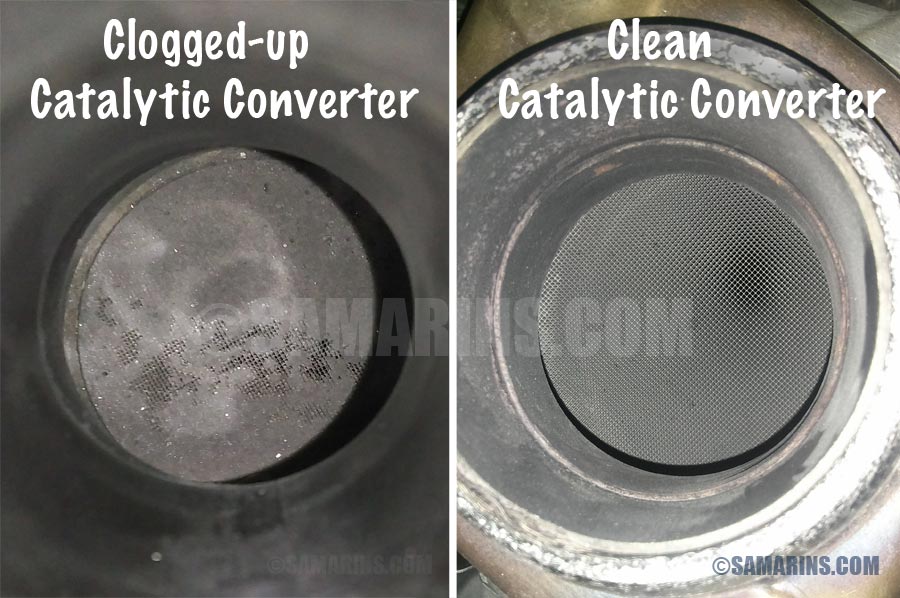
Credit: www.samarins.com
When To Seek Professional Inspection
Strange smells or poor engine performance often signal a bad catalytic converter. Strange noises or a check engine light also suggest it’s time for an expert to inspect your vehicle. Early inspection can prevent costly repairs later.
Signs Of Poor Engine Performance
A bad catalytic converter can cause your engine to run poorly. You might notice rough idling or stalling. The car may hesitate during acceleration. These issues affect driving safety and comfort. A professional inspection can find the exact cause quickly.
Persistent Check Engine Light
The check engine light often signals catalytic converter trouble. If the light stays on after restarting, do not ignore it. A mechanic can use diagnostic tools to read error codes. This step helps identify if the converter is failing or another part is at fault.
Unusual Exhaust Smell Or Noise
A strong rotten egg smell from the exhaust often means converter damage. Strange noises like rattling under the car also suggest problems. These symptoms show the converter may be broken inside. A professional check can confirm the issue and recommend repairs.
Failed Emissions Test
Your vehicle must pass emissions tests to stay legal. A bad catalytic converter raises harmful gas levels. If the car fails an emissions test, schedule an inspection fast. A technician will test the exhaust and inspect the converter for damage.
Reduced Fuel Efficiency
Notice your car uses more fuel than usual? A clogged or damaged catalytic converter can cause this. Poor fuel economy costs money and harms the environment. A professional can diagnose the problem and suggest solutions to restore efficiency.
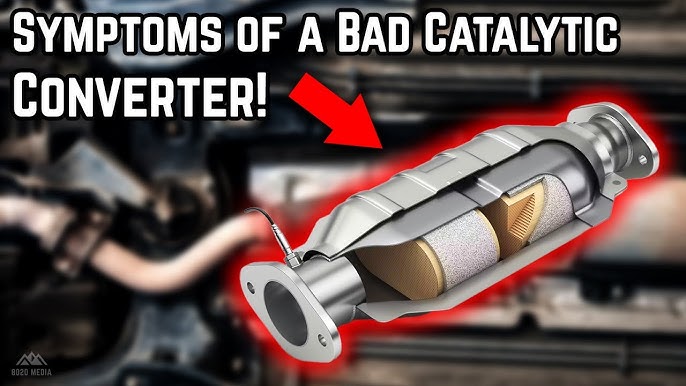
Credit: www.youtube.com
Frequently Asked Questions
What Are Common Signs Of A Bad Catalytic Converter?
A bad catalytic converter often causes poor engine performance and reduced fuel efficiency. You may notice a rotten egg smell or the check engine light turning on.
How Does A Failing Catalytic Converter Affect Car Performance?
It can cause your car to run rough, lose power, or stall. The exhaust may also sound louder than usual.
Can A Bad Catalytic Converter Cause The Check Engine Light?
Yes, a failing catalytic converter often triggers the check engine light. The vehicle’s computer detects poor exhaust flow or emissions.
How Long Does A Catalytic Converter Usually Last?
Most catalytic converters last about 70,000 to 100,000 miles. Driving habits and vehicle maintenance can affect its lifespan.
Is It Safe To Drive With A Bad Catalytic Converter?
Driving with a bad catalytic converter can harm your engine and increase pollution. It’s best to get it checked and fixed soon.
Conclusion
A bad catalytic converter can cause engine troubles and poor fuel use. Watch for signs like strange smells, low power, or warning lights. Fixing it soon keeps your car running smooth and clean. Don’t wait too long to check or replace it.
Taking care of your converter saves money and helps the environment. Stay alert to these signs for a safer drive.