Will a Dealer Take a Car With Transmission Problems? Expert Insights
If your car’s transmission is acting up, you’re probably wondering: will a dealer even take a car with transmission problems? You’re not alone.
Many people face this dilemma when their vehicle starts showing signs of serious trouble. The idea of trading in a car that might not shift gears properly or makes strange noises can feel overwhelming. But here’s the thing — understanding how dealers handle cars with transmission issues can save you time, stress, and money.
You’ll find clear answers to your questions, smart tips on what to expect, and practical steps you can take to get the best deal possible. Keep reading to learn exactly what your options are when your car’s transmission isn’t working right.
Credit: www.sheabuickgmc.com
Car Value With Transmission Issues
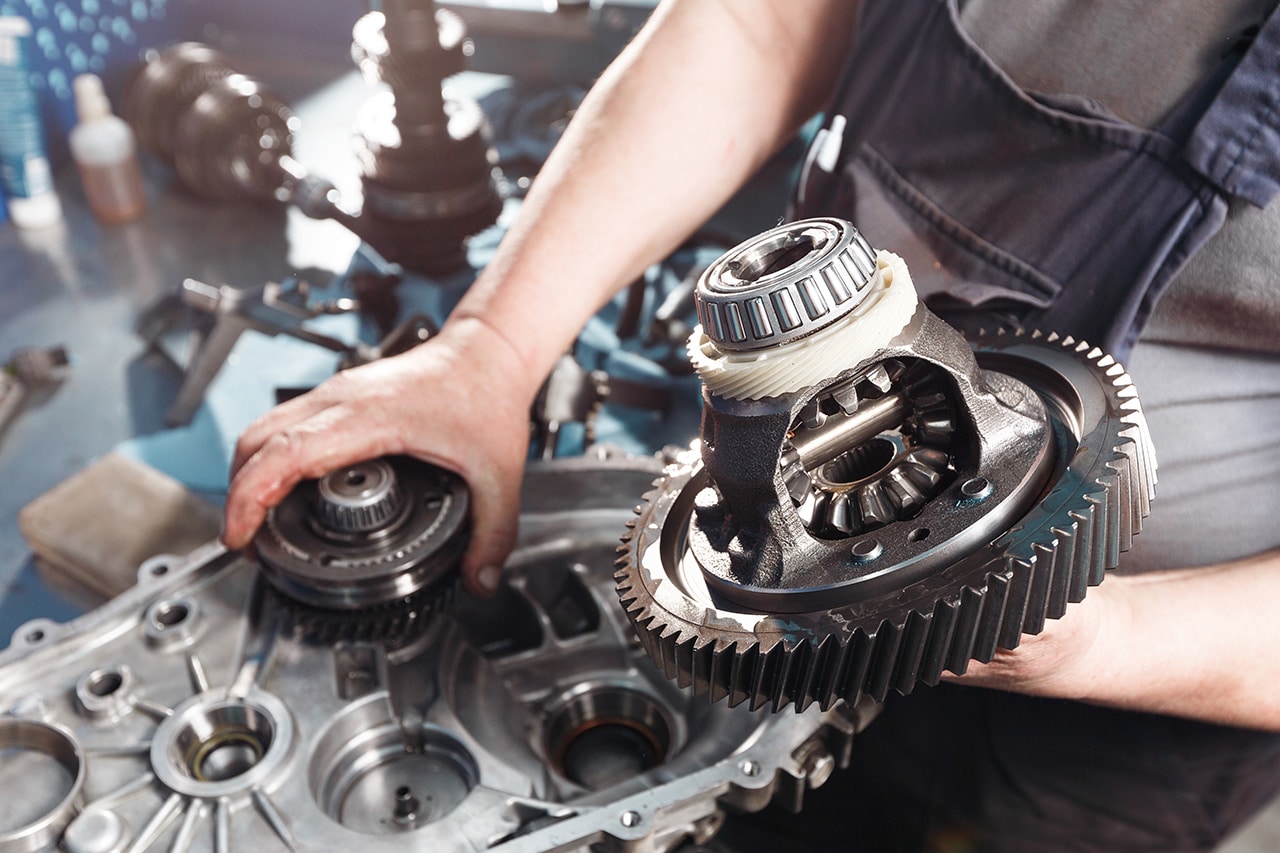
Dealerships have specific rules about accepting cars with mechanical issues. Transmission problems often cause hesitation among dealers. These policies affect whether they take your car and under what terms. Understanding dealer policies helps set realistic expectations.
Some dealers accept cars with transmission faults, but many do not. Those who do usually apply strict criteria. These criteria help them manage risk and potential repair costs. Knowing these factors can guide your decision to trade or sell.
Typical Dealer Acceptance Criteria
Dealers check the overall condition of the car before acceptance. Major mechanical issues like bad transmissions lower the car’s value. Many dealers require the transmission to be at least partially functional. They may want a clear history of maintenance and repairs. The vehicle’s age, mileage, and market demand influence acceptance too. Dealers often prefer cars that need minimal immediate repairs. If the transmission failure is severe, they might refuse the trade-in.
Variations Among Dealerships
Each dealership sets its own rules for cars with transmission problems. Some specialize in used or repairable vehicles and accept these cars. Others focus only on clean, problem-free vehicles. Location and dealer size affect their willingness to accept faulty cars. Bigger dealerships might have more resources to fix issues. Smaller lots may avoid risky trades to protect profits. Calling several dealers helps find one that suits your situation.
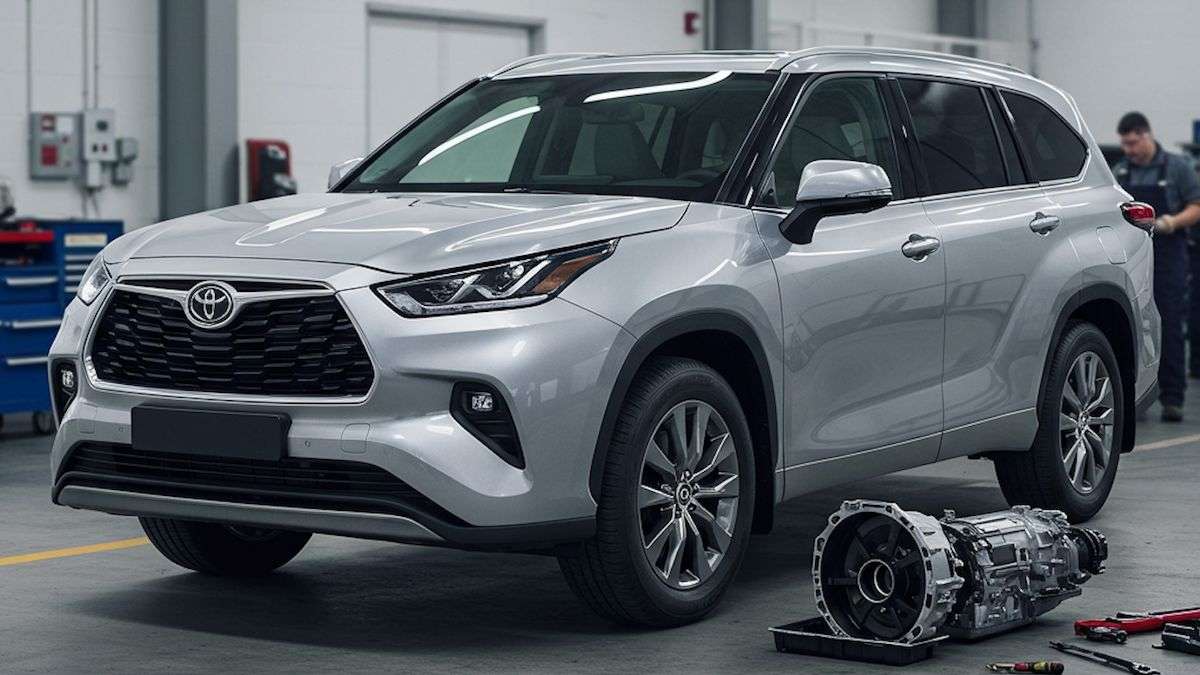
Credit: www.torquenews.com
Dealer Policies On Problematic Cars
Deciding between repairing a car with transmission problems or selling it as-is can feel tricky. Each choice impacts your wallet and your options. Understanding the costs and benefits helps you decide the best path.
Cost-benefit Analysis
Transmission repairs can be very expensive. Sometimes, the repair cost is close to the car’s value. Selling as-is might mean accepting a lower price. Dealers often offer less for cars with known problems. You save on repair bills but get less money. Repairing may increase the car’s value and make selling easier. Weigh repair costs against potential sale price carefully.
When Repairing Makes Sense
Repairing works best if the transmission issue is minor. A small fix can boost the car’s value a lot. Also, repairs make the car safer and more reliable. Dealers prefer cars in good condition. Fixing the transmission could attract better offers. If you plan to keep the car longer, repair is wise. It reduces the chance of breakdowns and extra expenses.

Credit: www.crainhyundaioffayetteville.com
Frequently Asked Questions
How Much Is A Vehicle Worth With A Bad Transmission?
A vehicle with a bad transmission usually sells for salvage value or 20-40% less than its normal worth.
How To Get Rid Of A Car With Bad Transmission?
Sell the car for parts or to a salvage yard. Trade it in at dealers who accept damaged vehicles. Disclose the issue honestly to avoid legal problems. Consider selling online to buyers interested in repair projects.
Will A Dealership Take A Trade-in With A Bad Transmission?
Dealerships may accept trade-ins with bad transmissions but often offer lower trade-in values. Driveability affects acceptance.
Is It Worth Fixing A Car With Transmission Problems?
Fixing transmission problems is worth it if repair costs are lower than the car’s value and reliability matters. Otherwise, selling or trading may be better.
Conclusion
Selling a car with transmission problems can be tricky. Some dealers accept these cars, but many do not. You may need to contact several dealers to find one interested. Expect a lower trade-in value than usual. Repairing the transmission before selling might increase your car’s worth.
Being honest about the issue helps build trust. Exploring all options can lead to the best outcome. Keep in mind, patience and research pay off in the end.