How Can I Tell If My Catalytic Converter is Clogged: Key Signs to Watch
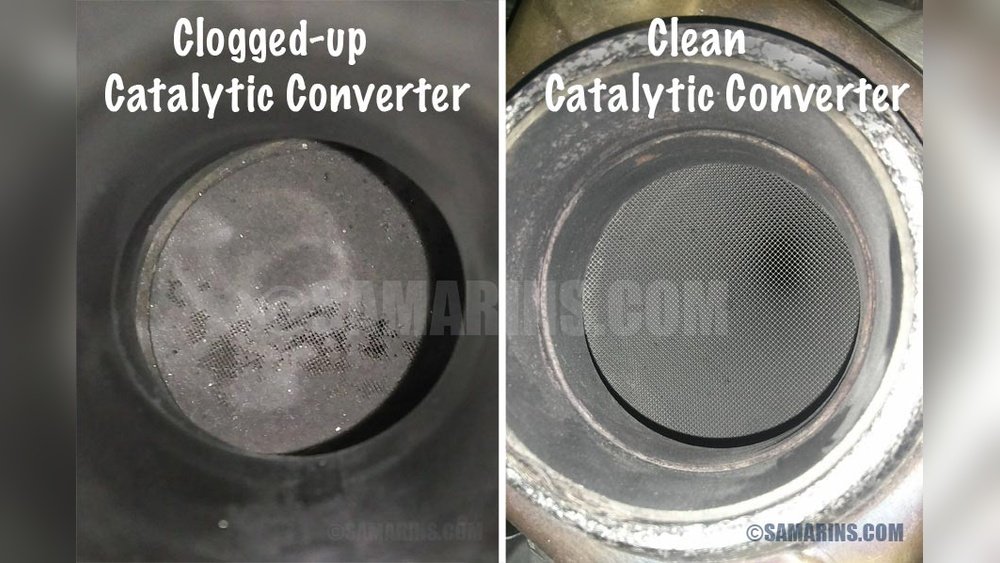
Is your car feeling sluggish, or have you noticed strange smells or noises coming from the exhaust? These could be signs that your catalytic converter is clogged.
But how can you be sure? Knowing the symptoms and simple tests to check your catalytic converter can save you time, money, and hassle down the road. You’ll discover clear ways to tell if your catalytic converter is clogged and what steps you can take next.
Keep reading to protect your vehicle and avoid costly repairs.
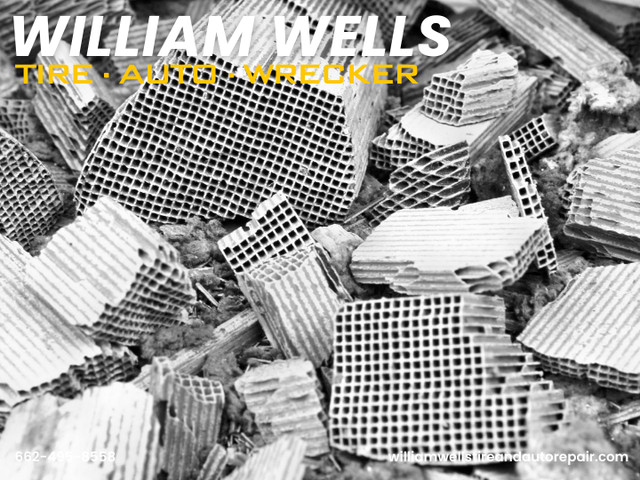
Credit: www.williamwellstireandautorepair.com
Power Loss And Acceleration Issues
Temperature and pressure tests help check if the catalytic converter is clogged. These tests measure how well exhaust gases flow through the converter. A clogged converter causes unusual temperature and pressure readings. Mechanics use these tests to find blockages inside the catalytic converter.
Temperature Test
The temperature test compares the heat before and after the catalytic converter. A healthy converter gets hotter at the outlet than the inlet. This happens because it burns harmful gases inside. If the outlet temperature is lower or almost the same as the inlet, the converter might be clogged. A clogged converter stops gases from passing freely, reducing heat buildup.
Pressure Test
The pressure test measures exhaust pressure before and after the catalytic converter. A clogged converter causes higher pressure before it and lower pressure after it. Mechanics use a pressure gauge to check this difference. Large pressure differences show a blockage that slows exhaust flow. This test helps confirm if the catalytic converter is the problem.

Credit: www.wiltonautoandtire.com
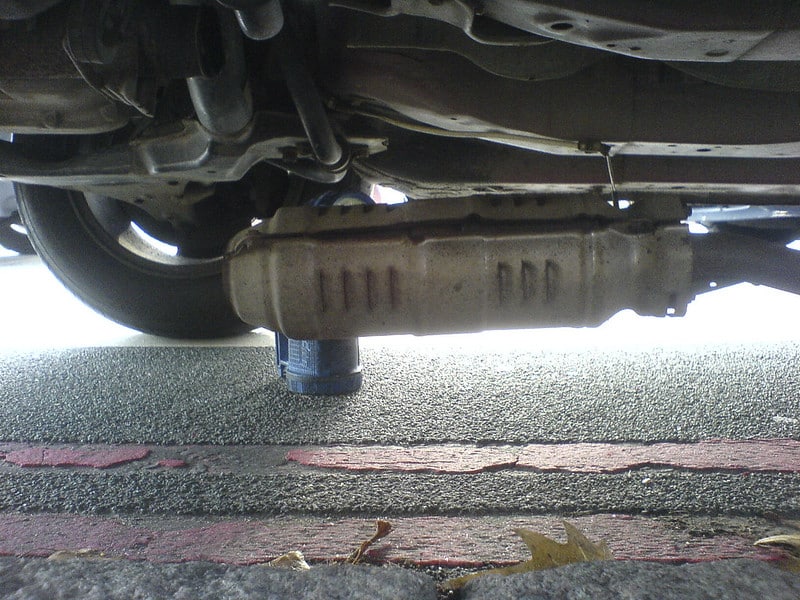
Credit: www.autospecialtyoflafayette.com
Frequently Asked Questions
What Can Be Mistaken For A Bad Catalytic Converter?
Engine misfires, oxygen sensor issues, exhaust leaks, or a faulty spark plug can mimic bad catalytic converter symptoms.
What Will Unclog My Catalytic Converter?
Use a catalytic converter cleaner or fuel additive to dissolve deposits. For severe clogs, professional cleaning or replacement works best.
Can I Drive My Car With A Clogged Catalytic Converter?
Driving with a clogged catalytic converter reduces engine power and fuel efficiency. It may cause overheating and damage to your car’s engine. Avoid driving to prevent costly repairs and ensure vehicle safety. Get it inspected and repaired promptly.
How Expensive Is It To Fix A Clogged Catalytic Converter?
Fixing a clogged catalytic converter typically costs between $500 and $2,500. Costs vary by vehicle make and repair extent.
Conclusion
A clogged catalytic converter can cause many car problems. Watch for poor acceleration, strange smells, and unusual noises. Simple tests like checking engine performance or listening for rattles help spot issues. Addressing a clog early saves money and avoids bigger repairs.
Keep your vehicle running smoothly by staying alert to these signs. Regular maintenance keeps your catalytic converter healthy and your car efficient. Don’t ignore warning signals—they protect your engine and the environment.