What Happens If You Drive With the Parking Brake On: Risks Revealed
Have you ever accidentally driven with your parking brake on and wondered what really happens to your car? It’s a common mistake that many drivers make, but the consequences might surprise you.
Driving with the parking brake engaged can cause your vehicle to struggle, smell strange, and even lead to costly damage if you don’t act quickly. You’ll discover exactly what goes on when your parking brake stays on while driving—and more importantly, what you should do to protect your car and keep yourself safe.
Keep reading to find out how this simple oversight can affect your vehicle’s performance and your wallet.
Credit: www.yourmechanic.com
Signs Of Driving With Parking Brake Engaged
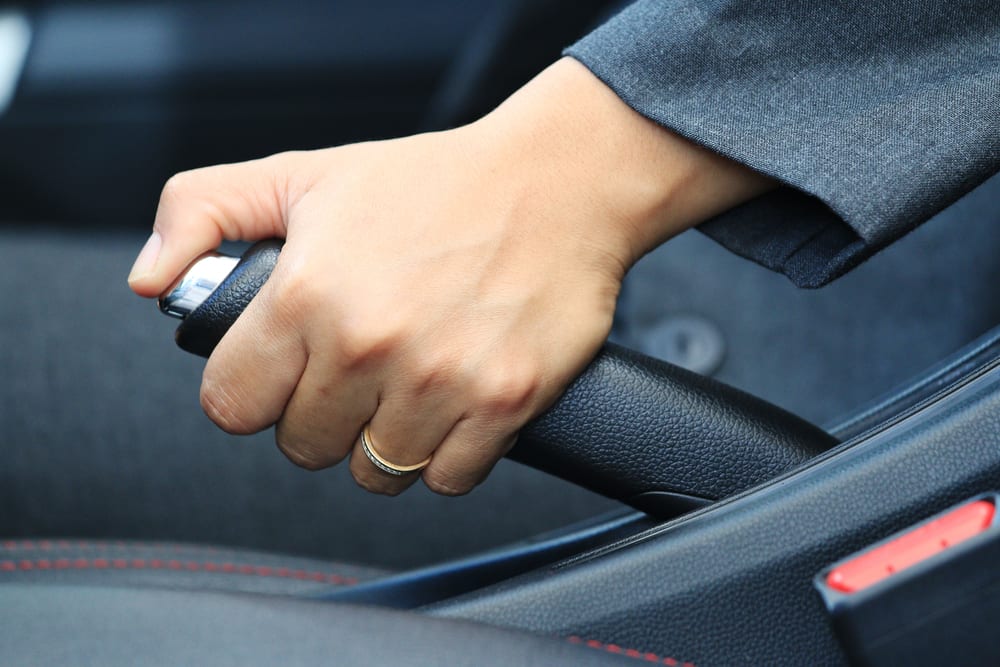
Driving with the parking brake on causes a burning smell and reduced brake performance. You may notice your car feels slower and harder to stop. Overheating brakes can lead to costly damage and unsafe driving conditions.
Burning Smell
A strong burning smell often signals the parking brake is still on. This odor comes from overheated brake pads and rotors. The friction creates intense heat that produces a sharp, acrid scent inside and outside the car.
Reduced Acceleration
The vehicle may feel slower or less responsive. The parking brake adds resistance, making the engine work harder to move the car. This can lead to sluggish acceleration and a noticeable drop in power.
Warning Lights On Dashboard
Many cars have a brake warning light that stays on if the parking brake is engaged. This light is usually red or yellow and appears on the dashboard. It alerts the driver to check the parking brake status immediately.
Unusual Noises
Squealing or grinding sounds can occur while driving with the parking brake engaged. The brake pads rubbing against the rotors create these noises. Continuous sound usually means the brakes are being damaged.
Brake Pedal Feels Different
The brake pedal may feel softer or harder than usual. This change happens because the parking brake affects the brake system’s normal pressure. Drivers might notice the pedal sinking or becoming stiff during use.
Damage To Brake Components
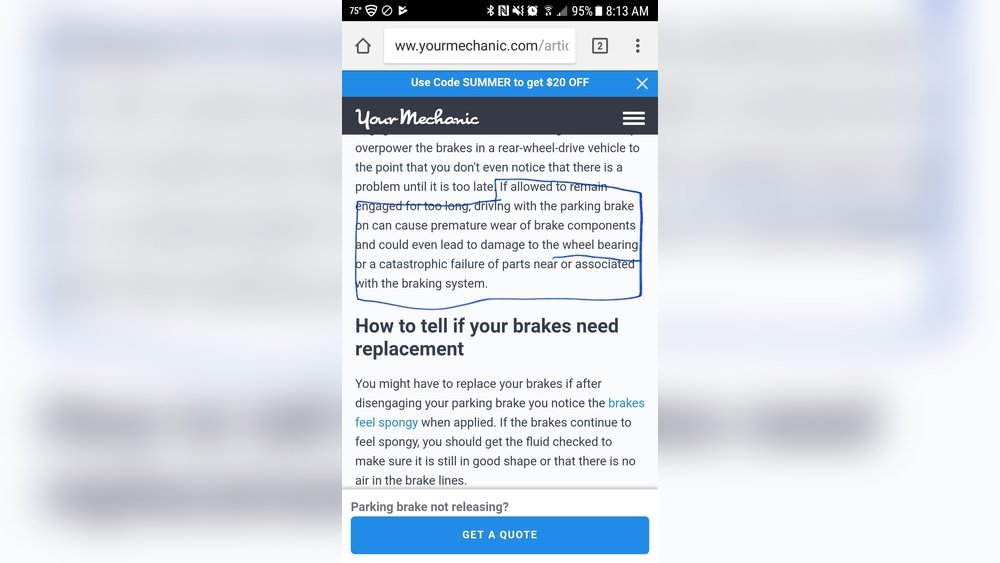
Driving with the parking brake on causes serious damage to brake parts. The parking brake presses the brake pads against the wheels. This constant pressure leads to rapid wear and tear. Understanding this damage helps prevent costly repairs and keeps your car safe.
Brake components are designed to work only when needed. Using the parking brake while driving forces these parts to work all the time. This causes heat, friction, and damage that reduce brake efficiency.
Worn Brake Pads
Brake pads wear down much faster with the parking brake engaged. The pads stay pressed against the brake rotors or drums. This constant rubbing wears away the pad material. Thin brake pads lead to poor braking and may cause metal-to-metal contact. That can damage the rotors or drums, increasing repair costs.
Glazed Brake Surfaces
Heat from constant friction causes brake surfaces to glaze. Glazing means the brake pads and rotors develop a smooth, shiny layer. This layer reduces friction needed for effective braking. Glazed brakes feel less responsive and increase stopping distances. Repairing glazed brakes requires resurfacing or replacing parts.
Brake Overheating
Driving with the parking brake on causes extreme brake heat. Overheating weakens brake components and can cause warping. Warped rotors create vibrations and uneven braking. High temperatures also damage brake fluid, leading to brake failure. Overheated brakes increase the risk of accidents and costly repairs.
Effects On Vehicle Performance
Driving with the parking brake engaged affects your vehicle’s performance in several ways. It puts extra strain on the braking system and engine. This strain leads to noticeable changes you can feel and smell. Understanding these effects helps prevent damage and costly repairs.
Reduced Acceleration
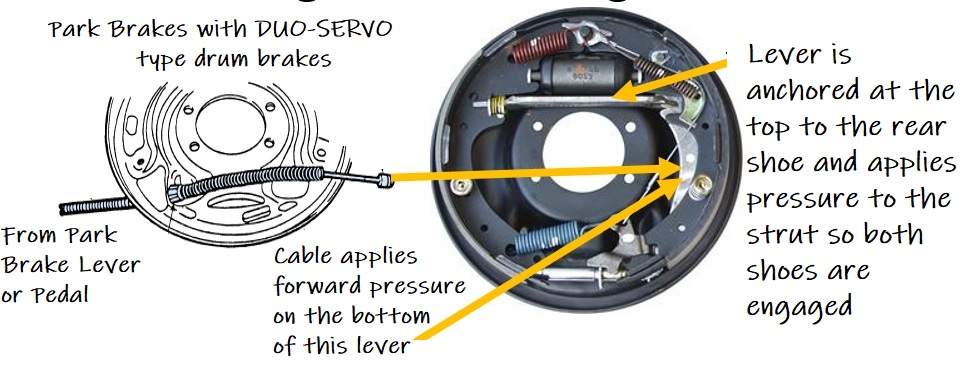
The parking brake holds the rear brakes tight. This resistance slows your car’s movement. You will notice the engine struggles more to speed up. The vehicle feels sluggish and less responsive. This happens because the brakes work against the wheels turning freely.
Burning Smell
Friction between the brake pads and drum creates heat. This heat rises quickly when the brake stays on. The result is a strong burning smell inside and outside the car. It is a warning sign that the brakes are overheating. Ignoring this smell can lead to brake damage or even fire.
Decreased Fuel Efficiency
The engine uses more fuel to overcome brake resistance. This extra effort reduces miles per gallon. Your car burns fuel faster than normal. Over time, this lowers your vehicle’s overall fuel economy. It also increases emissions, which is harmful to the environment.
Credit: www.autoguide.com
Safety Risks On The Road
Driving with the parking brake engaged creates serious safety risks on the road. The parking brake limits your vehicle’s ability to stop properly. It also puts extra strain on the braking system. This strain can cause brake damage and reduce overall control. Below are key safety hazards that happen when the parking brake stays on while driving.
Reduced Stopping Power
The parking brake locks the rear wheels partially or fully. This reduces how well your brakes stop the car. The car needs more distance to come to a full stop. This delay can cause accidents, especially in sudden stops or emergencies.
Potential Brake Failure
Driving with the parking brake on overheats the brake parts. Heat breaks down brake pads and discs faster. Overheated brakes lose their ability to work correctly. This failure puts you at risk of losing control of the vehicle.
Fire Hazards
Constant friction from the parking brake creates extreme heat. This heat can ignite brake components or nearby materials. Fires may start under the car, threatening your safety and the safety of others on the road.
Steps To Take After Driving With Brake On
After driving with the parking brake on, taking quick action matters. It helps avoid further damage and keeps your car safe. Follow these steps to protect your braking system and vehicle performance.
Each step plays a role in ensuring your car remains in good condition. Do not skip checking or addressing possible issues early.
Immediate Brake Release
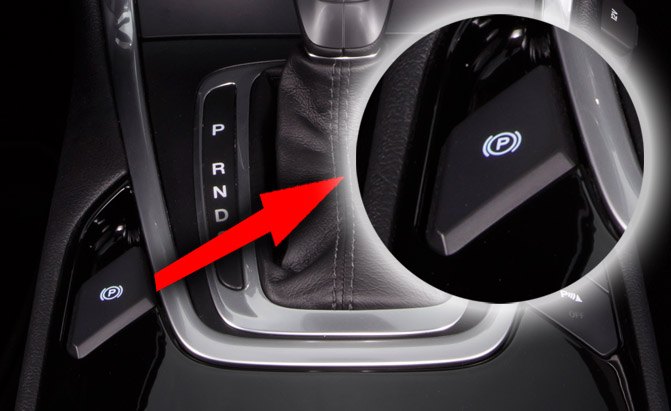
Release the parking brake as soon as possible. Driving with it on causes friction and heat. This step stops more damage and prevents brake overheating. Make sure the brake lever or pedal fully returns to its normal position.
Checking For Damage
Inspect the brakes after releasing the parking brake. Look for burning smells or unusual noises. Feel if the brakes grab or pull oddly when driving. Check for smoke or visible damage near the wheels. These signs show brake pads or discs may have worn out or overheated.
When To Seek Professional Help
Visit a mechanic if you notice any brake issues. Strange sounds, poor braking, or warning lights require expert care. A professional can test brake function and repair or replace parts. Do not delay if your brakes feel weak or different. Safety depends on good brakes working properly.
Credit: www.carparts.com
Frequently Asked Questions
What Happens If You Drive With The Handbrake On For 5 Minutes?
Driving with the handbrake on for 5 minutes overheats brakes, causes a burning smell, reduces braking efficiency, and risks brake damage.
What Happens If You Forget To Take The Parking Brake Off?
Driving with the parking brake on causes overheating, burning smell, and brake wear. It reduces stopping power and may damage the braking system. Pull over safely and release the brake immediately to prevent costly repairs.
How Long Can I Leave My Parking Brake On?
You can leave your parking brake on for a few hours without damage. Avoid leaving it engaged for days to prevent brake sticking or corrosion. Always release it before driving to protect your brake system and ensure safe vehicle operation.
Is It Bad To Drive While The Parking Brake Is On?
Driving with the parking brake on causes overheating, brake wear, and reduced stopping power. It may also produce a burning smell and damage brake components. Always release the parking brake before driving to avoid costly repairs and ensure safe vehicle operation.
Conclusion
Driving with the parking brake on causes serious damage to your brakes. It creates heat and wear, reducing braking ability. A strong burning smell often signals trouble. Stop driving immediately if you notice this. Always check your parking brake before moving.
Keeping your brakes healthy ensures safer trips and better car performance. Avoid costly repairs by staying alert and careful.