What Happens If You Connect a Car Battery Backwards: Shocking Damage Explained
Have you ever wondered what happens if you connect your car battery backwards? It’s a mistake that can happen to anyone, but the consequences might surprise you.
When you reverse the battery terminals, you’re sending electricity flowing the wrong way through your car’s electrical system. This simple error can cause anything from a blown fuse to serious damage to your vehicle’s electronics. But don’t panic just yet—knowing what to expect and how to fix it can save you time, money, and stress.
Keep reading to find out exactly what happens if you connect a car battery backwards and what steps you should take to protect your vehicle.
Effects Of Reverse Battery Connection
Connecting a car battery backwards causes a reverse polarity short-circuit. This sends a large electrical surge in the wrong direction through the system. The effects depend on how long the battery stays connected this way and whether the engine starts. Modern cars have some protections, but damage can still happen.
Electrical Component Damage
Reverse battery connection can fry sensitive electronics. The car’s computer, sensors, and control modules are at risk. Some parts may fail instantly. Others may degrade over time. Repairing these components can be costly.
Blown Fuses And Fusible Links
Fuses and fusible links act as safety devices. They blow or melt to stop damage during reverse connection. This protects more expensive parts. Replacing these fuses is often the first step in repair. Without them, damage spreads quickly.
Alternator And Starter Motor Issues
The alternator can be damaged by reverse polarity. It may stop charging the battery. The starter motor may also suffer. It can fail to turn the engine over or become permanently damaged. Both parts are essential for vehicle operation.
Battery Damage
The battery itself can be harmed by reverse connection. It may overheat or leak acid. This reduces battery life or ruins it completely. Handling a damaged battery requires caution due to chemical hazards.
Wiring Harness Damage
Reversed battery connection can cause wires to overheat. This melts insulation and may cause shorts. The wiring harness may need partial or full replacement. Damage here can be hidden and cause future electrical problems.
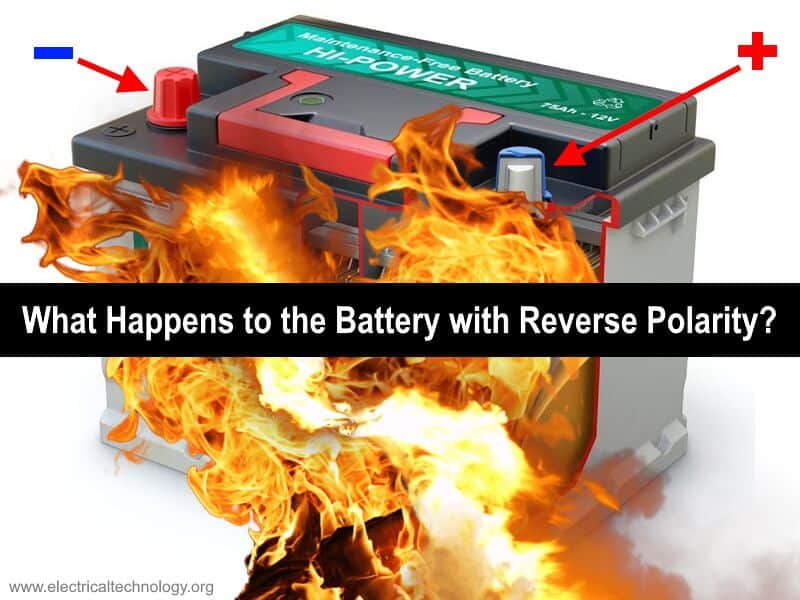
Credit: www.electricaltechnology.org
Common Electrical Failures
Connecting a car battery backwards causes serious electrical problems. The reversed flow of electricity damages components quickly. Common electrical failures happen because the system is not made for reverse polarity. This section explains typical failures from this mistake.
Blown Fuses And Fusible Links
Fuses protect the car’s electrical system by breaking the circuit. A reversed battery often blows fuses instantly. Fusible links, special wires acting like fuses, also burn out. This prevents further damage but stops the car from working.
Damage To The Alternator
The alternator generates power for the car’s electronics and battery. Reversed polarity can cause internal damage to the alternator. It may overheat or short-circuit, leading to failure. Repairing or replacing the alternator can be costly.
Electrical Component Failures
Many car parts rely on correct voltage direction. Reversing the battery may fry sensors, control modules, and relays. This can stop the engine from starting or cause erratic behavior. Some components may need full replacement.
Battery Damage
The battery itself can suffer from reversed connection. Internal plates may short-circuit or degrade quickly. This lowers battery life or makes it unusable. Charging a damaged battery may be unsafe or impossible.
Safety Mechanisms In Modern Cars
Modern cars have many safety features to protect their electrical systems. These features help prevent damage from wrong battery connections. They reduce the risk of fire and costly repairs. Car makers include these safeguards to keep drivers safe and maintain vehicle reliability.
Understanding these safety mechanisms shows how cars handle mistakes like reversing battery cables. This knowledge helps drivers stay calm and act wisely if this issue happens.
Fuses And Fusible Links
Fuses are the first line of defense against electrical faults. They break the circuit if too much current flows. Fusible links are special wires that melt under high current. Both stop damage by cutting off power quickly. These parts protect sensitive electronics from overloads caused by reversed battery connections.
Diode Protection Systems
Diodes allow electricity to flow in one direction only. They block current that tries to flow backward. Some cars use diodes to guard the battery and electrical parts. This prevents damage when the battery is connected the wrong way. Diode protection reduces the risk of short circuits and component failure.
Battery Management Modules
Battery management modules monitor voltage and current levels. They detect irregularities like reversed polarity. These modules can shut down power flow to stop damage. Modern cars use this technology to maintain battery health and protect the entire electrical system. This smart control helps avoid costly repairs from battery mistakes.

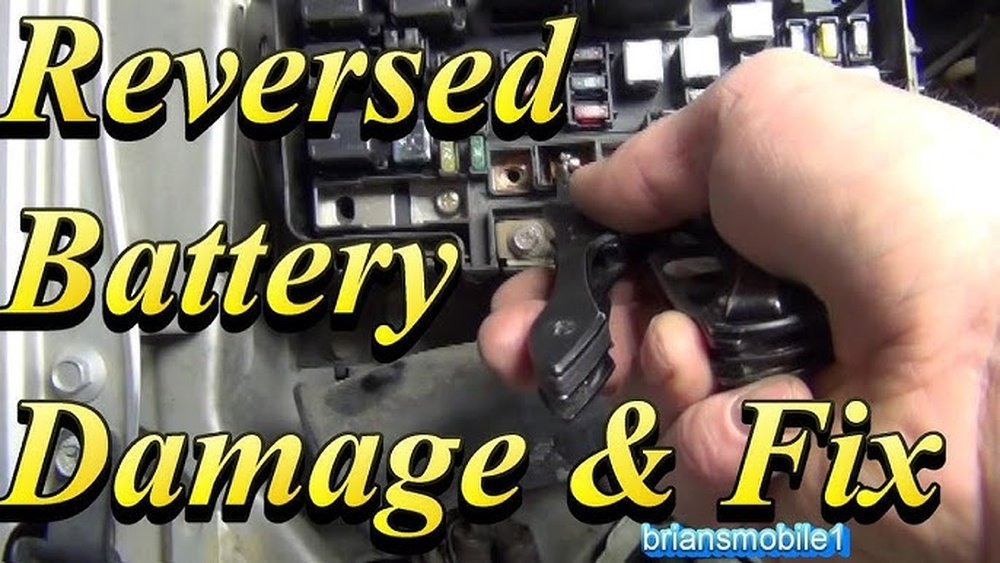
Credit: www.youtube.com
Signs Of Battery Reversal Damage
Connecting a car battery backwards can cause sparks, blown fuses, and damaged electrical parts. You might notice the car won’t start or warning lights appear on the dashboard. Signs include a burning smell, melted wires, or a sudden loss of power.
Connecting a car battery backwards can cause serious damage. Recognizing the signs early helps prevent costly repairs. This section lists common symptoms of battery reversal damage.
Many car owners miss these signs because they seem similar to other issues. Pay close attention to unusual behavior in your vehicle after battery installation or replacement.
Electrical System Malfunctions
One clear sign is malfunction in the car’s electrical system. Lights may flicker or not turn on at all. The radio, dashboard displays, and other electronics might fail to work properly.
In some cases, warning lights on the dashboard will illuminate. This indicates that the car’s computer system has detected a problem.
Blown Fuses And Fusible Links
Battery reversal often blows fuses and fusible links. These components protect the electrical circuits by breaking the connection when current flows the wrong way. If multiple fuses are blown, it may signal reversed battery connection.
Replacing fuses might restore some functions but does not fix all damage caused by reversed polarity.
Damaged Alternator And Starter Motor
The alternator and starter motor are vulnerable to reverse polarity damage. Symptoms include a car that won’t start or strange noises during starting attempts. These parts may require inspection or replacement.
Ignoring these signs can lead to complete failure of these vital components.
Battery Damage And Leakage
Reversing battery connections can cause the battery itself to suffer damage. It may leak acid or swell up. This is dangerous and can shorten the battery’s lifespan dramatically.
Visual inspection of the battery can reveal bulging or corrosion around terminals.
Steps To Fix Reverse Battery Issues
Fixing a car battery connected backwards requires careful steps. Acting fast can prevent further damage. This section explains the key steps to correct reverse battery issues safely and effectively.
Turn Off The Vehicle Immediately
Stop the engine and turn off all electrical devices. This stops current flow and reduces damage risk. Do not try to start the car again.
Disconnect The Battery Safely
Remove the negative terminal first, then the positive. Use insulated tools to avoid sparks or shocks. Wear gloves and eye protection during this step.
Inspect For Damage
Check battery cables and connectors for burns or melting. Look at fuses and fusible links inside the fuse box. Replace any damaged parts before reconnecting.
Replace Blown Fuses And Fusible Links
Identify and swap out any blown fuses with the correct rating. Fusible links may need cutting out and replacing. This protects your vehicle’s electrical system.
Reconnect The Battery Correctly
Attach the positive terminal first, then the negative. Tighten connections firmly but avoid over-tightening. Ensure the battery is secure in its tray.
Test The Vehicle Electrical System
Turn on the ignition without starting the engine. Check for warning lights or unusual sounds. If everything seems normal, attempt to start the car.
Seek Professional Help If Needed
If problems continue, consult a mechanic. Electrical damage might need advanced repairs. A professional can diagnose hidden issues safely.
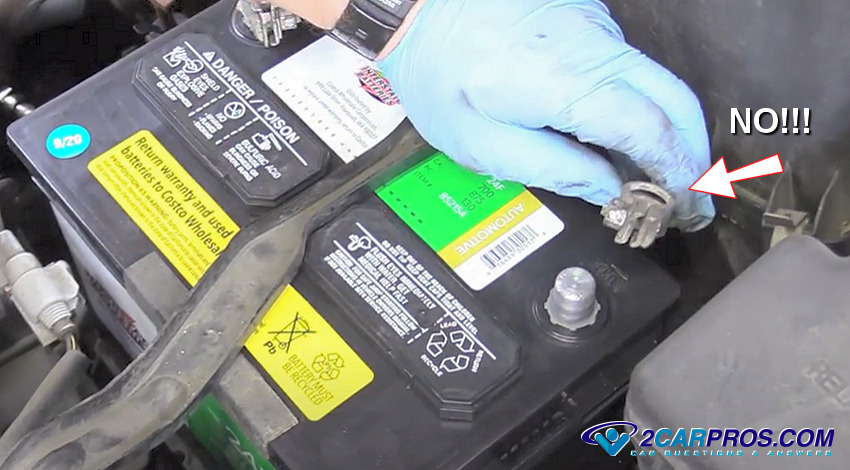
Credit: www.2carpros.com
Frequently Asked Questions
What Happens If You Connect Positive To Negative On A Car Battery?
Connecting positive to negative on a car battery causes a reverse polarity short circuit. It can blow fuses, damage wiring, or cause sparks and fire. Modern cars may protect with a fusible link, but risks increase if the engine starts or the connection lasts too long.
How To Tell If Your Alternator Is Killing Your Battery?
A failing alternator drains the battery by not charging it properly. Watch for dim lights, slow engine crank, or frequent jump starts. Test voltage with a multimeter: below 13. 5 volts while running indicates alternator issues killing the battery.
Will A Car Start If Battery Terminals Are Reversed?
A car usually won’t start if battery terminals are reversed. The fuse often blows to protect the electrical system.
Can You Ruin A Battery By Connecting It Wrong?
Connecting a battery incorrectly can cause severe damage. It may blow fuses, melt wires, or start fires. Always disconnect immediately and correct the connection to avoid ruining the battery or vehicle electronics.
Conclusion
Connecting a car battery backwards can cause serious electrical problems. Most modern cars have fuses that blow to protect the system. Still, damage to sensitive parts can occur if the mistake lasts too long. Always double-check battery connections before starting your car.
Quick action can save you time and money on repairs. Understanding these risks helps you handle car batteries safely. Stay cautious and keep your vehicle’s electrical system intact.