What Happens If You Put Jumper Cables on Backwards: Shocking Dangers Revealed
What happens if you put jumper cables on backwards? It’s a question that might seem simple until you find yourself in a situation where your car won’t start, and you’re rushing to get it going.
Connecting jumper cables the wrong way isn’t just a small mistake—it can trigger sparks, smoke, and even serious damage to your vehicle’s electrical system. If you’ve ever wondered what the real consequences are, or what to do if this happens to you, keep reading.
Understanding the risks and the signs can save you from costly repairs and keep you safe the next time you jump-start your car.
Immediate Reactions
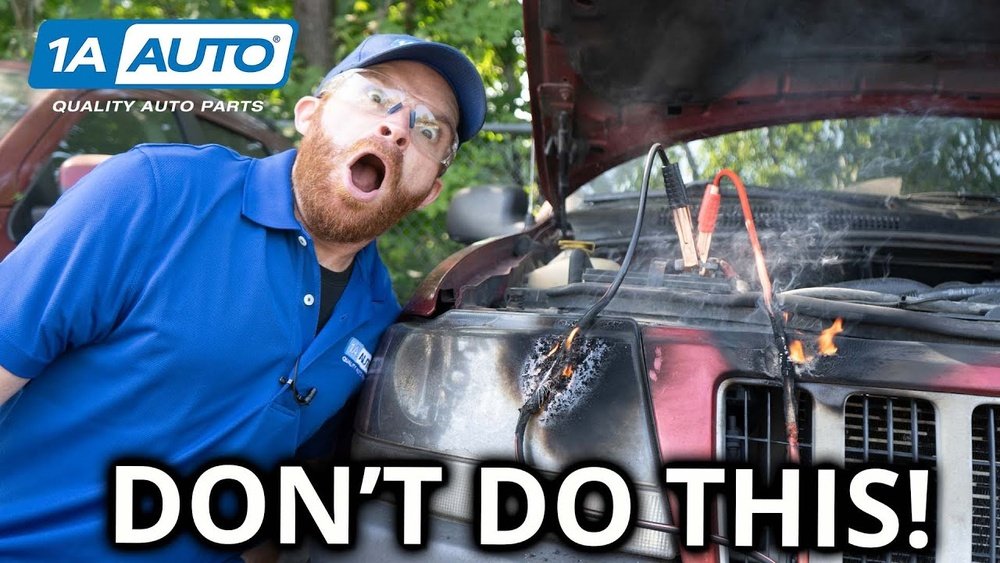
Connecting jumper cables backward creates sparks and intense heat right away. This mistake can blow fuses, melt cables, or damage the car’s electrical parts. Immediate signs include loud popping sounds and smoke near the battery.
Connecting jumper cables backwards triggers an instant electrical problem.
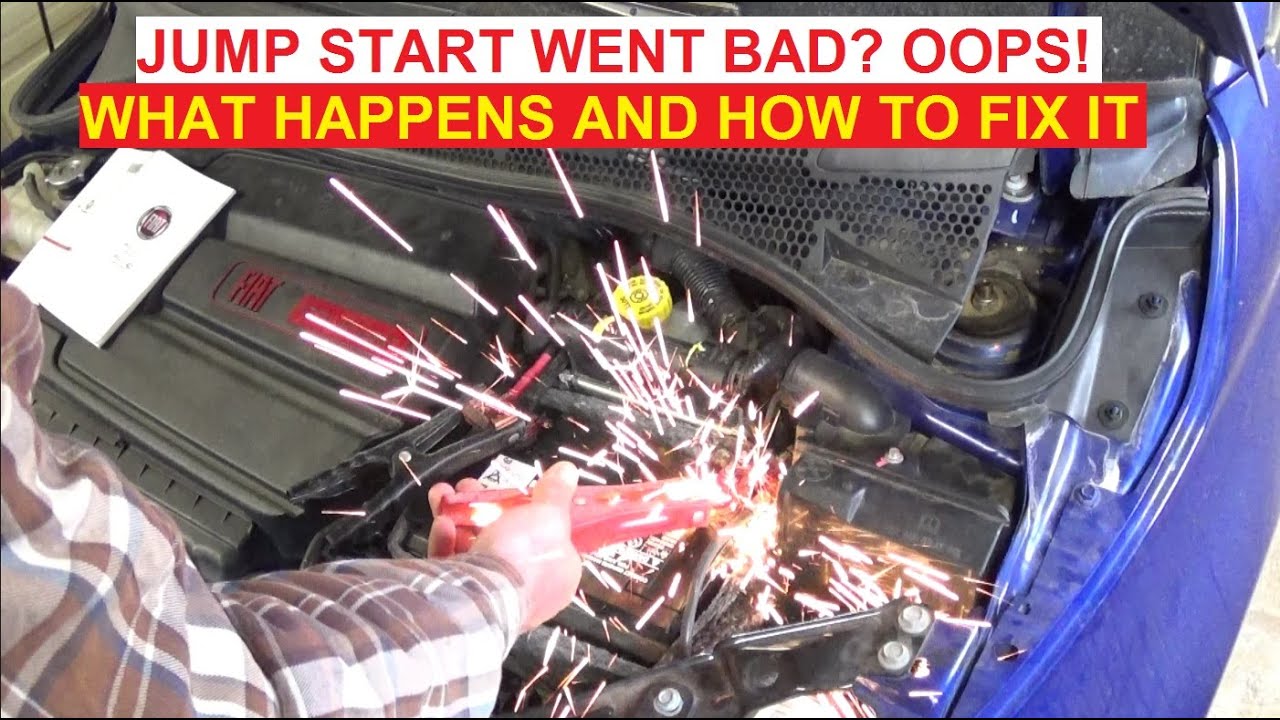
Sparks fly as the car’s electrical system experiences a sudden short circuit.
The battery can produce intense heat, which may cause melting or damage.
Electrical fuses or safety links often blow to protect the system.
Sometimes, the battery may hiss or even start to leak dangerous gases.
What Happens Immediately
The moment the cables connect wrong, sparks appear at the clamps.
The battery may emit a popping or sizzling sound, indicating trouble.
Electrical components can shut down quickly as fuses blow.
The cables themselves might get hot, risking melting or burning insulation.
Signs To Watch For
Look for smoke or a burnt smell near the battery or cables.
Warning lights on the dashboard may flicker or stay on.
The car might fail to start, or electrical parts may stop working.
Visual damage like melted cable ends or corrosion could appear.

Credit: www.carparts.com
Common Damages
Connecting jumper cables backwards can cause serious damage. The electrical system faces sudden stress. This stress leads to several common problems in your vehicle. Understanding these damages helps in quick diagnosis and repair.
Many damages occur instantly. Some may show up later. Most affect your car’s battery, wiring, and electronic parts. The damage can be costly to fix.
Battery Damage
Reversing jumper cables can cause the battery to overheat. It may lead to swelling or leakage of battery acid. This weakens the battery and shortens its life. In some cases, the battery might fail completely.
Blown Fuses And Fusible Links
Fuses protect the car’s electrical parts from surges. Wrong cable connection creates a high current spike. This spike blows fuses or fusible links. Replacing these parts is necessary for the system to work again.
Damage To Electronic Control Modules
Modern cars have sensitive electronic control units (ECUs). A reversed connection can send wrong voltage to these modules. This causes permanent damage or malfunction. Repair or replacement of the ECU can be expensive.
Melted Or Damaged Wiring
High current from reversed cables generates extreme heat. This heat can melt the insulation on wires. Exposed wires may short circuit or cause fires. Damaged wiring requires immediate repair to avoid further issues.
Alternator Damage
The alternator regulates charging of the battery. Connecting cables backwards can cause internal damage. This may stop the alternator from working properly. A faulty alternator means the battery will not charge.
Electrical System Risks
Connecting jumper cables backward creates a strong short circuit with sparks and heat. This can cause battery damage, melted cables, or blown fuses. Electrical parts in the vehicle may also suffer permanent harm from the wrong connection.
Connecting jumper cables backwards can cause serious harm to your car’s electrical system. The reversed flow of electricity creates a dangerous short circuit. This sudden surge leads to large sparks and intense heat. It may cause the battery to explode or catch fire, putting you at risk.
Besides the immediate danger, the electrical system can suffer long-term damage. Critical components like the alternator, fuses, and wiring may burn out. Safety devices such as fusible links could blow, leaving your vehicle inoperable. The jumper cables themselves might melt from the heat, making the situation worse.
What Happens Immediately
As soon as you connect the cables backward, sparks fly near the battery terminals. The battery releases dangerous gases, increasing fire risk. You might hear popping sounds or see smoke. Electrical components can fail instantly, stopping the vehicle from starting.
Possible Damage To Electrical Components
The alternator can burn out due to reversed polarity. Sensitive electronics like the engine control module can short circuit. Fuses and circuit breakers may blow to prevent further damage. Wiring insulation could melt, causing shorts in the system. These damages often require costly repairs or replacements.
Signs Of Electrical Damage
Your car might not start after a wrong jump start. Dashboard warning lights could illuminate. Electrical accessories like lights, radio, or power windows may stop working. Burning smells or visible damage near the battery area are red flags. Check for melted cables or blown fuses.

Credit: www.reddit.com
Safety Precautions
Safety is the top priority when using jumper cables. Connecting cables incorrectly can cause serious harm. Always take steps to protect yourself and your vehicle.
Preparing carefully reduces risks. Follow rules strictly to avoid accidents or damage. Knowing the right process helps keep things safe.
Wear Protective Gear
Put on gloves and eye protection before handling cables. Batteries can release harmful acid or sparks. Protect your skin and eyes from injury.
Check Battery And Cables
Inspect the battery for cracks or leaks. Examine cables for frays or damage. Faulty parts increase the chance of sparks and shorts.
Turn Off Both Vehicles
Make sure both cars are off before connecting cables. This stops electrical flow and lowers risk of shock or sparks.
Connect Cables In Correct Order
Attach positive cable to positive terminals first. Then connect negative cable to the grounded metal part. This prevents short circuits and sparks.
Keep Metal Objects Away
Avoid letting cables touch metal surfaces or each other. Metal contact can cause sparks or damage to the battery and car parts.
Stand Clear While Starting
Move away from the battery area when starting the car. Sparks or explosions may happen. Staying clear reduces risk of injury.
Steps To Repair
Steps to repair your vehicle after connecting jumper cables backwards involve careful inspection and replacement. Start by identifying any damage caused by the reversed connection. This includes checking for blown fuses, melted wires, or damaged electronic parts.
Do not attempt to start the car again until you finish the repair process. Electrical damage can worsen if ignored. Follow these steps to restore your vehicle safely.
Inspect The Battery And Cables
First, look at the battery terminals and cables for visible damage. Melted or burnt areas show where the current flowed incorrectly. Replace any damaged cables before proceeding. A damaged battery may need professional testing or replacement.
Check And Replace Blown Fuses
Locate your vehicle’s fuse box and remove the fuses one by one. Look for any fuses that appear blackened or broken. Replace blown fuses with ones of the same rating. This restores power to the vehicle’s electrical system.
Test The Alternator And Electrical Components
Use a multimeter to test the alternator’s output. A reversed connection can damage this part. Also, check other electronics like the radio, lights, and engine control module. Replace or repair any components that fail these tests.
Consult A Professional Mechanic
If you notice extensive damage or are unsure about repairs, seek expert help. A mechanic can perform a full diagnostic and fix complex electrical problems. This prevents further damage and ensures your vehicle works safely.
Credit: www.youtube.com
Frequently Asked Questions
What Happens If You Hook Up Jumper Cables In The Wrong Order?
Hooking up jumper cables in the wrong order causes sparks, cable melting, battery damage, and may blow fuses or cause explosions.
What Happens If You Jumpstart A Car The Wrong Way?
Connecting jumper cables backward causes sparks, cable melting, battery damage, blown fuses, and possible electrical system failure. It risks fire or explosion.
Can You Jumpstart A Car Going Backwards?
Jumpstarting a car while it’s moving backward is unsafe and ineffective. The engine needs forward motion for proper ignition. Attempt only when the vehicle is stationary and cables connect correctly to avoid damage.
How Do You Fix A Battery That Was Charged Backwards?
To fix a battery charged backwards, first disconnect it immediately. Check for blown fuses, damaged cables, or melted components. Replace any damaged parts. Test the battery and vehicle electrical system thoroughly before reuse. Seek professional help if unsure or damage persists.
What Happens If Jumper Cables Are Connected Backwards?
Connecting jumper cables backwards creates a short circuit, causing sparks and intense heat. This can damage the car’s electrical system and melt cables. It may also blow fuses or cause a battery fire.
Conclusion
Connecting jumper cables backward can cause serious damage quickly. Sparks fly, cables may melt, and batteries risk exploding. The car’s electrical parts might stop working properly. Always double-check cable placement before starting. If a mistake happens, inspect for damage right away.
Acting fast can prevent costly repairs and keep you safe. Remember, careful steps protect both you and your vehicle. Safe jump-starting means longer battery life and fewer worries on the road.