
Is It Ok To Switch From Regular To Synthetic Oil 2026
Yes, it is completely safe to switch your car’s engine from regular conventional oil to synthetic oil at any time. Modern engine oils are fully compatible, meaning you can freely change oil types without causing damage or requiring a special engine flush.
Yes, it is completely safe to switch your car’s engine from regular conventional oil to synthetic oil at any time. Whether you are driving a brand-new 2026 model straight off the dealership lot or maintaining a reliable commuter vehicle with over 150,000 miles on the odometer, transitioning to synthetic oil will not damage your engine, cause sudden mechanical failures, or strip your internal components.
For decades, drivers have worried that upgrading their motor oil could disrupt how their engine runs. As engine technology and lubricant formulations have advanced, synthetic oils have become the gold standard for modern automotive care. Understanding the facts behind this transition helps you protect your investment and make confident maintenance decisions for your vehicle.
Key Takeaways
- Switching from regular to synthetic oil is completely safe for any vehicle.
- Synthetic oil does not cause leaks in modern or healthy engines.
- An engine flush is unnecessary before making the oil change.
- Synthetic oil provides better thermal stability and extended change intervals.
- Always match the manufacturer’s recommended oil viscosity weight.
What Causes Concerns When Switching to Synthetic Oil
Old automotive myths die hard, and the fear of switching to synthetic oil usually stems from misconceptions that date back to the 1970s and 1980s. Back then, early synthetic formulations reacted poorly with older cork and paper gasket materials, sometimes causing leaks in aging engines. Drivers naturally assumed the new oil was too harsh or slick for their mechanical parts.
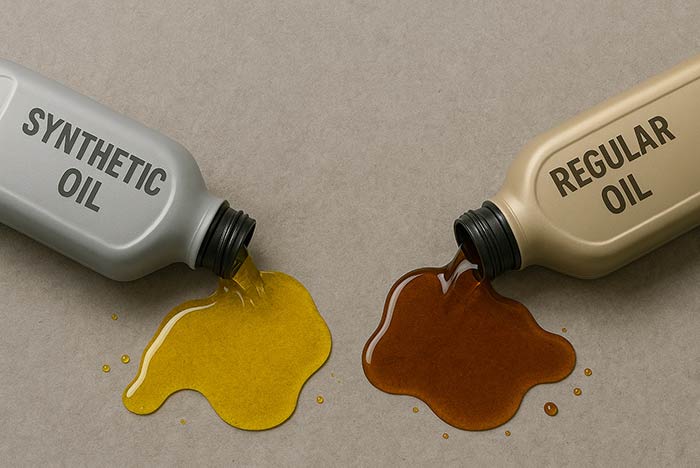
The Myth of Leaks and Engine Damage
Modern engine seals are made of synthetic polymers and viton materials that are chemically stable and completely compatible with full synthetic oils. If an engine begins to leak after switching to synthetic oil, the synthetic oil did not cause the damage. Instead, the high-detergent properties of synthetic oil cleaned away sludge deposits that were previously plugging up a pre-existing crack or a worn-out gasket.
- Synthetic oils do not eat away at healthy rubber or composite engine seals.
- Existing leaks masked by heavy conventional sludge may become visible once clean oil circulates.
- Engines built within the last two decades are factory-engineered to run seamlessly on synthetic blends or full synthetics.
Addressing High-Mileage Engine Anxieties
Many drivers of older vehicles worry that switching a high-mileage engine to synthetic oil will cause catastrophic failure due to loose tolerances. In reality, synthetic oil flows much better at extreme temperatures, providing superior lubrication during cold morning startups when most engine wear occurs. You do not need to worry about your engine rejecting the upgrade.
Master Switching to Synthetic Oil in 8 Simple Steps
Switching from conventional regular engine oil to modern synthetic oil is one of the single best maintenance decisions you can make for the longevity of your vehicle. Synthetic oils offer superior thermal breakdown resistance, better flow in freezing winter temperatures, and enhanced engine cleanliness over extended mileage intervals. However, transitioning properly requires attention to detail regarding your car’s age, mileage, and specific manufacturer specifications. This comprehensive walkthrough guides you safely through the transition process, ensuring your engine reaps the full benefits of synthetic lubrication without unexpected leaks or issues.
Step 1: Check Your Vehicle Owner’s Manual
What you need: Your vehicle owner’s manual, glove compartment access, or a smartphone to search online digital manuals.
Instructions: Before purchasing any supplies, open your vehicle’s owner manual and look specifically at the lubrication and fluid capacity section. Verify the exact oil weight (such as 5W-30 or 0W-20) and the required oil standard or certification (like ILSAC GF-6 or API SP). While modern vehicles almost universally accept synthetic oils, older classic cars or specialty high-performance engines may have specific seal requirements or tolerances. Confirming these manufacturer guidelines guarantees you buy the correct viscosity and keeps your engine warranty completely intact if your vehicle is relatively new.
Pro Tip: Never rely on guesswork regarding oil weight. Using the exact viscosity specified by the manufacturer ensures optimal hydraulic pressure and component lubrication during startup.
Step 2: Inspect Engine Mileage and Current Condition
What you need: Dashboard odometer reading, a flashlight, and a clean white paper towel for checking current oil color and consistency.
Instructions: Take note of your car’s total mileage. Contrary to old automotive myths, you can switch to synthetic oil at any mileage—whether your car is brand new with 5 miles or a seasoned commuter with 150,000 miles. However, if your engine currently suffers from heavy, active oil leaks through worn-out gaskets, synthetic oil’s superior cleaning detergents might temporarily expose these existing leaks further. Pull out your engine’s dipstick, wipe it on the paper towel, and inspect the fluid. If you notice thick sludge buildup, you may want to plan for a shorter first synthetic oil change interval to thoroughly clean the internal galleries.
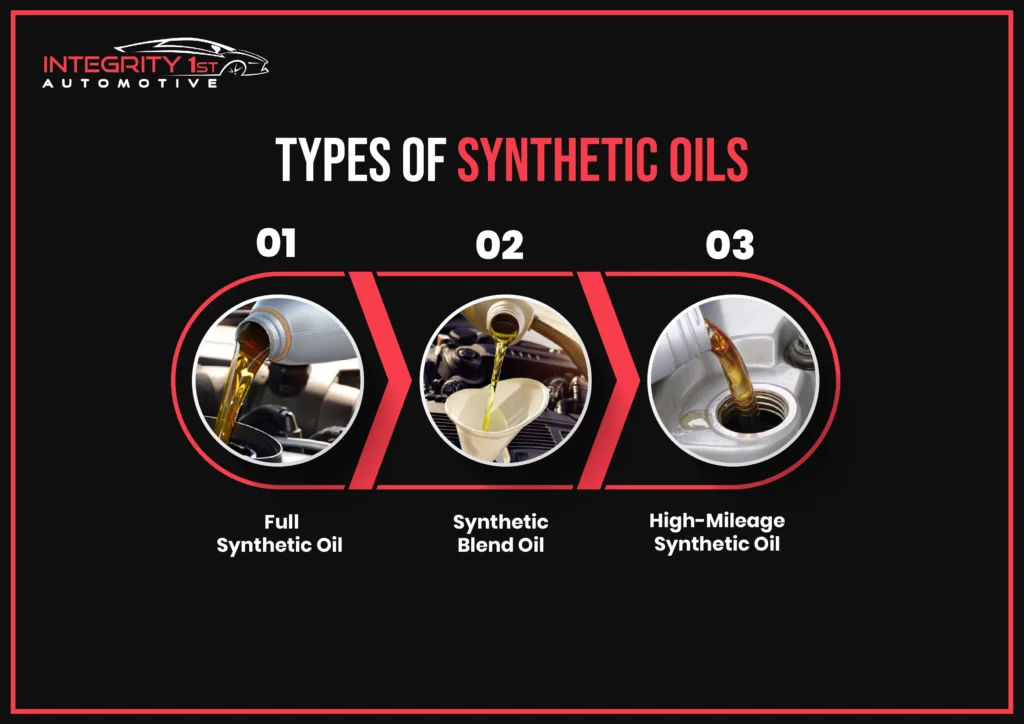
Pro Tip: If your high-mileage engine leaks significantly, consider using a “synthetic blend” or a specialized “high-mileage synthetic” formulation containing seal-conditioning agents.
Step 3: Gather the Correct Supplies and Tools
What you need: High-quality synthetic oil (correct amount and viscosity), a premium oil filter, an oil filter wrench, a socket wrench set, a drain pan, a funnel, shop rags, and safety glasses.
Instructions: Purchase enough synthetic oil to meet your engine’s exact capacity (usually between 4 to 7 quarts) plus an extra quart just in case. Do not skimp on the oil filter; buy a premium filter specifically rated for synthetic oil drainage intervals, which often feature stronger synthetic-blend filter media. Lay out your socket set, find the correct mm socket for your oil drain plug, and position your drain pan, clean rags, and funnel within arm’s reach of your workspace. Having every tool organized beforehand prevents messy mid-job scrambling.
Pro Tip: Always look for the API “Starburst” certification symbol and the “Dexos” or manufacturer approval badges on the back of the synthetic oil bottles to guarantee top-tier quality.
Step 4: Warm Up and Drain the Old Regular Oil
What you need: Jack stands, a hydraulic floor jack (if clearance is needed), wheel chocks, a drain pan, and gloves.
Instructions: Start your engine and let it run for approximately 3 to 5 minutes to warm up the old regular oil. Warm oil flows much faster and carries suspended particulate contaminants and sludge out of the engine more effectively than cold oil. Turn off the engine, safely elevate the front of the vehicle using jack stands, and chock the rear wheels securely. Locate the oil drain pan bolt underneath the engine, place your drain pan underneath, and carefully remove the bolt using your socket wrench. Let the old oil drain completely for at least 10 to 15 minutes until it slows to a steady drip.
Pro Tip: Watch out for the hot metal exhaust components and the warm oil stream when removing the drain plug to avoid burns.
Step 5: Replace the Old Oil Filter
What you need: Your new synthetic-rated oil filter, a filter wrench, and a fresh rag.
Instructions: Locate the old oil filter and use your filter wrench to loosen it counterclockwise if it is overtightened. Unscrew it slowly, keeping the open end tilted upward slightly to prevent old oil from spilling everywhere. Wipe the metal mounting pad clean on the engine block with a rag, ensuring the old rubber gasket from the previous filter did not stick behind (a common mistake called “double-gasketing”). Dip a clean finger into a bit of fresh synthetic oil and lightly lubricate the rubber gasket of your new filter. Screw the new filter on by hand until it is snug, then turn it an extra three-quarters of a turn—do not overtighten with a wrench.
Pro Tip: Leaving an old rubber gasket stuck to the engine mounting base will cause a catastrophic oil blowout the second you start the car. Always visually inspect the old filter’s gasket!
Step 6: Reinstall the Drain Plug and Fill with Synthetic Oil
What you need: Torque wrench, new drain plug crush washer (recommended), funnel, and your synthetic oil bottles.
Instructions: Wipe the oil pan drain hole clean and reinstall the drain plug by hand to avoid cross-threading. Tighten it securely with a wrench or torque wrench to the manufacturer’s precise specification (usually between 20 to 30 ft-lbs). Remove the engine oil filler cap under the hood, insert your clean funnel, and pour in the recommended number of quarts of your new synthetic oil. Pour slowly to give the fluid time to flow down into the oil pan. Once finished, remove the funnel and thread the oil filler cap back on tightly.
Pro Tip: Always replace the crush washer or gasket on your drain plug during every oil change to guarantee a tight, leak-free seal.
Step 7: Test Run, Check for Leaks, and Verify Level
What you need: Clean shop towel, dipstick, and a flashlight.
Instructions: Remove your jack stands and safely lower the vehicle back to flat ground. Start the engine and let it idle for about 30 to 60 seconds while you look underneath with a flashlight to verify there are no active drips or leaks around the drain plug or oil filter. Pay attention to the oil pressure dashboard light, which should turn off within a few seconds of startup. Turn the engine off, wait 3 minutes to let the oil settle back down into the pan, pull out the dipstick, wipe it, and check the fluid level. Top off slightly if the level sits below the full indicator mark.
Pro Tip: Never overfill your engine oil beyond the maximum dipstick line, as excessive crankcase pressure can force oil past seals and damage catalytic converters.
Step 8: Reset Maintenance Reminder and Monitor Interval
What you need: Dashboard controls, owner’s manual instructions for resetting the oil life monitor.
Instructions: Because you have upgraded to high-performance synthetic oil, your vehicle’s oil change interval will typically extend from the traditional 3,000–5,000 miles up to 7,500–10,000 miles (or once a year), depending on driving conditions and manufacturer specs. Access your car’s digital dashboard settings or use the trip odometer button sequence to reset your Oil Life Monitor back to 100%. Write down the date, mileage, and the fact that you switched to synthetic oil in your vehicle maintenance logbook or notes app.
Pro Tip: Check your oil level manually via the dipstick every 1,000 miles during your first few months on synthetic oil to establish your engine’s specific consumption baseline.
✅ Final Checklist
- Verified oil viscosity and specifications match owner’s manual requirements.
- Old conventional oil fully drained and old filter removed without leaving a stuck gasket.
- New drain plug washer installed and plug torqued securely to prevent leaks.
- Correct volume of new synthetic oil added and verified via dipstick level.
- Engine run tested with zero leaks observed under pressure, and maintenance light reset.
Important Notes:
- Always wear safety glasses and allow a hot engine to cool slightly before attempting any fluid maintenance to prevent severe burns.
- If you notice persistent oil pooling under your car or unusual engine noises after switching, seek professional mechanical assistance immediately.
- Estimated time: 45 to 60 minutes. Estimated cost: $40 to $80 in DIY supplies (oil and filter).
How to Safely Switch from Regular to Synthetic Oil Step-by-Step
Making the switch requires no special chemical flushes, engine treatments, or complicated mechanical procedures. Because conventional and full synthetic oils are fully miscible, meaning they mix together completely without separating or gelling, you can change your oil and be back on the road in minutes.

Preparation and Oil Selection
Before you perform the oil change or visit a service shop in 2026, check your owner manual to confirm the correct oil viscosity weight required for your engine. Choosing the right weight matters far more than whether the base oil is conventional or synthetic.
- Verify your vehicle requires a specific SAE viscosity rating like 0W-20, 5W-30, or 0W-16.
- Purchase a high-quality full synthetic oil that meets API service standards and your manufacturer specifications.
- Buy a fresh, high-efficiency oil filter designed to handle extended drain intervals.
Executing the Transition
The actual process of switching is identical to a standard routine oil change. You simply drain the old conventional oil, remove the old filter, install the new filter, and fill the crankcase with your new full synthetic oil.
- Run your engine for a few minutes to warm up the old oil so it drains completely and carries away suspended contaminants.
- Drain the conventional oil thoroughly from the oil pan plug.
- Fill the engine with synthetic oil, start the car, check the dashboard pressure light, and inspect underneath for any drips.
What If Your Engine Develops Leaks After the Switch
A persistent automotive myth suggests that switching to synthetic oil causes engine leaks. According to the Society of Automotive Engineers (SAE), modern synthetic formulations do not shrink seals or cause new leaks in healthy engines. However, older engines with accumulated sludge may experience seepage.
Understanding Pre-Existing Seal Wear
Sludge and carbon deposits often act as temporary plugs in aging gaskets and seals. Synthetic oils possess superior detergent properties designed to clean these deposits. Once the sludge washes away, pre-existing microscopic cracks or brittle rubber may allow oil to seep through.
Resolving Minor Seepage Issues
If you notice minor oil spots on your driveway after upgrading your lubricant, do not panic. High-mileage synthetic oils contain special seal conditioners that swell and rejuvenate dried-out rubber gaskets. Transitioning to a high-mileage synthetic blend often stops minor weeping within 1,000 to 3,000 miles of driving.
Best Practices for Maintaining Synthetic Oil Intervals
Maximizing the financial and mechanical benefits of synthetic oil requires strict adherence to maintenance best practices. While synthetics last longer than conventional petroleum oils, ignoring routine filter changes and fluid checks compromises engine longevity.
Optimizing Your Maintenance Schedule
- Consult Your Manual: Always verify that your chosen synthetic oil meets the specific viscosity grade and manufacturer certifications, such as ILSAC GF-6 or dexos1 Gen 3, required for your engine.
- Track Mileage Accurately: Premium full synthetics can comfortably last between 7,500 and 15,000 miles, but severe driving conditions—like heavy towing, dusty environments, or frequent short trips—cut those intervals in half.
- Replace the Filter Every Time: Never reuse an oil filter during a synthetic oil change, as trapped contaminants will degrade the fresh fluid prematurely.
What If It Still Doesn’t Work?
If your engine continues to consume excessive oil or develop significant leaks despite switching to a high-mileage synthetic formula, underlying mechanical wear is likely the root cause. Try these troubleshooting steps to resolve persistent lubrication issues:
- Perform a professional engine compression and leak-down test to check for worn piston rings or damaged valve stem seals.
- Inspect the PCV (Positive Crankcase Ventilation) valve, as a clogged valve creates internal crankcase pressure that forces oil past otherwise healthy gaskets.
- Visit a certified mechanic if oil consumption exceeds one quart every 1,000 miles, which typically indicates internal mechanical failure. Professional diagnostic fees and seal replacements range from $150 to over $1,200 depending on the specific location of the leak.
Conclusion
Switching from regular to synthetic oil is completely safe and delivers superior thermal stability and wear protection for modern engines. Addressing potential minor seepage with high-mileage formulations ensures a smooth transition. According to verified research and expert sources from the automotive lubrication industry, upgrading to synthetic oil remains one of the single most effective preventative maintenance steps you can take. Schedule your synthetic oil change today to optimize your vehicle’s long-term performance.
❓ Frequently Asked Questions
Is it ok to switch back to regular oil after using synthetic?
Yes, you can freely switch back and forth between conventional and synthetic oils without damaging the engine. They are chemically compatible and mix safely inside the crankcase.
Does synthetic oil cause old engine seals to leak?
Synthetic oil itself does not cause leaks, but it can clean away sludge deposits that were previously masking a worn-out or degraded gasket. If a leak occurs, the gasket was already failing and needed replacement.
How soon will I notice a difference after switching to synthetic?
You likely will not notice an immediate dramatic change in performance, but your engine will experience better lubrication during cold starts and superior protection against high temperatures over time.
Do I need to change my oil change interval when I switch?
Yes, synthetic oil generally lasts longer than conventional oil, often allowing you to go between 7,500 and 10,000 miles, though you should always verify your vehicle owner manual recommendations.
Can I use synthetic oil in a brand-new car engine?
Many modern vehicles come straight from the factory filled with synthetic oil. Check your owner manual to ensure you use the exact viscosity grade required for your specific engine.
Is synthetic blend oil a good middle ground?
A synthetic blend combines conventional and synthetic oils, offering a cost-effective compromise that provides better protection than standard oil while costing less than full synthetic.