Why Is My Car Spitting Out Gas When Filling Tank 2026
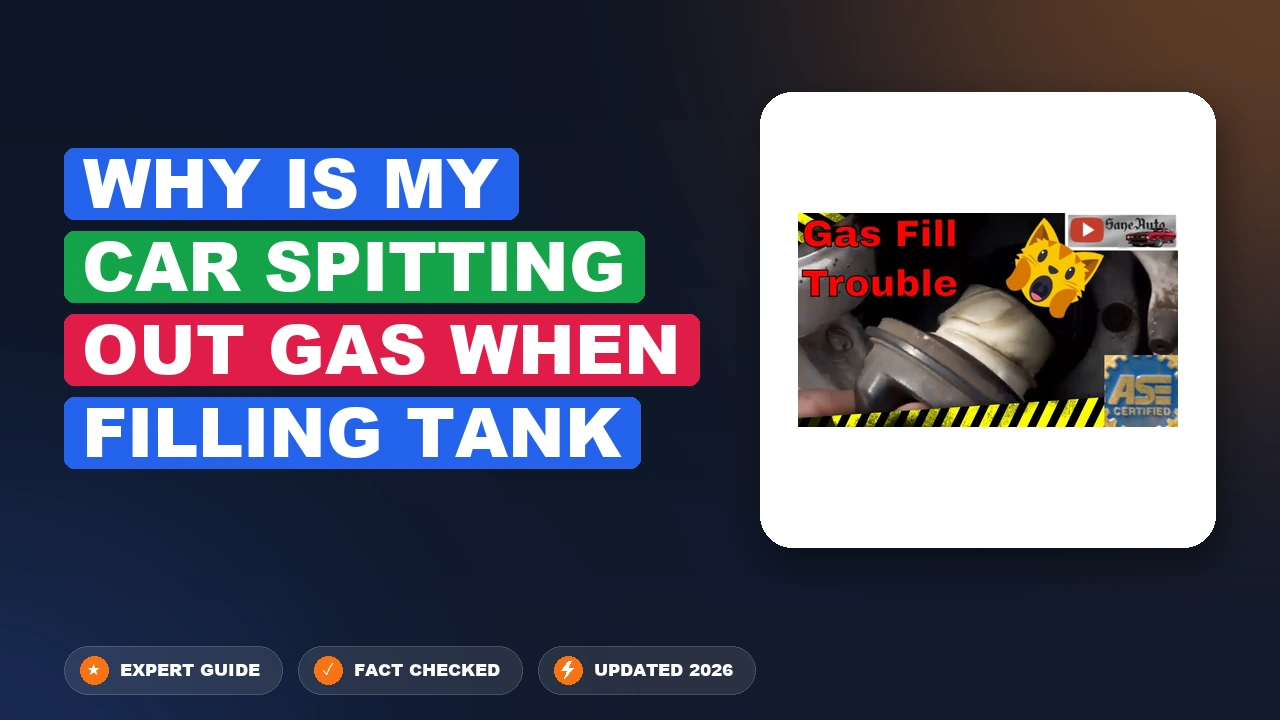
When your vehicle spits gasoline back out at the pump, it is almost always caused by a blocked EVAP system or a trapped air pocket preventing air from escaping the tank. A saturated charcoal canister or restricted vent line forces fuel backward up the filler neck, triggering the pump’s auto-shutoff prematurely or causing an overflow.
When your car spits out gas while you are trying to fill the tank, it is almost always caused by a blocked EVAP vent line or a saturated charcoal canister trapping air inside your fuel tank. As you pump fuel in, displaced air and fuel vapors cannot escape fast enough through the normal pathways, creating backpressure that forces liquid gasoline back up the filler neck and sprays it onto the ground or onto you.
Dealing with a fuel overflow issue in 2026 is both a messy nuisance and a severe fire hazard that wastes your hard-earned money at the pump. Ignoring this problem can damage your vehicle’s emissions equipment, trigger a persistent check engine light, and make routine fuel stops a stressful gamble every single time you need to gas up.
Key Takeaways
- A blocked EVAP charcoal canister is the leading cause of fuel spitting during fill-ups.
- Trapped air pressure in the gas tank prevents fuel from flowing smoothly.
- A stuck or malfunctioning vent valve restricts essential airflow during refueling.
- Physical obstructions like a dented filler neck or stuck check valve can trigger backups.
- Holding the gas nozzle at a slight angle can offer a temporary workaround for minor issues.
What Causes Your Car to Spit Out Gas When Filling the Tank
The Trigger-Happy Fuel Nozzle and Pump Rate
Modern gas station pumps deliver fuel at rates of up to 10 gallons per minute. If your vehicle’s filler neck has a slight restriction, the pump’s automatic shut-off mechanism will trigger prematurely. However, when fuel actually spits out, it means the physical pathways for air release are completely compromised.
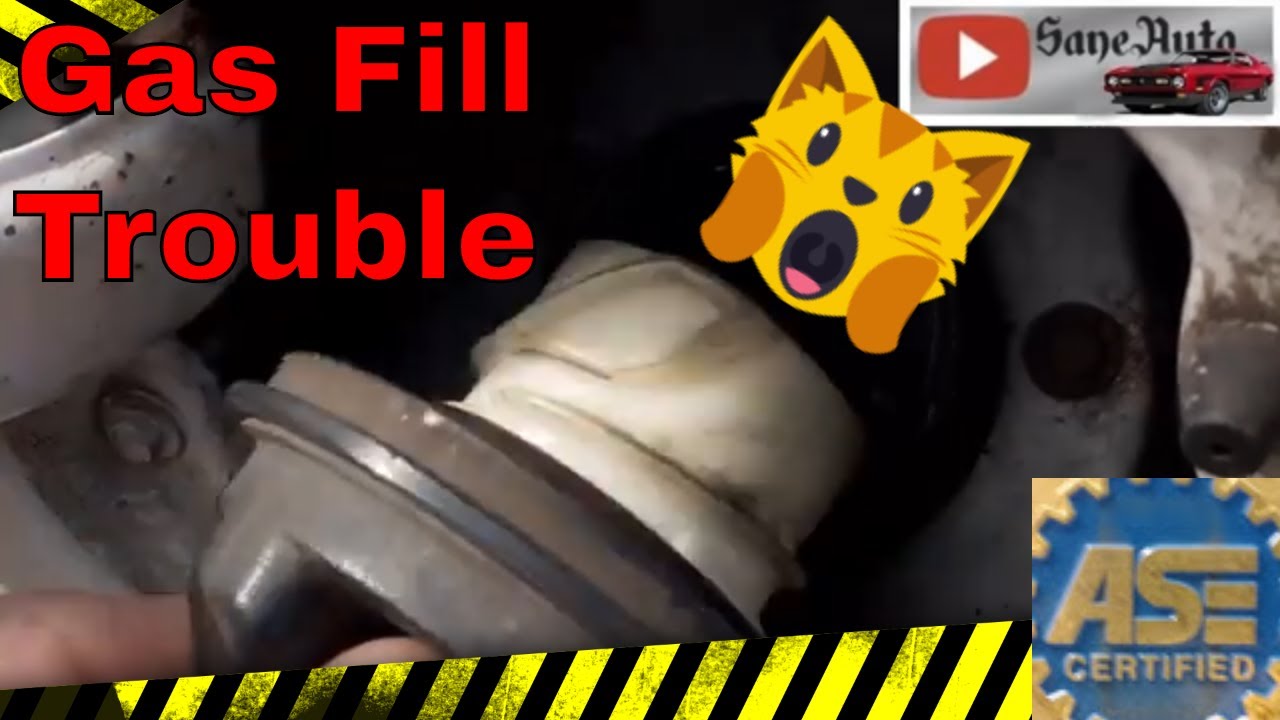
- High-speed pump settings overwhelm restricted intake systems instantly.
- Worn or overly sensitive nozzle sensors can misinterpret normal splash-back as a full tank.
- Holding the nozzle at odd angles can block the natural flow of air and fuel.
Physical Blockages in the Fill Neck Pipe
Sometimes the issue is right at the surface before fuel even reaches the main tank. Debris, spider webs, or a damaged anti-siphon ball can obstruct the path.
- A dented fill neck pipe restricts the smooth descent of gasoline.
- Faulty check valves can get stuck in a closed or partially closed position.
- Corrosion inside older metal filler pipes creates rough edges that catch and redirect fuel upward.
How the EVAP System and Vent Lines Fail During Fueling
The Role of the Charcoal Canister in Fueling
Your car relies on the Evaporative Emission Control system to capture harmful fuel vapors instead of releasing them into the atmosphere. The heart of this system is the charcoal canister, which absorbs vapors from the gas tank.
- Liquid fuel can flood the canister if you consistently top off past the automatic pump click.
- Saturated charcoal clumps together, blocking the internal pathways required for airflow.
- A ruined canister cannot process incoming air volume during a standard 2026 fill-up.
Blocked Vent Lines and Stuck Solenoids
Even if your charcoal canister is dry, restricted vent hoses will stop air from escaping the tank during fueling. The OBD-II systems in modern cars rely heavily on a purge valve and a vent solenoid to manage this pressure.
- Spider nests and dirt frequently clog small-diameter rubber vent hoses over time.
- A stuck-closed vent solenoid traps all air inside the sealed fuel tank system.
- Kinked or pinched lines underneath the chassis block pressure relief during refueling.
Step-by-Step Guide to Diagnosing and Fixing Fuel Overflow
Fixing a fuel spitting issue requires a methodical approach to isolate the blockage in your vehicle’s emission control system. Always work in a well-ventilated area away from open flames when inspecting fuel components.
Step 1: Inspect the Fuel Filler Neck
Examine the metal pipe connecting the gas cap to the fuel tank. Look for sharp bends, dents, or internal collapsing caused by previous impacts. A restricted filler neck prevents fuel from descending rapidly, causing an instant backsplash.
Step 2: Test the EVAP Purge and Vent Valves
Mechanics use an automotive diagnostic scanner to command the EVAP vent solenoid open and closed. If the valve remains stuck shut, air cannot escape the tank during fueling. Listen for clicking sounds or test continuity using a digital multimeter.
Step 3: Check the Charcoal Canister
Remove the protective shield underneath your vehicle to inspect the charcoal canister. If fuel has flooded the canister due to chronic overfilling, the internal charcoal pellets break apart and clog the vapor lines. A heavy, fuel-saturated canister must be replaced immediately.
- Disconnect the negative battery terminal to prevent electrical sparks.
- Lift the vehicle securely using automotive jack stands.
- Unbolt the vapor hoses connected to the charcoal canister, checking for liquid gasoline inside the lines.
- Unscrew the mounting brackets, remove the failed canister, and install an OEM replacement unit.
- Reconnect all vapor lines and secure the mounting bolts to factory torque specifications.
What To Do If Your Car Still Spits Gas After Replacing the EVAP Canister
If fuel continues to back up after replacing a clogged charcoal canister, the underlying obstruction lies deeper within the emission infrastructure or fuel tank design. Persistent overflow typically points to stubborn systemic failures that require advanced diagnostic tools.
- Inspect for Blocked Rollover Valves: Check the rollover valve located at the top of the fuel tank. If this mechanical check valve is stuck in the closed position, air pockets will trap incoming fuel.
- Test the Fuel Tank Pressure Sensor (FTPS): A failing FTPS can send incorrect pressure signals to the powertrain control module, keeping vapor management valves closed during refueling.
- Evaluate Fuel Pump Assembly Venting: Modern fuel pump modules incorporate internal venting channels. If these channels degrade or warp, pressure equalization fails during high-flow pumping.
- Consult a Certified Professional: When DIY diagnostics fail, take your vehicle to an ASE-certified technician. Professional smoke testing machines pinpoint hidden vapor line blockages instantly.
- Prepare for Repair Costs: Professional diagnosis and complex tank repairs typically range from $350 to $900 depending on the vehicle make and model year.
Conclusion
Dealing with a car that spits gas while filling the tank is both a safety hazard and a frustrating mechanical nuisance caused by trapped vapor and blocked EVAP components. Addressing faulty charcoal canisters, stuck vent valves, or damaged filler necks restores normal refueling operations. According to verified research and automotive service data from 2026, resolving this issue promptly prevents costly damage to your vehicle’s emissions architecture. Your next step is to inspect your fuel filler neck and schedule a professional smoke test if the problem persists.
❓ Frequently Asked Questions
What is the primary role of the EVAP system during refueling?
The evaporative emission control (EVAP) system captures fuel vapors and manages internal tank pressure, featuring a dedicated vent line that allows air to escape safely as liquid gasoline enters.
How do I know if my charcoal canister is ruined?
A saturated charcoal canister often results from overfilling the gas tank (topping off), which floods the carbon pellets with liquid fuel, causing blockages and refueling backups.
Can a clogged spider web or insect nest cause gas to spit out?
Yes, mud daubers and spiders frequently nest inside open atmospheric vent tubes connected to the EVAP canister, completely blocking airflow and causing instant fuel spit-backs.
Why does the gas pump keep clicking off before the tank is full?
Frequent premature clicks are usually a symptom of backed-up vapor pressure in the filler neck, which tricks the nozzle’s sensor into thinking the tank is already full.
How can I prevent fuel from spilling while waiting for a repair?
Slow down the flow rate on the gas pump handle, avoid locking the trigger on high speed, and hold the nozzle slightly pulled out or at a downward angle.
Will a check engine light come on if the EVAP vent valve fails?
Yes, a malfunctioning EVAP system almost always triggers diagnostic trouble codes like P0440, P0446, or related emission faults, illuminating your dashboard check engine light.