How Much Does Changing Transmission Fluid Cost in 2026
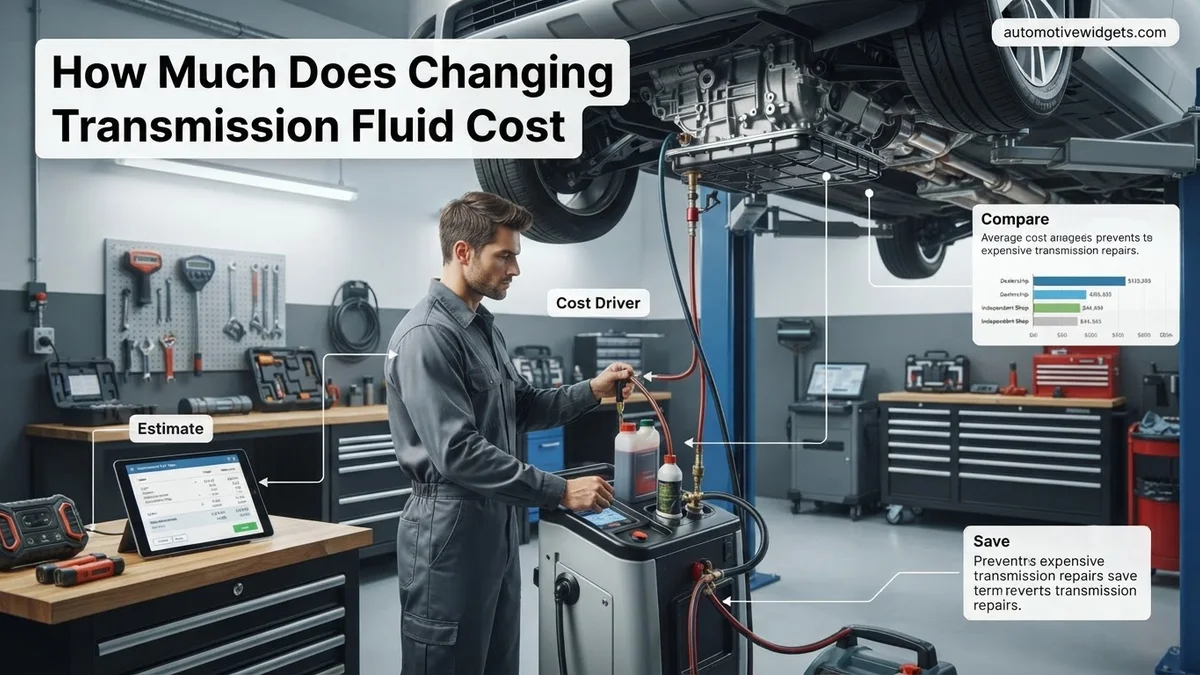
The cost of changing transmission fluid in 2026 typically ranges from $150 to $400 for a drain and fill, and $300 to $700+ for a full flush. Prices vary significantly based on vehicle type, transmission type (automatic vs. manual), fluid required, and shop labor rates.
In 2026, you can expect a professional transmission fluid change service to typically cost anywhere from $150 to $600 for most vehicles. However, specialized services or certain high-end models can push this into the $800+ range. Understanding these costs helps you budget effectively and avoid unexpected expenses, ensuring your vehicle’s longevity.
Neglecting your transmission fluid can lead to premature wear and tear, eventually resulting in far more expensive repairs or even a full transmission replacement. Knowing what factors influence the service price—like your vehicle type and the method used—empowers you to make informed decisions about this crucial maintenance.
Key Takeaways
- Expect $150-$700+ for fluid change service.
- Drain & fill is cheaper; flush is more comprehensive.
- Automatic transmission fluid services cost more.
- Synthetic fluid significantly elevates overall price.
- Neglect leads to expensive transmission failure.
What Causes Variation in Transmission Fluid Change Costs?
The price you pay for a transmission fluid change isn’t fixed; it fluctuates significantly based on several key factors. Understanding these elements will help you anticipate costs more accurately in 2026.
Vehicle Specifics and Fluid Type
Your car’s make, model, and year play a substantial role. Newer vehicles, especially those from luxury or performance brands, often require specific, high-performance fluids and can have more complex transmission designs, increasing both parts and labor costs.
- Vehicle Complexity: European luxury sedans or intricate AWD SUVs often require more time and specialized tools.
- Fluid Type:
- Conventional Fluids (e.g., older DEXRON/MERCON): Typically cost $5-$10 per quart in 2026.
- Synthetic or OEM-Specific Fluids: Modern transmissions often demand these, costing $15-$30+ per quart due to their advanced formulations and stricter specifications.
- Filter and Gasket: Most services include replacing the transmission filter and pan gasket. These parts can range from $20 to $100+ depending on the vehicle.
Labor Rates and Location
Where you get your service done, and by whom, significantly impacts the labor cost. Labor rates vary widely by geographic region and shop type in 2026.
- Dealerships: Generally have the highest labor rates, often ranging from $150 to $250+ per hour. They use OEM parts and factory-trained technicians.
- Independent Mechanics: Typically offer more competitive rates, usually between $100 and $180 per hour, providing a good balance of expertise and value.
- Geographic Location: Major metropolitan areas or regions with higher costs of living (e.g., New York, Los Angeles, San Francisco) will typically have higher labor rates compared to rural or lower-cost areas.
<h2>From Start to Finish: Transmission Fluid Cost Explained</h2>

<p>Understanding the cost of changing transmission fluid can feel like navigating a maze of fluid types, labor rates, and service options. This comprehensive guide aims to demystify the expenses involved, whether you're considering a professional service or a do-it-yourself approach. We'll break down the factors that influence the final price tag, from the specific type of transmission your vehicle has to the choice between a simple drain & fill or a full flush. By following these practical steps, you'll gain the knowledge to accurately estimate costs, make informed decisions, and ensure your transmission receives the proper maintenance without unexpected financial surprises.</p>

<h3>Step 1: Determine Your Transmission Type and Fluid Specification</h3>
<p><strong>What you need:</strong> Your vehicle's owner's manual, vehicle identification number (VIN) for online lookup if manual is missing.</p>
<p><strong>Instructions:</strong> The first and most critical step is to identify what kind of transmission your car has (e.g., automatic, manual, Continuously Variable Transmission (CVT), Dual-Clutch Transmission (DCT)). Each type requires a specific fluid. Consult your owner's manual for the exact fluid specification (e.g., Dexron VI, Mercon LV, Honda Z-1, Toyota WS, specific CVT fluid types). This specification is paramount, as using the wrong fluid can cause severe damage, potentially costing thousands in repairs. Note down the specified fluid volume as well.</p>
<p><strong>Pro Tip:</strong> Never guess your fluid type. Even within the same manufacturer, different models or years can require distinct fluids. An incorrect fluid can lead to clutch slippage, overheating, and premature transmission failure.</p>

<h3>Step 2: Research Fluid Prices Based on Type and Brand</h3>
<p><strong>What you need:</strong> Internet access, local auto parts store websites, the specific fluid specification from Step 1.</p>
<p><strong>Instructions:</strong> Once you have your fluid specification, begin researching prices. OEM (Original Equipment Manufacturer) fluids are often the most expensive but guarantee compatibility. Reputable aftermarket brands (e.g., Castrol, Valvoline, Mobil 1, Amsoil) offer fluids meeting various OEM specifications, often at a lower price point. Compare prices for individual quarts/liters versus larger containers (gallons) if you plan a DIY change. Note that specialty fluids for CVTs or DCTs can be significantly more expensive than conventional automatic transmission fluids.</p>
<p><strong>Pro Tip:</strong> Be wary of generic "universal" transmission fluids that claim to work for all applications. While some multi-vehicle fluids are excellent, always ensure they explicitly list your vehicle's required specification to avoid compatibility issues. Always cross-reference.</p>

<h3>Step 3: Estimate Labor Costs for Professional Service</h3>
<p><strong>What you need:</strong> Phone, internet, names of local reputable automotive repair shops or dealerships.</p>
<p><strong>Instructions:</strong> If you're not doing it yourself, labor will be a significant cost. Call several shops and ask for quotes for a transmission fluid change for your specific make, model, and year. Clarify if the quote is for a "drain and fill" or a "transmission flush." Labor rates can vary widely, from $75-$150+ per hour, depending on the shop's location, expertise, and whether it's an independent mechanic or a dealership. A typical fluid change might take 1 to 2 hours of shop time.</p>
<p><strong>Pro Tip:</strong> Don't just go for the cheapest quote. Ask about the type of fluid they use, if they replace the filter (for automatics), and if they use new gaskets. A reputable shop will be transparent about these details and not cut corners on critical components.</p>

<h3>Step 4: Account for Additional Parts: Filter and Gaskets</h3>
<p><strong>What you need:</strong> Your vehicle's owner's manual (for maintenance schedule), auto parts store websites.</p>
<p><strong>Instructions:</strong> For most automatic transmissions, changing the fluid involves replacing the transmission filter and the pan gasket. These are crucial components. The filter ensures contaminants are removed, and a new gasket prevents leaks. Research the cost of a new transmission filter kit (which usually includes the gasket) for your vehicle. These typically range from $20 to $60. Manual transmissions and some sealed automatic transmissions might not have an accessible filter or require only a drain plug gasket, which is far cheaper.</p>
<p><strong>Pro Tip:</strong> Always replace the transmission filter and pan gasket when performing an automatic transmission fluid change. Reusing an old gasket or neglecting the filter can lead to leaks or inadequate filtration, compromising the entire service.</p>

<h3>Step 5: Understand the "Drain & Fill" vs. "Flush" Debate and Cost Implications</h3>
<p><strong>What you need:</strong> Your vehicle's maintenance history, understanding of your comfort level with different service types.</p>
<p><strong>Instructions:</strong> A "drain & fill" replaces only the fluid that drains out by gravity (typically 30-50% of the total fluid volume). A "flush" uses a machine to pump out old fluid while simultaneously introducing new fluid, aiming to replace nearly 100% of it. Flushes are generally more expensive due to specialized equipment and more fluid required. For high-mileage transmissions with unknown service history, a flush might be risky as it can dislodge debris and clog critical components. Discuss with a trusted mechanic which method is best for your vehicle's condition and history.</p>
<p><strong>Pro Tip:</strong> If your transmission fluid hasn't been changed in a very long time (e.g., 100,000+ miles with no record), a series of drain & fills might be safer and gentler than a full flush to gradually introduce new fluid and avoid shocking the system.</p>

<h3>Step 6: Calculate Your Total Estimated Cost</h3>
<p><strong>What you need:</strong> All gathered cost information from previous steps.</p>
<p><strong>Instructions:</strong> For a DIY project, sum the cost of the fluid, filter, and gaskets. Don't forget potential costs for basic tools if you don't have them (e.g., torque wrench, drain pan, funnels). For professional service, add the estimated labor cost, the cost of the fluid (as supplied by the shop), and the cost of the filter and gasket. Some shops might include a "shop supplies" fee. Compare your DIY estimate to professional quotes to decide which path offers the best value for your budget and comfort level. Remember to factor in proper disposal of old fluid, which some auto parts stores offer for free.</p>
<p><strong>Pro Tip:</strong> Always add a small contingency (10-15%) to your total estimated cost for unexpected minor expenses, such as a stripped drain plug or a missing O-ring, which can sometimes occur during maintenance.</p>

<h3>Step 7: Consider Vehicle Make, Model, and Complexity</h3>
<p><strong>What you need:</strong> Your specific vehicle details.</p>
<p><strong>Instructions:</strong> The make and model of your vehicle play a significant role in the overall cost. Luxury brands (e.g., BMW, Mercedes, Audi), sports cars, or vehicles with highly specialized transmissions (like some ZF 8-speeds or VW/Audi's DSG) often require proprietary fluids that are much more expensive. Furthermore, their fluid change procedures can be more complex, sometimes requiring specific diagnostic tools for temperature-controlled fluid level checks, increasing labor time and cost. Some transmissions are "sealed for life" which implies a more complex service if fluid changes are performed.</p>
<p><strong>Pro Tip:</strong> For complex or high-end vehicles, a dealership or a specialized independent shop with experience in your specific vehicle's transmission might be worth the higher cost to ensure correct procedures and fluid are used, protecting a very expensive component.</p>

<h3>Step 8: Long-Term Cost Savings and Prevention</h3>
<p><strong>What you need:</strong> Your vehicle's service history, a commitment to regular maintenance.</p>
<p><strong>Instructions:</strong> While changing transmission fluid incurs an upfront cost, it's a vital preventative maintenance step that can save you thousands in potential transmission repair or replacement down the line. Regularly inspecting your fluid level and condition, and adhering to your manufacturer's recommended service intervals (often every 30,000 to 100,000 miles, depending on usage and transmission type), will keep your transmission operating smoothly and extend its lifespan. Overlooking this service can lead to fluid degradation, increased friction, overheating, and ultimately, catastrophic failure.</p>
<p><strong>Pro Tip:</strong> Consider the cost of a fluid change as an investment in your vehicle's longevity. A new transmission can cost anywhere from $3,000 to $7,000+, making a few hundred dollars for preventative maintenance an exceptionally wise expenditure.</p>

<h3>✅ Final Checklist</h3>
<ul>
<li>Confirmed the exact transmission type, fluid specification, and required volume for your vehicle.</li>
<li>Obtained at least three quotes from reputable shops, clearly specifying the service (drain & fill vs. flush) and parts included.</li>
<li>Accounted for the cost of a new transmission filter and pan gasket (for automatic transmissions).</li>
<li>Understood the risks and benefits of a drain & fill versus a flush for your vehicle's history.</li>
<li>Prepared for proper disposal of old transmission fluid, whether DIY or through a professional service.</li>
</ul>

<p><strong>Important Notes:</strong></p>
<ul>
<li><strong>Safety considerations or warnings:</strong> Always work on a level surface. Use jack stands if lifting the vehicle; never rely solely on a jack. Wear appropriate personal protective equipment (gloves, eye protection). Hot transmission fluid can cause severe burns. Ensure proper ventilation if working in an enclosed space.</li>
<li><strong>When to seek professional help:</strong> If you lack the necessary tools, experience, or confidence; if your transmission has unusual symptoms (slipping, hard shifts, noises) before the fluid change; if the service requires specialized diagnostic equipment (e.g., for sealed transmissions or specific fill procedures); or if you encounter any difficulties during a DIY attempt.</li>
<li><strong>Estimated time and cost range:</strong><br>
    <strong>DIY (Drain & Fill, basic vehicle):</strong> Fluid ($40-$150), Filter/Gasket ($20-$60), Time (1-3 hours). Total: <strong>$60-$210</strong>.<br>
    <strong>Professional (Drain & Fill):</strong> Fluid + Labor + Parts ($150-$400). Time (1-2 hours shop time).<br>
    <strong>Professional (Flush):</strong> Fluid + Labor + Parts ($250-$600+). Time (1.5-3 hours shop time).<br>
    <strong>High-end/Specialized Vehicles (Fluid change):</strong> Can range from <strong>$500-$1000+</strong> due to expensive fluids and complex procedures.</li>
</ul>
Understanding Automatic vs. Manual Transmission Fluid Service
The type of transmission in your vehicle – automatic or manual – dictates the service procedure and, consequently, the cost. Automatic transmissions usually have more complex requirements and higher costs.
Automatic Transmission Fluid Service: Drain & Fill vs. Full Flush
Automatic transmissions offer two primary service options, each with distinct costs and benefits for 2026.
- Drain & Fill:
- Cost: $150-$350.
- Process: This method involves draining the fluid from the transmission pan and refilling it. It typically replaces only 30-50% of the old fluid, leaving a significant amount in the torque converter and cooler lines.
- Best For: Vehicles with regular maintenance history or older transmissions where a full flush might dislodge debris and cause issues. Often includes a new filter and pan gasket.
- Full Flush (Fluid Exchange):
- Cost: $350-$600, or more for complex systems.
- Process: A specialized machine is used to pump new fluid through the system, forcing out nearly 100% of the old fluid. This ensures complete fluid replacement.
- Best For: Newer vehicles or those with consistent maintenance, as it provides the most thorough fluid exchange. This service almost always includes a new transmission filter and pan gasket, which contributes to the higher price.
Manual Transmission Fluid Service
Manual transmissions are generally simpler and less expensive to service compared to their automatic counterparts.
- Cost: $100-$250.
- Process: This usually involves a straightforward drain and refill of the gear oil. There are typically no complex filters to change, making the labor less intensive.
- Fluid Type: Manual transmissions use gear oil, which is different from automatic transmission fluid. The specific viscosity and type of gear oil required will influence the overall cost, though generally, these fluids are less expensive than specialized ATFs.
Step-by-Step Guide: Choosing Your Transmission Fluid Service (Drain vs. Flush)
Understanding the distinction between a transmission fluid drain-and-fill and a full flush is crucial for making an informed service decision. Each method has its specific applications and cost implications as of 2026.
-
Transmission Fluid Drain-and-Fill:
This simpler procedure involves draining the fluid from the transmission pan, similar to an oil change. It typically replaces only 40-60% of the total fluid volume, as significant amounts remain in the torque converter and cooler lines. This method is generally recommended for routine maintenance according to most 2026 vehicle manufacturer guidelines, especially for newer vehicles. The cost for a drain-and-fill, including fluid and labor, ranges from $150 to $300 in 2026, varying by vehicle make and fluid type. It’s a less invasive option, ideal for vehicles with regularly serviced transmissions.
-
Transmission Fluid Flush:
A full transmission flush utilizes a specialized machine to pump new fluid through the system, displacing nearly all the old fluid from the entire transmission, including the torque converter and cooler lines. This provides a more comprehensive fluid replacement. However, for transmissions that have been severely neglected, a flush can sometimes dislodge deposits, potentially causing new problems. Expert sources, such as the Automotive Service Association (ASA) guidelines for 2026, suggest exercising caution with flushes on high-mileage, unserviced transmissions. The cost for a transmission fluid flush, due to specialized equipment and increased fluid volume, typically ranges from $350 to $650 in 2026.
Always consult your vehicle’s 2026 owner’s manual or a certified technician to determine the appropriate service method for your specific model and mileage.
What If You Neglect Your Transmission Fluid? (Costly Consequences)
Failing to change your transmission fluid according to the manufacturer’s recommended intervals can lead to severe and expensive consequences. As transmission fluid ages, its lubricating properties degrade, and it accumulates contaminants like metallic particles and clutch material. This degradation creates a cascade of problems within the transmission system.
Initially, you might notice subtle symptoms such as delayed shifting, slipping gears, or unusual noises. Over time, increased friction and heat generated by inadequate lubrication can cause irreversible damage to critical internal components, including clutch packs, planetary gears, and seals. According to 2026 data from automotive repair industry analyses, these issues can quickly escalate into major transmission failure. The direct consequence is often the need for a complete transmission rebuild or replacement.
The financial impact of neglecting fluid changes is substantial. A typical transmission rebuild in 2026 can cost anywhere from $3,500 to $7,000, depending on the vehicle’s make and model. Replacing a transmission with a new or remanufactured unit is even more costly, frequently ranging from $4,000 to over $9,000. These figures starkly contrast with the preventative cost of a fluid change, which is typically under $650. Prioritizing routine fluid maintenance is a proven strategy to avoid these significant repair expenses.
What If Transmission Issues Persist After Fluid Change?
If your vehicle continues to exhibit transmission problems even after a professional fluid change, it indicates that the issue extends beyond simple fluid degradation. Here are several steps to consider:
-
Re-verify Fluid Level and Type: Ensure the service provider used the exact fluid type specified by your vehicle manufacturer for 2026 models and that the fluid level is correctly set when warm. An incorrect fluid type or level can cause new or persistent issues.
-
Inspect for External Leaks: Carefully check around the transmission pan, cooler lines, and seals for any signs of new leaks. A small leak can quickly deplete fluid, leading to performance problems.
-
Monitor Warning Lights and OBD-II Codes: Observe if the “Check Engine” or transmission warning light illuminates. Use an OBD-II scanner to pull any stored diagnostic trouble codes (DTCs), which can pinpoint specific sensor or solenoid failures.
-
Seek Specialized Transmission Diagnosis: If symptoms persist, it’s crucial to consult a dedicated transmission specialist. These shops possess advanced diagnostic equipment and expertise beyond general mechanics. They can perform pressure tests, electrical checks, and component-specific diagnostics.
A specialized transmission diagnosis typically costs between $150 and $300 in 2026, solely for identifying the root cause. Depending on the diagnosis, repairs could range from $500 for a faulty sensor or solenoid to several thousands for internal component replacement, reinforcing the need for professional evaluation.
Conclusion
Regular transmission fluid changes are a critical, cost-effective aspect of preventative vehicle maintenance, safeguarding against much larger repair expenses. According to verified automotive service guidelines and industry data for 2026, neglecting this service can lead to significant component wear and ultimately costly transmission rebuilds or replacements. To ensure the longevity and reliable performance of your vehicle, consult your owner’s manual or a certified technician to adhere to the recommended transmission fluid service intervals and specifications.
❓ Frequently Asked Questions
What factors significantly influence the cost of a transmission fluid change in 2026?
The primary factors include your vehicle’s make and model, the type of transmission (automatic often costs more), the specific fluid required (synthetic is pricier), whether you opt for a drain and fill or a full flush, and the labor rates of the service center (dealerships typically charge more).
Why is a transmission fluid flush more expensive than a drain and fill?
A transmission flush involves specialized equipment to completely remove old fluid and contaminants from the entire system, including the torque converter and cooler lines. This process requires more time, specialized tools, and a larger volume of new fluid, making it a more comprehensive and thus pricier service.
How much does a transmission filter replacement add to the overall cost?
Replacing the transmission filter and pan gasket usually adds an extra $50 to $150 to the total cost. This is often included in a comprehensive transmission service, especially during a pan drop for a drain and fill.
Should I go to a dealership or an independent mechanic for this service?
Dealerships typically have specialized knowledge and genuine OEM fluids for your specific vehicle, but often charge higher labor rates. Independent mechanics can offer more competitive pricing and still provide quality service, especially if they specialize in your car’s make.
Can neglecting transmission fluid changes really lead to major transmission repairs?
Absolutely. Old, contaminated, or low transmission fluid loses its lubricating and cooling properties, leading to excessive friction, overheating, and accelerated wear on critical internal components. This can result in costly issues like slipping gears, harsh shifting, or even complete transmission failure requiring a rebuild or replacement, which can cost thousands.
Are there any indicators that my transmission fluid needs changing?
Common signs include difficulty shifting, delayed engagement, grinding noises, an illuminated check engine light, or a burning smell coming from under the hood. Additionally, if the fluid on your dipstick appears dark, murky, or has a burnt odor instead of its usual reddish, transparent color, it’s time for a change.