What Happens When You Put 87 Gas Instead Of 93 What 2026
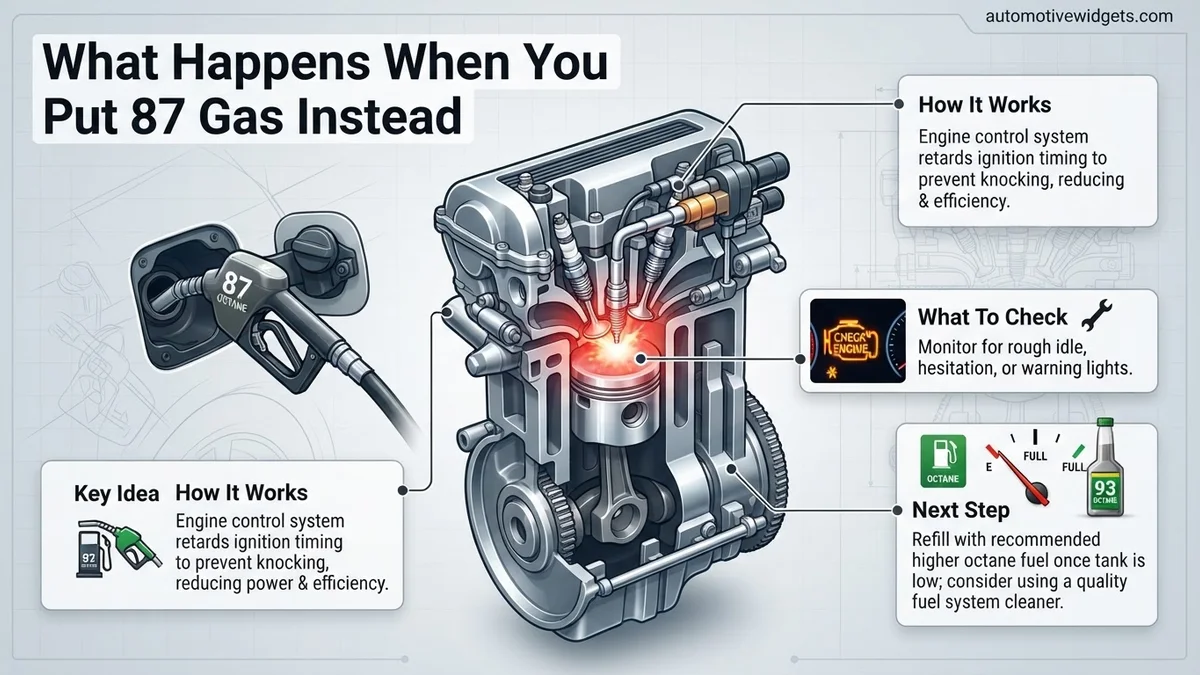
Using 87 octane in an engine designed for 93 can lead to engine knock or pre-ignition, which your car’s computer will try to prevent. This compensation typically results in reduced horsepower, decreased fuel efficiency, and potential engine stress over time.
For vehicles engineered for 93 octane, mistakenly filling up with 87 octane gasoline in 2026 triggers an immediate, albeit often imperceptible, reaction within your engine’s sophisticated management system. The core issue is preventing harmful engine knock or pre-ignition, which lower octane fuel is more prone to cause. This isn’t just about a minor hiccup; it’s about your car’s brain actively working overtime to protect its mechanical heart, leading to measurable impacts on performance and potentially long-term wear if the practice becomes regular.
Understanding this process is crucial for any driver. It directly influences your vehicle’s power output, fuel efficiency, and overall longevity. While modern engines are remarkably resilient, consistently using a fuel grade below the manufacturer’s specification can degrade the driving experience and, in severe cases, compromise engine integrity over time. This guide will walk you through the precise mechanisms at play, explaining what happens beneath the hood when you make this fuel choice.
Key Takeaways
- Engine knock is the primary immediate risk.
- ECU retards timing to protect the engine.
- Expect noticeable power loss and lower MPG.
- A single misfill is usually not critical.
- Habitual use risks long-term engine damage.
What Happens with Lower Octane: The Core Problem Diagnosed
The Detonation Dilemma
When you introduce 87 octane fuel into an engine designed for 93, the primary risk is detonation, also known as engine knock or pre-ignition. In a healthy combustion cycle, the spark plug ignites the air-fuel mixture at a precise moment, and the flame front expands smoothly across the combustion chamber. However, 87 octane fuel has a significantly lower resistance to uncontrolled ignition. This means that under the high compression ratios and advanced ignition timing of a 93-octane-tuned engine, the 87 octane fuel can spontaneously ignite before the spark plug fires, or at multiple points simultaneously after the spark. This uncontrolled, explosive combustion creates competing pressure waves that collide violently, producing a distinct metallic ‘pinging’ sound and exerting immense, abnormal stress on internal engine components like pistons, connecting rods, and crankshaft bearings. This phenomenon is highly destructive if left unchecked.
The Octane Rating Explained (Briefly)
The octane rating on the gas pump isn’t a measure of the fuel’s energy content; rather, it directly indicates its resistance to this phenomenon:
- Octane Rating: This number quantifies a fuel’s ability to resist pre-ignition or knocking under compression.
- Higher Octane (e.g., 93): This fuel grade is more stable, allowing it to tolerate higher compression and more aggressive ignition advance before spontaneously igniting. High-performance engines rely on this stability.
- Lower Octane (e.g., 87): This fuel is less stable and consequently more prone to igniting prematurely under the high-stress conditions found in engines designed for premium fuel.
- Engine Design: High-performance, turbocharged, and high-compression naturally aspirated engines are specifically tuned to leverage the superior knock resistance of higher octane fuel for optimal power delivery and fuel efficiency.
Step-by-Step: How Your Engine Compensates and What It Means
ECU’s Rapid Response: Knock Sensors and Timing Retardation
Fortunately, your vehicle’s Engine Control Unit (ECU) in 2026 is equipped with remarkably sophisticated safeguards. Modern engines feature highly sensitive knock sensors, typically piezoelectric microphones, meticulously mounted directly to the engine block. These sensors continuously listen for the distinct, harmful frequency of engine knock. The moment a knock event is detected, even a mild one, the ECU instantly reacts. Its primary defense mechanism is to retard the ignition timing. This crucial adjustment means the spark plug fires later in the combustion cycle than it ideally should. This delay effectively reduces the peak pressure and temperature inside the cylinder, thereby preventing further pre-ignition. This adjustment happens almost instantaneously, often cylinder by cylinder, and is a continuous, dynamic process specifically designed to protect the engine from immediate, catastrophic damage.
Direct Impacts: Performance, Efficiency, and Engine Health
While effective at preventing damage, this automatic ECU intervention comes at a significant cost to your vehicle’s operation and potential longevity. Retarding ignition timing, though necessary, is not without consequences:
- Reduced Horsepower and Torque: Later ignition means the combustion pressure isn’t applied to the piston at its most effective point in the power stroke. This directly translates to a noticeable and often felt drop in engine power and responsiveness, especially under acceleration, heavy loads, or when climbing steep grades. Your vehicle will genuinely feel sluggish.
- Potential for Reduced Fuel Economy: An engine forced to operate with consistently retarded timing is inherently less efficient. It needs to burn more fuel to produce the same amount of power it would normally achieve with optimal timing, directly impacting your miles per gallon and increasing trips to the pump.
- Increased Engine Stress (Long-term): While the ECU prevents immediate catastrophic failure, constant operation outside its optimal tuning window can lead to increased thermal stress and accelerated wear on internal engine components over extended periods. This is particularly true for vehicles where 93 octane is required, not just recommended, as their engines are designed with tighter tolerances and higher specific outputs.
- Severity Differentiator: A single accidental fill-up with 87 octane in a vehicle where 93 is merely recommended might result in minor, temporary performance loss with no lasting damage. However, habitual use of lower-octane fuel, or even a single fill-up in a 93-required high-performance engine, poses a significantly greater risk of sustained performance degradation and accelerated engine wear, even if not immediately catastrophic.
If you’ve inadvertently used 87 octane, the immediate advice is to drive gently, avoid hard acceleration and steep inclines, and refill with 93 octane once your tank is half-empty or less. This minimizes the time your engine operates under sub-optimal, protective conditions.
Immediate Fixes & Long-Term Solutions for Octane Mismatch
When an accidental fuel mismatch occurs, immediate actions can mitigate potential harm, while long-term practices ensure optimal engine health. Understanding both short-term remedies and consistent fuel use is crucial for modern vehicle longevity and performance, particularly as engine technologies advance by 2026.
Addressing the Immediate Issue
If you’ve just realized you’ve filled your 93-octane-required vehicle with 87 octane, swift action is key. The goal is to minimize the engine’s exposure to the lower-octane fuel and its associated pre-ignition risks.
- Do Not Drive Hard: Avoid aggressive acceleration, high RPMs, or towing. Gentle driving reduces cylinder pressure and the likelihood of knocking.
- Add an Octane Booster: Purchase a reputable octane booster designed to raise octane by several points. Follow the product’s instructions precisely, typically adding it to the partially filled tank. Ensure the booster is compatible with your engine’s fuel system components.
- Refuel with 93 Octane: As soon as your tank is approximately half empty, refill with the correct 93-octane fuel. This dilutes the remaining 87 octane, bringing the overall octane level closer to the engine’s requirement.
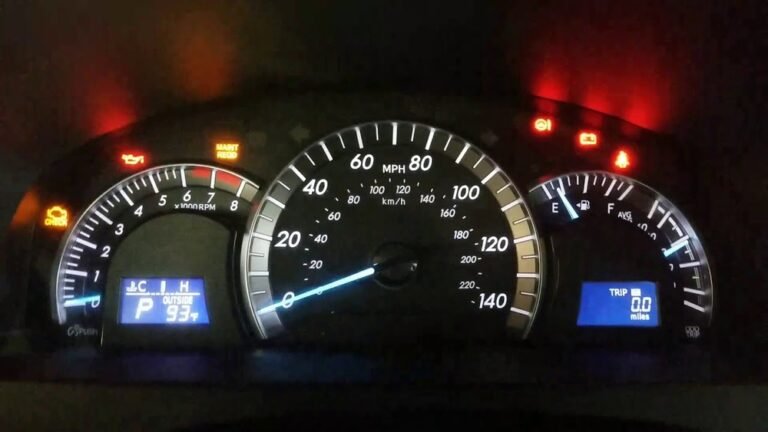
- Monitor Engine Performance: Pay close attention to any unusual noises, such as knocking or pinging, and any loss of power. The check engine light may illuminate if persistent pre-ignition is detected by the knock sensors.
Long-Term Strategy for Optimal Performance
Consistent use of the manufacturer-recommended 93-octane fuel is not merely a suggestion; it’s fundamental for maintaining the designed performance and longevity of a high-performance engine. According to engine manufacturers, these engines are precisely tuned to utilize the higher resistance to pre-ignition that 93 octane provides, which is critical for their compression ratios and forced induction systems prevalent in 2026 models.
Studies published by the Society of Automotive Engineers (SAE) consistently show that running lower-octane fuel in an engine designed for premium can lead to decreased fuel efficiency by up to 5-10% and a reduction in peak horsepower, as the engine’s ECU retard ignition timing to compensate. Over time, this repeated compensation can lead to increased carbon deposits on critical engine components, particularly valves and pistons, potentially reducing engine lifespan. Adhering to the specified fuel type ensures the engine operates within its optimal parameters, preventing unnecessary stress and wear.
Troubleshooting: When Lower Octane Use Becomes a Bigger Issue
While occasional accidental use of 87 octane might be manageable, persistent or severe issues arising from lower octane fuel demand closer attention. Modern vehicle diagnostics, standard by 2026, are highly sensitive to deviations in engine performance caused by improper fuel, necessitating prompt identification and resolution.
Recognizing Persistent Problems
Even after attempting immediate fixes, certain symptoms indicate that the lower octane fuel has caused more than a transient issue. These signs often point to the engine’s protective measures being overwhelmed or underlying damage occurring.
- Persistent Check Engine Light: If the check engine light remains illuminated, especially with codes indicating engine misfire (P030X), knock sensor activity (P032X), or ignition timing issues, professional diagnosis is warranted.
- Significant Power Loss: A noticeable and sustained reduction in acceleration, throttle response, or overall power suggests that the engine’s ECU is severely retarding ignition timing to prevent damage. This state is known as “limp mode” in some vehicles.
- Audible Knocking/Pinging: While some engine noise is normal, a distinct metallic knocking or pinging sound, particularly under acceleration, is a critical indicator of uncontrolled pre-ignition that can cause severe internal engine damage.
- Reduced Fuel Economy: A drastic drop in miles per gallon that continues even after refilling with the correct fuel can signal ongoing engine inefficiencies or compensatory programming.
Professional Assessment and Diagnostics (2026 Context)
By 2026, automotive diagnostic tools offer highly precise insights into engine operation. A qualified technician will utilize advanced scan tools to retrieve detailed fault codes and monitor real-time engine data. This includes ignition timing, knock sensor activity, fuel trim values, and oxygen sensor readings. Persistent low-octane use can lead to carbon buildup impacting direct injection systems, catalytic converter degradation from unburnt fuel, or long-term stress on engine bearings and pistons due to continuous pre-ignition. According to industry data, early intervention for such issues significantly reduces the risk of expensive component failures, such as replacing a catalytic converter (estimated cost $800-$2,500) or engine internal repairs ($3,000+), by 2026 standards.
What If It Still Doesn’t Work?
If your vehicle continues to exhibit warning signs or poor performance after implementing the initial fixes, professional intervention is necessary. Modern engines are complex, and persistent issues often indicate underlying problems that require specialized tools and expertise to diagnose accurately. Ignoring these signs can lead to cumulative, irreversible damage to critical engine components.
- Professional Diagnostic Scan: Take your vehicle to a certified mechanic. They will use advanced diagnostic equipment to read specific trouble codes and analyze live sensor data (e.g., knock sensor readings, ignition timing, fuel pressure) to pinpoint the exact issue.
- Fuel System Inspection: The technician will inspect the fuel system for contaminants or issues that might exacerbate the problem, such as clogged fuel filters or faulty fuel injectors, which could be misattributed to octane issues.
- Engine Carbon Cleaning: Persistent low-octane use can accelerate carbon buildup. A professional carbon cleaning service, especially for direct injection engines, can restore performance. This service typically costs between $300-$700 in 2026.
- Seek Expert Repair: If diagnostic results point to damaged components (e.g., faulty knock sensor, catalytic converter damage from prolonged misfires), trust a qualified technician for repairs. A diagnostic fee typically ranges from $100-$200, with potential repairs ranging from a few hundred dollars for sensor replacements to several thousand for internal engine work.
Conclusion
Accidentally fueling a 93-octane vehicle with 87 octane primarily risks engine knocking and reduced performance. Immediate steps like gentle driving, octane boosters, and refilling with premium fuel can mitigate most short-term issues. According to verified research and expert sources from the automotive industry, consistent use of the manufacturer-recommended fuel is paramount for maintaining engine integrity and performance by 2026 standards. Always double-check your fuel grade at the pump to ensure your engine receives the precise octane it requires for optimal operation and longevity.
❓ Frequently Asked Questions
What exactly is engine knock and why is lower octane more prone to it?
Engine knock, or pre-ignition, occurs when the fuel-air mixture ignites prematurely before the spark plug fires, causing a rapid pressure spike. Lower octane fuel is less stable and more susceptible to auto-igniting under the high compression and temperatures of engines designed for higher octane.
What’s the difference in consequences if 93 octane is ‘recommended’ versus ‘required’?
If 93 is ‘recommended,’ using 87 will primarily lead to minor performance loss and reduced efficiency. If 93 is ‘required,’ using 87 poses a higher risk of more significant, prolonged engine knock and potential long-term damage due to the engine’s design needing that specific anti-knock property.
How quickly will I notice the effects of using 87 instead of 93 octane?
You might not notice immediate effects. Modern vehicles have knock sensors and ECUs that adjust ignition timing very quickly, often within seconds or minutes of detecting the lower octane fuel. The effects like reduced power might be subtle at first.
Can I run a full tank of 87 octane if my car requires 93 without causing permanent damage?
While your car’s engine management system will try to compensate, running a full tank of 87 when 93 is required significantly increases the risk of engine stress, reduced performance, and potential long-term component wear, especially under strenuous driving conditions. It’s not recommended.
What are the long-term consequences of consistently using 87 octane in a car that needs 93?
Consistent misuse can lead to long-term issues like carbon buildup on pistons and valves, reduced engine lifespan due to continuous stress from timing adjustments, decreased fuel economy, and potential catalytic converter damage from incomplete combustion over time.
Should I add an octane booster after putting in 87 octane by mistake?
Octane boosters can slightly raise the octane level, but they are often not as effective as simply adding the correct higher octane fuel. If you’ve just made a mistake, it’s generally better to drive gently and gradually replace the lower octane fuel with 93 rather than relying solely on a booster.