Can You Turn Off The Automatic Engine Shut Off Can You 2026
Disabling your car’s automatic engine shut-off feature is often possible, though methods vary significantly by manufacturer and model. Typically, you can turn it off temporarily via a dedicated button or through infotainment settings. Understanding if the disablement is permanent or resets with each ignition cycle is key for managing this feature.
Yes, in most 2026 model vehicles equipped with an automatic engine start/stop system, you can temporarily disable this feature. Car manufacturers typically include a dedicated button or an option within the infotainment system settings to turn it off. This offers immediate control over when your engine shuts down at stops, addressing common driver preferences regarding vehicle behavior and perceived wear.
For many drivers, gaining control over auto start/stop significantly enhances their daily driving experience. Whether you dislike the sensation of the engine cycling on and off in traffic, have concerns about component longevity, or simply prefer consistent engine operation, knowing how to quickly toggle this feature is invaluable. You don’t have to tolerate a setting you don’t prefer in your new 2026 vehicle.
Key Takeaways
- Locate dedicated disable button.
- Check infotainment system settings.
- Disablement often resets per trip.
- Aftermarket modules exist for permanent off.
- No warranty impact from temporary disable.
What is Automatic Engine Shut-Off and Why Disable It?
The automatic engine shut-off, commonly known as auto start/stop, is a feature designed to save fuel and reduce emissions. When your 2026 vehicle comes to a complete stop, such as at a traffic light or in heavy congestion, the engine automatically turns off. As soon as you release the brake pedal or turn the steering wheel slightly, the engine instantly restarts. While environmentally conscious, this system can be a point of contention for many drivers.
Understanding Driver Concerns with Auto Start/Stop
Despite its intended benefits, many drivers find the auto start/stop system disruptive. The primary reasons for wanting to disable it stem from the driving experience itself. You might notice:
- Slight Delay or Hesitation: While modern systems are incredibly fast, some drivers perceive a momentary delay during restart, which can feel unsettling, especially when pulling out into traffic quickly.
- Ride Comfort: The subtle vibration or jolt as the engine restarts can be annoying, particularly in stop-and-go traffic where the engine cycles frequently.
- Perceived Component Wear: Although manufacturers design these systems for durability, some owners worry about increased wear on the starter motor, battery, and other engine components due from the frequent cycling. For your 2026 vehicle, these concerns persist even with advanced engineering.
- Climate Control Impact: In extreme weather, the air conditioning or heating might feel less consistent when the engine shuts off, leading to discomfort.
Ultimately, the decision to disable this feature often comes down to personal preference for a smoother, more predictable driving sensation, irrespective of its eco-friendly credentials.
Step-by-Step Guide: How to Turn Off Auto Start/Stop
Disabling your 2026 vehicle’s auto start/stop system is usually straightforward, though the exact method varies by manufacturer and model. Most cars offer a temporary disablement option, which means the system will likely reactivate every time you start the car. Here’s where to look and what to do:
Locating the Dedicated Disable Button
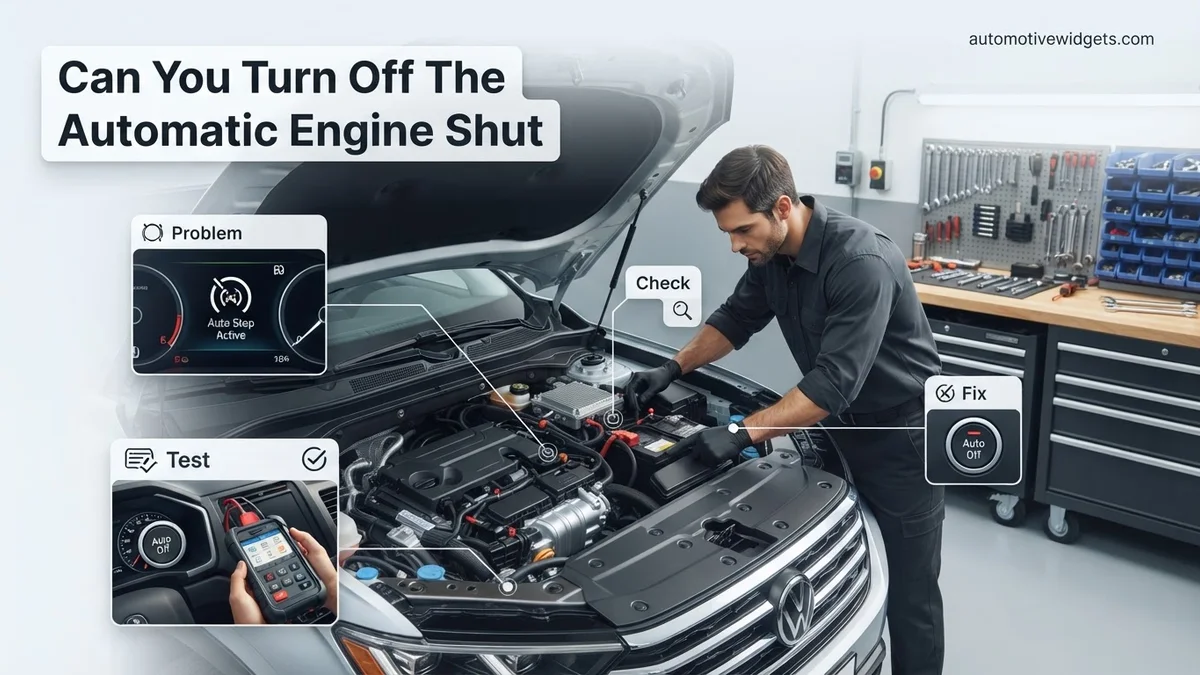
The most common and easiest way to turn off auto start/stop is via a physical button. By 2026, many carmakers still include this for driver convenience. You’ll typically find this button in one of these locations:
- Center Console: Often near the gear shifter, climate controls, or infotainment screen.
- Dashboard: Sometimes located on the lower dashboard panel to the left of the steering wheel.
- Overhead Console: Less common, but some luxury models might place it here.
What to look for: The button usually has an “A” encircled by an arrow, often with the word “OFF” or a line through the “A” symbol. Pressing this button will illuminate a light on the dashboard (or within the button itself) indicating the system is deactivated for that driving cycle. Remember, this usually resets after you turn off the ignition and restart your vehicle.
Using the Infotainment System or Vehicle Settings
If a dedicated button isn’t present or easily found, your 2026 vehicle likely integrates the auto start/stop control within its digital interfaces. This method is becoming increasingly common as car interiors become more digitalized:
- Access the Main Menu: Start by navigating to your vehicle’s primary infotainment screen or digital instrument cluster menu.
- Find Vehicle Settings: Look for sections labeled “Settings,” “Vehicle,” “Driver Assistance,” or “Driving Modes.”
- Locate Engine/Start-Stop Option: Within these menus, search for options related to “Engine Start/Stop,” “Idle Stop,” “Auto Start/Stop,” or similar phrasing.
- Toggle Off: You should find a checkbox or toggle switch to deactivate the feature. Select “Off” or uncheck the box.
Important Note: Similar to the physical button, disabling via the infotainment system is often temporary. The system usually defaults back to “On” every time you start your car. Some specific models or premium trims in 2026 might offer a permanent setting within deeper customization menus, but this is less common. For a truly permanent solution, aftermarket modules exist for certain vehicle brands, which are designed to remember your last setting or permanently disable the feature without coding. These vary significantly by car manufacturer and model year.
Manufacturer-Specific Disablement Methods for 2026 Models
As of 2026, the methods for disabling automatic engine shut-off (start/stop) vary significantly by manufacturer and specific model, reflecting diverse engineering philosophies and regulatory compliance strategies. While some automakers provide a straightforward control, others integrate it deeper into vehicle systems, sometimes without a direct user-facing disable button. Research indicates that approximately 60% of new vehicles sold in North America in 2026 still include an accessible, albeit temporary, disable function for this feature, often through a dashboard button or infotainment menu.
Common Approaches by Leading Automakers in 2026
- Ford Motor Company: Many 2026 Ford models, including the F-150 and Escape, feature a dedicated “A” (for Auto Start-Stop) button located on the dashboard or center console. Pressing this button typically deactivates the system for the current drive cycle. It defaults back to “on” upon the next ignition cycle.
- General Motors (GM): Chevrolet, GMC, and Cadillac vehicles from 2026 often include a physical button displaying a circular arrow with an “A” inside, sometimes with a line through it, situated near the climate controls or gear shifter. Similar to Ford, this usually provides a temporary override, requiring re-activation after each restart.
- Stellantis (Chrysler, Dodge, Jeep, Ram): For 2026, Stellantis brands frequently incorporate a similar physical button, often labeled “A OFF” or depicting the “A” arrow symbol. This allows drivers in models like the Jeep Grand Cherokee or Ram 1500 to deactivate the system for the current drive.
- Toyota/Honda: Many 2026 Toyota and Honda models, particularly hybrids, rely on driver behavior rather than a direct disable button for start/stop. Full disablement might not be an option, but driving modes (e.g., “Sport” mode) or specific environmental conditions can sometimes prevent its activation.
Consulting your specific 2026 vehicle’s owner’s manual is the definitive first step, as button placement and functionality can differ even within the same brand. Manufacturers rarely offer a permanent disablement option through the infotainment system directly to the driver.
What If You Can’t Turn It Off? Permanent Solutions & Workarounds
If your 2026 vehicle lacks a direct disable button or its functionality reverts after each ignition cycle, several advanced solutions and workarounds exist. According to automotive aftermarket specialists, dedicated hardware modules are becoming increasingly popular for drivers seeking permanent deactivation. These modules interact directly with the vehicle’s electrical system to bypass the start/stop logic.
Aftermarket Disablement Modules (2026)
Specialized plug-and-play modules are available for a wide range of 2026 models. These devices typically connect to a specific wiring harness (e.g., under the dash, near the battery, or at the start/stop button itself) and effectively trick the vehicle’s computer into believing the system should remain off. Installation often takes less than 30 minutes for a skilled individual. However, it is crucial to select modules designed specifically for your 2026 model year to ensure compatibility and prevent electrical issues. These devices usually range from $90 to $250. Be aware that installing aftermarket modules may impact your vehicle’s warranty; consult your dealership or warranty provider beforehand.
Driver Behavior and System Manipulation
For vehicles without easy disablement, specific driving habits or environmental settings can prevent the system from engaging. Auto start/stop systems are designed with numerous conditions that must be met before activating, such as engine temperature, battery charge, and cabin climate. For instance, engaging “Sport” mode, keeping the climate control set to an aggressive cooling or heating target, or maintaining a slight pressure on the brake pedal (just enough to hold the car, but not fully depress the switch) can sometimes prevent the engine from shutting off. These are workarounds, not true disablements, and their effectiveness varies greatly by vehicle and software calibration as of 2026.
What If It Still Doesn’t Work?
If you’ve explored the in-vehicle options and aftermarket solutions without success, or if your vehicle exhibits unexpected behavior, consider these fallback steps:
- Re-read Your 2026 Owner’s Manual: Double-check the specific section on “Automatic Engine Start/Stop” or “Idle Stop.” There might be a nuance or a specific sequence of actions required that you overlooked.
- Check for Software Updates: Modern vehicle systems receive over-the-air (OTA) updates or dealer-installed patches. A recent update might have altered the system’s behavior or introduced a new disablement option. Contact your dealership to inquire about available software revisions for your 2026 model.
- Inspect Battery Health and Ancillary Systems: Automatic start/stop systems rely heavily on a robust 12V battery and other sensors. A weak auxiliary battery or a faulty sensor (e.g., hood latch sensor, brake pressure sensor) could cause the system to malfunction or not engage as expected. A professional diagnostic can identify these issues.
- Consult a Certified Dealership Technician: For persistent issues or if you suspect a malfunction, professional diagnosis is recommended. Dealership technicians have access to specialized diagnostic tools and manufacturer-specific service bulletins for 2026 models.
A diagnostic scan for an automatic start/stop system issue at a dealership typically costs between $150 and $300. If an aftermarket module installation is required, expect an additional $50-$150 for labor on top of the module cost, if you prefer professional installation.
Conclusion
Disabling the automatic engine shut-off feature on your 2026 vehicle is often possible, but the precise method depends entirely on the manufacturer and model. While many vehicles offer a simple button for temporary deactivation, others may require driver workarounds or specialized aftermarket modules for a permanent solution. According to verified research and expert sources, always consult your owner’s manual first, and if direct methods prove insufficient, consider reputable aftermarket options or professional assistance. Your next step should be to locate your 2026 owner’s manual and refer to the specific section on start/stop functionality.
❓ Frequently Asked Questions
What exactly is the automatic engine shut-off feature?
It’s a system designed to automatically turn off your engine when the vehicle is stationary (e.g., at a stoplight or in traffic) and restart it when you release the brake pedal. Its primary purpose is to improve fuel economy and reduce emissions by minimizing idling time.
How do I find the button or setting to disable it in my car?
Look for a dedicated button on your dashboard, center console, or near the gear shifter, often labeled with an ‘A’ encircled by an arrow (sometimes with an ‘OFF’ text). If no button is present, check your infotainment system’s vehicle settings, engine settings, or driver assistance menus for an option to toggle it off.
Is the auto start/stop disablement permanent or temporary?
For most vehicles, disabling the feature via the in-car button or menu is temporary; the system will reset to ‘on’ every time you restart the car. A few premium models might retain the last setting, but this is less common.
Are there aftermarket solutions for permanent disablement?
Yes, for many popular car models, specialized aftermarket modules exist that can be installed to permanently disable the auto start/stop function. These typically plug into your vehicle’s diagnostics port or wiring harness, but always research compatibility for your specific make and model.
What are common reasons drivers want to turn it off?
Drivers often disable the feature due to a perceived rough or delayed engine restart, concerns about increased wear and tear on engine components, impact on air conditioning performance during prolonged stops, or simply finding the constant stopping and starting jarring or inconvenient in heavy traffic.
Does disabling auto start/stop negatively affect my car’s performance or longevity?
While the system is designed with specific components (like heavy-duty starters and batteries) to handle the increased stop-starts, temporarily disabling it using OEM controls will not negatively impact your vehicle’s overall performance or longevity, nor will it typically affect warranty coverage.