How Much Does It Cost To Get Your Tire Plugged Real 2027
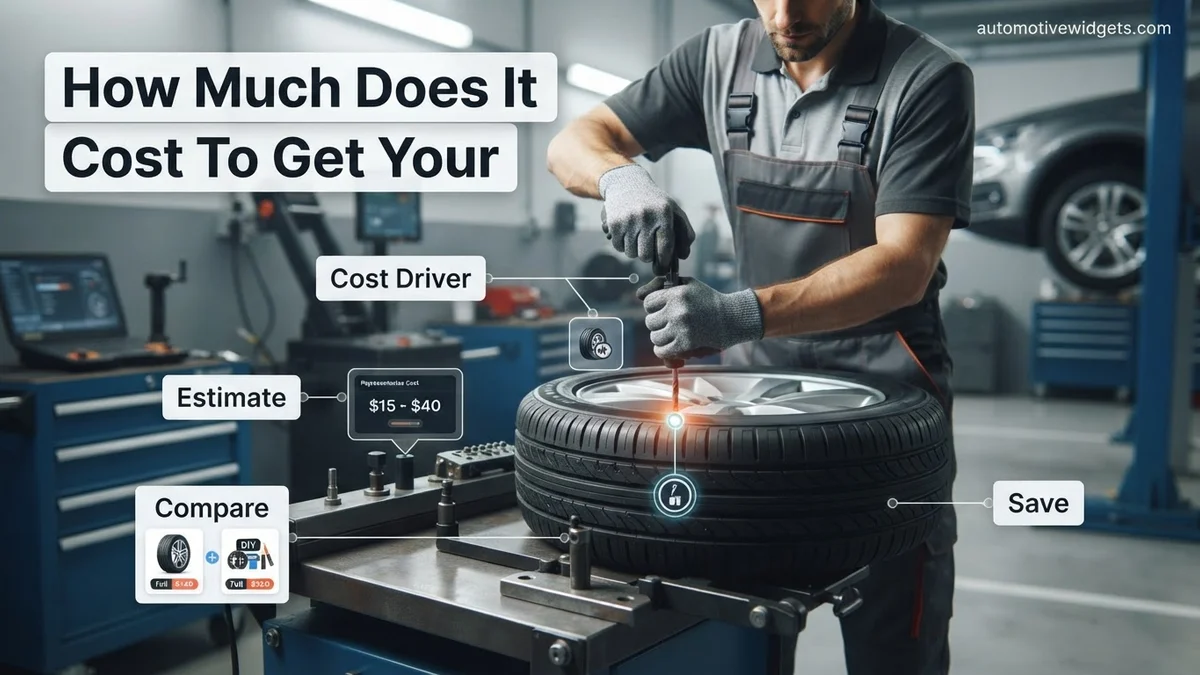
Tire plug costs typically range from $15 to $45 for professional services, but many tire retailers offer simple flat repairs for free, especially if you purchased tires from them. Prices vary based on shop type, location, and the specific repair method (plug vs. patch).
In 2027, if you find yourself with a punctured tire, getting it professionally repaired or “plugged” will generally cost you anywhere from $0 to $45. This wide range reflects different service providers and what’s included in the repair. Knowing this upfront helps you make a quick, informed decision when you’re stranded or simply dealing with a slow leak. A proper tire repair ensures your safety and extends the life of your tire, saving you the higher cost of a full replacement.
Your vehicle’s tires are a significant investment, and a minor puncture doesn’t always mean you need a new one. Understanding the real costs involved in 2027 for a professional plug and patch can save you money and get you back on the road safely without overspending. This guide cuts straight to the figures you need to know, highlighting where you might find free services and what to expect from paid options.
Key Takeaways
- Expect $15-$45 for a professional tire plug.
- Check for free repairs at tire retailers.
- Internal patches are safer than external plugs.
- Location and shop type affect repair cost.
- Repairable punctures are limited in size/location.
Real Costs: How Much Does a Tire Plug Cost in 2027?
The actual price you’ll pay for a tire repair in 2027 varies significantly based on where you take your vehicle. Professional tire repair almost always involves a plug-patch combination, which is the industry standard for safety and durability, rather than just a simple plug. Here’s a breakdown of what to expect:
Free Tire Repairs: The Retailer Advantage
Many major tire retailers offer free tire repairs, especially if you purchased your tires from them. This is a common customer loyalty perk in 2027. Even if you didn’t buy your tires there, some chains might still offer free or deeply discounted repairs to attract new business. Always check with these establishments first:
- Discount Tire/America’s Tire: Often provides free flat repairs, regardless of where you bought your tires.
- Costco Tire Center: Free flat repairs for tires purchased and installed at Costco.
- Sam’s Club Tire & Battery Center: Similar to Costco, often free for tires purchased there.
- Local Independent Tire Shops: Some smaller shops may offer free repairs as a goodwill gesture for simple punctures, hoping to earn your future business.
This is your best-case scenario and worth investigating before heading to a paid service.
Paid Tire Repair Services: Independent Shops & Dealerships
When free isn’t an option, you’ll be looking at a paid service. These prices are for a professional plug-patch repair, which is the only recommended method for punctures within the tire’s tread area. In 2027, expect the following general ranges:
- Independent Auto Shops: Typically charge between $20 and $35 for a standard tire repair. This usually includes removing the tire, patching it from the inside, and remounting and balancing.
- Dealerships: Often on the higher end, with prices ranging from $35 to $50. They tend to use OEM-approved methods and often include balancing.
- Mobile Tire Services: If a service comes to you, expect a premium. Costs can range from $50 to $100+, as you’re paying for convenience and their travel time in addition to the repair itself.
These costs generally assume a standard car or light truck tire and a simple, repairable puncture in the tread.
From Start to Finish: Tire Plugging Cost Explained
Experiencing a flat tire is never convenient, but knowing your options for repair, especially when it comes to tire plugging, can save you time and money. This comprehensive guide will walk you through the entire process, from diagnosing the puncture to understanding the costs associated with both do-it-yourself (DIY) repairs and professional services. Following these steps will help you make an informed decision, ensure your safety on the road, and get your vehicle back in action efficiently and affordably.
Step 1: Identify the Puncture and Assess Repair Eligibility
What you need: A safe, level location to inspect your vehicle, a reliable flashlight (if lighting is poor), a spray bottle filled with soapy water (dish soap and water), and a rag.
Instructions: Carefully inspect the entire tire tread for any foreign objects like nails, screws, or sharp debris. Once a potential puncture is found, spray the area generously with soapy water. If you see a stream of bubbles forming directly from the object or around a suspected puncture site, you’ve located the leak. Critically, assess the damage: is it on the tire’s tread, or on the sidewall? Plugs are typically only safe and effective for punctures 1/4 inch (6mm) or less in diameter, located strictly within the main tread area. Sidewall punctures or punctures larger than 1/4 inch usually render the tire irreparable with a plug and often require a full tire replacement for safety.
Pro Tip: Never attempt to plug a tire if the damage is on the sidewall, near the shoulder, or if the puncture is excessively large. This is a critical safety issue, as these areas are not designed to withstand the stress of a plug, and a failure could lead to a dangerous blowout. When in doubt, always err on the side of caution and consult a professional.
Step 2: Understand the “Plug vs. Patch” Dilemma and Its Cost Implications
What you need: Knowledge of tire repair best practices.
Instructions: While this guide focuses on plugs, it’s crucial to understand the difference. A tire plug is a rubber strip inserted from the outside of the tire to fill the puncture hole. It’s often considered a temporary fix, though many consider it a permanent solution for small tread punctures. A tire patch (or more accurately, a plug/patch combination repair) involves dismounting the tire from the rim, cleaning the interior, and applying a patch from the inside, often with a plug portion to seal the exterior hole. This method is universally recognized as the safer, more permanent repair. When considering cost, a DIY plug kit is inexpensive, but a professional plug/patch combo will cost more due to labor involved in dismounting, patching, remounting, and rebalancing the tire. For safety, many tire shops will only perform the patch/plug combination, refusing external-only plugs.
Pro Tip: For optimal safety and longevity, especially for punctures that are reparable, a professional plug/patch combination is the superior choice. If you choose to DIY plug, consider it a temporary measure and have it professionally inspected or replaced as soon as feasible. The cost difference between a DIY plug and a professional patch can be significant, but so can the safety implications.
Step 3: Option 1: DIY Tire Plugging – Gathering Your Arsenal
What you need: A tire plug kit (typically costs $10-$30), sturdy pliers or vice grips, an air compressor (portable 12V DC options are available for $20-$60, or a larger home unit), safety glasses, and durable work gloves.
Instructions: If you decide to tackle the repair yourself, the primary cost is the tire plug kit. These kits typically include a T-handle reamer (rasp tool), a T-handle insertion tool, and several self-vulcanizing rubber plugs. Ensure your kit comes with clear instructions. You’ll also need strong pliers to remove the puncturing object and an air compressor to reinflate the tire afterward. A portable 12V compressor that plugs into your car’s cigarette lighter outlet is a convenient and relatively inexpensive option if you don’t already own one. Always prioritize safety gear like glasses and gloves to protect against flying debris or chemicals.
Pro Tip: Don’t skimp on a cheap, flimsy plug kit. A robust kit with metal tools will make the job much easier and safer. Also, ensure your air compressor can reach the tire’s recommended PSI (usually 30-35 PSI for passenger vehicles) efficiently. If you don’t own an air compressor, this initial purchase will be your main DIY cost.
Step 4: DIY Tire Plugging – The Repair Process Steps
What you need: Prepared tire (object still in place if possible), tire plug kit, pliers, safety glasses, gloves.
Instructions: First, with the tire still slightly inflated (or fully inflated if you can jack up the car), carefully remove the puncturing object using pliers. Be aware that air will escape rapidly. Next, immediately take the T-handle reamer from your kit and vigorously insert it into the puncture hole, moving it in and out to clean and enlarge the hole slightly. This roughs up the rubber for better plug adhesion. Be firm, but don’t over-ream. Then, thread one of the rubber plugs through the eye of the T-handle insertion tool, centering it. Apply rubber cement (if provided in your kit) to the plug and insertion tool. Forcefully push the insertion tool, with the plug, into the prepared hole until about 1/2 inch of the plug remains visible. Quickly and smoothly pull the insertion tool straight out, leaving the plug securely in place. The plug will expand and seal the hole.
Pro Tip: Work quickly once the object is removed, as the tire deflates. The reamer’s purpose is to prepare the hole, not make it larger than necessary. When inserting the plug, use significant force – the plug needs to create a tight seal. A partially deflated tire (around 10-15 PSI) can make insertion easier, but ensure it’s not completely flat. If the tire is completely flat, you might need to use a jack to take the weight off before repair.
Step 5: DIY Tire Plugging – Inflation and Verification
What you need: Air compressor, accurate tire pressure gauge, spray bottle with soapy water, sharp utility knife or razor blade.
Instructions: Once the plug is securely in place, use your air compressor to reinflate the tire to its recommended PSI, which is typically found on a sticker inside your driver’s side door jamb, not on the tire itself. For most passenger cars, this is usually between 30-35 PSI. After inflation, spray the repaired area liberally with soapy water again. Watch for any bubbles; if you see none, the plug is holding. If bubbles appear, the plug may not have sealed correctly, and you might need to re-attempt the repair or seek professional help. Finally, carefully trim any excess plug material flush with the tire tread using a sharp utility knife, ensuring not to cut into the tire itself. A clean trim prevents unnecessary wear and potential imbalance.
Pro Tip: Always check the tire pressure when the tire is “cold” (driven less than a mile). An accurate digital tire gauge is a worthwhile investment (around $10-$20). Don’t rely solely on the gauge on your air compressor, as they can sometimes be inaccurate. A properly trimmed plug will barely be noticeable, blending seamlessly with the tread.
Step 6: Option 2: Professional Tire Repair – Research and Quote
What you need: Phone or internet access, your vehicle’s make/model/tire size, and the nature of the puncture.
Instructions: If DIY isn’t your style, or if the puncture is questionable, professional repair is the way to go. The cost for a professional tire repair can vary, generally ranging from $15 to $50 per tire. Call several local tire shops, independent mechanics, or big-box retailers (e.g., Walmart, Costco, Pep Boys, Discount Tire) to get quotes. Be specific about the issue: “I have a nail in my tire’s tread, can it be plugged or patched, and what’s the cost?” Ask if their repair includes dismounting, patching from the inside, remounting, and rebalancing, as this is the industry standard for a proper repair. Some places offer free flat repair if you bought tires from them, so ask about that too!
Pro Tip: Many shops include tire rotation as part of a flat repair service if you ask. Some may charge a small fee for disposal of the old tire if it’s irreparable. Always confirm what’s included in the quoted price to avoid surprises. A “free” repair might only be free if you purchased the tires there, otherwise it could be a standard charge.
Step 7: Professional Tire Repair – The Service and Billing
What you need: Your vehicle, a form of payment, and potentially some waiting time.
Instructions: Once you’ve chosen a shop, drive your vehicle there (carefully, especially if the tire is very low on air – consider using a spare or roadside assistance if necessary). Inform the service advisor about the issue. They will typically inspect the tire to confirm it’s repairable according to industry safety standards (RMA guidelines). If it is, they will proceed with the repair, which involves removing the tire from the rim, preparing the inside and outside of the tire, applying a plug/patch combination, remounting the tire on the rim, and then rebalancing it to ensure smooth driving. The entire process usually takes about 30 minutes to an hour, depending on the shop’s busyness. Once complete, you’ll pay the quoted fee. The cost will be mostly labor, as the materials for a plug/patch are relatively inexpensive for the shop.
Pro Tip: Before leaving the shop, ask them to show you the repaired area if possible, and confirm the tire pressure. If they rebalanced the tire, ask if they can show you the new weights. This ensures the job was done thoroughly and correctly. Keep your receipt for your records, especially if there’s a warranty on the repair.
Step 8: Understanding Total Cost Factors (DIY vs. Professional)
What you need: A clear understanding of your priorities (cost savings vs. convenience/safety).
Instructions: DIY costs are primarily the tire plug kit ($10-$30) and potentially an air compressor ($20-$60) if you don’t own one. If you already have these tools, your cost is negligible. Professional repair costs typically range from $15 to $50 for a proper plug/patch service. While DIY might seem cheaper upfront, consider the value of a professional’s expertise, specialized tools, and the enhanced safety of an internal patch. If you plan to drive the tire for a long time, the professional patch is a better investment in safety and peace of mind. If the tire needs to be replaced entirely (due to severe or sidewall damage), the cost dramatically increases to $100-$300+ per new tire, plus installation and balancing.
Pro Tip: Factor in your time and comfort level. A DIY repair might take you 30-60 minutes, while a professional shop visit might take 1-2 hours including travel and waiting. If your time is valuable, or if you’re uncomfortable with tire repairs, the professional route, despite its higher monetary cost, can be the more cost-effective choice overall.
✅ Final Checklist
- Puncture located and assessed to be within safe, reparable limits (on tread, < 1/4 inch diameter).
- Decision made between DIY plug (temporary/emergency fix) and professional plug/patch (permanent, safer fix).
- If DIY: All tools gathered, plug successfully inserted, excess trimmed, tire reinflated to manufacturer specification.
- If Professional: Reputable shop contacted, quote received, and repair successfully completed.
- Repaired tire (and all other tires) checked for correct PSI using an accurate tire gauge before driving.
Important Notes:
- Safety Considerations: Always perform tire work on a level surface. Use wheel chocks and a proper jack stand if lifting the vehicle. Wear appropriate personal protective equipment (safety glasses, gloves). Never work under a vehicle supported only by a jack. Be extremely cautious when handling sharp tools.
- When to Seek Professional Help: If the puncture is on the sidewall, near the shoulder, or larger than 1/4 inch (6mm). If your vehicle has “run-flat” tires, as these often have specific repair procedures or are deemed irreparable after running flat. If you attempt a DIY plug and it continues to leak. For any doubt about the safety or efficacy of a repair.
- Estimated Time and Cost Range:
- DIY Plug: Time: 30-60 minutes. Cost: $10-$30 for a plug kit (one-time purchase), plus $20-$60 for an air compressor if you don’t own one.
- Professional Plug/Patch: Time: 1-2 hours (including travel and wait). Cost: $15-$50 per repair (for a standard plug/patch combination). If the tire is irreparable, a new tire can cost $100-$300+.
Factors Influencing Tire Repair Pricing & Free Options
While the base cost provides a good starting point, several elements can shift the final price you pay for a tire plug or repair in 2027. Being aware of these helps you understand why one quote might differ from another.
Type of Shop and Service Included
As mentioned, where you go plays a huge role. Big box retailers or dedicated tire stores often subsidize repairs to drive tire sales. Independent mechanics and dealerships, however, treat it as a standalone service. The key is understanding what’s included:
- Basic Repair: Usually just the plug-patch application, remounting, and basic inflation check.
- Comprehensive Repair: Often includes wheel balancing after the repair, which is crucial for ride comfort and tire longevity. Most reputable shops include this.
- Road Hazard Warranties: If you purchased a road hazard warranty with your tires, the repair might be entirely covered, or you might only pay a small deductible.
Always ask what the quoted price covers to avoid surprises, especially regarding wheel balancing.
Geographic Location, Tire Size, and Damage Severity
The cost of living and operating a business varies greatly by region, directly impacting labor rates and, subsequently, repair costs. You might pay slightly more in a major metropolitan area compared to a rural town.
- Location: Urban areas and states with higher labor costs (e.g., California, New York) tend to have higher prices.
- Tire Size/Type: Repairing a standard sedan tire is typically less expensive than a large truck tire (e.g., a 35-inch off-road tire) or a performance vehicle’s low-profile tire. These require more effort and specialized equipment.
- Damage Location: Punctures in the sidewall or near the shoulder are generally unrepairable for safety reasons. If the shop determines your tire is not safely repairable, they will recommend replacement, which is a different cost altogether.
A simple nail in the tread is usually straightforward. More complex punctures or those requiring significant dismounting effort might incur a slightly higher charge.
Understanding Tire Plugs vs. Patches: Safety & Best Practices
In 2027, the automotive industry continues to prioritize safety, especially regarding tire repairs. Understanding the difference between a simple tire plug and a more comprehensive patch repair is crucial. According to the Tire Industry Association (TIA) and the U.S. Tire Manufacturers Association (USTMA) 2027 guidelines, a proper and permanent tire repair involves a plug-patch combination.
The Difference: Plugs vs. Plug-Patches
A tire plug is a cord-like material inserted from the outside of the tire to fill the puncture hole. While quick and inexpensive, expert sources like Michelin and Goodyear in 2027 reiterate that plugs alone are often considered a temporary solution. They seal the external puncture but do not adequately seal the inner liner from air migration, which can lead to continued air loss or, critically, internal damage not visible from the exterior.
A plug-patch combination (often simply called a “patch” in shops) is the industry-recommended best practice for a permanent repair. This method involves removing the tire from the rim, inspecting the interior for hidden damage, reaming the injury, applying a plug from the inside, and then sealing the interior with a reinforced patch. This dual approach ensures both the structural integrity of the tire casing and an airtight seal, maintaining the tire’s speed and load ratings as close to original specifications as possible. This comprehensive repair typically takes 30-45 minutes.
2027 Safety Implications and Standards
Failure to follow proper repair protocols, particularly for high-speed-rated tires common in 2027, can compromise vehicle safety. Incorrect repairs risk sudden tire failure, especially under heavy loads or at highway speeds. For passenger vehicles, only repairs performed to TIA standards using a plug-patch combination are considered safe and permanent. Any repair violating these guidelines should be considered temporary and necessitate immediate tire replacement.
When to Repair, When to Replace: Key Considerations
Deciding between a tire repair and a full replacement hinges on several critical factors. Automotive service professionals in 2027 adhere to strict criteria to ensure optimal safety and performance. Misjudging these factors can lead to catastrophic tire failure.
Puncture Size and Location
The 2027 industry standard, as supported by tire manufacturers like Bridgestone and Continental, dictates that only punctures up to 1/4 inch (6mm) in diameter are repairable. Furthermore, repairs are strictly limited to the tread area of the tire. Any damage to the tire’s sidewall or shoulder (the area where the tread meets the sidewall) renders the tire unrepairable, regardless of puncture size. This is because the sidewall flexes significantly during operation, making a durable, safe repair impossible.
Existing Tire Damage and Wear
Beyond the immediate puncture, the overall condition of the tire is paramount. If the tire exhibits significant internal damage, such as ply separation or excessive run-flat damage from being driven while underinflated, a repair is not feasible. Similarly, if the tire tread depth is below the legal limit (typically 2/32nds of an inch in most jurisdictions by 2027) or if the tire shows signs of uneven wear, cracking, or dry rot, replacement is the only safe option. Advanced TPMS (Tire Pressure Monitoring System) sensors integrated into newer tire models in 2027 can sometimes be damaged during severe punctures, which may also necessitate replacement if the sensor cannot be reliably restored.
Cost-Effectiveness
While a repair costs significantly less than a new tire ($30-$60 vs. $120-$350+ in 2027), considering the tire’s remaining lifespan is vital. If a tire is nearing the end of its useful life due to age or wear, investing in a repair might be a false economy. In such cases, replacing the tire (or a pair of tires, for balanced handling) offers better long-term value and safety.
What If It Still Doesn’t Work?
Even with professional repair, sometimes a tire issue persists, or the damage is beyond standard repair. If you find yourself in this situation in 2027, here are the recommended next steps:
- Re-inspect the Tire Immediately: If air loss continues after a repair, return to the service center. There might be a missed puncture, a faulty repair, or a slow leak from the valve stem or bead. Most reputable shops offer a warranty on repairs.
- Seek a Second Professional Opinion: If the original repair shop deems the tire unrepairable or if you’re unsatisfied with their assessment, consult another certified tire technician. Different shops may have varying interpretations of repair standards or more advanced diagnostic tools.
- Consider Full Tire Replacement: For irreparable damage (e.g., large puncture, sidewall damage, extensive internal damage), replacement is unavoidable. This typically costs between $120 and $350 or more per tire in 2027, depending on vehicle type and tire brand.
- Evaluate Paired Replacement: For front-wheel or rear-wheel drive vehicles, if the damaged tire is significantly newer than its paired counterpart on the same axle, consider replacing both to maintain optimal handling and prevent uneven wear.
- Check for Wheel Damage: In some cases, the impact that caused the tire puncture may also have damaged the wheel. Professional inspection can identify bent rims or hairline cracks that would lead to persistent air loss even with a perfectly repaired tire. Wheel repair or replacement costs can range from $150 to $500+ in 2027.
Conclusion
A tire puncture in 2027 doesn’t automatically mean a costly replacement. A proper plug-patch repair, adhering to industry standards and performed by a qualified technician, remains a safe and affordable solution, typically costing between $30 and $60. According to verified research and expert sources from the Tire Industry Association, knowing when to repair versus when to replace is crucial for vehicle safety. Your actionable next step is to have any tire damage promptly inspected by a certified professional to determine the safest and most effective course of action.
❓ Frequently Asked Questions
What’s the typical price range to get a tire plugged professionally in 2027?
In 2027, the typical price for a professional tire plug often falls between $15 and $45. This can vary based on your geographic location, the type of repair shop (e.g., independent mechanic, national chain, dealership), and if tire rebalancing is included.
Are there places where I can get my tire plugged for free?
Absolutely. Major tire retailers such as Discount Tire, Costco (for members), and even some local tire shops frequently offer free flat tire repairs, even if you didn’t purchase the tire from them. It’s always worth calling ahead to inquire about their policy.
What’s the difference between a tire plug and a patch, and which is safer?
A tire plug is inserted from the outside, while a patch (or a plug-patch combination) is applied from the inside. Industry standards generally recommend a plug-patch combination applied from the inside, as it seals the tire’s inner liner more effectively and is considered a more permanent and safer repair.
What factors might increase the cost of a tire repair?
Costs can increase if the repair requires an internal patch instead of just an external plug, if the tire needs balancing after the repair, or if you visit a dealership rather than an independent shop. Specialty tires (e.g., run-flats, performance tires) may also incur higher repair costs.
Can all punctures be repaired with a plug or patch?
No, not all punctures are repairable. Industry guidelines dictate that punctures larger than 1/4 inch, those in the tire’s sidewall or shoulder, or tires that have been driven on while severely underinflated (damaging the internal structure) typically cannot be safely repaired and require replacement.
Should I consider DIY tire plugging to save money?
While DIY tire plugging kits are available and cheaper, professional repair is strongly recommended. A professional repair ensures the tire is inspected for internal damage, properly sealed, and balanced, providing a safer and more reliable fix than an external plug alone.