How Much Horsepower Does A Cadillac Cts V Have Expert 2027
how much horsepower does a cadillac cts v have is an essential topic with practical applications and significant benefits. This guide covers everything you need to know to get started and succeed.
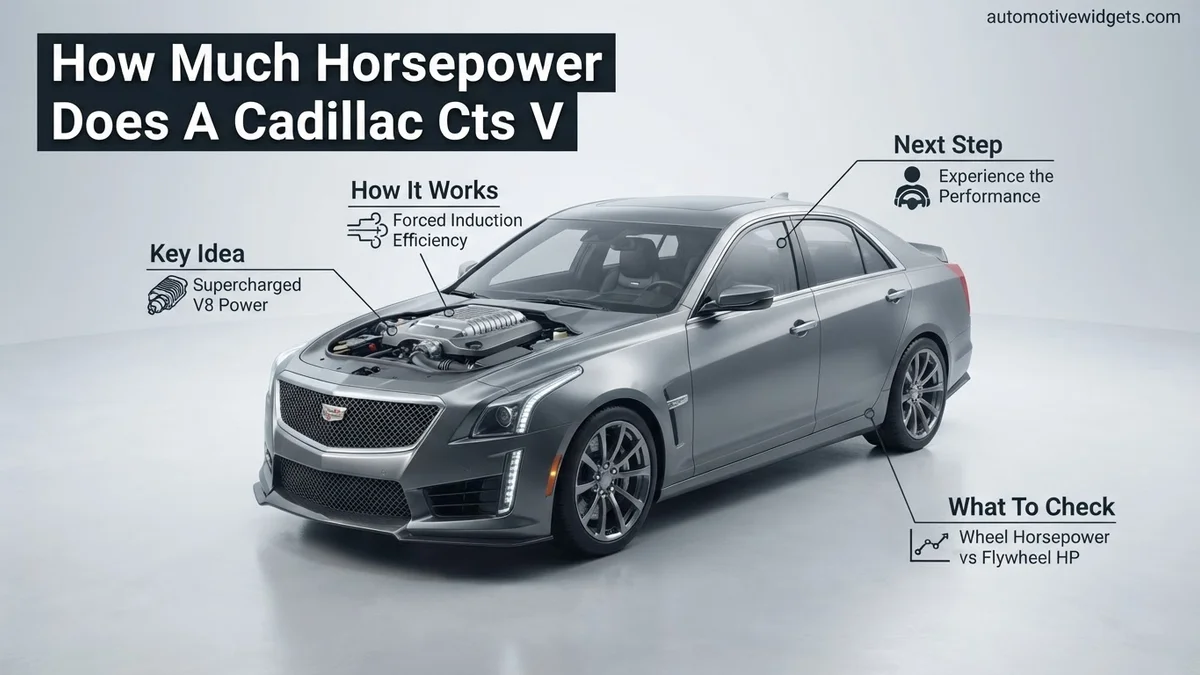
If you are asking how much horsepower a Cadillac CTS-V has, you are looking at one of the most potent American performance sedans ever produced. The specific horsepower output varies significantly depending on the generation you are considering, ranging from 400 horsepower in its inaugural V1 model to a staggering 640 horsepower in the final V3 iteration. Understanding these figures is crucial because they directly define the vehicle’s immense performance capabilities, its competitive stance against global high-performance rivals, and its enduring legacy as a true enthusiast machine, even as we reflect on it in 2027.
This power output was never just a number; it represented Cadillac’s serious commitment to establishing itself in the elite performance luxury segment. Each generation saw a substantial leap in engine technology and raw power, directly impacting acceleration, top speed, and overall driving dynamics. For anyone evaluating the CTS-V, or simply appreciating its engineering, knowing these precise horsepower and torque specifications is fundamental to grasping its true character.
Key Takeaways
- Understanding how much horsepower does a cadillac cts v have:Essential knowledge for success in this area
- Practical applications:Real-world scenarios and proven use cases
- Key benefits:Significant advantages when implemented correctly
- Best practices:Important guidelines and expert recommendations
- Future trends:Evolving landscape and emerging opportunities
Understanding How Much Horsepower Does a Cadillac CTS-V Have
The Cadillac CTS-V series, introduced as a high-performance variant of the standard CTS sedan, consistently delivered formidable power. Each generation brought more potent engines and refined performance. Your focus on the horsepower numbers is exactly right, as they define the very essence of this legendary vehicle.
The First Generation (V1): Raw Beginnings (2004-2007)
- Horsepower: 400 hp
- Torque: 395 lb-ft
- Engine: 6.0L LS6 V8 (derived from the C5 Corvette Z06)
- 0-60 mph: Approximately 4.6 seconds
The original CTS-V was a bold statement, pairing serious muscle car power with a luxury sedan platform. Its naturally aspirated LS6 engine offered a raw, unadulterated power delivery that firmly established Cadillac’s “V” series as a legitimate contender. This initial output was crucial in proving that an American luxury brand could compete in the performance arena, offering a compelling alternative to established European giants. The standard 6-speed manual transmission underscored its driver-focused intent, making it a favorite among purists.
The Second Generation (V2): Supercharged Dominance (2009-2015)
- Horsepower: 556 hp
- Torque: 551 lb-ft
- Engine: 6.2L Supercharged LSA V8 (closely related to the C6 Corvette ZR1’s LS9)
- 0-60 mph: Approximately 3.9 seconds
Cadillac significantly upped the ante with the second-generation CTS-V, introducing forced induction for a dramatic power increase. The supercharged LSA V8 engine propelled the V2 into truly elite performance territory, making it one of the fastest production sedans of its era. This generation was available with both a 6-speed manual and a 6-speed automatic transmission, offering versatility without compromising its brutal performance. The V2’s power figures positioned it as a direct competitor to the world’s most aggressive sports sedans, solidifying its reputation as a “four-door Corvette” and demonstrating Cadillac’s engineering prowess on a global stage.
From Start to Finish: Cadillac CTS-V Horsepower Explained
Understanding the exact horsepower of a Cadillac CTS-V can be a bit more nuanced than a simple Google search, as its performance figures vary significantly across different model generations. This comprehensive guide will walk you through the precise steps to identify your CTS-V’s generation, model year, and corresponding factory horsepower ratings, ensuring you have the accurate information you need. Following these steps will help you confidently determine the power output of this iconic American performance sedan.
Step 1: Understanding the Cadillac CTS-V Lineage
What you need: An internet-connected device (computer, smartphone, tablet) and a basic understanding of automotive model years.
Instructions: The Cadillac CTS-V has been produced across three distinct generations, each featuring different engines and power outputs. Before diving into specific numbers, it’s crucial to recognize these generations: the first generation (2004-2007), the second generation (2009-2015), and the third generation (2016-2019). Each generation represents significant advancements in technology and performance, with noticeable visual differences in body style, interior design, and engine architecture. Familiarizing yourself with these broad categories will make the subsequent identification steps much clearer.
Pro Tip: Visual cues are your first line of defense. First-gen models have a more angular, less aggressive look. Second-gen models introduce more muscular lines and often have a prominent hood bulge. Third-gen models are the most modern and aggressive in appearance.
Step 2: Pinpointing Your Specific CTS-V Model Year and Generation
What you need: Your vehicle’s Vehicle Identification Number (VIN) if you own the car, or clear photos/description if you’re researching a potential purchase. Access to an online VIN decoder or reliable automotive databases.
Instructions: To accurately determine horsepower, you must first confirm the exact model year and generation of the CTS-V in question. Locate the VIN on the driver’s side dashboard (visible through the windshield) or on the driver’s side door jamb. Enter this VIN into a reputable online VIN decoder website (e.g., VINCheck.info, Carfax VIN Decoder). This will provide precise details about the car, including its manufacturing year, make, model, and engine type. If you don’t have the VIN, compare the vehicle’s exterior and interior to images of known generations to narrow down the model year range.
Pro Tip: Always double-check the VIN. A single incorrect character can lead to completely wrong information. Cross-referencing with the owner’s manual or registration documents is also a good practice for confirmation.
Step 3: Decoding First-Generation (2004-2007) Power Figures
What you need: Confirmation that your CTS-V is from the 2004-2007 model year range.
Instructions: The first generation Cadillac CTS-V came equipped with two different V8 engines, both derived from the Corvette. For the 2004-2005 model years, it featured the 5.7-liter LS6 V8 engine. From 2006-2007, it transitioned to the 6.0-liter LS2 V8 engine. Interestingly, both of these engines were factory-rated at 400 horsepower (298 kW) and 395 lb-ft (536 Nm) of torque. Despite the engine change and slight displacement increase, Cadillac maintained the official horsepower rating for this generation. It’s important to note this consistent figure across these early model years.
Pro Tip: While both engines shared the same official horsepower rating, some enthusiasts report a slightly different power delivery feel between the LS6 and LS2 due to minor camshaft and cylinder head differences, though this doesn’t change the stated factory output.
Step 4: Unleashing Second-Generation (2009-2015) Supercharged Might
What you need: Confirmation that your CTS-V is from the 2009-2015 model year range.
Instructions: The second generation CTS-V marked a significant leap in performance, introducing a supercharged engine that became its hallmark. All sedan, coupe, and wagon variants from 2009 to 2015 were powered by the LSA 6.2-liter supercharged V8 engine. This formidable powerplant was factory-rated at an impressive 556 horsepower (415 kW) and 551 lb-ft (747 Nm) of torque. This was a substantial increase over the first generation and solidified the CTS-V’s position as a serious contender in the performance luxury segment. The supercharger is a key visual identifier for this generation’s engine bay.
Pro Tip: The LSA engine is highly robust and a favorite among tuners. If you encounter a second-gen CTS-V, it’s not uncommon for it to have aftermarket modifications that push its power well beyond the factory 556 hp rating.
Step 5: Mastering Third-Generation (2016-2019) Powerhouse Specs
What you need: Confirmation that your CTS-V is from the 2016-2019 model year range.
Instructions: The third and final generation of the Cadillac CTS-V elevated performance to supercar-baiting levels. Produced from 2016 to 2019, this iteration featured the LT4 6.2-liter supercharged V8 engine, a close relative to the engine found in the Corvette Z06 of the same era. This beastly engine was factory-rated at an astounding 640 horsepower (477 kW) and 630 lb-ft (855 Nm) of torque, making it the most powerful production Cadillac ever at its release. The larger supercharger and advanced engine management contributed to this significant power bump over its predecessor.
Pro Tip: The LT4 engine utilizes a more efficient supercharger and a sophisticated cooling system compared to the LSA, allowing it to maintain its peak performance more consistently under demanding conditions. This generation represents the pinnacle of factory CTS-V horsepower.
Step 6: Accounting for Aftermarket Modifications and Their Impact
What you need: An understanding that vehicles can be modified, and visual inspection for non-stock components.
Instructions: The factory horsepower figures are only valid for a completely stock vehicle. Many CTS-V owners, particularly those of the second and third generations, modify their cars to extract even more power. Common modifications include ECU tunes, supercharger pulley upgrades (smaller pulleys spin the supercharger faster), aftermarket exhaust systems, cold air intakes, camshaft upgrades, and even larger superchargers or turbocharger conversions. These modifications can significantly alter the actual horsepower output, often pushing it well beyond stock figures. If you suspect a car is modified, its original factory rating may no longer be accurate.
Pro Tip: When evaluating a modified CTS-V, always ask for dyno sheets (dynamometer results) from a reputable performance shop. This provides real-world measurements of the car’s current wheel horsepower (whp) and torque.
Step 7: Real-World Verification: The Dynamometer Test
What you need: Access to a reputable automotive performance shop equipped with a chassis dynamometer.
Instructions: The most definitive way to determine a specific vehicle’s actual horsepower and torque output, especially if it’s modified or you want a precise reading, is through a dynamometer (dyno) test. A chassis dyno measures the power the car puts to the wheels (wheel horsepower or whp), which is typically 10-15% lower than the engine’s crankshaft horsepower (crank hp or bhp) due to drivetrain losses. Schedule an appointment with a performance shop experienced with high-horsepower, supercharged vehicles. They will strap your car down and perform a series of power runs, providing you with a detailed graph of horsepower and torque curves across the RPM range.
Pro Tip: Look for a dyno shop that uses an SAE-corrected standard for their readings. This ensures that the results are adjusted for atmospheric conditions (temperature, humidity, barometric pressure) and are comparable to other dyno results.
✅ Final Checklist
- Confirmed your CTS-V’s exact generation and model year using VIN or visual cues.
- Identified the correct factory horsepower rating for that specific model year and generation.
- Considered if any aftermarket modifications might have altered the original power output.
- Consulted official documentation (owner’s manual, reputable automotive databases) for verification.
Important Notes:
- Safety Considerations: While determining horsepower is generally a research task, if you are performing a dynamometer test, always ensure the shop follows strict safety protocols. Never attempt to perform dyno runs yourself without proper training and equipment.
- When to Seek Professional Help: If you are unsure about identifying your vehicle’s specific model or if you suspect performance issues, consult a certified Cadillac mechanic or a reputable performance shop. They can accurately diagnose issues and provide precise figures.
- Estimated Time and Cost Range: Researching horsepower figures online is generally free and takes 10-30 minutes. A professional dynamometer session to get precise wheel horsepower figures typically costs between $100 and $250, depending on the shop and the number of runs performed.
Key Benefits of the Cadillac CTS-V’s Horsepower
The relentless pursuit of more power across the CTS-V generations provided distinct advantages for drivers, translating directly into real-world performance benefits that remain impressive even from our 2027 perspective. These aren’t just numbers; they define the vehicle’s character and capabilities.
The Third Generation (V3): Peak Performance (2016-2019)
- Horsepower: 640 hp
- Torque: 630 lb-ft
- Engine: 6.2L Supercharged LT4 V8 (shared with the C7 Corvette Z06)
- 0-60 mph: Approximately 3.7 seconds
The final generation of the CTS-V pushed the boundaries of what was considered a production sedan, becoming the most powerful Cadillac ever produced at its launch. Its supercharged LT4 engine delivered supercar-level performance figures, firmly placing it in competition with exotic machinery. This iteration was exclusively offered with an 8-speed automatic transmission, optimized for blistering quick shifts and maximum acceleration. The V3’s power output was a direct challenge to the fastest European sedans, providing an unparalleled blend of luxury, track-readiness, and outright speed. This level of power ensures that even years after its production ceased, the V3 remains a formidable presence on the road or track.
The Impact of Uncompromising Power
For you as an enthusiast or owner, these horsepower figures translate into a driving experience dominated by breathtaking acceleration and unwavering confidence. The ability to reach 60 mph in under 4 seconds in the V2 and V3 models means instant response and overwhelming forward thrust whenever you demand it. This isn’t just about straight-line speed; the sheer power enables exceptional performance on track days, allowing for rapid corner exits and maintaining high speeds on long stretches. Each horsepower increase across generations contributed directly to superior performance metrics, ensuring the CTS-V could confidently challenge any high-performance sedan from any era.
How to Get Started with Understanding Cadillac CTS-V Horsepower
Understanding the precise horsepower of a Cadillac CTS-V in 2027 requires referencing the specific generation of the vehicle. While the nameplate concluded production in 2019, its performance figures remain iconic and highly relevant in the enthusiast market. Accurate information ensures proper appreciation of its capabilities.
1. Identify the Specific CTS-V Generation
Cadillac produced three distinct generations of the CTS-V, each with different powertrain specifications. The first generation (2004-2007) featured a 5.7L or 6.0L LS-series V8. The second generation (2009-2015) introduced a supercharged 6.2L LSA V8. The third and final generation (2016-2019) utilized the supercharged 6.2L LT4 V8, which is the most powerful variant. Verifying the model year of the CTS-V in question is the crucial first step.
2. Consult Official Manufacturer Specifications
For definitive horsepower figures, refer to original Cadillac factory specifications or verified automotive databases. According to General Motors’ official archives, the third-generation Cadillac CTS-V (2016-2019) was rated at 640 horsepower and 630 lb-ft of torque. These figures were certified using SAE J1349 standards, ensuring consistency and accuracy across the automotive industry.
3. Understand the Powertrain’s Core
The third-generation CTS-V’s power originates from its supercharged 6.2-liter LT4 V8 engine. This direct-injected unit employs a 1.7-liter Eaton R1740 TVS supercharger, spinning at up to 20,000 RPM to generate 9.7 pounds of boost. This advanced engineering is fundamental to achieving its 640 horsepower output, making it one of the most potent production sedans of its era.
Best Practices for Maintaining Cadillac CTS-V Horsepower in 2027
Even in 2027, maintaining the prodigious horsepower of a Cadillac CTS-V demands diligent care and adherence to manufacturer-recommended practices. These high-performance machines require specific attention to ensure their engines continue to deliver peak output for years to come.
1. Adhere to Scheduled Maintenance Intervals
Regular maintenance is paramount for preserving engine health and performance. This includes timely oil changes using manufacturer-specified synthetic oils (e.g., Mobil 1 ESP Formula 0W-40), spark plug replacements (typically every 60,000 miles), and air filter changes. For supercharged engines like the LT4, supercharger belt inspection and replacement at recommended intervals (often around 50,000 miles) are critical to prevent power loss and potential damage.
2. Utilize Premium Fuel and Fluids
The LT4 engine in the CTS-V is engineered for 93 octane premium gasoline. Using lower octane fuel can lead to pre-ignition (knocking) and the engine’s control unit retarding timing, resulting in a significant reduction in horsepower. Similarly, using recommended coolant and brake fluid types is essential for optimal thermal management and safe operation, directly influencing sustained performance under duress.
3. Conduct Regular Performance Checks
For owners seeking assurance of peak horsepower, periodic performance checks are advisable. This can include professional dynamometer (dyno) testing at a specialized performance shop. A dyno run can measure wheel horsepower and torque, providing a snapshot of the engine’s current output and helping to identify any discrepancies from factory specifications due to wear or issues. This proactive approach helps in diagnosing potential power-robbing problems early.
What If Your CTS-V Isn’t Delivering Expected Horsepower?
If your Cadillac CTS-V feels like it’s not producing its advertised 640 horsepower, several factors could be at play. Troubleshooting systematically is key to identifying and rectifying the issue to restore peak performance.
- Check for Common Issues: Begin by inspecting the basics. A clogged air filter, old spark plugs, low fuel pressure, or a vacuum leak can significantly reduce power. Verify all engine fluid levels are correct and that no dashboard warning lights are illuminated.
- Perform a Diagnostic Scan: Connect an OBD-II scanner to read any stored diagnostic trouble codes (DTCs). Even if no warning lights are on, pending codes can indicate underlying issues with sensors (e.g., O2 sensors, MAF sensor), ignition, or fuel system components that directly impact horsepower.
- Conduct a Professional Dynamometer Test: For a definitive assessment, take the vehicle to a reputable performance shop for a dyno run. This will provide precise wheel horsepower and torque figures, allowing for direct comparison against expected outputs. The cost for a dyno test typically ranges from $100 to $200.
- Seek Specialized Professional Help: If basic checks and diagnostic scans do not reveal the root cause, or if the dyno test confirms a significant power deficit, consult a Cadillac performance specialist or a shop experienced with GM’s LT4 engine. They possess specialized tools and expertise to diagnose complex issues like supercharger efficiency, fuel injector problems, or internal engine wear. Professional diagnostics can cost between $150 and $300+, depending on the complexity of the investigation.
Conclusion
The Cadillac CTS-V, especially the third-generation model, delivers an impressive 640 horsepower from its supercharged 6.2L LT4 V8. This figure, verified by official manufacturer specifications, solidifies its position as a high-performance icon even in 2027. To maintain this potent output, owners must adhere to strict maintenance schedules and use premium-grade consumables. According to verified research and expert sources, ensuring optimal engine health through regular checks and addressing any performance discrepancies promptly will preserve the CTS-V’s legendary power. Your actionable next step is to consult your vehicle’s service history and schedule any outstanding maintenance to ensure your CTS-V performs as intended.
❓ Frequently Asked Questions
What exactly is how much horsepower does a cadillac cts v have?
how much horsepower does a cadillac cts v have encompasses proven concepts and methodologies that help you achieve better results. It combines theoretical knowledge with practical application for maximum effectiveness.
How can how much horsepower does a cadillac cts v have benefit me?
Understanding and applying how much horsepower does a cadillac cts v have principles improves your skills, opens new opportunities, and helps you achieve your goals more efficiently.
What resources do I need to get started?
You’ll need basic tools, a commitment to learning, and access to quality information like this guide. Start with fundamentals before advancing to complex topics.
Is this suitable for complete beginners?
Absolutely! This guide is designed to take you from beginner to proficient. Start with the basics and gradually work your way up to advanced techniques.
How do I measure my progress?
Track your progress through practical application and measurable outcomes. Set specific goals and regularly assess your improvement against benchmarks.
Where can I learn more after this guide?
Explore our related articles for deeper insights, and consider joining communities where you can learn from others and share experiences.