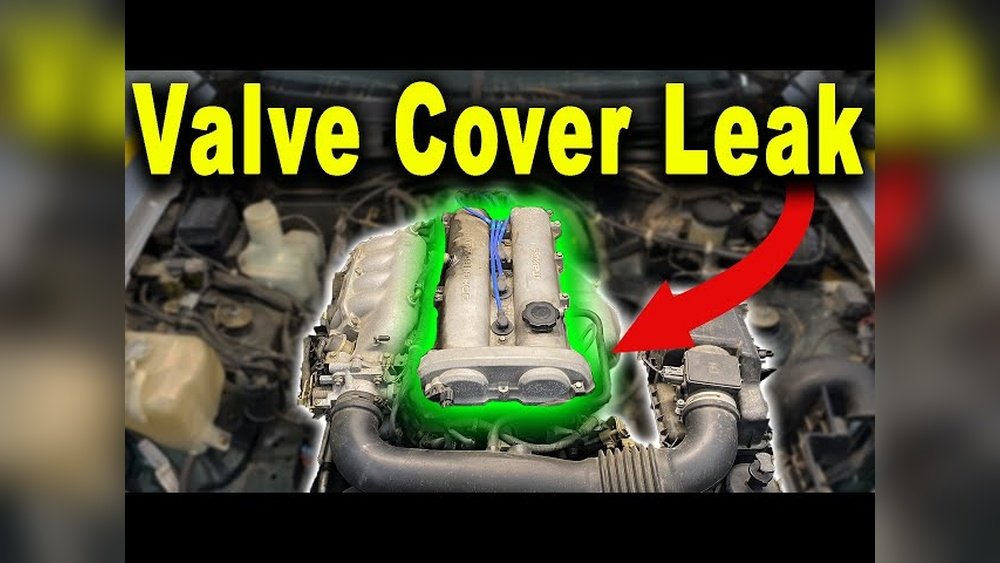
How Long Does It Take to Replace Valve Cover Gasket: Quick Guide
If you’ve noticed oil leaks or a burning smell coming from your engine, your valve cover gasket might be the culprit. Now, you’re probably wondering: how long does it take to replace a valve cover gasket?
Whether you’re planning to do it yourself or just want to know what to expect at the mechanic, understanding the time involved can help you make smart decisions about your car’s care. You’ll get clear answers about the replacement process, factors that affect timing, and tips to ensure the job gets done right—so you can get back on the road with confidence.
Keep reading to find out everything you need to know.
Credit: www.testingautos.com
Time Estimates For Replacement
Replacing a valve cover gasket is a common car repair task. The time it takes varies by vehicle and experience. Some jobs are quick, others take longer.
Knowing how long the process might take helps plan your day. It also sets clear expectations for repair costs and scheduling.
Typical Time Estimates
On average, replacing a valve cover gasket takes 1 to 3 hours. Small four-cylinder engines usually require about 1 hour. Larger V6 or V8 engines can take 2 to 3 hours.
Complex engines with multiple covers or hard-to-reach bolts may need more time. Your mechanic’s skill and tools also affect the repair speed.
Factors That Affect The Time
Accessibility plays a big role in the time needed. Some valve covers sit under parts like windshield wipers or strut bars. These parts may need removal first.
Cleaning is often the most time-consuming step. Old gasket material must be scraped off carefully. The mating surfaces need to be clean for a good seal.
Additional repairs or replacing worn bolts can add to the time. Sometimes, oil leaks have caused extra damage that needs attention.
Factors Affecting Repair Duration
Several factors influence how long it takes to replace a valve cover gasket. The repair duration depends on the engine layout, condition of parts, and how much cleaning is needed. Understanding these elements helps set realistic expectations for the job.
Engine Accessibility
The location of the valve cover affects repair time. Some engines have easy-to-reach valve covers. Others are blocked by parts like the intake manifold or wiring harnesses. The more parts to remove, the longer the job takes. Compact engine bays can slow down the process. Good accessibility speeds up gasket replacement.
Cleaning And Preparation Time
Removing old gasket material is often the most time-consuming step. Dirt, oil, and debris must be cleaned thoroughly. The mating surfaces need to be smooth and free of residue. This ensures the new gasket seals properly. If surfaces are corroded or damaged, extra work may be required. Proper cleaning helps prevent future leaks and extends repair time.
Step-by-step Replacement Process
Replacing a valve cover gasket is a straightforward job that many car owners can handle. This step-by-step process breaks down the task into clear, manageable parts. It helps ensure you finish the job efficiently and correctly.
The process mainly involves removing the old gasket and installing the new one. Each step requires care to avoid damaging engine parts. Taking your time and following instructions will lead to the best results.
Removing The Old Gasket
Start by disconnecting any parts blocking access to the valve cover. This may include air filters or hoses. Next, carefully unscrew the bolts holding the valve cover in place.
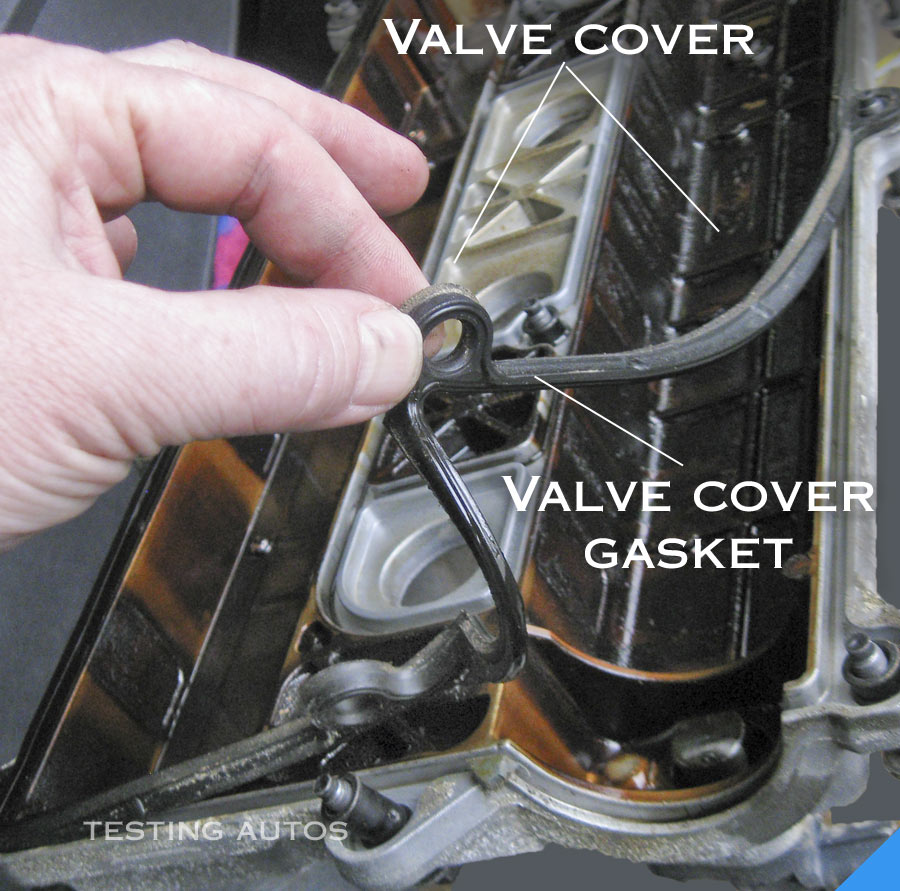
Lift the valve cover gently to avoid bending or cracking it. Once removed, peel off the old gasket. Use a plastic scraper to clean the surface where the gasket sat. Remove all old gasket material and oil residue for a tight seal.
Installing The New Gasket
Place the new gasket carefully onto the clean valve cover surface. Make sure it fits snugly in the groove or around the edges. Avoid stretching or twisting the gasket during installation.
Reposition the valve cover on the engine, aligning bolt holes properly. Hand-tighten the bolts first to hold the cover in place. Then, use a torque wrench to tighten bolts evenly in a crisscross pattern. This prevents leaks and protects the gasket.

Credit: wanasignauto.com
Labor Costs And Diy Considerations
Labor costs and DIY considerations play a big role in deciding how to replace a valve cover gasket. Understanding the time and effort involved helps plan the repair better. This section covers typical labor costs and key points for those thinking about doing the job themselves.
Labor Costs For Replacing A Valve Cover Gasket
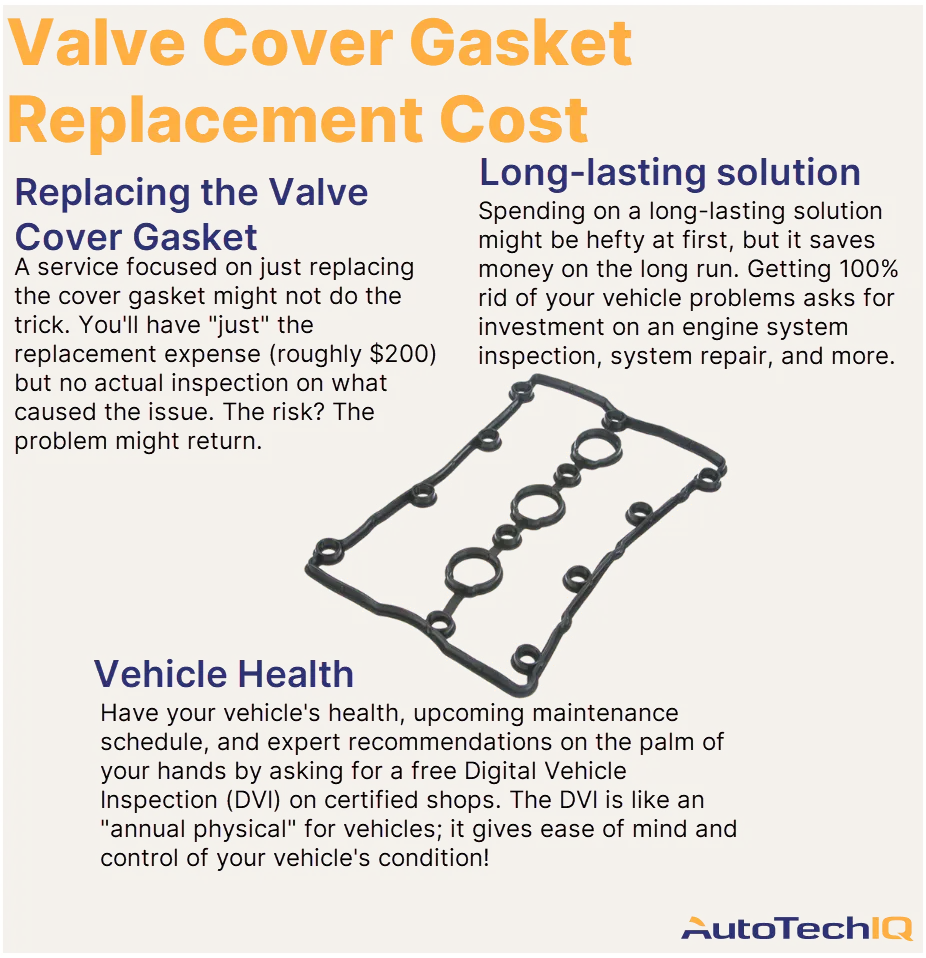
Labor costs vary by location and mechanic. On average, shops charge between $70 and $120 per hour. The replacement usually takes 1 to 2 hours. Some vehicles are more complex, raising labor time and costs. Additional cleaning of old gasket material can add time. Expect total labor costs from $100 to $250.
Diy Considerations For Valve Cover Gasket Replacement
DIY replacement saves money but requires tools and skills. You need a basic socket set, gasket scraper, and gasket sealant. The job needs careful cleaning of mating surfaces. Mistakes can cause leaks or engine damage. Time needed ranges from 1.5 to 3 hours for beginners. Watch tutorials and follow repair guides closely.
Pros And Cons Of Diy Vs. Professional Repair
DIY saves labor costs and offers learning experience. It demands patience and attention to detail. Professional repair ensures correct installation and warranty coverage. Shops handle hard-to-reach parts more easily. Weigh your skill level and available time before deciding. Safety and engine health come first in every case.
Post-replacement Driving Tips
After replacing a valve cover gasket, proper care is important. It helps ensure the repair lasts long and your engine runs well. Driving gently in the first few days protects the new gasket and avoids leaks.
Pay attention to how your engine sounds and performs. Small changes can signal a problem. Acting quickly can prevent bigger issues and costly repairs.
Start With Short, Easy Drives
Keep your first drives short and smooth. Avoid fast acceleration or hard braking. This lets the gasket seal properly under gentle conditions. Short trips help you spot any leaks early.
Check For Oil Leaks Regularly
Look under your car for fresh oil spots. Check around the valve cover for wet or dark areas. Catching leaks early prevents engine damage. Use a flashlight if needed for a clear view.
Monitor Engine Temperature
Watch your temperature gauge closely. The engine should not overheat after the repair. Overheating can harm the new gasket and engine parts. Stop driving if the engine gets too hot.
Avoid High Engine Loads
Skip towing, heavy loads, or high speeds for a few days. These strain the engine and gasket. Give the new gasket time to settle. Normal driving is best during this period.
Listen For Unusual Noises
Strange sounds like ticking or knocking might mean a problem. The valve cover area should be quiet after replacement. Report any odd noises to your mechanic quickly.
Credit: www.autotechiq.com
Frequently Asked Questions
Are Valve Cover Gaskets Easy To Replace?
Valve cover gaskets are moderately easy to replace with basic tools and some mechanical knowledge. Cleaning old gasket material takes most time. Accessibility affects difficulty. Many DIYers can complete the job within an hour. Proper installation prevents oil leaks and engine damage.
How Long After Replacing A Valve Cover Gasket Can You Drive?
You can drive your car immediately after replacing the valve cover gasket. Ensure the engine is cool and bolts are properly tightened before starting.
How Much Does Labor Cost To Replace A Valve Cover Gasket?
Labor costs to replace a valve cover gasket typically range from $100 to $300. Prices vary by vehicle make and mechanic rates. The job usually takes 1 to 2 hours depending on engine accessibility and complexity. Always get a detailed estimate before proceeding.
Is A Valve Cover Gasket A Big Job?
Replacing a valve cover gasket is generally a minor job. It usually takes under an hour, depending on engine accessibility and cleaning required.
Conclusion
Replacing a valve cover gasket usually takes one to two hours. Time depends on your car’s design and parts accessibility. Cleaning old gasket material is the most time-consuming step. After replacement, wait a few hours before driving to let everything settle.
Regular checks can help catch leaks early and avoid bigger problems. Knowing the time needed helps you plan repairs better. Simple tasks done right save money and keep your engine healthy.