Which of the Following is True About Used Antifreeze: Shocking Facts Revealed
Have you ever wondered what’s really true about used antifreeze? You might think it’s safe to pour it down the drain or reuse it without a second thought.
But is that the whole story? Understanding the facts about used antifreeze can protect your car, your health, and the environment. Keep reading to discover the truth behind common beliefs and learn what you need to do with used antifreeze to stay safe and smart.
Common Misconceptions About Used Antifreeze
Used antifreeze often causes confusion and many wrong ideas. People hear different things and believe myths. These misconceptions can lead to unsafe handling or disposal. Understanding the truth helps protect the environment and your health.
Many think used antifreeze is harmless. It is not. Used antifreeze contains toxic chemicals that can harm animals and people. It also pollutes soil and water if spilled or poured down drains.
Some believe used antifreeze can be reused without treatment. This is false. Used antifreeze loses its effectiveness and can damage engines if reused. It must be properly tested and recycled to be safe.
Another common myth is that all antifreeze types are the same. They are not. Different vehicles use different antifreeze formulas. Mixing them can cause engine problems and reduce protection.
Used Antifreeze Is Safe To Dispose Of Anywhere
Many assume used antifreeze can go into regular trash or drains. This is wrong. It must be taken to special recycling centers or hazardous waste facilities. Improper disposal harms the environment and breaks laws.
Used Antifreeze Can Be Thrown In The Trash
Throwing used antifreeze in the trash is dangerous. It can leak and poison wildlife and soil. Proper disposal keeps communities safe and prevents fines.
Mixing Different Antifreeze Types Is Harmless
Mixing types can cause chemical reactions. These reactions reduce antifreeze performance. Engine parts may corrode or fail. Always use the recommended antifreeze type.
Health Risks Of Used Antifreeze Exposure
Used antifreeze is dangerous to health. It contains toxic chemicals that harm the body. Even small amounts can cause serious problems. Understanding these health risks helps to stay safe around used antifreeze.
Used antifreeze often contains ethylene glycol. This chemical is very poisonous. It can cause damage if swallowed, inhaled, or touched.
Ingestion Risks
Swallowing used antifreeze is very dangerous. It can cause nausea, vomiting, and stomach pain. The poison quickly affects the kidneys and brain. Without fast treatment, it may lead to death.
Skin Contact Hazards
Touching used antifreeze can irritate the skin. Prolonged contact may cause redness and burns. The chemicals can enter the body through cuts or wounds. Always wear gloves when handling used antifreeze.
Inhalation Dangers
Breathing in fumes from used antifreeze is harmful. It can cause headaches, dizziness, and breathing problems. Long exposure may damage the lungs and nervous system. Work in well-ventilated areas to avoid risks.
Environmental Impact On Health
Used antifreeze spilled outside can harm people and animals. Contaminated water and soil spread toxins. This leads to health problems in communities near the spill. Proper disposal prevents these dangers.
Environmental Impact Of Disposing Used Antifreeze
Used antifreeze contains harmful chemicals that can pollute soil and water. Pouring it down drains or on the ground causes serious environmental damage. Proper disposal helps protect plants, animals, and clean water.
Used antifreeze can harm the environment if not handled properly. It contains chemicals that are toxic to plants, animals, and people. Dumping it on the ground or in water sources pollutes soil and water. This pollution can last for years and affect many living things.
Antifreeze often contains ethylene glycol or propylene glycol. Both can cause serious health risks to wildlife and humans. Birds and animals may drink contaminated water and suffer poisoning. This can lead to illness or death.
Soil Contamination Risks
Used antifreeze can seep into the soil and change its quality. Harmful chemicals stop plants from growing well. Soil becomes unsafe for insects and microbes that help plants. Contaminated soil spreads pollution to other areas through rain and wind.
Water Pollution Concerns
Water pollution from antifreeze is a big problem. It can enter rivers, lakes, and underground water. This harms fish, frogs, and other aquatic life. Contaminated water also risks human health if used for drinking or farming.
Safe Disposal Practices
Safe disposal helps protect the environment. Used antifreeze should be taken to recycling centers or hazardous waste sites. These places treat antifreeze safely to remove toxins. Never pour it down drains or on the ground.

Credit: puccimanuli.com
Effective Methods For Recycling Used Antifreeze
Used antifreeze contains harmful chemicals that can damage the environment. Recycling it properly helps protect water and soil. It also saves money and resources by reusing valuable materials. Effective recycling methods make sure antifreeze is cleaned and safe for reuse.
Proper recycling stops toxic substances from polluting nature. It also reduces the need to produce new antifreeze from raw materials. Here are some common and effective ways to recycle used antifreeze.
Filtration And Purification Processes
Filtration removes dirt and solid particles from used antifreeze. Purification clears out harmful chemicals and contaminants. This process cleans the liquid to a high standard. The treated antifreeze can be reused in vehicles safely.
Chemical Treatment Techniques
Chemical treatments break down toxic substances in used antifreeze. They neutralize acids and remove heavy metals. This method helps recover clean antifreeze components. The treated fluid meets safety rules for reuse or disposal.
Distillation Methods
Distillation separates antifreeze into its basic parts. It heats the liquid until it vaporizes. Then it cools down to collect pure antifreeze. This technique recycles antifreeze efficiently and reduces waste.
Collection And Drop-off Programs
Many areas have special collection sites for used antifreeze. These programs keep antifreeze out of landfills and drains. People bring their used antifreeze to these centers. The collected fluid is sent to recycling facilities.
Legal Regulations On Used Antifreeze Disposal
Used antifreeze contains harmful chemicals that can damage the environment. Laws control how to dispose of it safely. These rules help prevent water and soil pollution. They protect public health and wildlife.
Disposing of used antifreeze improperly can lead to heavy fines. Different states have their own specific laws. Many require special handling and recycling.
Federal Regulations On Used Antifreeze Disposal
The U.S. Environmental Protection Agency (EPA) oversees antifreeze disposal. It classifies used antifreeze as hazardous waste if it contains certain toxins. Businesses must follow strict guidelines for storage and transport. The EPA encourages recycling to reduce hazardous waste.
State-specific Laws And Guidelines
States may have more detailed rules than federal laws. Some states require used antifreeze to be taken to licensed recycling centers. Others set limits on how much can be stored before reporting is needed. Checking local rules is essential for proper disposal.
Penalties For Illegal Disposal
Illegal dumping of used antifreeze can lead to fines and legal action. Penalties vary by state but can be costly. Law enforcement agencies monitor disposal practices closely. Safe handling ensures compliance and avoids punishment.

Credit: www.ebay.com
Signs Your Antifreeze Needs Replacement
Antifreeze plays a key role in keeping your car’s engine cool and safe. Over time, it loses its strength and can cause engine problems. Knowing the signs your antifreeze needs replacement helps protect your vehicle and avoid costly repairs.
Check the antifreeze regularly to keep your engine running smoothly. Watch for clear signs that it is time to change it.
Check The Antifreeze Color
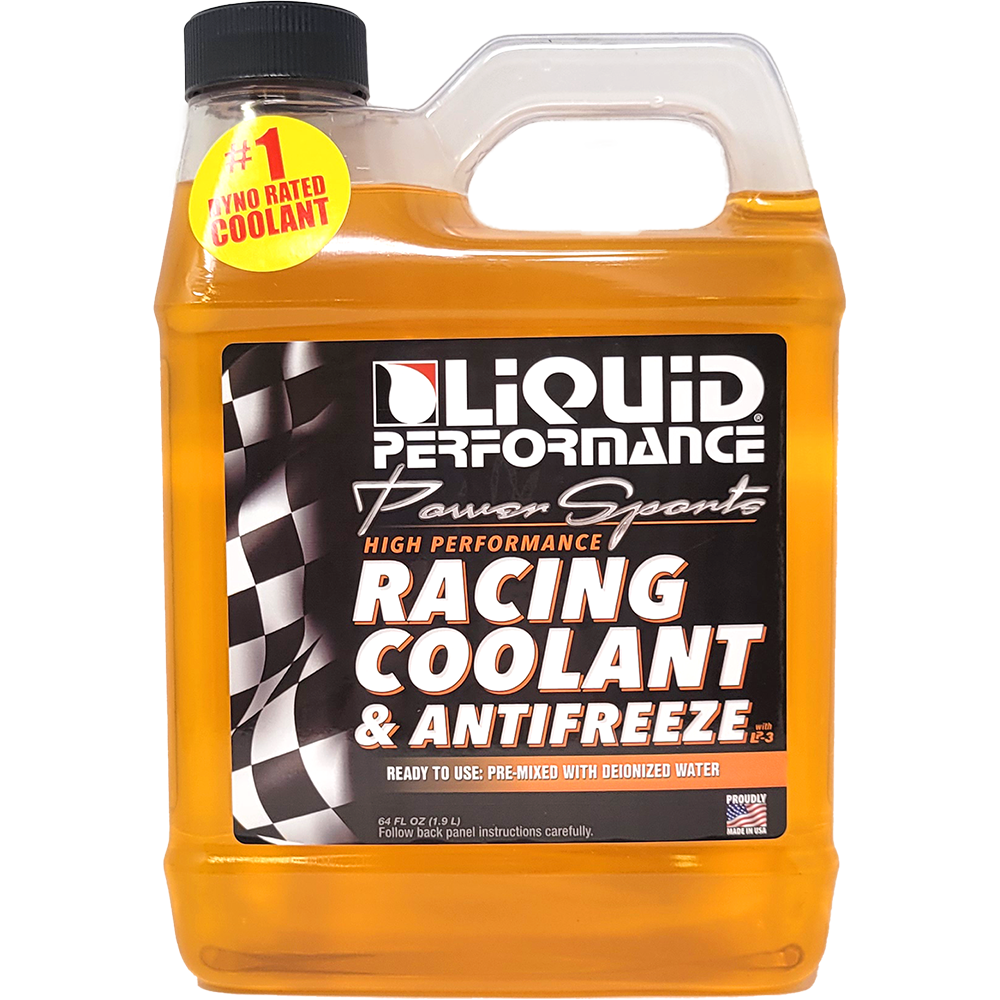
New antifreeze usually has a bright color like green, orange, or pink. Old antifreeze looks dirty or rusty. Dark or cloudy fluid means it is contaminated. Changing antifreeze keeps the cooling system clean and efficient.
Look For Overheating Engine
The engine may overheat if antifreeze is weak or low. Warning lights may turn on. Steam or smoke can come from under the hood. Overheating can damage the engine quickly.
Notice Strange Smells
A sweet, syrupy smell inside the car can mean a leak. Antifreeze leaks can harm the engine and the environment. Smelling antifreeze means check the fluid level and condition immediately.
Inspect For Leaks Under The Car
Bright green, orange, or pink puddles under the car show antifreeze leaks. Leaks reduce the coolant level and cause overheating. Look under the vehicle for spots or wet areas.
Test The Antifreeze Strength
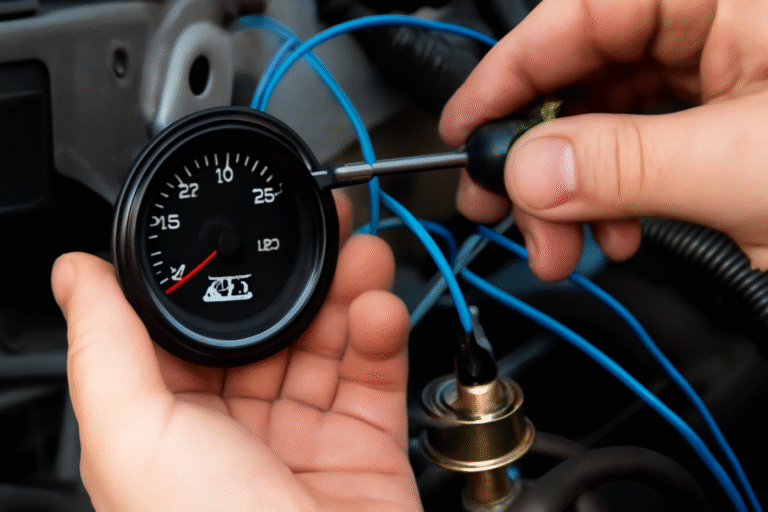
Use a hydrometer or antifreeze tester to check strength. Low strength means it cannot protect the engine from freezing or boiling. Regular testing helps decide when to replace antifreeze.
Credit: www.liquidperformance.com
Frequently Asked Questions
What Happens If You Reuse Old Antifreeze?
Reusing old antifreeze can reduce its effectiveness. It may not protect your engine from freezing or overheating. Contaminants can cause damage over time.
Is Used Antifreeze Harmful To The Environment?
Yes, used antifreeze contains toxic chemicals. It can pollute water and soil if not disposed of properly. Always recycle it at approved centers.
Can Used Antifreeze Cause Engine Problems?
Used antifreeze can lose its protective qualities. It may lead to rust, corrosion, and engine overheating. Regular replacement keeps your engine safe.
How Do You Know When Antifreeze Is Used Up?
Check the color and clarity of the antifreeze. If it looks dirty or rusty, it’s likely spent. Testing kits can also measure its effectiveness.
Where Should You Dispose Of Used Antifreeze Safely?
Used antifreeze should go to recycling or hazardous waste centers. Never pour it down drains or on the ground. Proper disposal protects people and nature.
Conclusion
Used antifreeze can harm the environment if not handled properly. It contains toxic chemicals that need safe disposal. Never pour it down drains or on the ground. Recycling used antifreeze helps protect water and soil. Check local rules for disposal or recycling options.
Proper care keeps your car’s cooling system working well. Stay informed to avoid risks and save money. Safe handling benefits both your vehicle and the planet. Remember, used antifreeze is not just waste—it needs attention.