Can You Drive Without a Cap on Your Coolant Reservoir? Risks Revealed
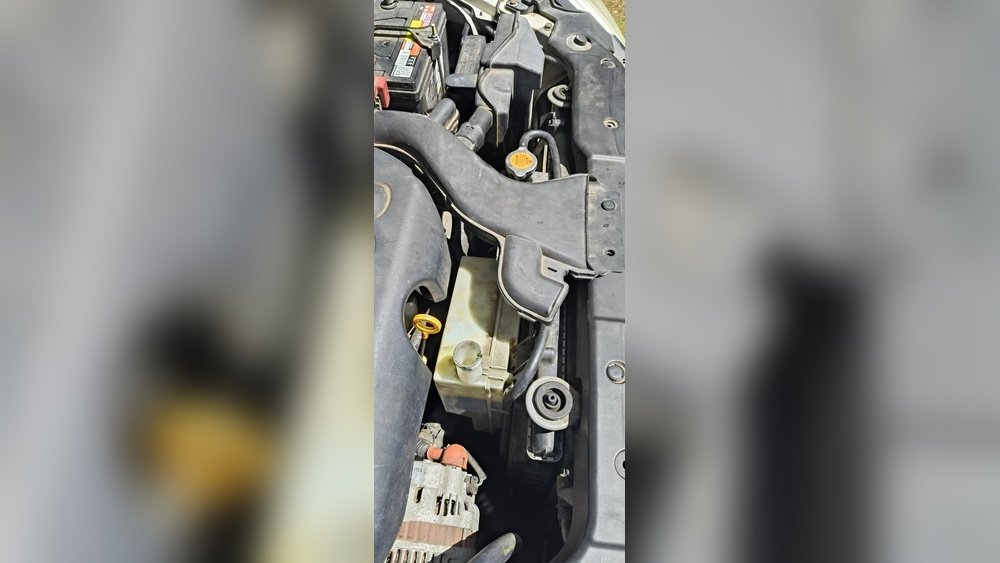
Have you ever noticed your car’s coolant reservoir without its cap and wondered, “Can I still drive like this?” It might seem like a small thing, but driving without that cap can lead to big problems for your engine. You might think it’s harmless, but your car’s cooling system is delicate and needs every part to work properly.
Keep reading to find out why that little cap matters so much and what could happen if you ignore it. This knowledge could save you time, money, and stress down the road.
Role Of The Coolant Reservoir Cap
The coolant reservoir cap keeps the cooling system sealed and maintains pressure. Without it, coolant can leak, causing engine overheating. Driving without the cap risks damage and reduces cooling efficiency.
What The Coolant Reservoir Cap Does
The coolant reservoir cap seals the coolant container. It stops coolant from spilling out. It also keeps dirt and dust from entering the system. This helps the engine stay clean and work well.
How The Cap Controls Pressure
The cap controls pressure inside the cooling system. It keeps pressure at a safe level. This helps prevent leaks and overheating. The right pressure also helps coolant flow properly.
Why The Cap Matters For Engine Safety
The cap protects the engine by keeping the coolant inside. Without it, coolant can spill and cause the engine to overheat. Overheating can damage the engine and lead to costly repairs.

Credit: www.reddit.com
Consequences Of Driving Without The Cap
Driving without the cap on your coolant reservoir can cause serious problems. The cap keeps the coolant system sealed and working well. Without it, coolant can spill out or evaporate. This affects your car’s ability to stay cool. The engine may overheat quickly. Overheating can damage engine parts and lead to costly repairs. Understanding these consequences helps you protect your vehicle and avoid breakdowns.
Loss Of Coolant And Fluid Leakage
Without the cap, coolant escapes from the reservoir. This loss lowers the coolant level fast. Low coolant means the engine cannot cool down properly. Fluid spills can also make engine parts slippery. This creates unsafe conditions under the hood.
Engine Overheating Risks
Coolant controls engine temperature. Missing the cap lets heat build up. Overheating causes the engine to work harder. This can warp metal parts and damage gaskets. The engine may stop running altogether.
Pressure Imbalance In The Cooling System
The cap helps keep pressure inside the system. Without it, pressure drops. Low pressure causes coolant to boil at lower temperatures. This reduces cooling efficiency and increases overheating risk.
Potential Damage To Other Engine Components
Overheating affects more than the engine block. It can harm the radiator, hoses, and thermostat. These parts may crack or fail. Repair costs can rise quickly due to this damage.
How A Missing Cap Affects Engine Performance
Driving without a cap on your coolant reservoir can cause coolant to spill out. This may lead to engine overheating and poor performance. The cap helps keep the cooling system sealed and working properly.
Loss Of Coolant Pressure
The cap on the coolant reservoir keeps the cooling system sealed. Without it, pressure escapes. This pressure is important to raise the boiling point of the coolant. Without pressure, the coolant boils at a lower temperature. This can cause the engine to overheat quickly.
Coolant Leakage And Contamination
Driving without the cap allows coolant to spill out. The coolant level drops, reducing the system’s ability to cool the engine. Dirt and debris can also enter the reservoir. Contaminated coolant can clog the cooling system and reduce efficiency.
Engine Overheating Risks
Without the cap, coolant loss and pressure drop raise overheating chances. Overheating causes engine parts to expand and warp. This can lead to costly engine damage. The engine may also shut down to prevent harm.
Impact On Fuel Efficiency And Power
An overheating engine runs poorly. It loses power and consumes more fuel. The vehicle may feel sluggish or hesitate during acceleration. These issues occur because the engine cannot run at its best temperature.
Warning Light Activation
The vehicle’s dashboard may show warning lights without a cap. The temperature or coolant warning light may come on. These alerts signal a cooling system problem. Ignoring these warnings can lead to severe engine damage.
Signs Of Coolant Loss And Overheating
Coolant keeps your engine cool and stops it from overheating. Losing coolant can cause serious engine problems. Knowing the signs of coolant loss helps you avoid costly repairs and unsafe driving conditions.
When coolant escapes, the engine temperature rises quickly. This leads to overheating, which can damage engine parts and cause breakdowns. Watch for early warnings to protect your vehicle.
Visible Coolant Leaks
Check under your car for puddles or spots of bright green, orange, or pink liquid. These colors usually mean coolant is leaking. Leaks often happen near the radiator or coolant reservoir.
Engine Temperature Gauge Rising
Watch your dashboard for the temperature gauge. If it climbs above normal, your engine may be overheating. This can indicate low coolant levels or a missing reservoir cap.
Steam Coming From The Hood
Steam or smoke near the front of your car signals overheating. It means coolant is boiling or escaping as vapor. Stop driving immediately to avoid engine damage.
Sweet Smell Inside Or Outside The Car
Coolant has a sweet, syrupy smell. If you notice this scent inside or around your vehicle, it may be leaking. This smell often appears before visible leaks or overheating.
Heater Not Working Properly
Your car’s heater uses hot coolant to warm the cabin. If the heater blows cold air, low coolant may be the cause. This is a sign to check the coolant reservoir and cap.
Temporary Fixes And When To Stop Driving
Driving without a cap on your coolant reservoir can cause serious car problems. Sometimes, you might need a quick fix before getting to a mechanic. Knowing temporary fixes and when to stop driving protects your engine and your safety.
Ignoring the problem can lead to overheating and engine damage. Pay close attention to warning signs and act fast.
Temporary Fixes For A Missing Coolant Reservoir Cap
Use a clean cloth or plastic wrap to cover the reservoir. Secure it tightly with a rubber band. This helps keep dirt out and reduces coolant loss.
Do not drive fast or far with this temporary cover. Check coolant levels often and refill if needed. Avoid opening the reservoir when the engine is hot.
Signs You Should Stop Driving Immediately
Watch for steam coming from the engine area. A rising temperature gauge means the engine is overheating. Strange noises or a burning smell also signal trouble.
If you see any of these signs, stop driving at once. Continuing can cause permanent engine damage. Call for roadside help or tow your vehicle to a shop.

Credit: flasharkracing.com
Preventive Measures And Maintenance Tips
Taking care of your car’s cooling system helps avoid costly repairs. Small steps prevent big problems. Regular checks keep your engine safe and running well.
Coolant reservoir caps play a key role in the system. They keep the coolant sealed and pressure stable. Missing caps can cause coolant loss and engine overheating. Follow these easy tips to protect your vehicle.
Check The Coolant Reservoir Cap Regularly
Look at the cap for cracks or damage. Replace if it does not seal tightly. A loose or broken cap lets coolant escape. This can cause engine heat issues.
Keep The Coolant Level In Check
Check coolant level once a month. Fill to the recommended mark only. Too little coolant causes overheating. Too much can create pressure problems.
Use The Correct Coolant Type
Always use the coolant your car’s manual suggests. Mixing types can harm the engine and cooling system. Stick to the right coolant for best results.
Inspect For Leaks Around The Reservoir
Look under your car and around the reservoir for leaks. Coolant puddles need immediate attention. Leaks reduce coolant and cause engine heat.
Replace Old Coolant Periodically
Coolant loses effectiveness over time. Change it as your car’s manual advises. Fresh coolant protects the engine and stops corrosion inside.

Credit: www.reddit.com
Frequently Asked Questions
Can I Drive My Car Without The Coolant Reservoir Cap?
Driving without the coolant reservoir cap can cause coolant to spill out. This may lead to engine overheating and damage. It’s best to keep the cap securely in place.
What Happens If The Coolant Reservoir Cap Is Missing?
Without the cap, coolant can evaporate or spill, reducing fluid levels. This causes the engine to run hotter than normal. Overheating can damage engine parts quickly.
Is It Safe To Drive A Short Distance Without The Cap?
Driving a short distance might be okay if you watch the temperature gauge. Still, it’s risky because coolant can leak or boil off. Replace the cap as soon as possible.
Can Missing Coolant Cap Cause Engine Overheating?
Yes, the missing cap lets coolant escape, lowering the system’s pressure. Lower pressure makes the engine run hotter and may cause overheating. This can lead to costly repairs.
How Do I Replace A Lost Coolant Reservoir Cap?
Check your car’s manual for the right cap type and size. Purchase a new cap from an auto parts store or online. Installing it is easy—just screw it back on tightly.
Conclusion
Driving without a cap on your coolant reservoir is risky. The engine can overheat quickly. Coolant may spill out, causing damage. Your car needs the cap to keep pressure steady. This helps the cooling system work right. Always check the cap before driving.
It protects your engine and saves money. Don’t ignore this small but important part. Stay safe and keep your car running smoothly.