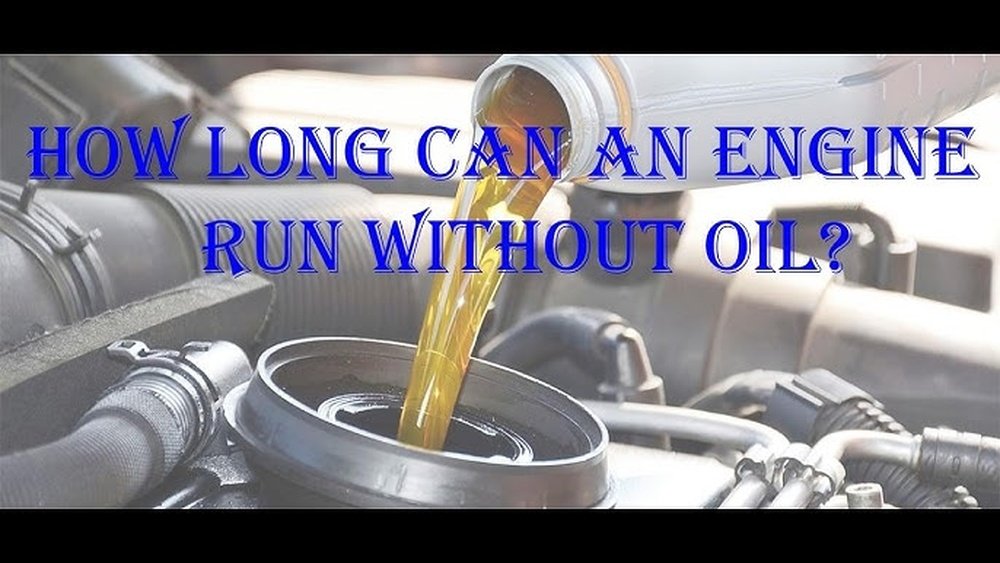
How Long Can an Engine Run Without Oil before Damage: Shocking Truth Revealed
Imagine driving your car and suddenly wondering, “How long can my engine run without oil before it gets damaged?” You might think a few minutes won’t hurt, but the truth could surprise you.
Your engine relies on oil to keep everything moving smoothly. Without it, serious damage can happen fast. If you want to protect your vehicle and avoid costly repairs, understanding exactly how long your engine can survive without oil is crucial.
Keep reading to find out what really happens inside your engine and how to prevent disaster before it’s too late.
Role Of Oil In Engine Health
Engine oil plays a vital role in keeping an engine healthy. It lubricates the moving parts, reducing friction and wear. Without oil, metal parts grind against each other, causing damage quickly.
The oil also helps cool the engine by carrying heat away from hot parts. It prevents overheating, which can cause parts to warp or break. Oil cleans the engine by trapping dirt and tiny metal particles.
It also protects against rust and corrosion by creating a thin barrier on metal surfaces. The oil keeps seals and gaskets soft, stopping leaks and maintaining engine pressure. Overall, oil is essential for smooth engine operation and long life.
Lubrication Of Moving Parts
Oil forms a thin layer between engine parts. This layer stops direct contact and reduces friction. Less friction means less heat and less wear on parts. Proper lubrication extends engine life and improves performance.
Heat Dissipation
Engines generate a lot of heat during operation. Oil absorbs and carries heat away from key areas. This helps prevent overheating and damage. Good oil circulation keeps engine temperature stable.
Cleaning And Protection
Oil traps dirt, debris, and metal particles inside the engine. This keeps these harmful substances from scratching engine parts. It also stops rust and corrosion by coating metal surfaces. Clean oil means a cleaner, safer engine.
Consequences Of Running Without Oil
Running an engine without oil causes serious problems fast. Oil keeps engine parts cool and stops them from rubbing together. Without oil, friction rises quickly. This leads to heat build-up and wear. The engine can fail in just minutes.
Understanding the consequences helps prevent costly damage. Here are key issues that happen when an engine runs without oil.
Metal Parts Wear Out Quickly
Oil forms a thin layer between metal parts. This layer stops them from scraping against each other. Without oil, metal parts grind together. This causes scratches, dents, and fast wear. The engine loses its smooth operation.
Overheating And Engine Seizure
Oil cools the engine by carrying heat away. Without oil, heat builds up quickly. The engine temperature rises beyond safe levels. High heat can cause parts to warp or melt. The engine may seize, stopping all movement.
Loss Of Engine Performance
Friction and heat reduce engine power. Moving parts get stuck or slow down. This lowers fuel efficiency and speed. The engine struggles to run properly or may stall.
Permanent Engine Damage
Running without oil causes lasting harm. Bearings, pistons, and cylinders get damaged beyond repair. Repair costs become very high or the engine needs replacement.
Timeframe For Engine Damage
Engines rely on oil to stay cool and reduce friction between parts. Without oil, metal parts rub directly against each other. This rubbing causes heat and damage very fast. Understanding how long an engine can run without oil helps avoid costly repairs.
How Quickly Damage Begins
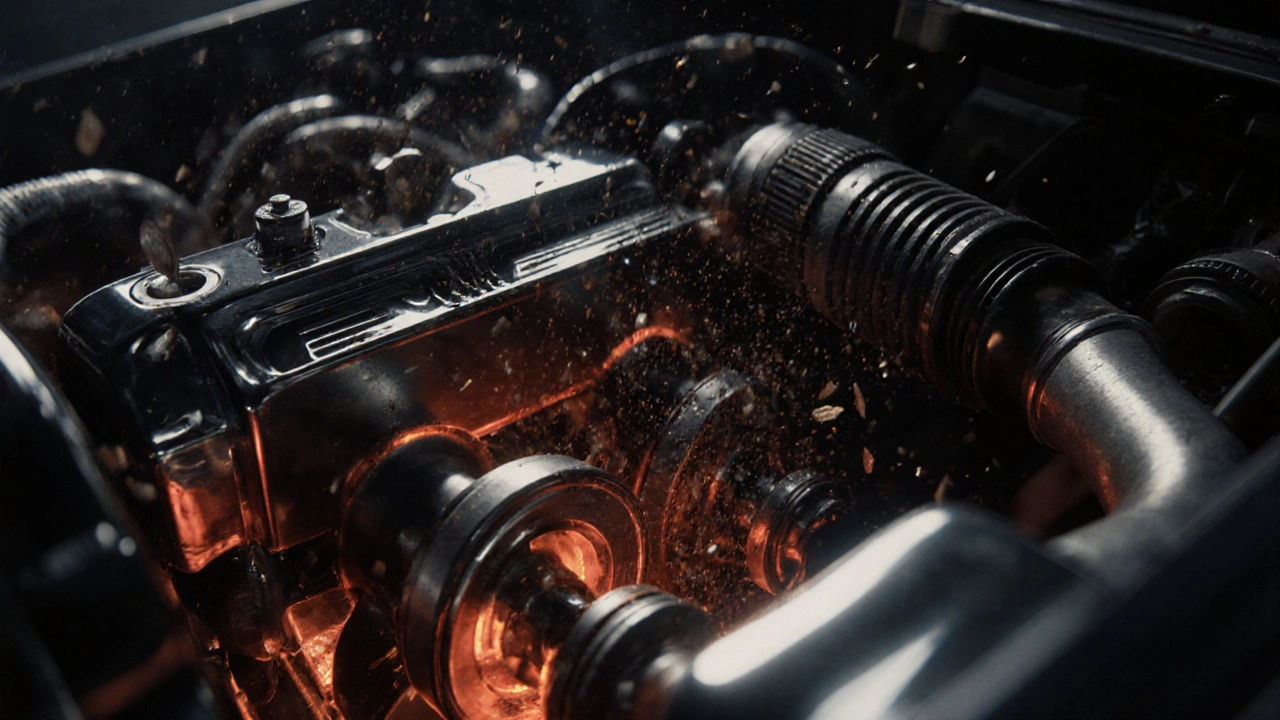
An engine can start to suffer damage in just seconds without oil. The oil pump stops circulating oil, and metal parts touch. Friction builds up heat, causing parts to warp or break. Serious damage can happen in less than a minute.
Damage Within Minutes
After a few minutes without oil, engine parts can seize or melt. Bearings and pistons wear out fast. The engine may stop running entirely. Repair costs rise sharply after this point.
Long-term Effects Of Running Without Oil
Running an engine without oil for several minutes causes permanent damage. Metal parts become scratched and warped. The engine loses power and efficiency. Often, the engine needs full replacement or a rebuild.

Credit: www.youtube.com
Signs Of Oil Starvation
Engines need oil to work smoothly and avoid damage. Signs of oil starvation include strange noises and overheating. Running without oil even briefly can cause serious engine problems.
Oil is the lifeblood of an engine. It keeps parts moving smoothly and stops them from rubbing together. Without enough oil, the engine can suffer serious damage fast.
Detecting oil starvation early can save your engine from costly repairs. The signs are often clear but easy to miss. Watch for changes in how your engine sounds, feels, or looks.
Unusual Engine Noise
One of the first signs of oil starvation is strange engine noise. The engine may sound louder or rougher than usual. You might hear knocking, tapping, or grinding sounds. These noises mean metal parts are rubbing without enough oil.
Engine Overheating
Oil helps cool the engine by reducing friction. Without oil, the engine parts heat up quickly. The temperature gauge may rise above normal. Overheating can cause permanent engine damage if ignored.
Warning Lights On Dashboard
Your car’s dashboard may show warning lights if oil levels drop. The oil pressure light or check engine light may turn on. These signals mean the engine oil is low or not circulating properly.
Reduced Engine Performance
Oil starvation can make the engine run poorly. You may notice less power or slower acceleration. The engine might hesitate or stall during driving. These problems happen because parts are not working smoothly.
Dark Or Dirty Exhaust Smoke
Excessive smoke from the exhaust can indicate oil problems. Dark or blue smoke may mean oil is burning inside the engine. This happens when oil leaks into the combustion chamber due to low lubrication.
Preventing Oil-related Engine Failures
Engines need oil to run smoothly. Without oil, damage can start in just a few minutes. Running an engine dry causes parts to heat up and wear out fast.
Regular Oil Checks And Changes
Engine oil keeps the engine parts moving smoothly. Without it, metal parts rub and cause damage. Check oil levels often to avoid running low. Change oil at the intervals suggested by the car maker. Fresh oil cleans and protects the engine better than old oil.
Using The Right Oil Type
Different engines need different oil types. Use the oil grade recommended in the owner’s manual. The right oil flows well and resists heat. This helps prevent engine wear and breakdowns. Using wrong oil can cause poor lubrication and damage.
Watch For Oil Leaks
Leaks cause oil loss and lower engine protection. Check under the car and around the engine for oil spots. Fix leaks quickly to keep oil levels safe. Regular checks help catch leaks before serious damage occurs.
Pay Attention To Warning Signs
Warning lights and unusual noises signal oil problems. Do not ignore oil pressure or check engine lights. Strange engine sounds may mean low oil or worn parts. Stop driving and check oil if warnings appear. Acting fast saves the engine from harm.

Credit: oilchangers.com
Emergency Steps If Oil Runs Low
Running an engine low on oil can cause serious damage fast. Acting quickly helps protect the engine. Knowing what to do in an emergency saves money and time. Follow these steps to reduce harm if oil runs low.
Stop The Engine Immediately
Turn off the engine as soon as low oil is noticed. Continuing to run it causes metal parts to grind. This creates heat and can destroy the engine. Stopping the engine prevents further damage.
Check The Oil Level
Use the dipstick to check the oil level. Pull it out, wipe it clean, then dip it back in. Look at the oil mark to see if it is below the minimum line. This confirms if oil is low or empty.
Add Oil Carefully
Add the right type of oil for the engine. Pour slowly and check the level often. Overfilling can cause other problems. Use small amounts and keep checking the dipstick.
Look For Leaks
Inspect under the car for oil puddles or wet spots. Leaks cause oil loss and must be fixed quickly. Find the source and avoid driving until repaired.
Drive To A Mechanic With Caution
Drive only a short distance if oil is low. Keep the engine speed low and avoid hard acceleration. Stop often to check the oil level. Head straight to a mechanic for a full check.
Credit: gilesgatetestcentre.co.uk
Frequently Asked Questions
How Long Can An Engine Run Without Oil Safely?
An engine can run only a few seconds to minutes without oil before damage starts. Oil is essential to reduce friction and cool engine parts.
What Happens To An Engine Without Oil?
Without oil, engine parts rub directly, causing heat and wear. This leads to fast and serious engine damage.
Can Engine Damage Occur Instantly Without Oil?
Yes, engine damage can begin within seconds without oil due to lack of lubrication. This can cause parts to seize or break.
Is It Possible To Drive A Car Without Engine Oil?
Driving without engine oil is dangerous and can cause engine failure quickly. It’s best to check oil levels before driving.
How To Prevent Engine Damage From Low Or No Oil?
Regularly check and change your oil to keep levels adequate. Use the right oil type and fix leaks promptly.
Conclusion
Running an engine without oil causes serious damage fast. Oil keeps engine parts cool and moving smoothly. Without it, metal parts rub and wear out quickly. Engines can fail in just a few minutes without oil. Always check oil levels before driving.
Don’t ignore warning signs like strange noises or smoke. Regular oil changes help your engine last longer. Protect your car by keeping oil topped up. It saves money and avoids costly repairs. Oil is small but very important for your engine’s health.