Can a Car Pass Inspection With Check Engine Light On? Essential Facts
You’re probably wondering: can your car really pass inspection with the check engine light on? That little warning light can cause a lot of stress, especially when your registration is about to expire or you need to renew your tags soon.
You want to avoid wasting time and money on a failed inspection, but you’re not sure if that glowing light means automatic failure. The truth is, the check engine light is more than just a nuisance—it’s a signal that something might be wrong with your vehicle’s emissions system.
You’ll discover exactly how that light affects your inspection chances, why it matters, and what steps you can take to get your car ready. Keep reading to find out what you really need to know before your next inspection.
Credit: www.chapelhilltire.com
Check Engine Light And Inspection Rules
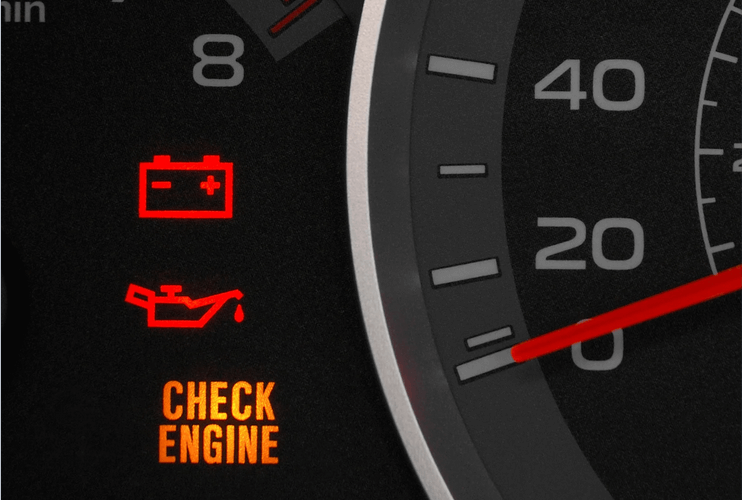
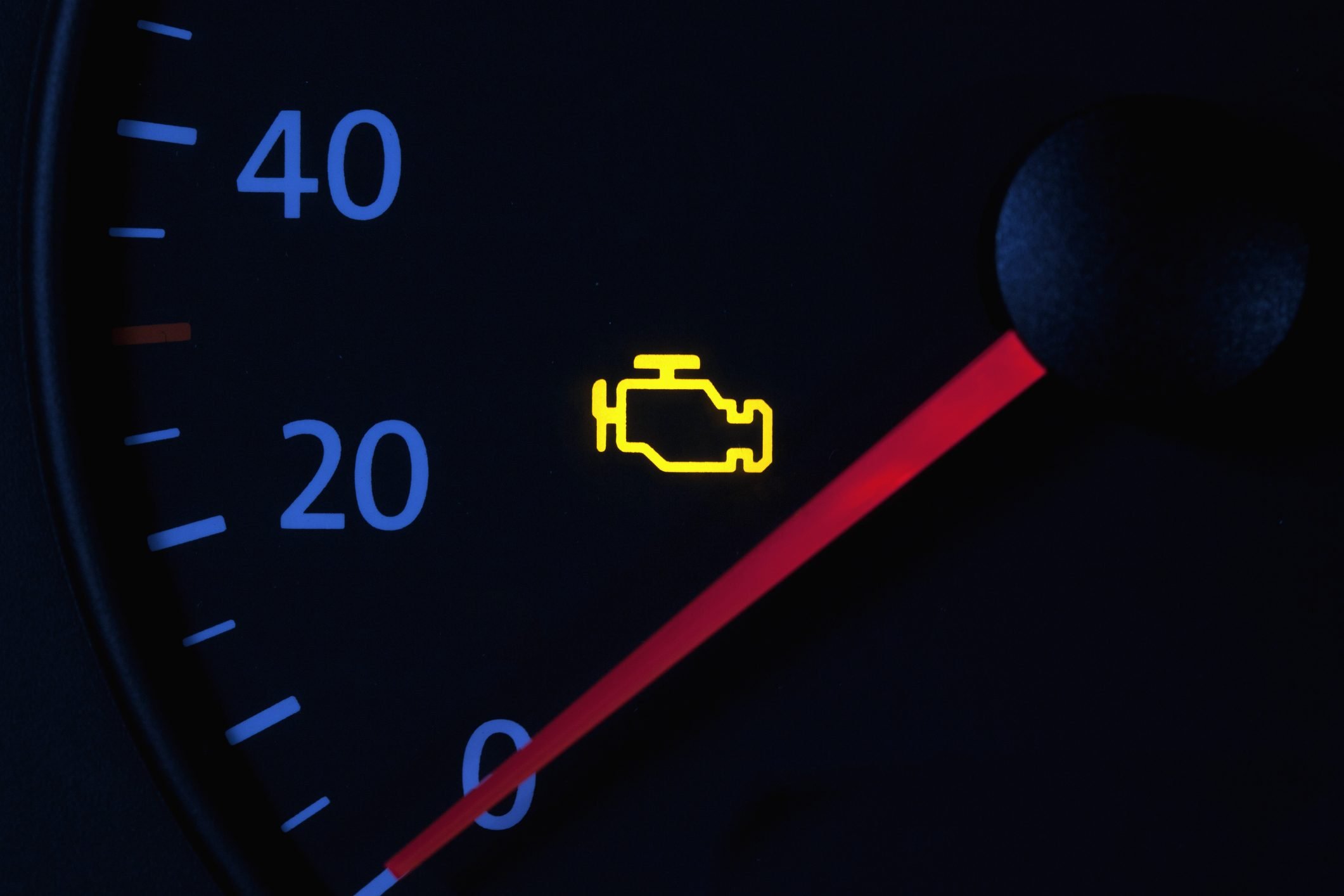
The check engine light signals a problem in your vehicle’s system. It warns about issues affecting emissions, engine, or sensors. Inspection rules vary by state but often focus on emissions safety. A lit check engine light usually means the car will fail inspection.
Inspectors use the onboard diagnostic system (OBD-II) to check for faults. This system detects if emissions controls are working correctly. If the check engine light is on, it means the OBD-II found a problem. Many states require a car to have no active trouble codes to pass.
How The Check Engine Light Affects Inspection
Most inspections include an emissions test and a safety check. The check engine light is part of the emissions test. If the light is on, the vehicle often fails because it may pollute more. The light must be off for the car to pass the test.
Clearing the check engine light without fixing the issue is not enough. The car’s computer needs to complete a drive cycle to verify repairs. If the system is incomplete, the inspection may still fail.
State Differences In Inspection Requirements
Inspection rules differ across states and cities. Some states have strict emissions standards and will fail any car with a check engine light on. Others may allow passing with minor issues, but this is rare. Checking local rules is important before inspection.
Texas, for example, requires no active trouble codes during inspection. A check engine light on means the vehicle will not pass. Repairing the problem and resetting the light is necessary before testing again.
Steps To Take If Your Check Engine Light Is On
Scan your vehicle to find the trouble codes. Fix the problems causing the light to come on. Clear the codes and drive the car to complete the system checks. Only then schedule your inspection appointment.
Ignoring the check engine light can lead to failing inspection and costly repairs later. Early diagnosis helps avoid delays and extra expenses. Keep your vehicle in good condition for a smooth inspection process.

Credit: girlingtongarage.com
Emissions Testing And Diagnostic Systems
Passing a car inspection with check engine light codes requires a clear plan. The light shows a problem detected by your car’s computer. The inspection checks this system closely. Follow these steps to increase your chance of passing.
Each step helps to identify and fix the cause behind the light. Fixing the problem stops the light from showing. Then your car’s system must confirm the repair works. This process often involves driving the car under certain conditions.
Scan The Codes
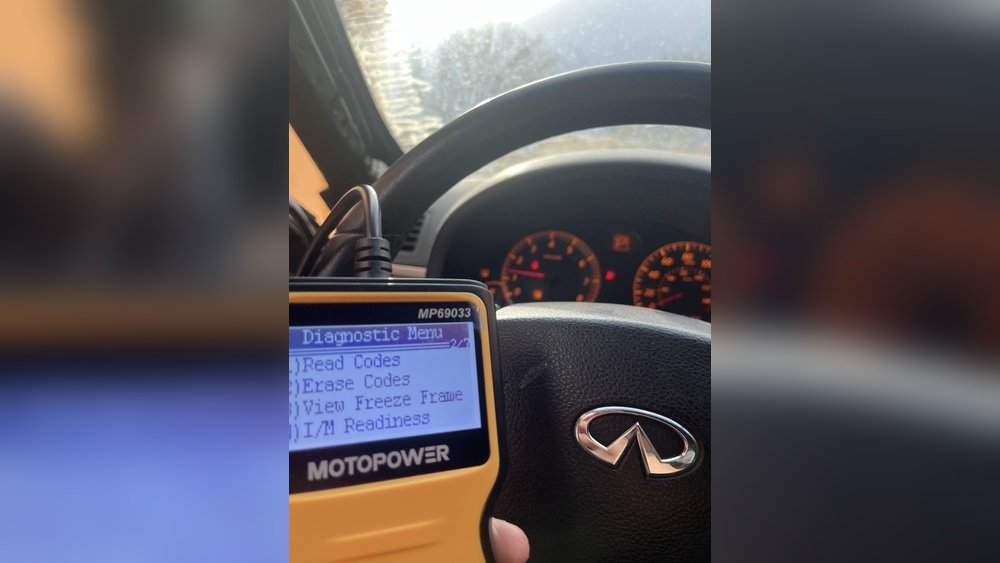
Use an OBD-II scanner to read trouble codes. These codes point to the exact problem in your car. Many auto parts stores offer free scans. Knowing the codes helps target repairs quickly.
Fix The Issues
Repair the parts or systems causing the codes. Common fixes include replacing sensors or tightening the gas cap. Choose a trusted mechanic if you cannot fix it yourself. Proper repair is crucial for passing inspection.
Clear The Codes
After repairs, clear the codes from the system. This resets the check engine light. Some scanners can erase codes, or a mechanic can help. Clearing codes alone does not guarantee passing.
Complete The Drive Cycle
Drive your car as required to reset the system. The onboard computer runs tests during this time. These tests verify the repair success and turn off the light. The drive cycle can take several days or more.
Check For Light Off
Make sure the check engine light stays off. A returning light means the problem remains. The car must be free of active codes to pass inspection. If the light is off, your car is ready for inspection.
Common Reasons For Inspection Failure
A check engine light often causes inspection failure due to emissions or engine issues. Faulty sensors or loose gas caps trigger the light. Ignoring these problems usually means the car won’t pass inspection.
Understanding Drive Cycles
Drive cycles are specific driving patterns your car must complete. They help the car’s computer check if all systems work well. After repairs or code clearing, the car needs to run these cycles. This allows the car to test sensors and systems fully. Without completing drive cycles, the car’s computer may not update the status correctly.
During a drive cycle, the car runs through various speeds and conditions. It includes idling, accelerating, and steady cruising. This process triggers the car’s self-check system to monitor emissions and engine parts. The car’s computer then decides if the problem is fixed or still present.
Effects Of Clearing Codes
Clearing trouble codes resets the check engine light. It also erases the car’s stored data about system readiness. This means the car’s computer loses track of completed tests. After clearing codes, the car must finish new drive cycles. Until then, inspections may fail because the system shows incomplete checks.
Simply erasing codes does not fix the underlying problem. The check engine light may turn off, but issues can return. Most inspection stations check for both active trouble codes and system readiness. If the drive cycle is incomplete, the car might fail inspection even if no light shows.
Credit: www.familyhandyman.com
Frequently Asked Questions
Will My Car Pass Inspection If I Have A Check Engine Light On?
A car with a check engine light on will not pass inspection. Fix the issue, clear codes, and complete a drive cycle first.
Can I Drive 100 Miles With The Engine Light On?
Driving 100 miles with the engine light on is risky. It may cause severe damage or breakdown. Get the issue diagnosed immediately.
How Long After You Clear Codes To Pass Emissions?
After clearing codes, drive your car for 50 to 100 miles to complete the drive cycle before emissions testing.
Can You Pass With A Check Engine Light?
You cannot pass a vehicle inspection with the check engine light on. Fix the issue, clear codes, then complete the drive cycle.
Conclusion
A check engine light usually means your car won’t pass inspection. This light signals a problem with emissions or engine systems. Repairing the issue and clearing the code is necessary. Simply turning off the light without fixing the problem won’t help.
After repairs, driving enough to reset the system is important. Passing inspection keeps your vehicle safe and legal. Don’t ignore the check engine light; address it promptly for a smooth inspection process.