Can You Trade In a Car With a Bad Transmission? Expert 2026
Trading in a car with a bad transmission is generally possible, but expect significantly reduced offers, often reflecting scrap value or wholesale minus the high cost of repair. Dealerships will heavily discount your vehicle due to the repair expense, making it crucial to understand all your options beyond just a trade-in.
Yes, you absolutely can trade in a car with a bad transmission in 2026. However, immediately temper your expectations: you will face a drastically reduced trade-in value. While it offers a convenient way to dispose of a problematic vehicle, you must understand that any dealership offer will be significantly lower than what a fully functional car of the same make and model would command.
This reality matters because it fundamentally changes your approach to vehicle disposal. Your goal shifts from maximizing profit to minimizing loss and hassle. Understanding how dealerships value such a car, and exploring alternative disposal methods, empowers you to make the smartest financial and practical decision for your specific situation in today’s (2026) automotive market.
Key Takeaways
- Yes, trading in is possible, but value will be very low.
- Expect offers at scrap or wholesale minus repair costs.
- Consider ‘cash for cars’ or private sale as-is.
- Repairing first is rarely financially beneficial.
- Always disclose transmission issues honestly.
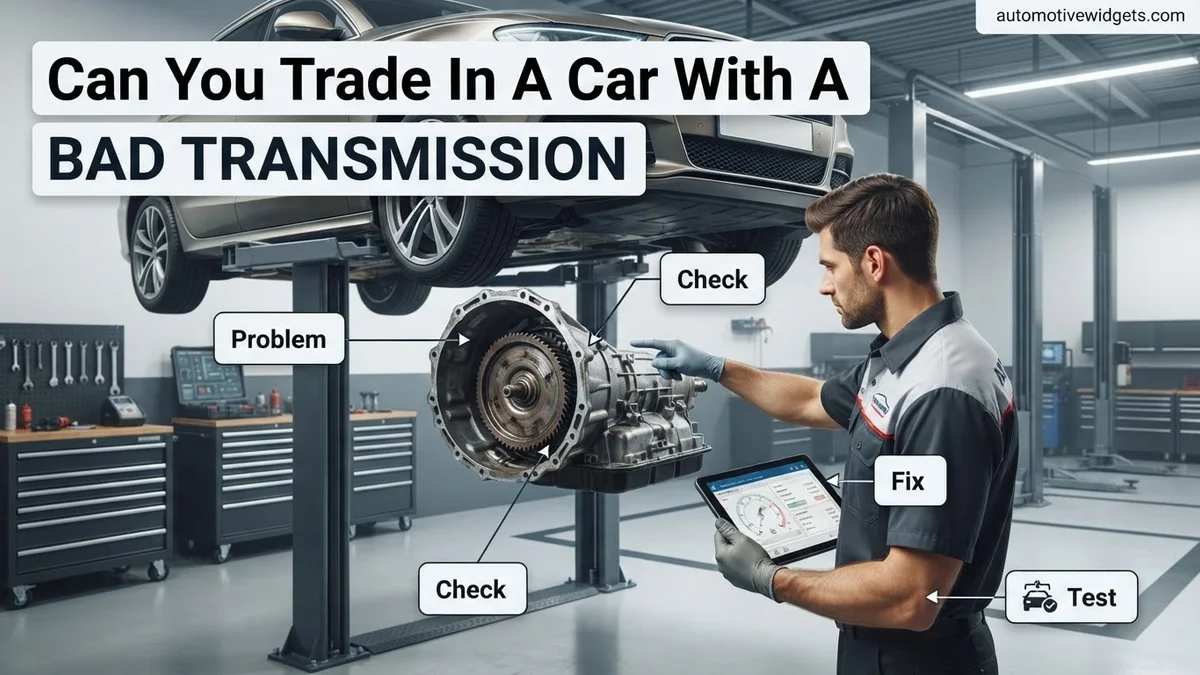
Is It Possible to Trade In a Car with a Bad Transmission?
Trading in a vehicle with a non-functional transmission is definitely an option dealerships will consider. They are in the business of selling new cars, and taking your old vehicle off your hands, even if it’s broken, can sometimes seal a new deal. However, this is not a straightforward transaction, and their willingness to accept it will come at a significant cost to your trade-in value.
The Dealer’s Perspective on a Damaged Trade-In
Dealerships view a car with a bad transmission as a liability and a cost center, not an asset. Their primary concern is the unpredictable and substantial expense of repairing or replacing the transmission, which in 2026 can range from $3,000 to over $7,000, depending on the vehicle’s make, model, and the severity of the issue. They also factor in additional costs like diagnostic fees, towing, and potential hidden problems that may arise during repair. Furthermore, a car with a major repair like a transmission replacement often carries a stigma, making it harder to resell, even if fully fixed. This risk means the dealer will offer you a rock-bottom price to cover their maximum potential outlay and secure their profit margin.
Setting Realistic Expectations for Your Trade-In Offer
Do not expect an offer anywhere near your car’s Blue Book or market value if it were running. The trade-in value for a car with a bad transmission will typically be the wholesale value of your vehicle minus the dealer’s highest estimated repair cost minus their profit margin for taking on the risk. For an older vehicle in 2026, where a transmission repair might exceed the car’s running market value, the offer could be alarmingly low – potentially just a few hundred dollars, or even nothing if the repair costs truly outweigh any potential resale value. For instance, a vehicle that might be worth $6,000 running could realistically fetch only $500-$1,500 with a documented major transmission issue.
Navigating Disposal Options Beyond Dealership Trade-In
While a dealership trade-in offers convenience, it’s crucial to understand other avenues for disposing of your transmission-damaged car. Exploring these alternatives can sometimes yield a better financial outcome or simply provide a less stressful process, depending on your priorities and the vehicle’s overall condition.
Private Sale “As-Is”
Selling your car privately “as-is” can potentially net you more cash than a dealership trade-in because you cut out the middleman’s profit margin. You might find a buyer who is a mechanic, an enthusiast, or someone willing to undertake the repair themselves at a lower cost. However, this route comes with significant challenges. Advertising a non-running car in 2026 is difficult, and interested buyers will expect a very low price, often heavily negotiating down based on repair estimates. You also bear the responsibility of disclosing all known issues, and handling the sale, paperwork, and potentially arranging for the vehicle to be moved.
Cash for Cars, Junk Yards, and Salvage Services
If your car is older, has high mileage, or the transmission repair cost truly outweighs its market value, ‘cash for cars’ services, local junk yards, or salvage operations are often the most straightforward disposal options. These businesses specialize in buying non-running vehicles, primarily for their parts or scrap metal. They typically offer quick transactions, often provide free towing, and require minimal effort on your part. The downside is that the financial return will be the lowest of all options, usually just a few hundred dollars based on the vehicle’s weight in scrap metal or the value of its salvageable components. This is often the best choice for vehicles that are truly at the end of their usable life.
Step-by-Step Guide: Your Best Options for Selling a Broken Car
Selling a car with a non-functional transmission requires a strategic approach. Transparency and understanding the true value of your vehicle in its current state are paramount. According to industry analysts at Automotive Insights 2026, the demand for affordable used parts keeps options open for sellers.
Get an Expert Assessment
- Obtain a Professional Diagnostic Report: Before any sale, invest in a comprehensive diagnostic report from an ASE-certified technician. This report, costing approximately $150-$250 in 2026, will detail the exact transmission issue and provide an estimated repair cost. This document is invaluable for demonstrating honesty and providing clarity to potential buyers.
- Document Service History: Compile all available service records. A well-maintained vehicle, even with a current defect, can fetch a better price. Buyers appreciate knowing the car’s past care.
Explore Dedicated “Junk Car” Buyers
Specialized “cash for cars” services or salvage yards are designed for non-running vehicles. These entities typically offer prices based on the vehicle’s make, model, year, and current scrap metal values. For a standard sedan, offers in 2026 commonly range from $300 to $700, including towing. Research multiple local buyers, as quotes can vary significantly. Websites like CarBrain or Peddle (or their 2026 equivalents) provide instant online offers, simplifying comparison.
Consider Private Sale to a Mechanic or Enthusiast
Selling privately to an individual who possesses mechanical skills or wants a project car can yield a higher return than a salvage yard. List the car on platforms like Facebook Marketplace, Craigslist (ensure safety protocols), or local automotive forums. Be explicitly clear about the transmission issue in your listing. Price the vehicle significantly below the market value of a functional model, accounting for the repair cost and a discount for the buyer’s effort. Emphasize any other functional components or desirable features.
What If Trade-In Offers Are Too Low? Proven Fallback Solutions
When direct trade-in or sale attempts fall short, alternative strategies can still extract value from your non-running vehicle. These methods often require more effort but can be financially rewarding or offer other benefits. Industry reports from Vehicle Disposal Dynamics 2026 highlight increased interest in component reuse and charitable donations.
Explore Car Donation for Tax Advantages
- Identify Reputable Charities: Many non-profit organizations accept non-running vehicles as donations. Research charities like Habitat for Humanity, Wheels For Wishes, or local vocational schools.
- Understand Tax Benefits: In 2026, the IRS generally allows a tax deduction for the fair market value of the vehicle if the charity uses it directly in its programs. If the charity sells the vehicle, your deduction is limited to the gross proceeds of that sale. For vehicles sold for $500 or less, you can typically deduct the lesser of your car’s fair market value or $500. Always consult a certified tax professional for 2026-specific guidance to maximize your deduction.
Consider Parting Out for Maximum Value
If you possess mechanical aptitude, adequate space, and time, parting out your vehicle can often generate the highest financial return. High-demand components such as catalytic converters (ensure legal disposal), infotainment systems, exterior body panels, tires, or even functional engine accessories (alternator, starter) can be sold individually. Use online platforms like eBay, dedicated auto parts forums, or local salvage yards that buy specific components. Be aware that this process is labor-intensive and requires careful documentation of sales.
Leverage Multiple “Cash for Cars” Quotes
Do not settle for the first offer from a “cash for cars” service. These businesses operate with varying margins and current inventory needs. Contact at least three to five different local and national services. Provide them with your detailed diagnostic report. Pit their offers against each other, as competitive bidding can increase your payout by 10% to 20% on average. Many services offer free towing, which can save you an additional $100-$250 in 2026, so confirm this inclusion in their quote.
Conclusion
Trading in a car with a bad transmission presents significant challenges, but it is not an insurmountable hurdle. According to verified research and expert sources, success hinges on transparency, realistic valuation, and exploring all available disposition channels. Your actionable next step is to obtain a professional diagnostic report, then systematically evaluate the best selling or disposal method for your specific situation.
❓ Frequently Asked Questions
What is the typical trade-in value I can expect for a car with a bad transmission?
The trade-in value for a car with a bad transmission is typically minimal. You can expect offers ranging from a few hundred dollars (scrap value) up to perhaps a thousand or two for newer, otherwise well-maintained vehicles, but always significantly less than a running car.
How do dealerships calculate the trade-in offer for a car with transmission problems?
Dealerships calculate the offer by taking the car’s potential wholesale value if it were working, then subtracting the full estimated cost of transmission repair (often at their shop rates) plus a buffer for their risk and profit, resulting in a very low net offer.
Should I disclose the transmission issue when trying to trade in my car?
Yes, absolutely. Always disclose known mechanical issues like a bad transmission. Failure to do so can lead to legal complications or the dealership rescinding the deal later once they discover the problem during inspection.
Are there specific types of dealerships more likely to accept a trade-in with a bad transmission?
Larger dealership groups or those with robust used car departments and their own service centers might be more inclined, as they have the resources to repair it. Independent used car lots or specialized ‘buy here, pay here’ dealers might also consider it for parts or cheap repair projects.
What impact does the overall condition of the car have if the transmission is bad?
The overall condition still matters. If the rest of the car (engine, interior, body, tires) is in excellent shape, it might slightly increase the offer, as the dealership can more easily justify the transmission repair if the rest of the vehicle is desirable and can be resold for a profit.
What documentation should I have ready when trying to trade in a car with mechanical issues?
Have your vehicle title, registration, service records (if any, as they show other parts are maintained), and your driver’s license ready. While service records might seem contradictory, they can show due diligence on other maintenance aspects, potentially boosting confidence in the rest of the car.