What Happens When Your Clutch Goes Out While Driving: Warning Signs & Solutions
Imagine you’re driving down the road, and suddenly, your car feels like it’s losing control. You try to shift gears, but nothing happens.
Your clutch has gone out. What does that mean for you and your safety? Understanding what happens when your clutch fails while driving can save you from panic and help you act quickly. Keep reading to learn the signs, what to expect, and how to handle this tricky situation with confidence.
Signs Your Clutch Is Failing
Recognizing the signs of a failing clutch is important for safe driving. The clutch connects the engine to the wheels. It helps change gears smoothly. When the clutch starts to fail, driving becomes harder and risky. Early warning signs can save you from costly repairs.
Difficulty Shifting Gears
One common sign is trouble shifting gears. The gear stick may feel stiff or stuck. You might hear grinding sounds while changing gears. Shifting may become jerky or require more force. This happens because the clutch is not fully disengaging. It makes gear changes rough and uncomfortable.
Slipping Clutch Pedal
The clutch pedal feels different when slipping occurs. It may sink to the floor or feel spongy. The engine may race but the car moves slowly. This means the clutch is not gripping properly. Slipping reduces control and lowers driving safety.
Unusual Noises
Listen for strange sounds when pressing the clutch. Squealing, chirping, or rattling noises are warning signs. These sounds come from worn or damaged clutch parts. Ignoring these noises can lead to complete clutch failure. Early checkups can prevent bigger problems.
Credit: bookmygarage.com
Common Causes Of Clutch Failure
Understanding why a clutch fails helps you avoid sudden car troubles. Clutch failure can stop your car from moving smoothly or at all. Several common issues cause the clutch to stop working properly. Knowing these causes helps with early detection and repair.
Each part of the clutch system has a role. When one part wears out or breaks, the whole system struggles. Below are the most frequent reasons for clutch failure.
Worn Clutch Plates
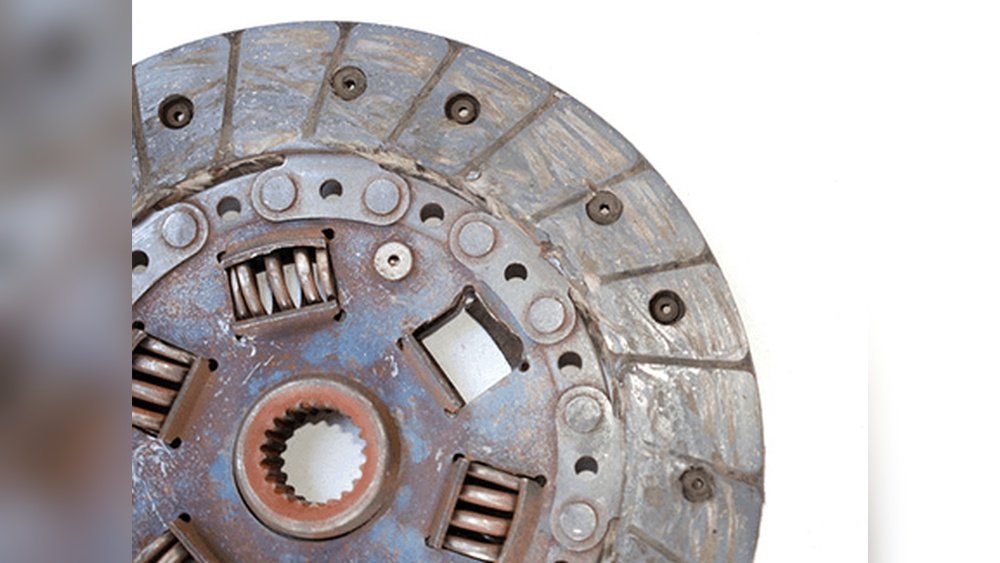
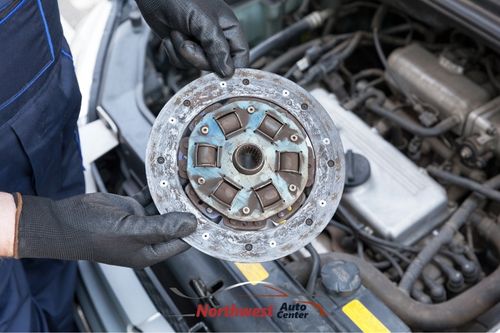
The clutch plate wears down over time due to friction. It slides against the flywheel to engage and disengage the engine. As it wears thin, it loses grip. This causes slipping and poor power transfer. Drivers may notice a burning smell or difficulty shifting gears.
Hydraulic System Issues
The clutch uses a hydraulic system to operate smoothly. Leaks or air in the hydraulic lines reduce pressure. This makes pressing the clutch pedal hard or ineffective. The clutch may not fully disengage, causing grinding or stuck gears. Regular checks prevent hydraulic failures.
Overheating And Wear
Excessive heat damages clutch parts. Riding the clutch or frequent stop-and-go traffic causes overheating. Heat softens the clutch material and causes warping. This leads to uneven wear and slipping. Overheating shortens the clutch’s lifespan significantly.
Immediate Effects Of Clutch Failure While Driving
Clutch failure while driving causes sudden and serious problems. It affects your car’s ability to work properly. The immediate effects can confuse and worry drivers. Understanding these effects helps you stay calm and act safely.
Loss Of Power Transmission
The clutch connects the engine to the wheels. When it fails, power cannot reach the wheels. Your car may lose speed or stop moving. The engine may rev, but the car won’t respond. This loss makes driving difficult or impossible.
Inability To Change Gears
The clutch allows smooth gear changes. Without it, shifting gears becomes very hard. You might hear grinding noises or feel resistance. The gear stick may get stuck or slip out. This problem limits control over the vehicle’s speed and performance.
Safety Risks On The Road
Clutch failure can cause unexpected stops or slowdowns. Other drivers may not expect your sudden changes. This raises the chance of accidents, especially on busy roads. Stalling on hills or intersections is dangerous. Staying alert and moving to safety is critical.
Credit: northwestautohouston.com
Steps To Take When Your Clutch Fails
A clutch failure can be scary while driving. Knowing the right steps helps keep you safe. Stay calm and focus on controlling your vehicle. React quickly but carefully to avoid accidents.
Acting fast can prevent damage to your car and keep you safe on the road.
How To Safely Stop Your Vehicle
Take your foot off the gas pedal immediately. Gently press the brake to slow down. Avoid sudden braking to prevent skidding. Steer your car to the side of the road. Turn on your hazard lights to warn other drivers.
Using Neutral And Engine Braking
Shift the gear into neutral to reduce strain on the clutch. Use engine braking by downshifting carefully if you can. This helps slow the car without using the clutch. Keep your hands steady on the wheel at all times.
When To Call For Help
Call for roadside assistance if the car won’t move. Do not try to force the clutch or gears. Stay inside the car if it is unsafe to exit. Ask for help from a professional mechanic or tow service.
Repair Options For A Faulty Clutch
A faulty clutch can cause serious driving problems. It stops the smooth transfer of power from the engine to the wheels. Fixing a clutch issue quickly keeps your car safe and reliable.
Several repair options exist, depending on the clutch problem’s cause and severity. Some repairs are simple, while others need more work. Understanding these options helps you choose the best fix.
Clutch Replacement
Clutch replacement is the most common fix for a worn-out clutch. Mechanics remove the old clutch disc, pressure plate, and sometimes the flywheel. Then they install new parts to restore proper function. This repair takes a few hours but makes your clutch feel like new again.
Hydraulic Repairs
Some clutch issues come from hydraulic system problems. The clutch uses a master cylinder and slave cylinder to engage and disengage smoothly. Leaks or air in the system cause poor clutch response. Fixing this may involve replacing cylinders or bleeding the system. Hydraulic repairs often cost less and take less time than a full clutch replacement.
Cost Estimates And Timeframe
Clutch repairs vary in price. Replacement usually costs between $500 and $1,200. Hydraulic repairs can range from $150 to $400. Labor time varies from 1 to 4 hours, depending on the repair. Prices depend on your car’s make and model. Quick repairs keep your car safe and save you money later.
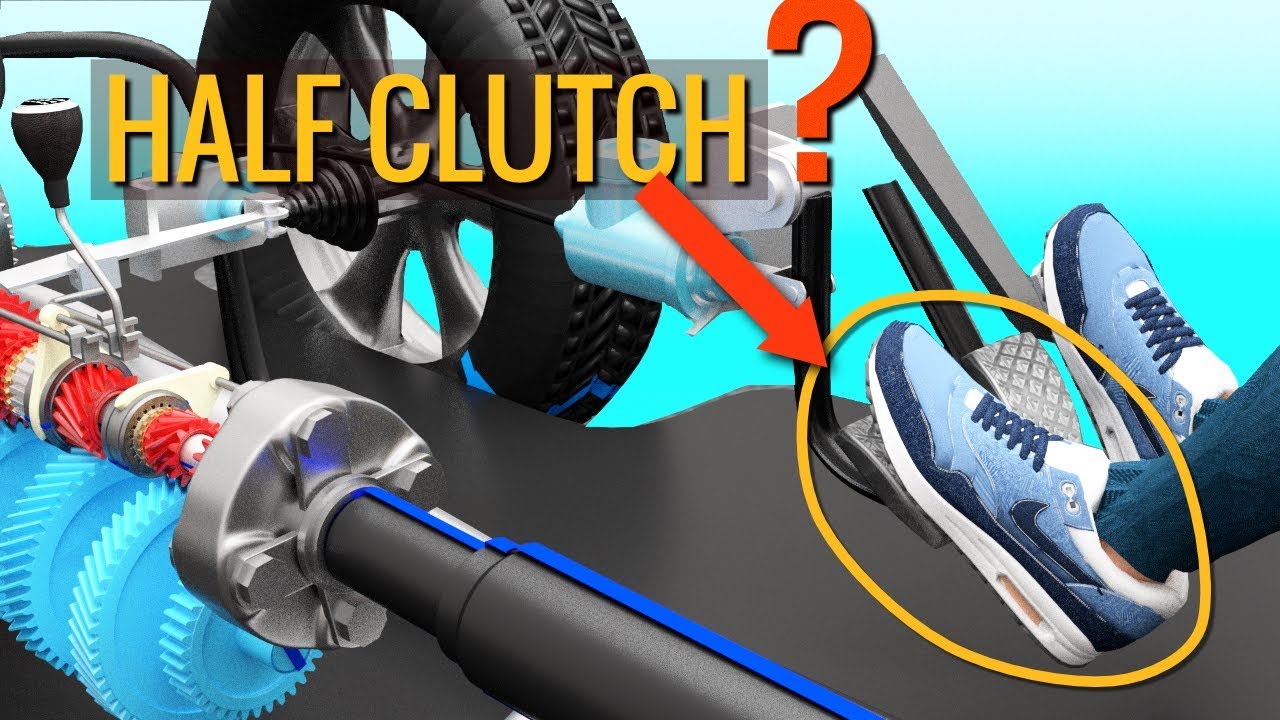
Credit: www.youtube.com
Preventing Clutch Problems
Preventing clutch problems is key to a smooth driving experience. A well-maintained clutch lasts longer and avoids costly repairs. Simple habits and regular checks help keep your clutch in good shape.
Driving gently and taking care of your vehicle reduces wear on the clutch. Staying alert to signs of clutch issues allows you to fix small problems early.
Proper Driving Techniques
Press the clutch pedal fully when changing gears. Avoid riding the clutch pedal by resting your foot on it. Use the handbrake on hills instead of holding the car with the clutch. Shift gears smoothly and avoid sudden movements. These habits reduce clutch wear and tear.
Regular Maintenance Tips
Check the clutch fluid level regularly if your car uses hydraulic clutches. Keep the transmission fluid clean and at the right level. Have a mechanic inspect the clutch system during routine service visits. Replace worn parts promptly to avoid further damage. Clean your vehicle’s undercarriage to prevent dirt buildup around the clutch.
When To Inspect Your Clutch
Notice if the clutch pedal feels soft or spongy. Listen for strange noises when pressing or releasing the clutch. Watch for slipping, where the engine revs rise but speed does not. Check for difficulty in shifting gears smoothly. Inspect the clutch if your car vibrates or jerks when starting.
Frequently Asked Questions
What Are The Signs Your Clutch Is About To Fail?
You may notice slipping, difficulty shifting gears, or strange noises. The clutch pedal might feel spongy or stiff. These signs mean the clutch needs attention soon.
Can You Keep Driving If The Clutch Goes Out?
Driving is very risky without a working clutch. You might lose control of gear changes. It is best to stop and get help immediately.
How Does A Clutch Failure Affect Your Car’s Performance?
A bad clutch causes gear slipping and poor acceleration. The engine might rev but the car won’t move well. It reduces your car’s overall control and safety.
What Causes A Clutch To Suddenly Fail While Driving?
Wear and tear, overheating, or hydraulic problems can cause failure. Sudden heavy use or riding the clutch pedal also harms it. Regular checks help prevent unexpected failures.
How Much Does It Cost To Fix A Clutch Replacement?
Clutch replacement can cost between $500 and $1500. Price depends on car model and labor rates. Early repairs can save money and avoid bigger damage.
Conclusion
A clutch failure can surprise any driver on the road. It causes trouble shifting gears and can stop your car from moving. Staying calm and pulling over safely is very important. Getting your vehicle checked by a mechanic helps avoid bigger problems.
Regular car maintenance can prevent clutch issues. Knowing what to do keeps you safe and your car working well. Driving with a bad clutch is risky and can cause more damage. Take care of your car to enjoy smooth, worry-free rides.