How Long Does It Take to Replace Front Wheel Bearings: Quick Guide
If you’ve noticed strange noises or a rough feeling when driving, your front wheel bearings might need replacing. But how long does it take to replace front wheel bearings?
You’re probably wondering if it will be a quick fix or a full-day project that sidelines your car. Understanding the time involved helps you plan better and avoid unexpected delays. You’ll find clear, straightforward answers to how long the job takes and what factors can speed it up or slow it down.
Keep reading to get the full picture so you know exactly what to expect for your vehicle.
Signs Of A Bad Wheel Bearing
A bad wheel bearing often makes a humming or grinding noise while driving. You might feel vibrations or uneven tire wear. Replacing front wheel bearings usually takes about 1 to 2 hours, depending on the vehicle and tools available.
Wheel bearings allow the wheels to spin smoothly. Over time, they wear out and cause problems. Noticing these signs early helps prevent bigger damage. This keeps driving safe and comfortable.
Noise Coming From The Wheel Area
A common sign is a humming or grinding noise near the wheels. The sound grows louder as the vehicle speeds up. It may change when turning the steering wheel. This noise means the bearing is worn out.
Vibrations Felt In The Steering Wheel
Vibrations or wobbling in the steering wheel can signal a bad wheel bearing. The feeling may increase with speed or on rough roads. It shows the bearing is loose or damaged and needs checking.
Uneven Tire Wear
Tires wearing unevenly can be linked to faulty bearings. Bad bearings affect wheel alignment and balance. This causes tires to wear faster on one side. Check bearings if you see unusual tire wear.
Wheel Play Or Looseness
Loose wheels or play in the wheel hub means bearing failure. You might feel this by shaking the wheel when the car is lifted. A good bearing holds the wheel tight and steady. Loose wheels need immediate attention.
Credit: www.hagerty.com
Tools Needed For Replacement
Replacing front wheel bearings needs specific tools. Having the right tools saves time and makes the job easier. You avoid damage to parts and ensure safety.
Below are the essential tools for front wheel bearing replacement. Each tool plays a key role in the process.
Socket Set And Ratchet
A socket set with a ratchet is necessary to remove bolts and nuts. Different sizes fit various fasteners on the wheel assembly. Choose a set with both metric and standard sizes.
Breaker Bar
A breaker bar helps loosen tight bolts that a ratchet cannot turn. It gives extra leverage and control. This tool is important for stubborn or rusted fasteners.
Torque Wrench
A torque wrench ensures bolts tighten to the correct specification. Over or under tightening can cause problems later. This tool helps maintain safety and proper function.
Pry Bar
A pry bar assists in removing the hub or bearing assembly. It provides leverage to separate parts without damage. Use it carefully to avoid bending or breaking components.
Hammer And Punch
A hammer and punch help in driving out old bearings. They apply controlled force to loosen stuck parts. Use a soft-faced hammer to prevent damage.
Bearing Puller Or Slide Hammer
A bearing puller or slide hammer removes bearings from the hub. These tools grip the bearing securely for easy extraction. They prevent damage to the hub during removal.
Grease And Grease Gun
Grease lubricates the new bearing for smooth operation. A grease gun applies grease in hard-to-reach areas. Proper lubrication extends the bearing’s life.
Step-by-step Replacement Process
The process of replacing front wheel bearings involves several clear steps. Each step requires care and the right tools. Following these steps helps ensure a safe and effective repair. Understanding the process also gives a better idea of the time needed for the job.
Removing The Wheel And Hub
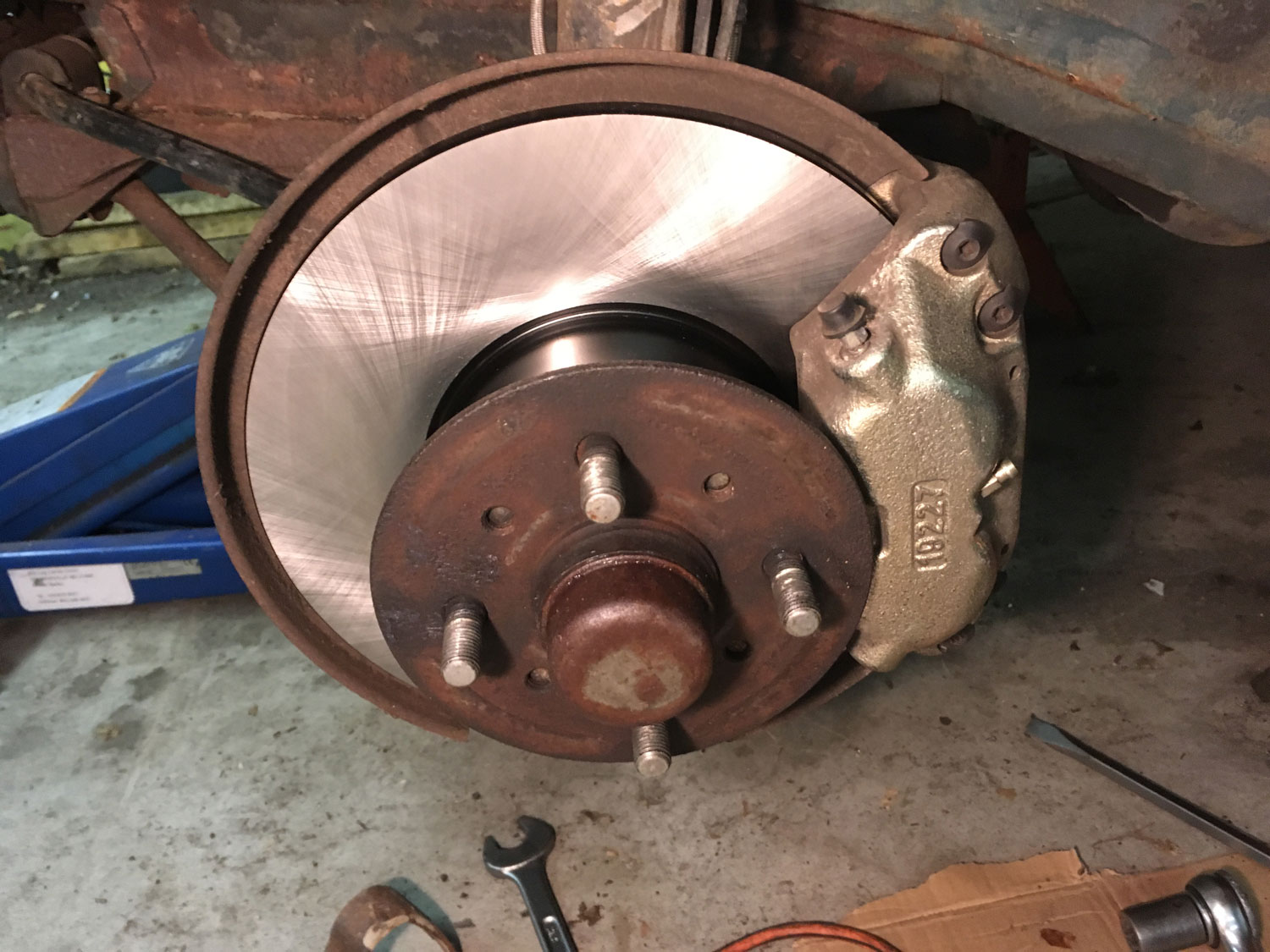
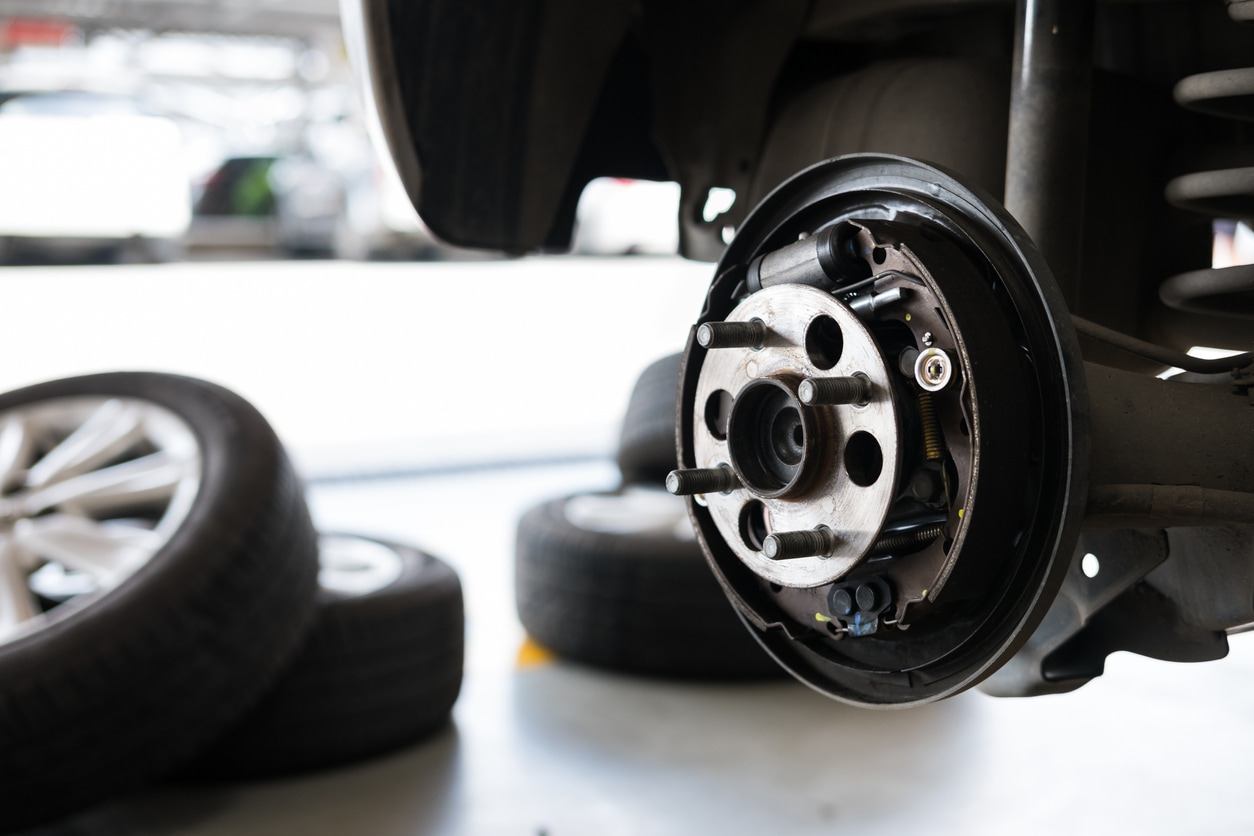
Start by loosening the lug nuts on the wheel. Then, lift the car using a jack and secure it with stands. Remove the wheel completely. Next, take off the brake caliper and rotor. This exposes the hub assembly. Remove any bolts holding the hub in place. Carefully pull the hub away from the steering knuckle.
Extracting The Old Bearing
Use a bearing puller or press to remove the old bearing. In some cases, you may need a hammer and punch to tap it out. Be gentle to avoid damaging the hub. Clean the hub and knuckle surfaces. This prepares the area for the new bearing. Check for any signs of damage or wear.
Installing The New Bearing
Align the new bearing with the hub. Use a bearing press or a soft mallet to fit it in place. Make sure it sits evenly and securely. Avoid hitting the bearing directly with hard tools. Apply grease if the bearing type requires it. Double-check the fit before moving on.
Reassembling The Components
Put the hub back onto the steering knuckle. Tighten all bolts to the correct torque. Reinstall the brake rotor and caliper. Mount the wheel and hand-tighten the lug nuts. Lower the car from the jack stands. Finally, fully tighten the lug nuts in a star pattern. This step completes the wheel bearing replacement.

Credit: www.youtube.com
Average Time Required
Replacing front wheel bearings is a common car repair. Knowing the average time helps plan your day better. The time needed depends on several factors, including the car model and tools used.
Typical Time Frame For Replacement
On average, replacing front wheel bearings takes between 1 to 3 hours. Most mechanics finish the job within this range. Some cars have easier access, reducing the time.
Older cars may take longer due to rust or wear. Newer cars might have more parts to remove first. The skill level of the mechanic also matters a lot.
Diy Vs Professional Replacement Time
DIY repairs usually take longer, about 3 to 5 hours. Professionals have the right tools and experience. They complete the job faster and with fewer mistakes.
Factors Affecting Replacement Time
Replacing front wheel bearings takes different amounts of time. Several factors affect how long the job will take. Knowing these helps you plan better for repairs. Each repair can vary based on the car and the mechanic’s skills.
Vehicle Make And Model
Different cars have different designs. Some have easy access to wheel bearings. Others need more parts to be removed first. Luxury and older cars often take longer to repair. The make and model directly affect the time required.
Experience Level
Mechanics with more experience work faster and cleaner. Beginners may take extra time to avoid mistakes. Experienced workers know the steps well and use shortcuts. Skill level can cut or add hours to the job.
Tools And Equipment
The right tools speed up the process. Special tools may be needed to remove bearings safely. Without proper equipment, the job takes longer and risks damage. Well-equipped garages finish repairs quicker and better.
Credit: www.autozone.com
Tips To Speed Up The Process
Replacing front wheel bearings can take time. Some steps slow down the process. Using smart tips helps finish the job faster. These tips save effort and reduce mistakes. Follow them to speed up your repair.
Prepare All Tools And Parts Before Starting
Gather every tool you need first. Keep parts ready and close by. Searching for tools wastes valuable time. Check your car manual for needed tools. Having all ready makes work smooth.
Lift The Vehicle Safely And Securely
Use a jack and stands to lift the car. Make sure the car is stable. A shaking car slows work and causes danger. Secure the vehicle before removing the wheel. Safety helps keep the work quick and safe.
Remove The Wheel And Brake Components Carefully
Take off the wheel bolts evenly. Remove the brake caliper and rotor gently. Avoid damaging parts that you will reuse. Keep bolts and parts organized to avoid confusion. Careful removal speeds up reassembly later.
Use A Bearing Puller For Easy Removal
A bearing puller removes old bearings fast. It prevents damage to the hub and axle. Avoid hammering or forcing the bearing out. Using the right tool saves time and effort. It also helps the next steps go well.
Clean And Inspect Parts Before Installing New Bearings
Clean the hub and surrounding area well. Check for rust or damage before installing new parts. Clean surfaces help bearings fit perfectly. Skipping cleaning causes poor fitting and delays. Inspecting early prevents rework.
Apply Proper Lubrication To New Bearings
Use the correct grease or oil on bearings. Proper lubrication reduces friction and wear. It helps bearings last longer and work smoothly. Applying lubrication carefully saves time fixing future problems.
Tighten Nuts And Bolts To Manufacturer’s Specs
Use a torque wrench for exact tightness. Over or under-tightening causes problems later. Following the specs ensures safety and performance. Correct tightening avoids having to redo the work.
Frequently Asked Questions
How Long Does It Take To Replace Front Wheel Bearings?
Replacing front wheel bearings usually takes between 1 to 2 hours. The exact time depends on your vehicle model and the mechanic’s experience.
What Factors Affect Front Wheel Bearing Replacement Time?
Time varies by vehicle type, bearing condition, and tool availability. Some cars need more steps, making the job longer.
Can I Drive With Bad Front Wheel Bearings During Replacement?
Driving with damaged bearings is unsafe and can cause more damage. It’s best to avoid driving until replacement is complete.
Is Front Wheel Bearing Replacement A Difficult Job?
The job requires special tools and knowledge but is doable for skilled mechanics. For beginners, it might take longer and need guidance.
How Much Does Front Wheel Bearing Replacement Usually Cost?
Costs vary by car and location, generally ranging from $150 to $400. Labor time and parts quality affect the final price.
Conclusion
Replacing front wheel bearings usually takes about one to two hours. The exact time depends on your car model and tools available. A skilled mechanic works faster and ensures safety. Doing it yourself might take longer if you lack experience.
Regular checks help spot worn bearings early. Don’t ignore strange noises or wheel wobble. Timely replacement keeps your car running smoothly and safely. Simple care saves time and money in the long run. Remember, safety comes first with any car repair.