
How Long Should I Drive My Car before Emissions Test: Essential Tips
Are you wondering how long you should drive your car before an emissions test? You’re not alone.
Many drivers aren’t sure if a quick trip to the testing center is enough or if there’s a better way to prepare your vehicle. The truth is, the time you spend driving before the test can make a big difference in your results.
You’ll discover exactly how long to drive and why it matters for passing your emissions test with ease. Keep reading to avoid common mistakes and save yourself time and money.
Ideal Driving Time Before Emissions Test
Preparing your car properly helps it pass the emissions test. One key factor is how long you drive before the test. The engine and exhaust system need to warm up fully. This helps reduce harmful emissions. Cold engines emit more pollutants.
Driving for the right amount of time ensures the catalytic converter works well. The converter cleans exhaust gases. It needs heat to function correctly. Without enough driving time, your car may fail the test.
How Long To Drive Before The Test
Experts suggest driving for at least 20 minutes. This is enough time for the engine to reach normal operating temperature. Avoid short trips or idling before the test. They do not warm up the engine enough.
Type Of Driving That Works Best
Steady driving on the highway is ideal. It keeps the engine running smoothly. Stop-and-go city driving may not warm the catalytic converter fully. Highway speeds help reduce emissions more effectively.
Signs Your Car Is Ready For Testing
The temperature gauge should be in the normal range. The exhaust should not smell strong or strange. The engine should run smoothly without hesitation or stalling. These signs mean your car is ready for the test.

Credit: www.landerscountry.com
Factors Affecting Emissions Test Results
Many factors affect emissions test results. Understanding these can help prepare your car for testing. The way you drive before the test matters a lot. The car’s condition and environment also play big roles.
Each factor influences how much pollution your car produces during the test. Knowing these can reduce the chance of failing. Let’s explore the key factors that impact emissions test results.
Engine Warm-up
A warm engine runs cleaner than a cold one. Cold engines produce more emissions due to incomplete fuel burn. Driving your car for 10 to 15 minutes helps reach the right temperature. This reduces harmful gases and improves test results.
Driving Style
Gentle driving lowers emissions. Avoid hard acceleration or heavy braking before the test. Smooth driving keeps the engine running efficiently. This helps reduce pollution and improves the chances of passing.
Fuel Quality
Using good-quality fuel reduces emissions. Poor fuel can cause incomplete combustion and more pollution. Fill up with fresh fuel from a trusted station before the test. This can make a big difference in results.
Car Maintenance
Well-maintained cars produce fewer emissions. Check the air filter, spark plugs, and oil before testing. Fix any engine problems that cause smoke or rough running. Regular maintenance ensures your car runs cleaner.
Environmental Conditions
Weather and air quality affect emissions. Cold or humid weather can increase pollution levels. Testing in mild weather usually gives better results. Try to schedule your test when conditions are favorable.
Preparing Your Car For The Test
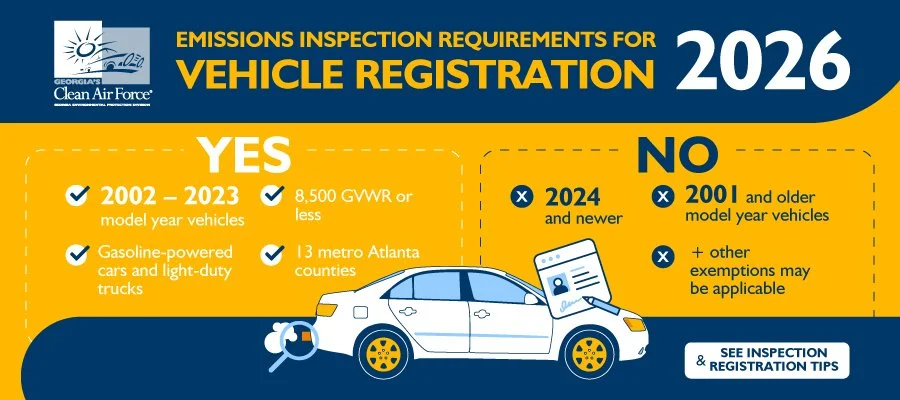
Preparing your car for an emissions test helps it pass smoothly. A well-prepared car runs cleaner and meets test standards. Simple steps can improve your car’s performance before the test day.
Check The Engine Light
The engine light should be off before the test. A glowing light means the car has a problem. Fixing issues early helps avoid test failure.
Drive Your Car For 20 Minutes
Drive the car for about 20 minutes before the test. This warms up the engine and cleans the exhaust system. A warm engine reduces emissions during the test.
Use The Correct Fuel
Fill the tank with the right fuel type for your car. Old or wrong fuel can increase harmful emissions. Fresh fuel supports better engine performance.
Check Tire Pressure
Proper tire pressure helps the engine run efficiently. Low tires make the engine work harder and pollute more. Inflate tires to the recommended level.
Inspect And Replace Air Filters
Dirty air filters reduce airflow and increase emissions. Clean or replace filters before the test. Clean filters help the engine breathe better.
Credit: cleanairforce.com
Importance Of Engine Warm-up
A warm engine runs cleaner and reduces emissions during tests. Driving for 10 to 15 minutes helps the car reach the right temperature. This ensures more accurate test results and better performance.
What Happens During Engine Warm-up?
Engine warm-up allows the car’s parts to reach the right temperature. Cold engines run less efficiently. Fuel does not burn completely at low temperatures. This causes higher emissions and poor engine performance.
As the engine warms, oil flows better. This reduces friction and wear inside the engine. The catalytic converter also heats up. It needs heat to clean the exhaust gases effectively.
How Warm-up Affects Emissions Test Results
A warm engine produces fewer harmful gases. Cold engines emit more carbon monoxide and unburned fuel. Testing a cold engine often leads to failing the emissions test.
Warm engines run smoothly and cleanly. This helps pass emissions tests. It reduces the chance of needing a retest. A proper warm-up gives more accurate readings.
Recommended Warm-up Time Before An Emissions Test
Drive your car for 10 to 15 minutes before the test. This time allows the engine and exhaust system to reach operating temperature. Avoid idling to warm up. Driving is more effective to heat the engine evenly.
Keep the speed steady and avoid quick stops. This helps maintain the engine’s warm state. A well-warmed engine lowers emissions and improves test success.
Common Mistakes To Avoid Before Testing
Preparing your car for an emissions test means avoiding common mistakes. These errors can cause your car to fail the test or give inaccurate results. Knowing what to avoid helps you pass the test the first time. This saves time, money, and stress.
Not Driving Enough Before The Test
Some drivers skip driving their car before the test. Cold engines emit more pollution. Driving warms the engine and cleans the system. Aim for at least 20 minutes of normal driving. Avoid short trips or idling before the test.
Ignoring The Check Engine Light
A lit check engine light means a problem. Testing with it on usually causes failure. Get the issue fixed first. Running a diagnostic test can find hidden problems. Clear the codes only after repairs and driving.
Using Old Or Low-quality Fuel
Old fuel can increase emissions. Low-quality fuel may cause poor engine performance. Fill up with fresh, high-quality gasoline before the test. This helps your engine run cleaner and smoother.
Skipping Routine Maintenance
Failing to change oil, air filters, or spark plugs hurts engine health. Dirty filters or old oil raise emissions. Keep up with regular maintenance. Well-maintained cars produce fewer pollutants and pass tests easier.
Testing Right After Starting The Car
Testing immediately after starting the engine gives poor results. The engine needs time to reach operating temperature. Drive around for a while before going to the test center. Warm engines burn fuel more efficiently.
Tips For Passing Emissions Tests Successfully
Passing an emissions test can feel tricky. Cars must meet strict rules to keep the air clean. Following simple tips helps your car pass without trouble. Proper preparation makes a big difference.
These tips focus on car care and driving habits. They help reduce pollution and improve your car’s performance. Read on to learn how to get ready for the test.
Check Your Engine Light
The engine light shows if your car has problems. A lit engine light often means the car will fail the test. Fix any issues before the test day. A quick visit to a mechanic can save time and money.
Drive Your Car For 20 Minutes
Drive your car for at least 20 minutes before the test. This warms up the engine and clears old fuel. Warm engines burn fuel better. The test will then measure more accurate emissions.
Use The Right Fuel
Use fresh, clean fuel for the test. Old or low-quality fuel can increase emissions. Filling up with the right gasoline helps your engine run smoothly. Avoid using fuel additives that are not recommended.
Keep Tires Properly Inflated
Check tire pressure before the test. Properly inflated tires improve engine efficiency. Low tire pressure makes the engine work harder. This can increase emissions and reduce gas mileage.
Turn Off Air Conditioning
Turn off the air conditioner during the test. Running the AC puts extra load on the engine. This increases the chance of higher emissions. Keep windows closed and AC off for better results.

Credit: www.lutherauto.com
Frequently Asked Questions
How Long Should I Drive My Car Before An Emissions Test?
Driving your car for about 15 to 30 minutes warms up the engine properly. This helps the emissions system work well and gives accurate test results.
Why Is Engine Warmth Important Before Emissions Testing?
A warm engine burns fuel better and reduces harmful gases. Cold engines can give false high emissions readings during the test.
Can Short Trips Affect My Emissions Test Results?
Yes, short trips don’t fully warm the engine or the emissions system. This can lead to higher emissions and possible test failure.
What Driving Conditions Improve Emissions Test Success?
Steady driving on the highway or main roads for 20 to 30 minutes is best. Avoid stop-and-go traffic before the test.
How Often Should I Check My Car Before An Emissions Test?
Check your car’s engine and emissions system regularly. Proper maintenance helps keep emissions low and improves test results.
Conclusion
Driving your car for about 15 to 30 minutes before the emissions test helps. This warms up the engine and clears out old fuel. A warm engine runs cleaner and passes tests easier. Avoid short trips right before the test.
Check your car’s fluids and tires too. A little preparation saves time and stress. Keep your car well maintained for best results. Testing your car under the right conditions matters a lot. This simple step can make a big difference.