When Putting a Battery in a Car Which Terminal First: Expert Guide
When you’re putting a battery in your car, knowing which terminal to connect first is more important than you might think. It’s not just about getting the job done—it’s about doing it safely and protecting your vehicle’s electrical system.
If you connect the wrong terminal first, you could risk sparks, damage, or even injury. You’ll learn the simple step-by-step process that will keep you safe and make the whole battery replacement quick and easy. Keep reading to find out exactly what you need to do before you start.

Credit: www.youtube.com
Choosing The Right Battery
Choosing the right battery for your car is important. The battery powers the engine and all electrical parts. Picking the correct battery keeps your car running smoothly. It also prevents damage to your vehicle’s electrical system.
Knowing the types of batteries and checking compatibility saves time and money. Let’s explore these key points to help you make the best choice.
Battery Types
Car batteries come in different types. The most common is the lead-acid battery. It is affordable and reliable. Another type is the AGM (Absorbent Glass Mat) battery. AGM batteries last longer and handle vibrations better.
There are also gel batteries, used in some special vehicles. Each type has its strengths and fits different needs. Choose a battery type that matches your car and driving style.
Checking Battery Compatibility
Check your car’s manual for the right battery size. Batteries come in various group sizes. The group size affects battery fit and terminal placement. Using the wrong size can cause connection problems.
Look at the battery’s cold cranking amps (CCA). This number shows how much power the battery gives to start the engine in cold weather. Pick a battery with a CCA that meets or exceeds your car’s needs.
Also, confirm the terminal type and location. Terminals can be on the top or sides. Correct terminal placement makes installation easier and safer.
Credit: www.simivalleychryslerdodgejeepram.com
Safety Precautions
Handling a car battery requires care to avoid accidents and injuries. Safety precautions protect you and your vehicle during installation. Follow these steps closely to stay safe and secure while working on your car battery.
Protective Gear
Always wear gloves to protect your hands from acid and dirt. Safety glasses shield your eyes from sparks and battery acid. Use old clothes or a long-sleeve shirt to protect your skin. Proper gear reduces the risk of burns and injuries.
Avoiding Sparks
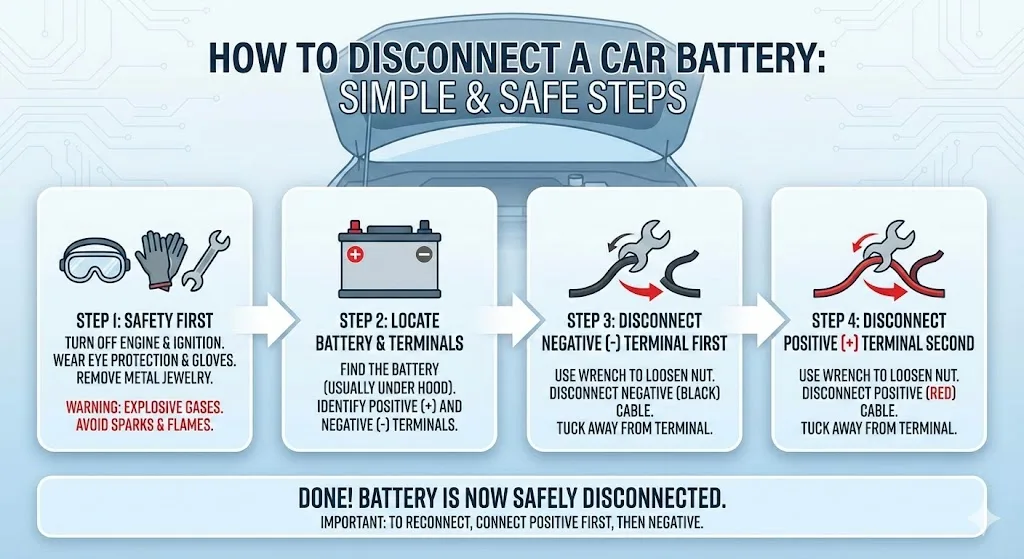
Connect the positive terminal first to reduce spark risks. Keep metal tools away from the battery terminals to prevent short circuits. Work in a well-ventilated area to avoid gas buildup. Sparks near the battery can cause fires or explosions.
Tools Needed
Putting a battery in a car needs the right tools. Having these tools ready makes the job safer and faster. Knowing which tools to use helps avoid damage to the battery and the car. Here is a list of tools you will need.
Essential Tools
- Wrench or socket set to loosen and tighten battery terminals
- Gloves to protect your hands from acid and dirt
- Safety glasses to protect your eyes from sparks or splashes
- Battery terminal cleaner or wire brush to clean the terminals
- Rag or cloth to wipe any dirt or corrosion
Optional Accessories
- Battery terminal protector spray to prevent corrosion
- Multimeter to check the battery voltage before installation
- Battery carrier strap for easy and safe lifting
- Memory saver to keep car settings during battery change
Identifying Battery Terminals
Knowing how to identify battery terminals is crucial for safe car maintenance. Car batteries have two terminals, and each serves a different role. Correctly recognizing these terminals prevents damage and ensures proper installation.
Positive Terminal
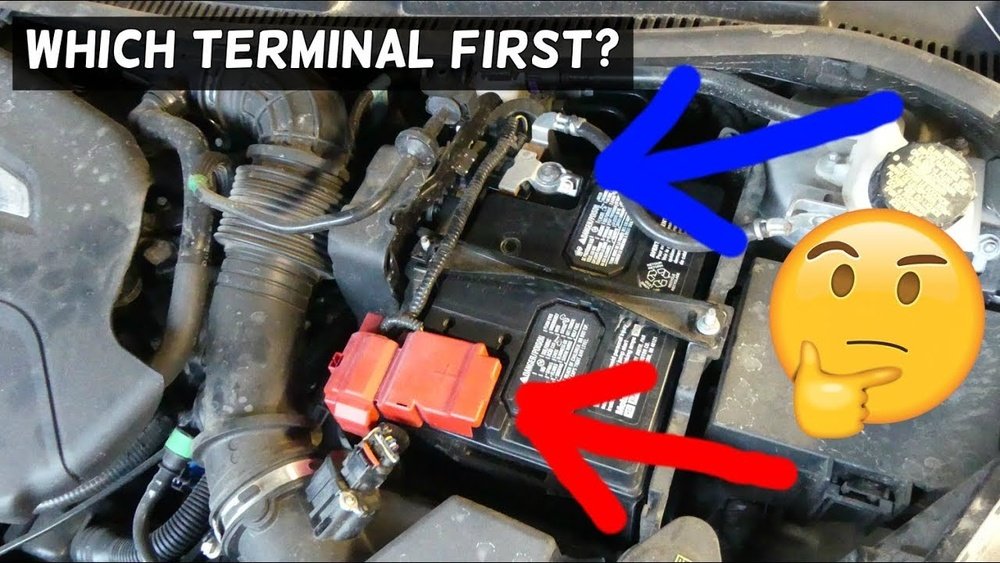
The positive terminal usually has a plus sign (+) near it. It often has a red cover or red cable attached. This terminal connects to the car’s electrical system to supply power. Handling the positive terminal with care is important to avoid sparks or short circuits.
Negative Terminal
The negative terminal is marked with a minus sign (−). It typically has a black cover or black cable. This terminal connects the battery to the car’s ground. Properly connecting the negative terminal helps complete the electrical circuit safely.
Connecting The Battery
Connecting a car battery requires care and attention. This step ensures your vehicle starts safely. A wrong connection can cause sparks or damage. Follow the right order to keep things safe and easy.
Which Terminal First
Always connect the positive terminal first. It is marked with a plus sign (+) and usually has a red cover. This step prevents short circuits. Next, attach the negative terminal. It has a minus sign (–) and is often black. Connecting in this order reduces the risk of electric shock or sparks.
Proper Connection Steps
Start by cleaning the battery terminals. Remove any dirt or corrosion with a wire brush. Place the positive cable clamp on the positive battery post. Tighten it firmly but do not over-tighten. Then attach the negative cable clamp to the negative battery post. Secure it well to ensure a good connection. Double-check both clamps are tight and stable. This helps the battery deliver power efficiently and safely.
Post-installation Checks
After installing a car battery, certain checks ensure it works well and lasts longer. These steps help avoid starting problems and keep your vehicle safe. Regular checks protect your investment and improve battery performance.
Testing The Battery
Start by testing the battery voltage with a multimeter. A healthy car battery shows about 12.6 volts when the engine is off. If the reading is lower, the battery may need charging or replacement.
Next, turn on the engine and watch the voltage. It should rise to around 13.7 to 14.7 volts. This indicates the alternator charges the battery correctly. If the voltage stays low, the charging system may have issues.
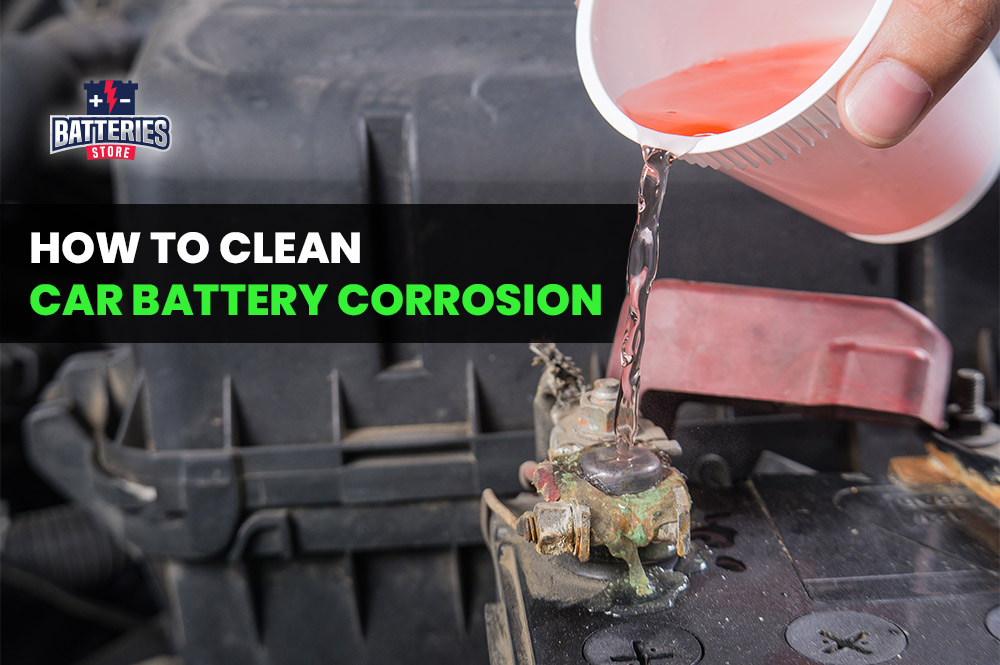
Check for loose or corroded terminals. Clean the terminals with a wire brush if needed. Tighten the terminal clamps to ensure a solid connection. Poor connections cause starting problems and electrical faults.
Maintenance Tips
Keep the battery clean and dry. Dirt and moisture cause corrosion and reduce battery life. Wipe the battery surface regularly with a damp cloth.
Check the battery water level if your battery is not sealed. Use distilled water only. Never overfill the battery cells.
Drive your car often to keep the battery charged. Short trips may not fully recharge the battery, causing it to weaken over time.
Store the car in a cool, dry place. Extreme heat or cold can harm the battery. Avoid leaving the battery unused for long periods.
Credit: batteriesstore.ca
Frequently Asked Questions
Which Battery Terminal Should Connect First In A Car?
Always connect the positive terminal first. This reduces the risk of short circuits while installing the battery.
Why Connect The Positive Terminal Before The Negative?
Connecting positive first prevents sparks near the car’s metal parts. It makes the installation safer for you and the vehicle.
What Happens If I Connect The Terminals In The Wrong Order?
Connecting negative first can cause sparks and damage the car’s electrical system. It also increases the risk of injury.
How To Safely Disconnect A Car Battery?
Always disconnect the negative terminal first. This stops electrical flow and reduces the chance of shocks or sparks.
Can Reversing Battery Terminals Harm My Car?
Yes, reversing terminals can damage the battery and electrical parts. It may cause costly repairs or battery failure.
Conclusion
Always connect the positive terminal first when installing a car battery. This step helps avoid sparks and keeps you safe. Next, attach the negative terminal to complete the setup. Remember, safety gloves and eye protection are smart to wear. Taking these simple steps protects your car and yourself.
Now, you know how to install a battery the right way. Keep this guide handy for future use. Safe driving starts with a properly installed battery.