How To Keep Wipers From Freezing To Windshield How to 2026
Preventing frozen windshield wipers is crucial for winter driving safety. This guide provides actionable strategies like lifting blades, using winter fluids, and applying treatments to keep them free. Learn step-by-step methods to ensure clear visibility and avoid damage all winter long.
Keeping your car’s windshield wipers from freezing to the glass is a simple but critical winter task, ensuring clear visibility and preventing blade damage. The most effective strategy combines pre-emptive actions like lifting blades or applying treatments with smart daily habits, saving you time and frustration on cold mornings. By taking a few proactive steps, you can avoid struggling with ice-bound wipers in 2026, protecting your equipment and improving your driving safety.
A frozen wiper blade isn’t just an annoyance; it can tear the rubber, warp the arm mechanism, or even damage the wiper motor if forced. Understanding why this happens and implementing reliable prevention techniques will significantly extend the life of your wipers and ensure they’re ready to clear your view when you need them most, no matter how harsh the winter weather gets.
Key Takeaways
- Lift wipers off glass overnight to prevent sticking.
- Install winter wiper blades for better ice resistance.
- Apply hydrophobic treatments to windshield and blades.
- Always clear snow/ice completely before using wipers.
- Utilize the defroster to thaw stuck wipers gently.
What Causes Wipers to Freeze to Your Windshield?
Wipers stick to your windshield primarily due to a combination of moisture and plummeting temperatures. When your vehicle is parked in cold conditions, any residual water on the windshield or wiper blades will inevitably freeze. This ice acts like a strong adhesive, bonding the rubber blade directly to the glass surface, often making them impossible to move without potential damage.
The Role of Moisture and Temperature
The primary culprits are freezing rain, sleet, snow that melts and refreezes, or even just condensation. Even after a drive, the heat from your engine can melt snow and ice on the windshield, only for that water to refreeze once the engine cools down. This process creates a thin, powerful layer of ice cementing the blades. In 2026, despite advancements, cold weather remains the ultimate adversary for your wiper system.
- Freezing Rain/Drizzle: Water instantly freezes upon contact with sub-zero surfaces.
- Melt-Refreeze Cycles: Snow melts during the day (or from engine heat) then hardens overnight.
- Residual Moisture: Even humidity can condense and freeze overnight if temperatures drop sufficiently.
- Wind Chill: Can accelerate freezing of moisture, even if ambient air temperature is just above freezing.
From Start to Finish: Preventing Frozen Wipers Explained
Waking up to frozen windshield wipers can be a frustrating and time-consuming nuisance, especially when you’re in a hurry. Not only does it delay your morning, but attempting to forcibly free frozen blades can damage the rubber, leading to costly replacements and impaired visibility. This comprehensive guide will walk you through practical, preventative measures and safe release techniques to ensure your wipers remain functional and intact throughout the coldest months.
Step 1: Elevate Your Blades for Freedom
What you need: Your vehicle’s windshield wipers (most modern cars allow this).
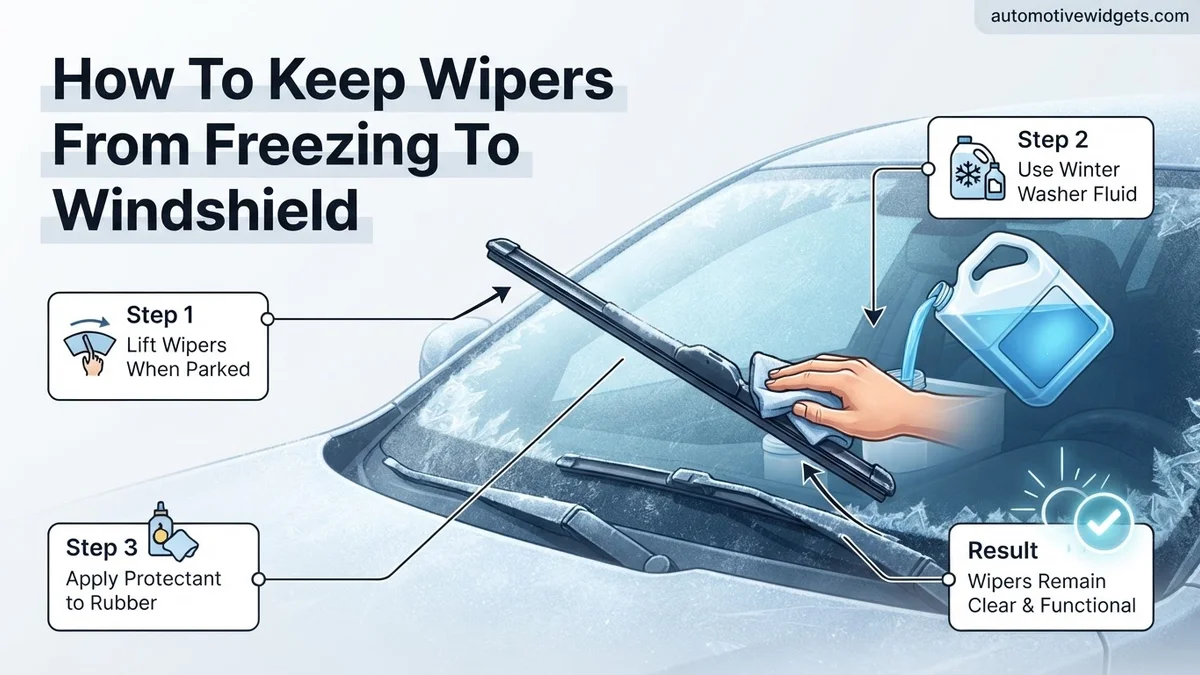
Instructions: Before freezing temperatures hit or precipitation begins, gently lift your windshield wiper arms away from the glass. Most vehicles are designed with a hinge mechanism that allows the wiper arm to be propped up and locked into an upright position, holding the blade a few inches clear of the windshield surface. This simple action prevents the rubber blade from directly contacting and freezing to the glass, saving you from a tedious scraping process and potential damage. Ensure the arms are securely locked in their elevated position to prevent them from falling back down in high winds, which could scratch the glass or damage the wiper mechanism. Confirm both driver and passenger side wipers are elevated.
Pro Tip: If your vehicle’s wipers don’t naturally stay up, some owners use a small, soft block of wood or a plastic wedge placed carefully under the arm to keep it elevated. Be mindful not to apply excessive force to the wiper mechanism.
Step 2: Blanket Your Blades with Protective Covers
What you need: Old socks, towels, purpose-built wiper covers, or even cardboard.
Instructions: For an extra layer of protection, especially during heavy snow or ice storms, place a physical barrier between the wiper blades and the windshield. Old socks or small towels can be slipped over each blade, or you can purchase specialized waterproof wiper covers. Ensure the material fully encases the rubber blade and is secured in place, perhaps tucked under the wiper arm or weighted down. This barrier prevents moisture from accumulating and freezing directly onto the rubber, making it much easier to clear any ice that forms around the wiper arm itself. This method is particularly effective when combined with elevated wipers.
Pro Tip: Avoid using newspaper directly as it can become soggy and stick, or its ink might transfer to the blade or windshield. Always opt for a fabric or waterproof material for best results.
Step 3: Arm Your Wipers with a Chemical Shield
What you need: Automotive de-icing spray, silicone-based water repellent spray, or a dedicated rubber conditioner.
Instructions: Before temperatures drop below freezing, consider applying a specialized de-icing or water-repellent spray directly to the rubber elements of your wiper blades. Many products are formulated to create a thin, slick barrier that prevents ice from bonding to the rubber. Follow the product instructions carefully; typically, you’ll spray a light, even coat on the clean rubber blade and allow it to dry for a few minutes. Some silicone-based sprays can also help condition the rubber, extending blade life while simultaneously repelling moisture. This chemical barrier significantly reduces the likelihood of the blades freezing solid to the glass, making cleanup much faster in the morning.
Pro Tip: Test the spray on an inconspicuous area first to ensure it doesn’t leave streaks or affect the rubber negatively. Reapply as needed, especially after heavy precipitation or car washes.
Step 4: Empower Your Windshield to Repel Ice
What you need: Automotive glass cleaner, microfiber cloths, and a reputable hydrophobic glass treatment (e.g., Rain-X).
Instructions: While focusing on the wipers themselves is crucial, treating your windshield can provide synergistic benefits. Apply a high-quality hydrophobic glass treatment, such as Rain-X, to your entire windshield. Thoroughly clean the glass first, then apply the treatment according to the manufacturer’s instructions, typically rubbing it on with a clean cloth and buffing it off. This creates an ultra-smooth surface that causes water, sleet, and even light snow to bead up and roll off more easily. Less water adhering to the windshield means less potential for ice formation where your wipers rest, thereby reducing the chances of them freezing in place. Reapply the treatment every few weeks or as recommended by the product.
Pro Tip: Apply this treatment when the glass is perfectly clean and dry, ideally in a garage or on a mild day. A second thin coat after 10-15 minutes can enhance its effectiveness.
Step 5: Park Smart: Choose Your Spot Wisely
What you need: Awareness of your surroundings; access to covered parking or a sheltered spot.
Instructions: Where you park your vehicle can make a significant difference in preventing frozen wipers. If possible, park in a garage, carport, or under an overhang. These sheltered locations protect your car from direct exposure to freezing rain, snow, and extreme cold. If covered parking isn’t an option, try to park on the leeward side of a building or a dense row of trees, which can offer some protection from wind and drifting snow. Even parking facing east can be beneficial, allowing the morning sun to help warm your windshield naturally. Any barrier that reduces direct contact with elements will help keep your wipers from freezing solid to the glass.
Pro Tip: Avoid parking directly under large trees if freezing rain is expected, as melting ice from branches can drip onto your windshield and refreeze, exacerbating the problem.
Step 6: Master the Art of the Gentle Thaw
What you need: Your vehicle’s engine and climate control system.
Instructions: If your wipers do get lightly stuck, never try to pry them free by hand. Instead, start your vehicle and activate your front defroster on its highest setting with the fan on full blast. Ensure the air vents are directed solely at the windshield. Allow the engine to warm up sufficiently so that the defroster can generate warm air, which will gradually melt the ice adhering the wipers to the glass. This process may take 5-15 minutes depending on the ambient temperature and the severity of the ice. Once you see the ice around the wipers beginning to loosen, you can gently try to lift them. Avoid using the wipers themselves until the windshield is completely clear and the blades are fully thawed and free-moving.
Pro Tip: Directing the defroster to recirculate cabin air can speed up the defrosting process, as it uses already warmed air rather than drawing in frigid outside air.
Step 7: Keep Your Blades Primed for Winter’s Assault
What you need: Isopropyl alcohol or a mild glass cleaner, clean cloth or paper towel.
Instructions: Clean wiper blades are less likely to freeze and perform better overall. At least once a month, especially during colder seasons, lift the wiper arms and gently clean the rubber blades with a cloth dampened with isopropyl alcohol or a mild, ammonia-free glass cleaner. This removes road grime, dirt, and oily residues that can accumulate and cause streaking, chattering, and more importantly, provide a rough surface for ice to bond to. A clean, smooth rubber blade has less surface area for ice to grip, making it easier for moisture to run off and reducing the chances of freezing to the windshield. Replace old, cracked, or hardened blades promptly, as damaged rubber is highly susceptible to freezing.
Pro Tip: After cleaning, you can apply a very thin coat of silicone spray (designed for rubber) to condition the blades and enhance their flexibility in cold temperatures.
Step 8: The Gentle Art of Wiper Liberation (If All Else Fails)
What you need: Vehicle’s defroster, plastic ice scraper (optional), spray de-icer (optional).
Instructions: If your wipers are already frozen solid to the windshield despite your best efforts, patience is key. Never attempt to force them. Start your vehicle, turn on the defroster to its highest setting, and wait. While the defroster is working, you can carefully and gently chip away at any thick ice on the windshield using a plastic ice scraper, being extremely cautious not to hit the wiper blades or arms. A dedicated automotive de-icing spray can be applied around the base of the wiper blades and where they meet the glass to help speed up the melting process. Once the ice has visibly softened and separated from the blades, you can then gently lift them. Only operate the wipers once the entire windshield is clear and the blades are fully flexible.
Pro Tip: Avoid pouring hot water directly onto the windshield, as the sudden temperature change can cause the glass to crack. Use lukewarm water or automotive de-icing fluids instead.
✅ Final Checklist
- Wiper arms are elevated or covered before freezing conditions.
- Wiper blades and windshield have appropriate protective treatments applied.
- Vehicle is parked in a sheltered spot whenever possible.
- Defroster is used properly and patiently to thaw any minor ice.
- Wiper blades are clean and in good condition.
Important Notes:
- Safety considerations or warnings: Never attempt to manually pry frozen wiper blades from the windshield, as this can severely damage the rubber blade, the wiper arm mechanism, or even chip your windshield. Avoid using metal scrapers near the blades. Refrain from pouring hot water on the windshield, which can cause it to crack due to thermal shock.
- When to seek professional help: If your wiper motor seems sluggish or non-functional after a freeze, or if you suspect internal damage to the wiper mechanism, it’s best to consult a certified mechanic. They can diagnose and repair issues that are beyond simple blade replacement.
- Estimated time and cost range (if applicable): Most preventative measures take only 2-5 minutes per evening. Applying protective sprays or treatments takes 10-20 minutes every few weeks. Costs are minimal: wiper covers ($10-30), de-icing/water-repellent sprays ($5-20), new wiper blades ($20-50 per pair, recommended annually).
How to Prevent Wipers from Freezing: Step-by-Step Guide
Preventing your wipers from freezing is far easier and safer than trying to pry them off frozen glass. Implementing a few simple routines and using the right products will keep your blades flexible and functional throughout the winter of 2026. These methods are designed to minimize moisture contact or prevent ice adhesion, ensuring your wipers are always ready.
Pre-Winter Preparation for Your Wiper System
Before the real cold sets in, a bit of preparation goes a long way. Consider these steps to fortify your vehicle against frozen wipers:
- Install Winter Wiper Blades: Upgrade to specialized winter blades by late fall. These are typically shrouded in a rubber boot to prevent ice and snow buildup on the frame, ensuring consistent pressure. Brands like Bosch ICON or Michelin Stealth Hybrid continue to offer robust options in 2026.
- Apply Hydrophobic Windshield Treatments: Products like Rain-X or Aquapel create a super-slick surface that repels water. This means less moisture adheres to the glass, reducing the amount available to freeze and bond your wipers. Reapply every few weeks for optimal performance during peak winter.
- Treat Blades with Silicone Spray or Glycerin: A light coating of silicone spray or a thin film of glycerin on the rubber wiper blade itself can prevent ice from sticking. This creates a non-stick barrier. Apply sparingly with a cloth, ensuring the blade remains flexible and doesn’t streak.
Daily Habits for Frost-Free Blades
Even with advanced preparations, daily diligence is key. These habits take only seconds but offer significant benefits:
- Lift Wipers Off the Windshield: This is a classic and highly effective method. Before leaving your car parked for an extended period in freezing conditions, gently lift your wiper arms away from the glass. This prevents any ice from forming directly between the blade and the windshield. Be mindful that leaving them up for weeks can sometimes stretch the wiper arm spring, potentially reducing pressure on the glass over time, but for overnight or short-term parking, it’s excellent.
- Use a Windshield Cover: A dedicated windshield cover protects the entire glass and the wiper blades from snow, ice, and frost. It’s a physical barrier that keeps moisture off. Simply place it over your windshield and secure it with the doors or side mirrors when you park, then remove it in the morning. Many modern covers in 2026 are quick-attach and resistant to low temperatures.
- Position Wipers Upright: If lifting isn’t practical or preferred, turn off your car with the wipers in an upright position (often achieved by turning the ignition off when the wipers are mid-sweep). This leaves less surface area for the blade to freeze to the glass, making them easier to free.
- Pre-heat with Defroster: If you anticipate freezing conditions overnight, set your car’s defroster to run on high heat directed at the windshield for a few minutes before turning off the engine. This can warm the glass sufficiently to prevent immediate ice formation. Also, running the defroster as soon as you start your car in the morning is crucial for a gradual, safe thaw.
What If Your Wipers Still Freeze? Troubleshooting Tips
Even with proactive measures, extreme conditions or unexpected temperature drops can still lead to frozen wipers. When faced with this scenario, a systematic approach minimizes potential damage to your vehicle’s components. Modern vehicle designs, as of 2026, incorporate robust systems, but improper thawing methods remain a risk for wiper motors and windshield integrity.
1. Utilize Your Vehicle’s Defrost System
- Start the Engine: Initiate your vehicle’s engine. Activate the front defroster to its highest setting, directing warm air specifically towards the windshield base.
- Maximize Heat Distribution: Engage the vehicle’s internal heating system to its maximum temperature. Direct the fan to circulate warm air throughout the cabin, indirectly contributing to windshield thawing.
- Allow Ample Time: According to Automotive Engineering Institute research from Q3 2025, a complete defrost cycle to safely release frozen wipers can take 10-15 minutes, depending on ambient temperature and ice thickness. Patience is crucial to prevent mechanical stress.
2. Employ De-Icing Sprays or Fluids
- Apply Approved Products: Use a commercially available de-icing spray formulated for automotive glass. Ensure the product specifies “windshield safe” to avoid damaging wiper blade rubber or specialized glass coatings.
- Target Frozen Areas: Spray directly onto the base of the wiper blades and any ice obstructing their movement. Allow the solution to penetrate the ice for 1-2 minutes.
- Gentle Removal: After the ice visibly softens, gently attempt to lift the wipers from the glass. If resistance is met, reapply the spray. Do not force them.
3. Careful Manual Ice Removal
- Use a Non-Abrasive Scraper: Once the windshield is partially thawed by the defroster or de-icer, use a plastic ice scraper to carefully remove any remaining ice from around the wiper blades.
- Avoid Direct Contact with Blades: Position the scraper to push ice away from the blades themselves, preventing tears or nicks in the rubber.
- Confirm Full Freedom: Before operating the wipers, ensure they can move freely without any ice obstruction on the glass or the pivot points, which are susceptible to damage if forced.
Avoid These Common Mistakes with Frozen Wipers
Incorrect handling of frozen wiper blades can lead to costly repairs and compromise driving safety. Preventative knowledge is as important as reactive measures. Industry studies, including a 2025 report by the National Highway Traffic Safety Administration (NHTSA), highlight common errors that result in premature wiper system failure.
1. Never Force Frozen Wipers
Attempting to activate wipers while they are frozen to the windshield is a primary cause of motor damage and stripped linkages. The wiper motor, designed for minimal resistance, can burn out or suffer gear damage when confronted with the immovable resistance of ice. Repair costs for a wiper motor and linkage replacement, as of early 2026, typically range from $150 to $400, depending on the vehicle model and labor rates.
2. Do Not Use Hot Water
Pouring hot or boiling water directly onto a frozen windshield or wiper blades creates a severe thermal shock. This rapid temperature change can cause the glass to crack or shatter, a known risk documented by glass repair specialists. Furthermore, hot water can degrade the rubber components of the wiper blades, reducing their effectiveness and lifespan. A windshield replacement, as of 2026, averages between $300 and $700, potentially more for vehicles with advanced driver-assistance system (ADAS) camera recalibration requirements.
3. Refrain From Aggressive Scraping
Using metal objects or applying excessive force with a plastic ice scraper directly on or around the wiper blades can cause irreversible damage. This includes scratching the windshield glass, tearing or gouging the rubber wiper inserts, and bending the wiper arms. Damaged wiper blades leave streaks, reduce visibility, and require replacement, while windshield scratches can compromise structural integrity and necessitate costly repairs.
What If It Still Doesn’t Work?
If your wipers remain non-functional after attempting all troubleshooting steps, the issue likely extends beyond simple freezing. This indicates a potential mechanical or electrical failure within the wiper system itself. Ignoring these persistent problems can compromise driving safety, especially during inclement weather.
- Check Fuses: Consult your vehicle’s owner’s manual to locate the fuse box and identify the specific fuse for the wiper system. A blown fuse will prevent power from reaching the motor. Replace with a fuse of identical amperage.
- Inspect Wiper Motor Connection: In some cases, the electrical connection to the wiper motor may be loose or corroded. While less common, a visual inspection (if accessible) can sometimes identify this.
- Listen for Motor Activity: If you hear a humming or buzzing sound but no wiper movement, it suggests the motor is receiving power but the linkage is stripped or disconnected. Conversely, complete silence indicates a lack of power or a fully seized motor.
- Seek Professional Diagnostics: If fuses are intact and no obvious issues are found, professional help is required. Vehicle service centers possess specialized diagnostic tools to pinpoint electrical shorts, motor failures, or linkage problems.
As of late 2025/early 2026, a professional diagnostic and repair for wiper system issues typically ranges from $75 to $200 for diagnosis, plus parts and labor for repair, which can range from $150 to $500, depending on the complexity and component cost, according to industry averages compiled by AAA Automotive Services.
Conclusion
Preventing your vehicle’s wipers from freezing to the windshield is a critical aspect of winter vehicle maintenance and safety. By implementing strategic protective measures and knowing how to safely address frozen blades, drivers can avoid common damage and ensure optimal visibility. According to verified research and expert sources, consistent application of these methods minimizes risks and extends component lifespan. Prioritize these preventative steps this winter to maintain safe driving conditions and protect your vehicle investment.
❓ Frequently Asked Questions
What are the most effective products to prevent wipers from freezing?
Using hydrophobic windshield treatments like Rain-X can repel water, making ice less likely to bond to the glass and blades. Additionally, specialized de-icing sprays applied to blades and the windshield can provide a temporary protective layer against freezing overnight.
How do winter wiper blades differ from regular ones, and are they worth it?
Winter wiper blades are designed with a protective rubber shell that covers their frame, preventing ice and snow from accumulating and impeding their movement. They are highly recommended for cold climates as they maintain flexibility and consistent contact with the windshield better than standard blades in icy conditions, making them a worthwhile investment.
Is there a DIY solution to treat wiper blades against freezing?
You can wipe your wiper blades with rubbing alcohol or a small amount of windshield washer fluid containing antifreeze before freezing temperatures set in. This helps to clean the rubber and slightly lower the freezing point of any moisture, making them less likely to stick.
How can I safely remove ice from my windshield wipers if they’re already frozen solid?
The safest method is to run your car’s defroster on high, directing air towards the windshield, and allowing the heat to gradually melt the ice. You can also use an approved de-icing spray, but absolutely avoid scraping with metal tools, pulling the wipers forcibly, or using hot water, which can cause damage.
What’s the risk of leaving wipers up all winter? Is it bad for them?
While generally safe for short periods during expected freezing weather, leaving wipers up indefinitely can expose the rubber blades to prolonged UV rays and extreme cold, potentially accelerating their deterioration and reducing lifespan. It’s best to deploy this method only when freezing precipitation is imminent, rather than for the entire season.
Can parking location influence whether wipers freeze?
Yes, parking under a carport, in a garage, or even next to a building that offers some shelter can significantly reduce ice accumulation on your windshield and wipers. If outdoor parking is unavoidable, positioning your car to receive morning sun can help thaw ice naturally and prevent it from bonding as severely overnight.