How to Tell Which Tpms Sensor is Bad Without Scanner: Easy Guide
Have you ever noticed your tire pressure warning light flickering on, but you don’t have a scanner to check which TPMS sensor is causing the problem? It can be frustrating and confusing when you don’t know exactly which sensor is bad.
But don’t worry—you don’t always need expensive tools to find out. You’ll learn simple and effective ways to tell which TPMS sensor is faulty without using a scanner. Keep reading, because knowing this can save you time, money, and a lot of hassle on the road.
Credit: artsautomotive.com
What Is A Tpms Sensor
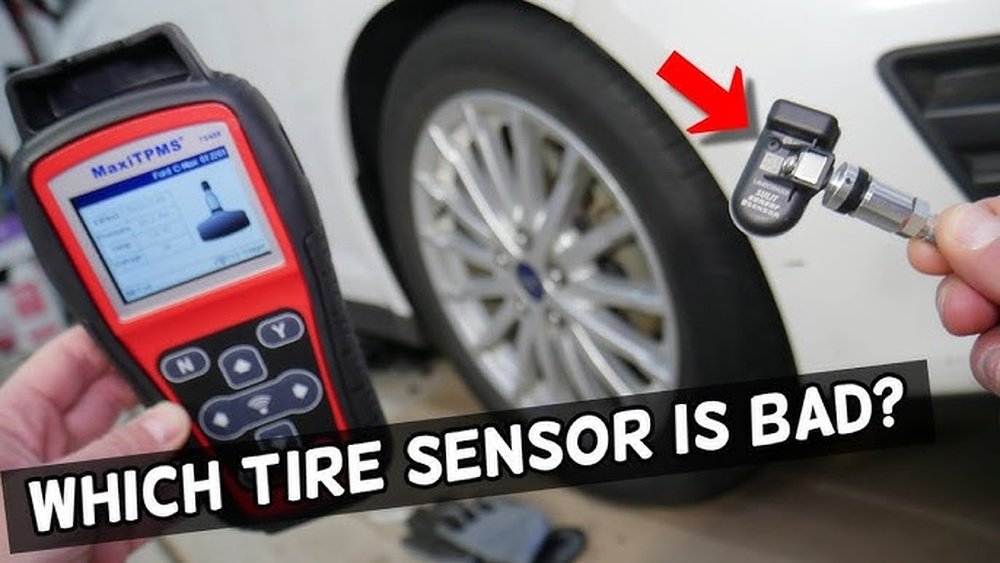
A TPMS sensor is a small device inside your car’s tire. It checks the air pressure and sends data to your vehicle’s computer. This helps keep your tires at the right pressure for safe driving. Proper tire pressure improves fuel efficiency and tire life.
Each tire has its own TPMS sensor. The sensor monitors pressure constantly. It alerts you if a tire loses air or becomes too low. This alert usually appears as a light on your dashboard.
How Does A Tpms Sensor Work?
The sensor measures air pressure inside the tire. It sends this information wirelessly to the car’s computer. This happens many times per minute. The system compares the pressure to a safe range.
If the pressure drops below the limit, the sensor triggers a warning. This helps prevent accidents caused by underinflated tires. It also protects the tire from damage.
Types Of Tpms Sensors
There are two main types of TPMS sensors: direct and indirect. Direct sensors measure air pressure inside each tire. Indirect sensors estimate pressure by monitoring wheel speed.
Direct sensors are more accurate. They use a small battery and pressure gauge. Indirect sensors rely on the car’s ABS system to detect pressure loss.
Why Tpms Sensors Are Important
TPMS sensors help keep you safe on the road. Low tire pressure can cause poor handling and tire failure. The sensor alerts let you fix issues early. This saves money and avoids dangerous driving conditions.

Credit: www.reddit.com
Common Signs Of A Bad Tpms Sensor
Common signs show a TPMS sensor might be failing. These sensors watch your tire pressure. A bad sensor can cause safety risks and reduce fuel efficiency. Knowing the signs helps you spot problems early. No scanner needed.
Warning Light Stays On
The tire pressure warning light stays on even after inflating tires. This often means one sensor is not working. The light may blink or stay steady. It alerts you to check the system soon.
Incorrect Tire Pressure Readings
The dashboard shows wrong tire pressure numbers. Sometimes the pressure reads too low or too high. Sensors send false data when faulty. This can confuse you about your tire condition.
Intermittent Warning Light
The warning light turns on and off randomly. This can mean a sensor has a weak battery or poor connection. It may work sometimes and fail at others. This inconsistency signals a sensor issue.
Unusual Tire Pressure Changes
You notice tire pressure drops or rises quickly without cause. A bad sensor might send false alerts about leaks. This can make you check tires too often or ignore real problems.
Slow Response To Tire Pressure Changes
The warning light delays turning on after pressure drops. Good sensors react quickly. A slow response means the sensor may be damaged or failing.
Manual Methods To Identify A Faulty Tpms Sensor
Manual methods help identify a bad TPMS sensor without a scanner. These techniques rely on simple checks and observations. They are useful when you lack special tools or want a quick diagnosis. Understanding these steps can save time and prevent unnecessary repairs.
Check Tire Pressure Manually
Use a tire pressure gauge to measure each tire’s pressure. Compare the readings with the recommended pressure in your vehicle manual. A significantly low or inconsistent pressure might indicate a faulty TPMS sensor. Check all tires to spot which sensor might be failing.
Listen For Sensor Signals
Some TPMS sensors emit a faint sound or beep when active. Stand close to each tire and listen carefully for any signals. A missing or irregular sound from one tire could mean that sensor is bad. This method works best in a quiet environment.
Inspect Sensor Battery Life
TPMS sensors run on small batteries that wear out over time. A dead battery can cause the sensor to stop working. If the sensor age is over 5 years, battery failure is likely. Replacing the sensor or battery may restore proper function.
Using A Tire Pressure Gauge Effectively
A tire pressure gauge helps check each tire’s air level quickly. Comparing readings can show which TPMS sensor might be faulty. This method works without needing a scanner device.
Choosing The Right Tire Pressure Gauge
Select a tire pressure gauge that is accurate and easy to read.
Digital gauges offer clear readings and quick results.
Analog gauges are reliable but might be harder to read.
Keep the gauge clean and free from damage for best use.
Checking Tire Pressure Correctly
Check tire pressure when tires are cold for accurate readings.
Remove the valve cap and press the gauge firmly on the valve.
Hold the gauge in place until the reading stabilizes.
Note the pressure and compare it to the vehicle’s recommended level.
Identifying The Bad Tpms Sensor
Check each tire pressure carefully and write down the numbers.
A bad TPMS sensor often shows no reading or a very low number.
Look for pressure that does not match other tires or the recommended level.
Repeat the check to confirm any unusual readings before deciding.
Resetting The Tpms System Without A Scanner
A tire pressure sensor may cause warning lights if it is faulty. Checking each tire’s pressure can help find the bad sensor without a scanner. Watching for uneven pressure drops points to the problem tire.
What Does Resetting The Tpms System Mean?
Resetting the TPMS system clears any stored error codes. It helps the car recognize the current tire pressure. This process can turn off the warning light on the dashboard. You can reset the system without a scanner in many cars. This saves time and money.
Steps To Reset Tpms Without A Scanner
Start by checking all tires. Inflate them to the recommended pressure. Let the car sit for about 10 minutes. Turn the ignition to the ON position without starting the engine. Press and hold the TPMS reset button until the light blinks three times. Drive the car at 25 mph for 10 minutes. The system will relearn the tire pressures.
When To Use The Manual Reset Method
Use this method after inflating or changing tires. It works if the sensor is not damaged. This reset can fix false alerts. It is useful when the light stays on after fixing pressure. This approach works best for many car models.
Limitations Of Resetting Tpms Without A Scanner
This reset does not fix broken sensors. It cannot identify which sensor is faulty. It only clears the warning light temporarily. Sensors still need replacement if they are dead. A scanner is better for detailed diagnostics.

Credit: www.youtube.com
When To Replace Or Repair Tpms Sensors
Knowing when to replace or repair TPMS sensors helps keep your car safe. These sensors track tire pressure. They send alerts if pressure drops too low. Over time, sensors can fail or become inaccurate. This affects their ability to protect your tires and vehicle.
Damage, battery life, and sensor type affect sensor health. Recognizing sensor problems early saves money and prevents accidents. Some signs indicate sensor repair is enough. Others mean replacement is necessary.
Signs Your Tpms Sensor Needs Repair
Sensor issues can cause warning lights to blink or stay on. Sometimes sensors lose signal but still work. Corrosion or dirt may block sensor signals. Repairing or cleaning the sensor may fix these problems. Sensor battery might be low but still functional.
When To Replace Tpms Sensors
Sensor batteries usually last 5-10 years. Dead batteries need full sensor replacement. Physical damage from road debris or tire changes also requires replacement. Faulty sensors that cause false alerts or no alerts must be replaced. Old sensors may not work with new car systems.
How To Decide Between Repair And Replacement
Check sensor battery age and damage. Clean sensor first to rule out dirt issues. If warning light stays on after cleaning, replacement is best. Repair may cost less but is temporary. Replacement ensures long-term accuracy and safety.
Frequently Asked Questions
How Can I Identify A Bad Tpms Sensor Without A Scanner?
Look for warning lights on your dashboard that stay on. Check for uneven tire pressure or frequent pressure loss.
What Are Common Signs Of A Faulty Tpms Sensor?
Warning lights, inconsistent tire pressure readings, and sudden tire deflation suggest a bad sensor.
Can I Test Tpms Sensors Manually At Home?
Yes, by checking tire pressure regularly and watching for warning lights, you can spot sensor issues.
Why Does My Tpms Light Stay On Without A Scanner?
A sensor might be dead, disconnected, or the battery could be low, causing the light to stay on.
How Often Should Tpms Sensors Be Checked Or Replaced?
Sensors usually last 5 to 10 years; check them if warning lights persist or tires lose pressure often.
Conclusion
Checking your TPMS sensor without a scanner is possible. Watch for warning lights on the dashboard. Listen for unusual tire noises or feel for air loss. Compare tire pressures regularly with a manual gauge. Swap tires to find which sensor triggers the alert.
These steps help you spot a faulty sensor fast. Keep your car safe and avoid costly repairs. Simple checks save time and money. Stay alert to your tires’ health every day.