How to Test Transmission Speed Sensor With Multimeter: Easy Steps
Are you having trouble with your vehicle’s transmission and wondering if the transmission speed sensor is the culprit? Knowing how to test the transmission speed sensor with a multimeter can save you time and money by pinpointing the problem yourself.
In this guide, you’ll learn simple, step-by-step instructions to check your sensor’s condition without any guesswork. By the end, you’ll feel confident in diagnosing this key component and deciding if it needs a replacement. Keep reading to take control of your car’s performance and avoid costly repairs.
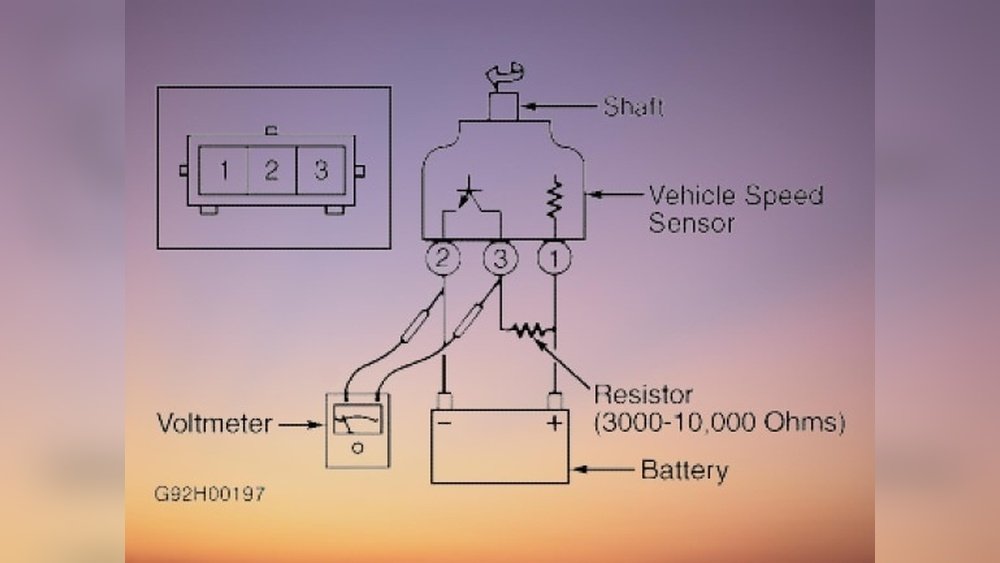
Credit: www.thedrive.com

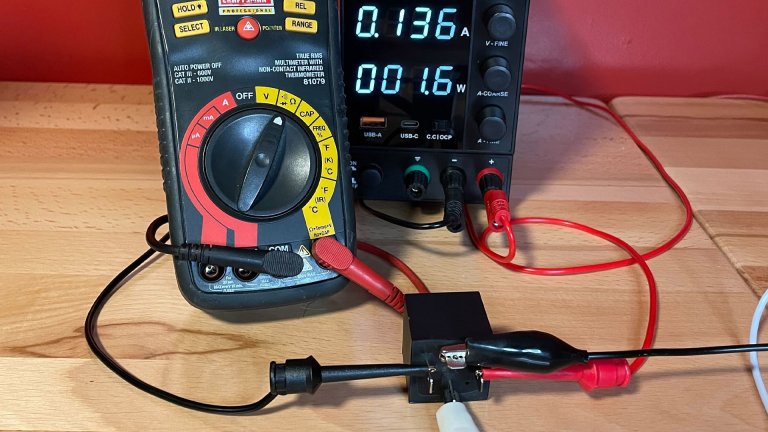
Credit: www.youtube.com
Frequently Asked Questions
What Is A Transmission Speed Sensor?
A transmission speed sensor measures the speed of your vehicle’s transmission. It helps the car’s computer control shifting and performance. A faulty sensor can cause shifting problems.
How Do I Test A Transmission Speed Sensor With A Multimeter?
Set your multimeter to measure resistance or voltage. Connect the probes to the sensor terminals. Check the reading against the sensor’s specifications.
What Symptoms Show A Bad Transmission Speed Sensor?
Symptoms include rough shifting, delayed gear changes, or a check engine light. You may also notice slipping or poor acceleration. These signs suggest sensor issues.
Can A Multimeter Detect A Faulty Transmission Speed Sensor?
Yes, a multimeter can check the sensor’s electrical resistance or output voltage. This helps identify if the sensor is working or damaged. It is a simple testing tool.
How Often Should I Test My Transmission Speed Sensor?
Test the sensor if you notice shifting problems or warning lights. Regular checks are not usually needed unless there is a problem. Testing saves costly repairs later.
Conclusion
Testing a transmission speed sensor with a multimeter is simple and useful. It helps find issues early and keeps your vehicle running well. Follow the steps carefully and check the readings twice. This way, you can spot sensor problems fast and avoid costly repairs.
Regular checks save time and money in the long run. Stay safe, work slowly, and trust your tools. Testing sensors yourself gives confidence and control over vehicle care. Try it next time you suspect a transmission problem.