
What Does White Smoke Coming Out of Exhaust Mean in 2026
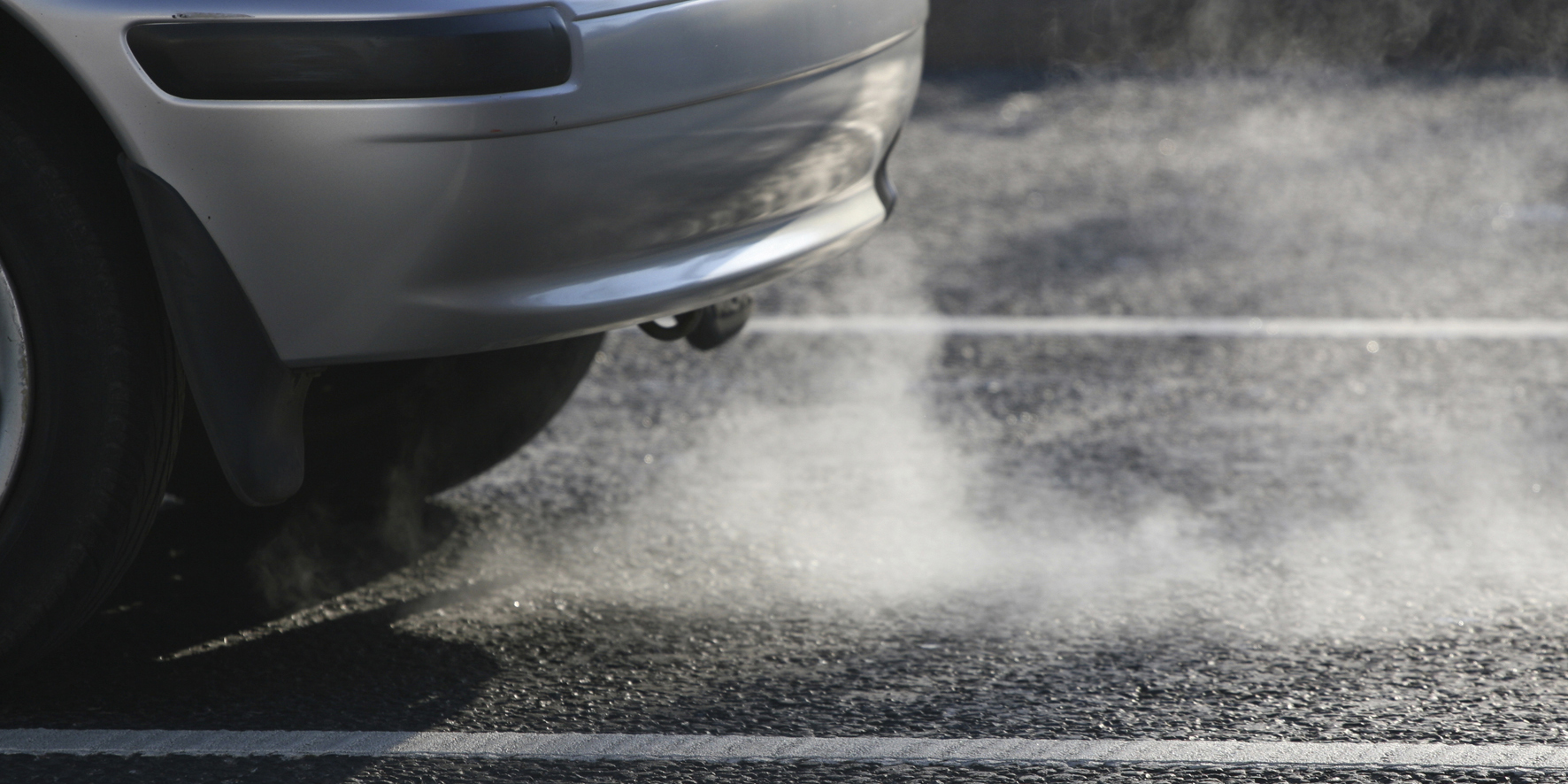
Thick white smoke coming from your exhaust usually indicates that your engine is burning coolant due to a serious internal leak. While thin vapor on a cold morning is normal, dense or sweet-smelling smoke points to a blown head gasket or cracked engine block that requires immediate attention.
When you see thick white smoke billowing from your tailpipe, it usually means your engine is burning coolant instead of fuel. Unlike normal exhaust vapor that quickly disappears on a cold morning, heavy white smoke lingers in the air, smells sweet, and signals a serious internal engine problem that requires immediate attention.
Ignoring this symptom in 2026 can lead to complete engine failure, warped cylinder heads, or severe overheating. Whether you drive a traditional gasoline sedan or a modern hybrid, identifying the exact source of that white plume dictates your next steps on the road.
Key Takeaways
- Thick white smoke indicates coolant burning inside the engine combustion chambers.
- Thin vapor on cold starts is normal harmless condensation.
- A blown head gasket is the most frequent culprit for dense smoke.
- Check your coolant reservoir and engine oil dipstick immediately.
- Driving with a coolant leak can cause total engine failure.
What Does White Smoke Coming Out of Exhaust Mean: Diagnosis
Differentiating Normal Condensation From Severe Coolant Leaks
Not every cloud of white vapor spelling trouble. When you start your car on a chilly morning, moisture naturally accumulates inside the exhaust system. This thin, wispy white steam usually dissipates within a mile of driving as the exhaust heats up.
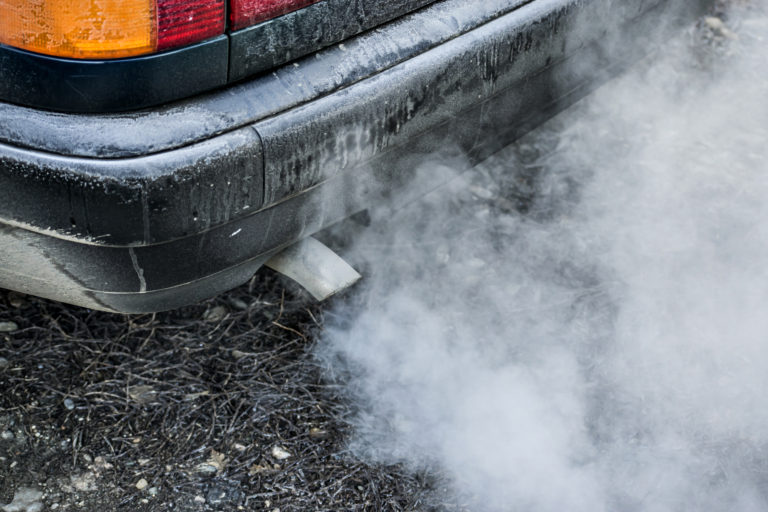
However, if your car pumps out dense, opaque white smoke that persists long after the engine reaches normal operating temperature, you have a mechanical issue. To confirm whether you are dealing with burning coolant, look for these specific warning signs:
- A distinct sweet, syrupy smell coming from the tailpipe
- A low coolant warning light flashing on your dashboard
- The engine running warmer than usual or occasionally overheating
- White residue or crusty buildup around the exhaust tips
The Culprits: Blown Head Gaskets and Cracked Blocks
When coolant successfully enters the combustion chambers, it instantly vaporizes, turning into heavy white smoke. The most frequent mechanical failure behind this is a blown head gasket. The head gasket seals the engine block to the cylinder head, keeping coolant, oil, and combustion gases separate.
If the gasket deteriorates, coolant slips into the cylinders. In more severe cases, excessive heat or manufacturing defects can cause a cracked cylinder head or a cracked engine block. These structural fractures create a direct pathway for coolant to leak directly into the engine oil and combustion zones.
Step-by-Step Guide to Fix Coolant Leaks and Blown Head Gaskets
How to Inspect Your Coolant Levels and Engine Oil
Before towing your car to a mechanic, you can perform a quick diagnostic check under the hood to confirm a coolant leak. Never open the coolant reservoir or radiator cap while the engine is hot, as pressurized steam can cause severe burns.
Once the engine cools completely, follow these verification steps:
- Check the coolant overflow tank. If it is nearly empty or dropping rapidly without any visible puddles on the ground, the liquid is burning internally.
- Pull the engine oil dipstick and examine the fluid. If the oil looks like a chocolate milkshake or has a frothy, light-brown texture, coolant is mixing directly with your engine oil.
- Inspect the spark plugs. If you pull a spark plug and find it unusually clean or wet with coolant residue, that specific cylinder is taking on liquid.
Next Steps and Professional Repair Pathways
Once you confirm that coolant is leaking into your engine, stop driving immediately. Continuing to operate a vehicle with a blown head gasket dilutes your engine oil, leading to catastrophic bearing failure and ruined pistons.
Because fixing a blown head gasket or replacing a cracked cylinder head involves tearing down the top half of the engine, this is rarely a DIY project for beginners. Professional automotive shops in 2026 typically perform a block test or a cylinder leak-down test to pinpoint the exact breach before quoting a comprehensive engine rebuild or replacement.
How to Check Oil and Coolant Contamination
Diagnosing the root cause of white smoke requires a systematic inspection of your vehicle’s primary fluid reservoirs. Automotive engineers recommend checking fluid levels and condition before driving your car to a repair facility in 2026.

Step-by-Step Fluid Inspection
- Park your vehicle on a flat surface, engage the parking brake, and allow the engine to cool completely for at least 30 minutes.
- Open the hood and locate the engine oil dipstick. Pull it out, wipe it clean with a lint-free shop rag, reinsert it fully, and pull it out again to check the oil consistency.
- Inspect the oil on the dipstick. If it resembles a thick, milky-brown milkshake, engine coolant has contaminated your oil supply due to a failed head gasket.
- Locate the coolant reservoir or radiator cap. Never open a hot radiator cap; wait for the system to reach ambient temperature to prevent severe thermal burns.
- Examine the coolant. If you notice an oily sheen on top of the liquid or dark sludge pooling in the reservoir, engine oil is leaking into the cooling system.
According to data from the Automotive Service Association, visual fluid contamination confirms an internal mechanical failure requiring immediate professional intervention.
What If It Still Doesn’t Work?
If you have replaced a faulty PCV valve, changed contaminated fluids, or fixed a minor vacuum leak, but heavy white smoke persists out of your exhaust, deeper mechanical intervention is required. Persistent smoke indicates that combustion chamber sealing has failed completely.
Fallback Steps for Persistent Smoke
- Stop driving immediately. Continuing to operate a vehicle with a blown head gasket or cracked engine block can cause catastrophic engine seizure and hydro-locking.
- Schedule a professional diagnostic test. Ask your mechanic to perform a block test or a chemical combustion leak test to detect exhaust gases present in your cooling system.
- Request a formal repair estimate. Replacing a blown head gasket typically ranges from $1,500 to $3,500 depending on vehicle make and engine configuration as of 2026.
- Evaluate the cost-repair ratio. If your vehicle is older and the engine block itself is cracked, replacement with a remanufactured engine may cost between $3,000 and $7,000.
- Consult your manufacturer warranty or extended coverage provider. Certain powertrain components may still qualify for complimentary repair coverage.
Conclusion
White smoke coming out of your exhaust ranges from harmless condensation to severe internal engine damage requiring expensive repairs. Identifying the density, smell, and persistence of the vapor helps pinpoint whether you are dealing with normal weather evaporation or a critical coolant leak. According to verified research and expert sources from leading automotive technicians, catching head gasket failures early prevents total engine failure. Your actionable next step is to check your coolant and oil levels today and schedule a professional pressure test if fluid contamination is present.
❓ Frequently Asked Questions
What does white smoke coming out of exhaust mean on a cold morning?
On cold mornings, thin white vapor is simply normal condensation evaporating from the exhaust system as it warms up. This vapor disappears quickly and is completely harmless.
How does coolant get into the combustion chambers?
Coolant typically leaks past a damaged head gasket, a cracked cylinder head, or a cracked engine block into the cylinders where it burns off during combustion.
How do I check for a blown head gasket?
Check your engine oil dipstick for a milky, chocolate-milk-like appearance, and inspect your coolant reservoir for bubbling or oil contamination.
How much does it cost to fix a blown head gasket?
Replacing a head gasket is a labor-intensive job that typically ranges from $1,500 to $3,000 depending on the make and model of your vehicle.
Can transmission fluid cause white smoke?
Yes, in older vehicles with a vacuum modulator, a ruptured diaphragm can suck transmission fluid into the engine, producing dense white smoke and a distinct odor.
What should I do immediately if I see thick white smoke?
Safely pull over, turn off the engine to prevent overheating, check your fluid levels, and call a tow truck if the coolant level is severely low.