
Is It OK to Drive With a Bad Catalytic Converter? 2026 Guide
Driving with a bad catalytic converter is briefly possible for short distances to reach a repair shop, but doing so long-term will cause severe engine damage, overheating, and potential vehicle fires. Continued driving also leads to extreme tailpipe emissions and sudden engine stalling.
The short answer is no, it is not okay to drive with a bad catalytic converter for more than a brief trip to a repair shop. While your car might still start and move, ignoring a failing converter in 2026 invites severe engine damage, toxic exhaust leaks, and catastrophic financial consequences that far outweigh the cost of an early repair.
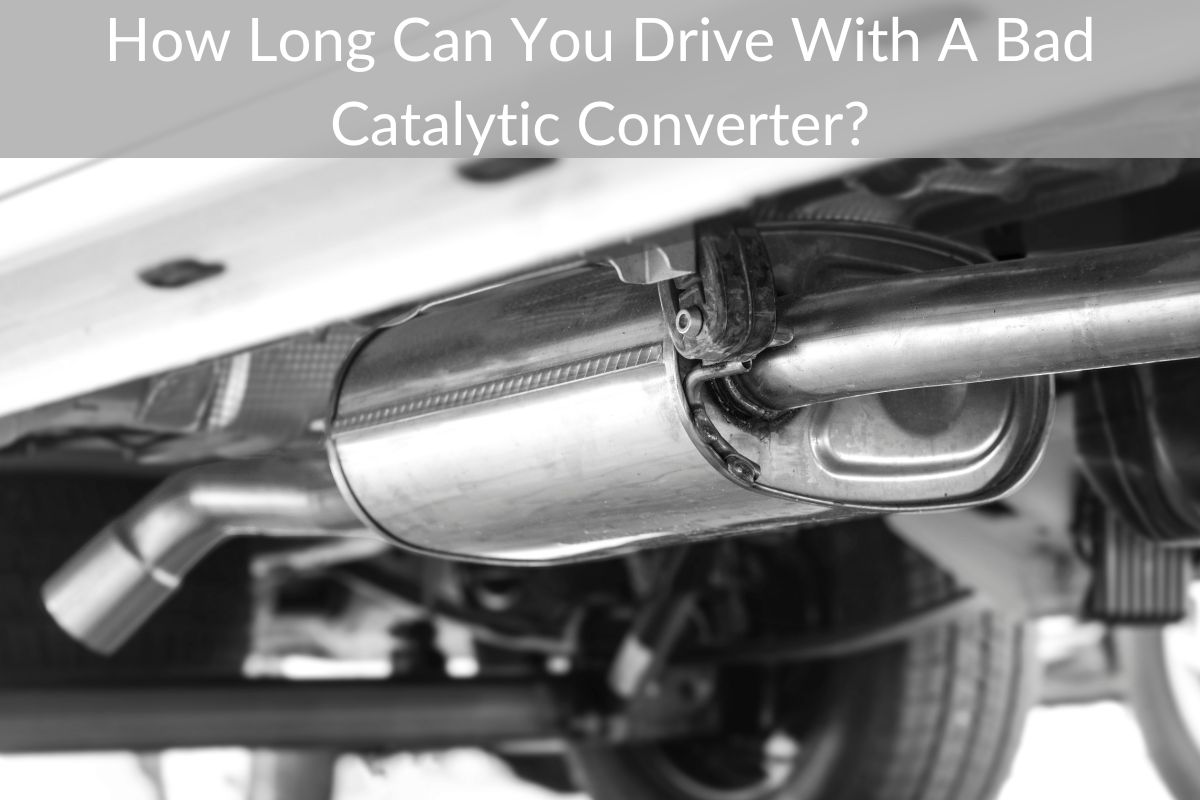
Your catalytic converter is the crucial bridge between your engine and the tailpipe, responsible for reducing harmful emissions. When it clogs, cracks, or fails internally, the resulting exhaust restriction and chemical breakdown trigger a cascade of mechanical failures. Understanding these risks will help you decide whether your car is safe to drive right now.
Key Takeaways
- Driving short distances to a repair shop is generally safe if the car still runs.
- A clogged converter causes severe exhaust backpressure that damages internal engine components.
- Extreme heat buildup from a failing converter creates a serious vehicle fire hazard.
- Ignoring the problem drastically drops fuel economy and causes sudden engine stalling.
- Failed emissions tests and illegal operation apply if you continue driving long-term.
What Causes a Bad Catalytic Converter and How to Diagnose It
Catalytic converters rarely fail on their own. They are usually the victim of another underlying engine problem that goes unaddressed. Knowing what damages these components helps you spot trouble before your vehicle leaves you stranded on the highway.

Common Causes of Failure
Converters usually fail due to contamination, physical damage, or extreme heat overload. Here are the primary culprits you need to watch out for:
- Unburnt Fuel: A misfiring spark plug or a leaking fuel injector sends raw gasoline into the hot converter, where it ignites and melts the internal honeycomb structure.
- Oil or Coolant Leaks: Worn piston rings or a blown head gasket allow oil and coolant to enter the exhaust stream, coating the catalyst and rendering it useless.
- Physical Impacts: Debris on the road or bottoming out over speed bumps can dent the metal housing, crushing the fragile ceramic catalyst inside.
Key Diagnostic Symptoms
Your car will actively try to tell you when the converter is giving up. Pay close attention to these warning signs:
- Sluggish Acceleration: A clogged converter creates severe backpressure, choking your engine and preventing it from revving past 2,500 RPM.
- The Rotten Egg Smell: A failing catalyst fails to convert sulfur gases properly, creating a distinct sulfur or rotten egg odor around your car.
- Persistent Check Engine Light: Diagnostic trouble codes like P0420 indicate that the catalyst efficiency has dropped below acceptable threshold limits.
How to Safely Drive Your Car to the Mechanic With a Failing Converter
If your car is drivable and you need to get it to a repair shop in 2026, you must take precautions. Driving a failing vehicle incorrectly can quickly turn a manageable exhaust repair into a total engine replacement.
Short-Term Transport Rules
Can you make it to the mechanic? That depends entirely on the severity of the failure. Follow these rules to minimize further damage during your short trip:
- Keep the Trip Short: Limit your drive to local roads under 5 miles if possible. Avoid highway speeds and heavy traffic congestion.
- Drive Gently: Accelerate very slowly. Do not push the gas pedal down hard, as high exhaust volumes against a clogged converter will force hot gases back into the engine block.
- Roll Down the Windows: If you notice a sulfur smell or suspect an exhaust leak near the cabin, keep fresh air circulating to prevent dangerous carbon monoxide exposure.
When NOT to Drive at All
Some symptoms mean you should skip the drive entirely and call a tow truck right away. Do not risk driving your vehicle if you experience any of the following:
- Severe Engine Stalling: If the car dies repeatedly when you come to a stop, the exhaust is too blocked to let the engine idle properly.
- The Catalyst Glows Red: Looking underneath the car in the dark and seeing a dull red glow near the exhaust pipes means the converter is dangerously overheating and poses an immediate fire hazard.
- Loud Rattling Noises: A metallic rattle from underneath means the internal substrate has broken apart and could completely plug the exhaust at any second, stopping your car dead in its tracks.
Step-by-Step Guide to Replacing a Damaged Catalytic Converter
Replacing a failed catalytic converter requires specific mechanical knowledge, proper safety equipment, and the right tools. Because these components are integrated tightly into modern vehicle exhaust systems, precision is critical for a successful repair. Automotive experts recommend following a structured process to ensure the new part functions correctly and lasts.
Preparation and Safety Measures
Before beginning any work, ensure the vehicle is completely cool, as exhaust components reach extreme temperatures. Secure the car on heavy-duty jack stands or a professional lift. Soak all rusted exhaust bolts and flanges in a high-penetrating catalyst oil for at least 30 minutes to prevent shearing during removal.
- Disconnect the negative battery cable to reset the vehicle computer and prevent electrical shorts during sensor disconnection.
- Unplug the upstream and downstream oxygen sensors using a specialized socket wrench to avoid damaging the delicate wiring harnesses.
- Unbolt or cut the exhaust pipes immediately before and after the catalytic converter flanges, depending on whether the unit is a direct-fit or universal welded model.
- Remove the worn converter from its rubber hanger mounts, taking care not to put strain on the remaining exhaust piping sections.
- Clean all mating surfaces thoroughly with a wire brush to remove old gasket material, carbon buildup, and rust flakes.
- Install the new catalytic converter using brand-new gaskets and hardware, torquing all flange bolts to the manufacturer-specified pound-feet rating.
- Reinstall the oxygen sensors carefully, apply anti-seize compound to the threads (avoiding the sensor tip), and reconnect the vehicle battery.
What If It Still Doesn’t Work?
If a brand-new catalytic converter fails shortly after installation or the check engine light returns, the underlying root cause has likely not been resolved. Replacing the component without fixing the upstream issue will void most manufacturer warranties. Drivers facing persistent emissions or performance issues should consider the following troubleshooting steps:
- Inspect the engine for unburned fuel, oil consumption, or coolant leaks, which contaminate and rapidly melt the precious metals inside a fresh converter.
- Test the fuel injectors and ignition coils to ensure no misfires are occurring, as raw fuel entering the exhaust will destroy a new unit within hours.
- Check for a blocked or restricted downstream exhaust system, such as a collapsed muffler or clogged resonator, which creates excessive backpressure.
- Verify that the oxygen sensors are operating within factory parameters; lazy or failing sensors can send improper air-fuel ratios that ruin exhaust components.
- Seek professional diagnostic help from a certified technician with an oscilloscope and thermal imaging gun if the check engine light persists. Professional catalytic converter replacement typically ranges from $1,200 to $2,500 total depending on vehicle make, model, and labor rates.
Conclusion
Driving with a bad catalytic converter is illegal, environmentally damaging, and risks severe engine destruction from excessive backpressure. Addressing the failure promptly through repair or replacement safeguards both vehicle performance and personal finances. According to verified research and expert automotive sources, replacing a failing emissions component immediately prevents cascading damage to the engine and exhaust system. The most actionable next step is to schedule a professional diagnostic scan to confirm the exact source of failure before purchasing replacement parts.

❓ Frequently Asked Questions
Is it completely illegal to drive with a bad catalytic converter?
Yes, operating a vehicle with a broken or removed emissions control device violates federal and state environmental laws. Law enforcement and inspection stations can heavily fine drivers or impound vehicles.
How far can I safely drive with a clogged catalytic converter?
You should limit driving to the nearest repair shop, ideally under 10 to 15 miles. Driving further risks complete engine stall or a catastrophic undercarriage fire.
What are the exact symptoms that mean I must stop driving immediately?
If your car experiences heavy black smoke, a glowing red exhaust pipe, a severe sulfur rotten-egg smell, or sudden extreme power loss, pull over and tow the vehicle.
Can fuel additives or cleaners fix a bad catalytic converter?
Fuel additives can sometimes clear minor carbon buildup on slightly degraded converters. However, they cannot fix physically melted, broken, or completely clogged internal honeycombs.
Will a bad catalytic converter damage spark plugs and oxygen sensors?
Yes, the excessive heat and restricted backpressure frequently foul upstream and downstream oxygen sensors and ruin spark plugs over time.
How much does it typically cost to replace a catalytic converter?
Replacement costs range from $1,000 to $2,500 including labor, heavily depending on your vehicle’s make, model, and whether it requires multiple converters.