How to Remove Jeep Ignition Lock Cylinder Without Key: Easy Steps
Losing your Jeep key or dealing with a stuck ignition lock cylinder can feel frustrating and stressful. But don’t worry—you don’t have to call a locksmith right away or get stranded.
You can actually remove your Jeep ignition lock cylinder without the key by following some simple steps. Whether your steering wheel is locked or the cylinder just won’t turn, this guide will walk you through effective methods to get it out safely and quickly.
Keep reading, and you’ll learn how to bypass the lock, drill out the tumblers if needed, and replace the cylinder so you can get back on the road without the hassle. Your Jeep deserves a smooth fix, and you’re about to make it happen.
Credit: jandlpacificlockandkey.com
Bypass Steering Wheel Lock
Bypassing the steering wheel lock is a crucial step to remove your Jeep ignition lock cylinder without a key. The steering wheel lock prevents the wheel from turning when the key is missing or the cylinder is stuck. This lock must be released before you can remove the ignition cylinder safely.
Start by applying gentle pressure to the steering wheel. Wiggle the wheel left and right while attempting to turn the ignition cylinder. This motion can release the locking mechanism if it is stuck due to tension.
If the steering wheel lock remains engaged, you may need to use tools to bypass it. Carefully insert a flathead screwdriver or a similar tool into the gap between the steering column and the ignition cylinder. This can help push the locking pin away from its position.
Once the lock is bypassed, the ignition cylinder becomes free to turn and slide out. This step is necessary before you can proceed with further removal actions, such as drilling or pulling the cylinder out.
Using Pressure And Movement To Free The Lock
Apply steady pressure on the steering wheel. Turn the wheel slowly while trying to rotate the ignition cylinder. Small movements can unlock the steering mechanism.
Inserting A Tool To Release The Lock Pin
Locate the gap near the ignition cylinder. Insert a flathead screwdriver carefully. Push the locking pin inside the steering column to disengage it.
Removing The Ignition Cylinder After Unlocking
With the steering wheel lock bypassed, turn the cylinder to the “on” position. Pull the ignition cylinder straight out. Use gentle force to avoid damage.
Credit: unitedlocksmith.net
Disconnect Battery Safely
Disconnecting the battery safely is the first step before removing the Jeep ignition lock cylinder. This step prevents electrical shorts and accidental airbag deployment. It keeps you safe while working on the vehicle’s ignition system.
Always use proper tools and follow safety rules. A careless disconnect can cause damage to your Jeep’s electrical parts. Take your time and do the job right.
Locate The Battery
Open the Jeep’s hood to find the battery. It usually sits near the front or side of the engine bay. Identify the negative terminal, marked with a minus (-) sign or black cable.
Use The Correct Tools
Grab a wrench or socket that fits the battery terminal bolts. Avoid using pliers or adjustable wrenches that may slip. A firm, snug fit reduces the risk of damage or injury.
Disconnect The Negative Terminal First
Loosen the bolt on the negative terminal carefully. Remove the cable and push it away from the battery post. Do not let it touch any metal part of the Jeep. This prevents sparks and shorts.
Remove The Positive Terminal
After the negative terminal is clear, loosen and remove the positive terminal. This terminal is marked with a plus (+) sign or red cable. Keep both cables away from the battery to avoid contact.
Wait Before Proceeding
Leave the battery disconnected for at least 10 minutes. This step helps clear any stored electrical energy. It reduces the risk of shocks or triggering safety systems while working on the ignition.
Drill Out Ignition Tumblers
Drill out ignition tumblers carefully to remove a Jeep ignition lock cylinder without a key. This method helps bypass the steering wheel lock and frees the stuck cylinder. Use proper tools to avoid damaging the steering column during removal.
Understanding The Purpose Of Drilling Out Ignition Tumblers
Drilling out ignition tumblers is a last resort method. It helps remove the ignition lock cylinder without a key. The tumblers inside the cylinder block the rotation. Drilling destroys these tumblers, allowing removal.
This method requires careful handling. A mistake can damage the steering column or ignition housing. Proper tools and safety measures are essential before starting.
Tools Needed For Drilling Out Ignition Tumblers
You will need a power drill and a set of drill bits. Start with a small bit to create a pilot hole. Then use a larger bit to drill through the tumblers. Safety glasses and gloves protect you during the process.
Having a flathead screwdriver or pliers helps to pull out the cylinder after drilling.
Step-by-step Process To Drill Out Ignition Tumblers
First, remove any trim or covers around the ignition cylinder. Locate the keyhole and insert the smallest drill bit carefully. Drill straight into the center of the keyhole.
Drill slowly and steadily to avoid slipping. Increase drill bit size gradually to break the tumblers. Once drilled, use a screwdriver to pull out the cylinder.
Precautions And Tips For Drilling Ignition Tumblers
Do not rush the drilling process. Applying too much force can damage parts beyond repair. Keep the drill steady and perpendicular to the ignition cylinder.
Wear safety gear to protect eyes from metal shavings. Clean the area after drilling to avoid debris inside the steering column.
Release Retaining Tab
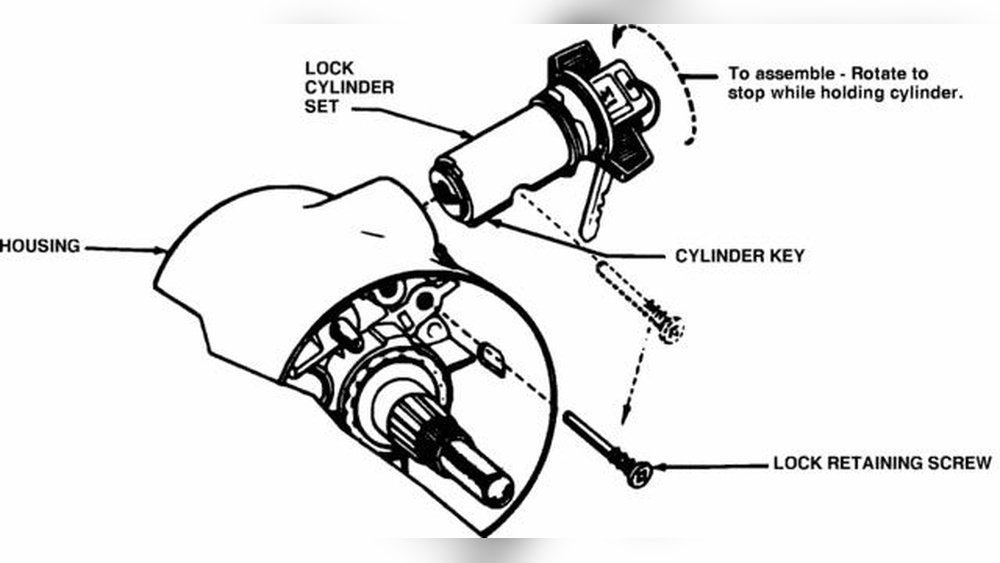
The release retaining tab is a small but crucial part of the ignition lock cylinder. It holds the cylinder securely inside the steering column. To remove the ignition cylinder without a key, you must first release this tab. This step allows the cylinder to slide out safely. Care and precision are essential to avoid damage.
Locating and pressing the retaining tab frees the lock cylinder from its housing. It is usually hidden inside the ignition assembly. Using the right tools helps reach and push the tab effectively. Once pressed, the cylinder will no longer be locked in place.
Identify The Retaining Tab Location
Find the retaining tab by looking closely at the ignition housing. It is often near the back or side of the cylinder. Your Jeep’s manual can help pinpoint its exact spot. The tab may be a small slot or hole requiring a thin tool to reach.
Choose The Correct Tool To Press The Tab
A flathead screwdriver or a small pick tool works well. The tool must fit into the tab slot without bending. Avoid using large or blunt tools that can break parts. A slim, angled pick offers the best control and access.
Press The Retaining Tab And Pull Out Cylinder
Insert the tool carefully into the tab hole. Push the tab inward gently but firmly. You should feel the tab move or release. While holding the tab pressed, pull the ignition cylinder straight out. If it resists, double-check the tab’s position.
Handle The Ignition Cylinder With Care
After removal, inspect the cylinder for any damage. Keep all parts safe for reinstallation or replacement. Avoid forcing or twisting the cylinder during removal. Proper handling ensures a smooth repair process.
Remove Ignition Lock Cylinder
Removing the ignition lock cylinder from a Jeep without a key requires care and the right steps. This part controls starting the engine and locking the steering wheel. Without a key, you must access the cylinder carefully to avoid damage.
Start by disconnecting the battery to prevent electrical issues. Next, remove panels around the steering column to expose the ignition cylinder. This gives clear access to the locking mechanism inside.
Locate The Ignition Lock Cylinder
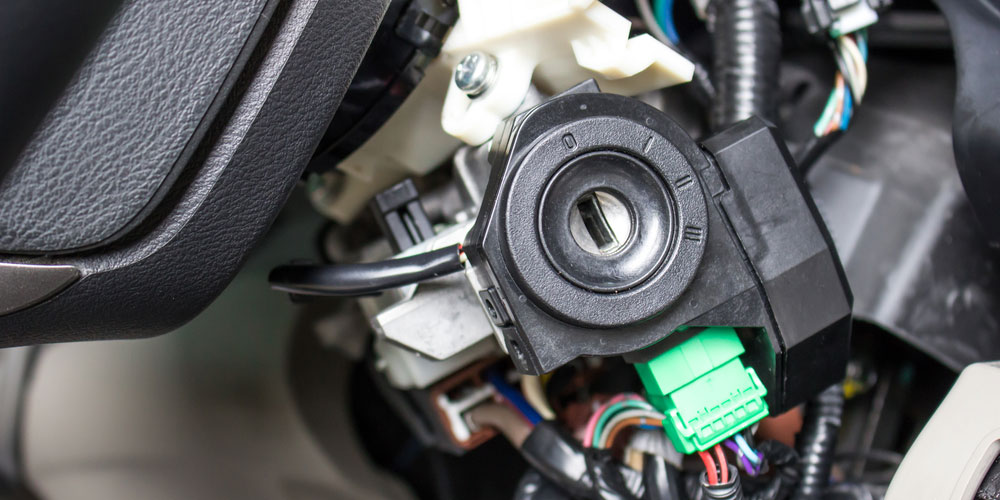
Find the ignition lock cylinder on the steering column. It usually sits behind the key slot inside the steering column cover. Look for a small hole or tab near the cylinder. This is the release point for removing the cylinder.
Press The Release Pin
Use a small flathead screwdriver or a pick tool. Insert it into the hole or press the tab gently. This action releases the lock cylinder from its housing. Apply steady pressure to avoid breaking the pin.
Pull Out The Ignition Lock Cylinder
While pressing the release pin, pull the ignition lock cylinder straight out. It may require some force but avoid twisting it too hard. The cylinder should slide out smoothly once the pin is disengaged.
Deal With Stuck Cylinders
If the cylinder does not come out easily, try wiggling the steering wheel. This can relieve pressure on the lock and free the cylinder. Avoid using excessive force to prevent breaking internal parts.
Removing The Cylinder Without A Key
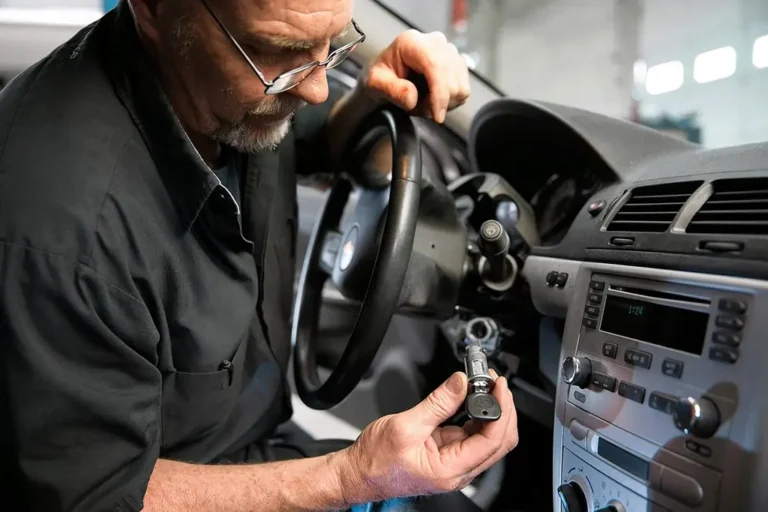
Without a key, you may need to use specialized tools. An angled pick tool can press the release pin inside the housing. Sometimes drilling the tumblers is necessary if the cylinder is locked tight. Take care to drill only as much as needed to avoid damage.
Credit: maximsystems.net
Frequently Asked Questions
Can You Remove An Ignition Cylinder Without A Key?
You can remove an ignition cylinder without a key by pressing the release tab with a tool. For locked cylinders, drill the tumblers carefully to free the barrel. Always disconnect the battery before starting. Older Jeep models allow cylinder removal by disassembling the steering column.
How Do You Remove An Ignition Lock Cylinder With A Screwdriver?
Locate the release pin or tab on the ignition lock cylinder housing. Press it with a flathead screwdriver. Gently pull the cylinder out while holding the pin pressed. Check your vehicle manual for exact pin location. This method works for many car models but handle parts carefully.
How To Drill Out An Ignition Lock Cylinder?
Disconnect the battery first. Use a drill bit slightly larger than the key slot. Drill down the center to destroy the pins. Turn the cylinder to the release position. Remove the ignition lock cylinder carefully.
What Tool Is Used To Remove A Lock Cylinder?
A flathead screwdriver or a small pick tool presses the retaining pin to remove a lock cylinder. For stubborn locks, a drill bit slightly larger than the keyway drills out the tumblers. Always disconnect the battery before starting.
Conclusion
Removing a Jeep ignition lock cylinder without a key takes patience and care. Follow each step slowly to avoid damage. Use the right tools and stay safe by disconnecting the battery first. This process helps regain control without needing a locksmith immediately.
Remember, practice makes perfect, so do not rush. With these instructions, you can handle the task confidently and get your Jeep running again.