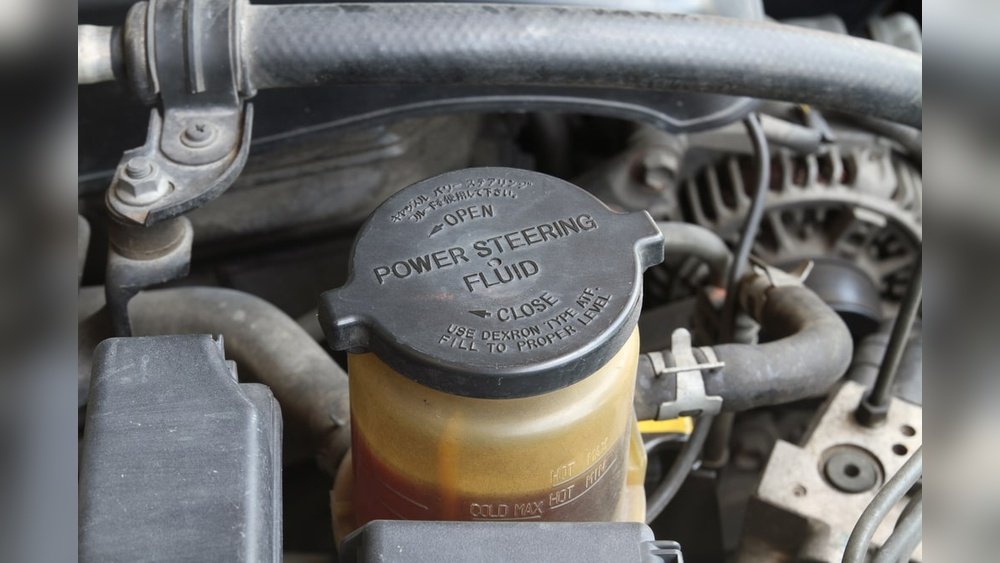
What Happens When You Run Out of Power Steering Fluid: Risks Explained
Have you ever wondered what happens if your car runs out of power steering fluid? It might seem like a small detail, but losing this fluid can turn your daily drive into a real challenge.
Without enough power steering fluid, your steering wheel can become stiff and hard to turn, making it difficult to control your vehicle safely. You’ll discover exactly why this fluid matters, the warning signs to watch for, and what you should do if you find yourself in this situation.
Keep reading to learn how to protect your car and stay safe on the road.
Role Of Power Steering Fluid
Power steering fluid helps your car turn the wheel smoothly and easily. Running out makes steering hard and noisy. This can cause damage to the steering system.
What Power Steering Fluid Does
Power steering fluid helps you steer your car easily. It moves inside the power steering system. This fluid transmits the force from the steering wheel to the wheels. It makes turning smooth and less tiring.
The fluid also lubricates parts inside the steering system. This stops metal parts from rubbing and wearing out. It keeps the system working well for a long time.
How Power Steering Fluid Supports Steering
The fluid creates pressure that helps steer the wheels. When you turn the wheel, the fluid pushes parts to move. This reduces the effort needed to steer. Without enough fluid, steering becomes hard and stiff.
Why Power Steering Fluid Is Important
Power steering fluid prevents damage inside the system. It cools the parts that get hot during use. It also protects against rust and corrosion. Low fluid can cause parts to break faster.
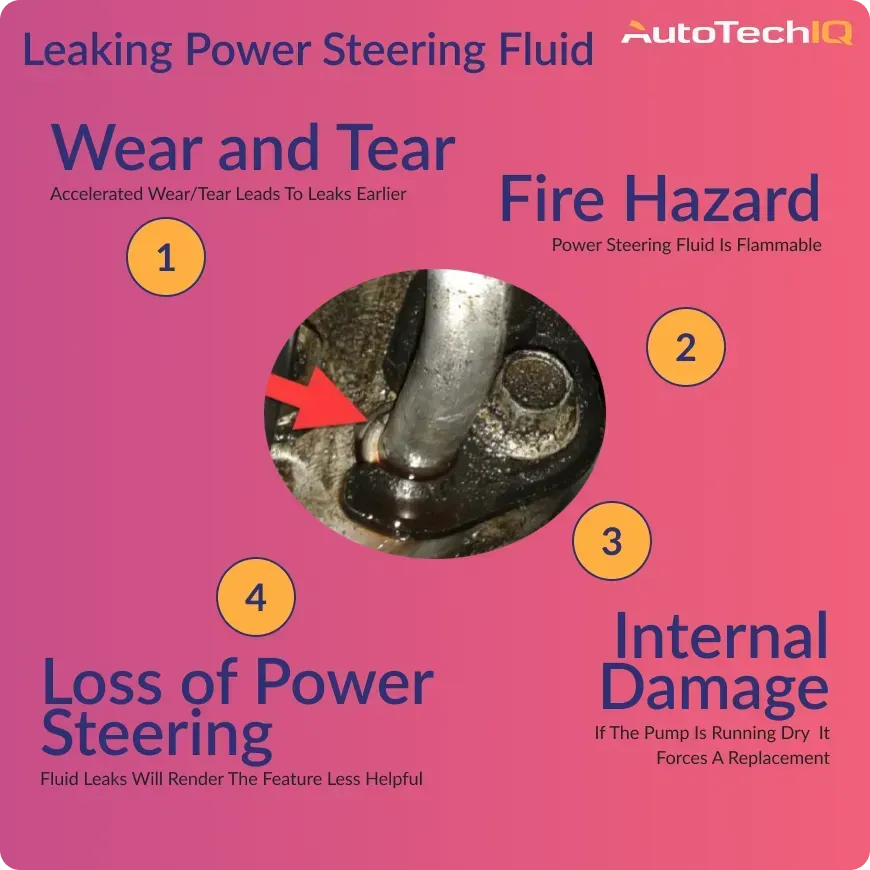
Credit: www.autotechiq.com
Signs Of Low Power Steering Fluid
Power steering fluid helps your car steer smoothly. Low fluid means your steering feels different. You might not notice it at first. But certain signs show fluid is running low. Spotting these signs early can prevent bigger problems.
Unusual Steering Noise
You may hear whining or squealing sounds when turning the wheel. These noises come from low fluid causing the pump to struggle. The sound often grows louder as fluid drops.
Hard Steering
The steering wheel may feel stiff or heavy. It takes more effort to turn, especially at low speeds. Low fluid reduces the power steering system’s ability to help.
Fluid Leaks
Look under the car for small puddles or wet spots. Power steering fluid is usually red, pink, or clear. Leaks mean fluid is escaping and levels are dropping.
Steering Wheel Vibration
You might feel shaking or vibrating through the steering wheel. This can happen as the pump struggles without enough fluid. The vibration may increase during turns.
Warning Light On Dashboard
Some cars show a warning light if power steering fluid is low. Check your dashboard for alerts or symbols. Don’t ignore these warnings.
Immediate Effects On Steering
Steering becomes very hard and heavy without power steering fluid. Turning the wheel feels stiff, making driving difficult and unsafe. Immediate attention is needed to avoid damage.
Running out of power steering fluid causes a quick change in how your car handles. The steering wheel becomes harder to turn. This makes driving more difficult and can be dangerous.
The power steering system relies on this fluid to work smoothly. Without it, the steering loses its assist. You will feel more resistance when trying to steer.
Increased Steering Effort
The first sign is that the steering wheel feels very stiff. You must use more force to turn it. Parking and low-speed maneuvers become especially tough.
This extra effort can tire your arms quickly. It also reduces your control over the vehicle during turns.
Unusual Noises
Without fluid, the power steering pump can make loud whining or groaning sounds. These noises happen because the pump struggles to work.
Ignoring these sounds can cause further damage to the steering system. It is a warning sign to check your fluid levels immediately.
Slower Steering Response
Steering response becomes slower and less precise. The car may not turn as sharply as before.
This delay can be risky, especially in emergencies. Quick steering is important for safe driving.

Credit: www.motor1.com
Potential Damage To Power Steering System
Power steering fluid plays a key role in keeping your steering system smooth. Running out of this fluid can cause serious damage. The system relies on this fluid to reduce friction and wear. Without it, parts can grind and fail quickly.
Ignoring low or empty power steering fluid can lead to costly repairs. The damage can affect several parts of the steering system. Understanding what happens helps you avoid these problems.
Damage To The Power Steering Pump
The power steering pump needs fluid to work properly. Without fluid, the pump overheats and wears out fast. This can cause the pump to fail completely. A broken pump means no power assist in steering.
Wear On Steering Gear And Racks
Steering gear and racks depend on fluid for lubrication. Without it, metal parts rub against each other. This friction causes fast wear and damage. It can make steering stiff and noisy.
Increased Risk Of Leaks
Low fluid levels can cause seals to dry out. Dry seals crack and leak fluid. Leaks reduce fluid even more, speeding up damage. Repairing leaks can be expensive and time-consuming.
Safety Risks On The Road
Running out of power steering fluid makes steering very hard. This can cause loss of control and increase accident risk. Driving without fluid can damage the steering system too.
Loss Of Steering Control
Power steering fluid helps you turn the wheel smoothly. Running out makes steering hard and heavy. This can cause you to lose control, especially at low speeds. Sharp turns become difficult. It puts you at risk of accidents.
Increased Driver Fatigue
Without power steering fluid, steering needs more effort. Your arms tire quickly. This fatigue reduces your focus and reaction time. Driving becomes stressful and unsafe. Tired drivers are more likely to make mistakes.
Unexpected Steering Failure
Sudden loss of power steering fluid can cause the system to fail. Steering might lock or become very stiff. This surprise can panic you. Panic often leads to poor decisions on the road. It raises the chance of crashes.
Preventing Power Steering Fluid Issues
Preventing power steering fluid issues helps keep your car safe and easy to drive. Low fluid can cause hard steering and damage the system. Regular care stops these problems before they start. Check your fluid often and top it up as needed. Catch leaks early to avoid bigger repairs later.
Checking Power Steering Fluid Levels Regularly
Open the hood and find the power steering reservoir. Use the dipstick or marks on the container to check the level. Do this every month or before long trips. Low fluid means you need to add more soon. Keep the fluid clean and clear for best results.
Using The Correct Fluid Type
Not all power steering fluids are the same. Use the type your car’s manual recommends. The wrong fluid can harm the pump and seals. Buy fluid from trusted brands to avoid poor quality. Keep an extra bottle in your car for emergencies.
Inspecting For Leaks And Damage
Look under your car for puddles or wet spots. Check hoses and connections for cracks or wear. Leaks cause fluid loss and steering problems. Fix leaks quickly by replacing damaged parts. Regular inspection saves money and prevents breakdowns.
Scheduling Professional Maintenance
Take your car to a mechanic for a power steering check yearly. They can flush old fluid and refill with fresh liquid. Professionals spot hidden issues you might miss. Proper maintenance extends the life of your steering system.

Credit: www.youtube.com
Frequently Asked Questions
What Happens If Power Steering Fluid Runs Out?
Power steering becomes very hard to control without fluid. You may hear strange noises and feel stiff steering. Driving gets unsafe quickly.
How Long Can You Drive Without Power Steering Fluid?
Only a short distance is safe without fluid. Steering will be tough, making it hard to turn. Stop soon to avoid damage.
Can Low Power Steering Fluid Damage The Car?
Yes, low fluid can cause pump and steering damage. The system can overheat and fail. Fix leaks and refill fluid quickly.
What Are Signs Of Low Power Steering Fluid?
Steering feels heavy, noisy pump sounds, and fluid leaks. The wheel may jerk or resist turns. Check the fluid level often.
How To Refill Power Steering Fluid Safely?
Use the right fluid for your vehicle. Clean the reservoir cap before opening. Pour slowly, checking the level frequently.
Conclusion
Running out of power steering fluid can cause serious problems. Your steering will feel heavy and hard to control. This can make driving unsafe and stressful. Check your fluid level often to avoid trouble. Fix leaks quickly to keep fluid where it belongs.
Adding fluid is simple but important for smooth driving. Keep your car safe and easy to steer. Don’t wait until the fluid runs out completely. Small steps prevent big car problems later. Take care of your steering system for a safer ride.