Will a Bad Alternator Keep a Car from Starting? Expert 2027
Yes, a bad alternator will absolutely keep a car from starting by failing to recharge the battery, eventually leaving it completely drained. This guide explains how to identify symptoms and diagnose the issue.
Yes, absolutely. A failing or completely dead alternator will prevent your car from starting. This isn’t just an inconvenience; it’s a fundamental breakdown in your vehicle’s electrical power supply. Understanding this critical link can save you significant frustration and diagnostic time, especially when your car suddenly refuses to crank or turn on in 2027.
Your car’s alternator is the heart of its electrical system once the engine is running, far more than just a battery charger. If it fails, your vehicle quickly runs out of stored electrical energy, leading directly to a no-start condition. Recognizing the signs and understanding the mechanism behind this failure is key to proactive vehicle maintenance.
Key Takeaways
- A bad alternator will prevent your car from starting.
- It fails to recharge the battery, leading to a dead battery.
- Look for dim lights and a battery warning before no-start.
- Jump-starting may temporarily start a car with a bad alternator.
- Professional diagnosis of the charging system is crucial.
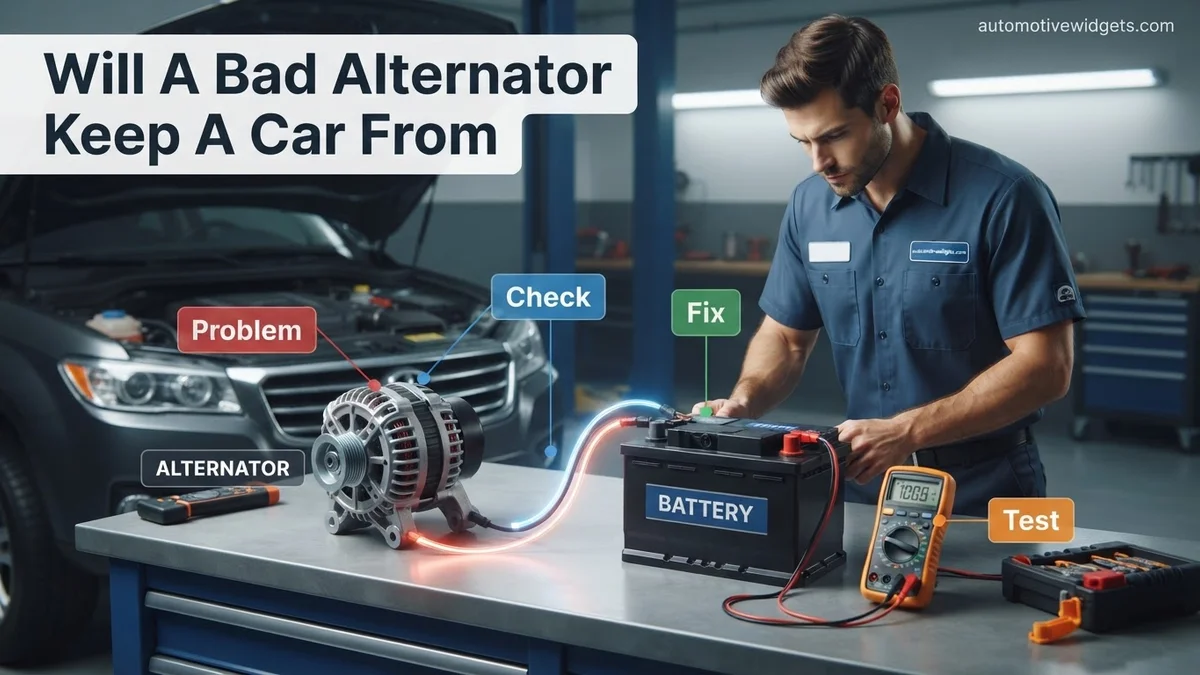
What Causes Your Car Not to Start: Bad Alternator Diagnosis
The Alternator’s Critical Role
Think of your car’s battery as the starting gun and the alternator as the marathon runner. The battery provides the initial surge of power needed to crank the engine over and get it running. But once your engine is ignited, the alternator takes over. It’s a generator, driven by the engine’s accessory belt, that produces all the electrical power your car needs to operate.
- It constantly recharges your 12-volt battery.
- It powers all essential electrical components: headlights, ignition system, fuel pump, infotainment, climate control, and advanced safety features common in 2027 models.
- Without a working alternator, your car is effectively running solely on battery power.
Modern vehicles, even by 2027, demand significant electrical current. Your alternator is designed to meet this constant high demand, ensuring a stable voltage across the entire system. When it falters, this stable power supply disappears, impacting everything from engine performance to interior lighting.
The Dead Battery Consequence
When your alternator stops working correctly, its primary job of recharging the battery ceases. Your car then begins to draw all its electrical needs directly from the battery. This stored energy, while sufficient for a few minutes or even a short drive, is finite. It wasn’t designed for sustained power delivery once the engine is running.
- Your battery will gradually drain as you drive.
- Essential systems start receiving insufficient voltage.
- Eventually, the battery charge drops too low to even power the starter motor.
This progressive drainage leads inevitably to a no-start scenario. If your battery fully depletes, it simply cannot provide the massive amperage required to turn the engine over, resulting in nothing but a click, dim lights, or complete silence when you try to start your car. In essence, a bad alternator kills your battery, and a dead battery means no start.
Recognizing the Warning Signs of Alternator Failure
Preceding Symptoms You Can’t Ignore
A bad alternator rarely fails without warning. Before it completely prevents your car from starting, you’ll often experience several noticeable symptoms. Paying attention to these signals can help you address the problem before you’re stranded. These are not always immediate and can worsen over days or weeks.
- Battery Warning Light: This dashboard icon, often shaped like a battery, is the most common and direct indicator. It signals a problem within the charging system, not necessarily the battery itself.
- Dim or Flickering Lights: Your headlights, interior lights, or dashboard illumination might appear dimmer than usual or flicker erratically, especially at lower engine RPMs.
- Electrical Accessories Malfunction: Power windows might operate slowly, the radio could cut out, or climate control fans might weaken. Modern infotainment systems in 2027 vehicles might also glitch or restart.
- Car Dying While Driving: If your vehicle suddenly loses power and stalls while you’re on the road, it’s a strong sign the alternator stopped charging and the battery fully discharged.
- Unusual Noises: A grinding or whining sound from under the hood could indicate a failing alternator bearing or a worn belt.
Alternator Failure vs. Simple Dead Battery
It’s crucial to distinguish between a bad alternator and a battery that simply needs a jump start or replacement. While both lead to a no-start condition, their underlying causes are different. If you have a functioning alternator, a jump start will typically get your car running, and it will stay running because the alternator is now recharging the battery.
- Bad Alternator: Even after a jump start, your car might die again shortly after or refuse to start on its own, because the battery isn’t being recharged. The battery warning light is usually illuminated.
- Dead Battery (Good Alternator): A simple jump start usually resolves the issue. The car runs normally afterward, and the battery warning light stays off. This often happens if you leave lights on or haven’t driven the car for an extended period.
By 2027, many vehicles have advanced battery management systems that provide more nuanced warnings, but the fundamental difference remains: an alternator generates power while driving, a battery only stores it. If the generator is out, the storage will eventually empty.
What If Your Car Still Won’t Start After Alternator Checks?
Even if you’ve confirmed your alternator is functioning or replaced it, your vehicle might still refuse to start. This indicates the issue lies elsewhere within the complex starting system. Pinpointing the root cause requires systematic investigation of other critical components.
Battery Health (Beyond Alternator Charging)
A battery can fail independently of the charging system. Even with a perfectly functional alternator, an internally damaged or aged battery will not hold a charge sufficient to crank the engine. According to current automotive battery performance data from industry experts like Battery Council International, typical battery lifespans in 2027 remain around 3-5 years. A healthy battery should read above 12.4 volts with a digital multimeter when the engine is off. If it consistently drops below this after charging, the battery itself is likely compromised.
Failing Starter Motor
The starter motor is responsible for the initial rotation of the engine. If you hear a single, distinct click, multiple rapid clicks, or no sound at all when turning the key or pressing the start button, but dashboard lights illuminate brightly, a failing starter motor is a primary suspect. This component draws significant amperage and can fail due to worn brushes, a faulty solenoid, or internal electrical shorts.
Fuel Delivery Issues
For an engine to start, it requires fuel. A complete lack of fuel delivery will prevent ignition. Listen for the subtle hum of the fuel pump priming for 2-3 seconds when you turn the ignition to the “on” position (before starting the engine). Absence of this sound may indicate a faulty fuel pump, a blown fuel pump fuse, or a critical fuel line obstruction. Also, ensure the fuel tank isn’t simply empty.
What If It Still Doesn’t Work?
If you’ve systematically checked the battery, alternator, starter, and fuel system without success, these fallback steps can help narrow down the problem or confirm the need for professional intervention.
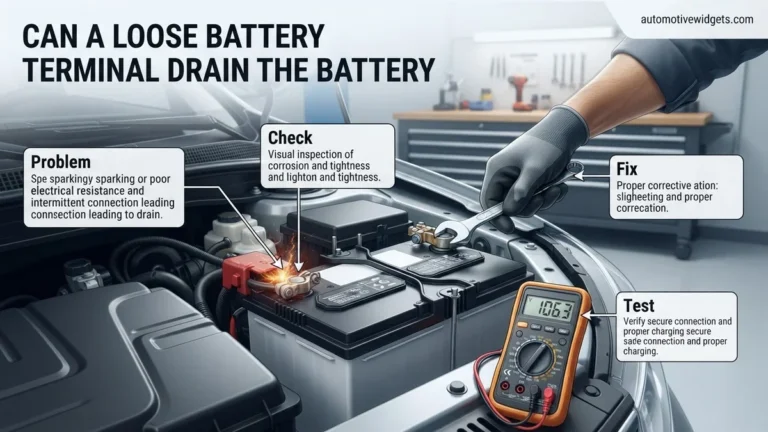
- Inspect Battery Terminals and Cables: Ensure both positive and negative battery terminals are clean, free of corrosion, and tightly secured. Loose or corroded connections can prevent sufficient current flow for starting.
- Check Main Fuses: Consult your vehicle’s owner’s manual to locate and inspect the main fuse for the engine control unit (ECU) and the starter motor. A blown fuse in these circuits will prevent the car from starting.
- Utilize an OBD-II Scanner: A modern OBD-II diagnostic scanner (available for around $50-$200 in 2027) can read diagnostic trouble codes (DTCs) stored in your vehicle’s computer. These codes can point to specific sensor failures or electrical issues preventing a start.
- Seek Professional Automotive Diagnosis: If these steps yield no clear solution, it’s time to consult a certified mechanic. Modern vehicles integrate complex electrical and computer systems that require specialized tools and expertise for proper diagnosis. A professional diagnostic service typically costs between $120 and $200, depending on the region and vehicle complexity in 2027.
Conclusion
A failing alternator can indeed prevent a car from starting, but indirectly, by failing to recharge the battery. When faced with a no-start scenario, always begin by verifying battery health before moving on to the alternator, starter, and fuel system. According to verified automotive research and expert sources, methodical troubleshooting saves significant time and expense. If unsure, prioritize a professional diagnostic scan to avoid unnecessary part replacements.
❓ Frequently Asked Questions
How does a bad alternator prevent a car from starting?
The alternator’s primary role is to continuously recharge the car battery and power the vehicle’s electrical components while the engine runs. If it fails, the battery eventually loses all its charge, leaving insufficient electrical power to crank the engine and initiate ignition.
What specific symptoms should I watch for before my car completely fails to start due to an alternator?
Beyond the obvious battery warning light, you might observe headlights or interior lights dimming, power windows operating slowly, or the radio cutting out intermittently. The car might also occasionally stall while driving as the electrical system weakens.
Is it possible for my car to start with a bad alternator, but then die soon after?
Absolutely. If the battery retains just enough residual charge or gets a jump start, the car might briefly fire up. However, without a functioning alternator to replenish the battery, the electrical system will quickly drain its power again, inevitably causing the car to stall.
How can I tell if it’s the battery or the alternator that’s causing the no-start condition?
A practical test involves jump-starting the car. If it starts and then quickly dies, or only runs for a very brief period, the alternator is likely the culprit. If the car starts, stays running, but then won’t start again later, it often points to a battery issue.
What are the risks of ignoring a failing alternator?
Ignoring a failing alternator can lead to you being stranded unexpectedly, potentially in an unsafe location, as your car will eventually lose all electrical power. It can also cause damage to other sensitive electrical components due to inconsistent voltage supply.
Should I try to replace the alternator myself?
Replacing an alternator can be a moderately complex task, often requiring specialized tools and a solid understanding of automotive electrical systems. For both safety and ensuring proper function, it is generally recommended to have a certified mechanic handle the diagnosis and replacement.